Donate button
Donate arrow
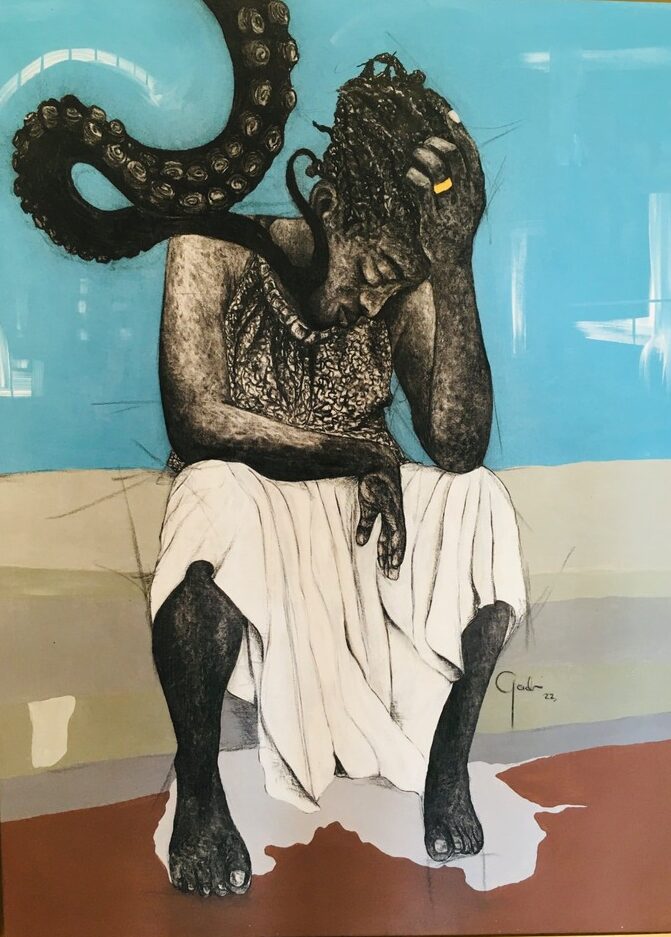
nsaap 2023 installation pics (13 of 42)

The 2026 Sovereign African Art Prize

presented by

 

Launched in 2021, The Sovereign African Art Prize increases the international exposure of artists in Africa or of the African diaspora, whilst raising funds for arts education programmes on the continent.


Shortlist

Click to learn more about the artwork and vote for your favourite
Amy Rusch
Frequencies of colour from the stillness of rocks image
VOTE NOW
Frequencies of colour from the stillness of rocks
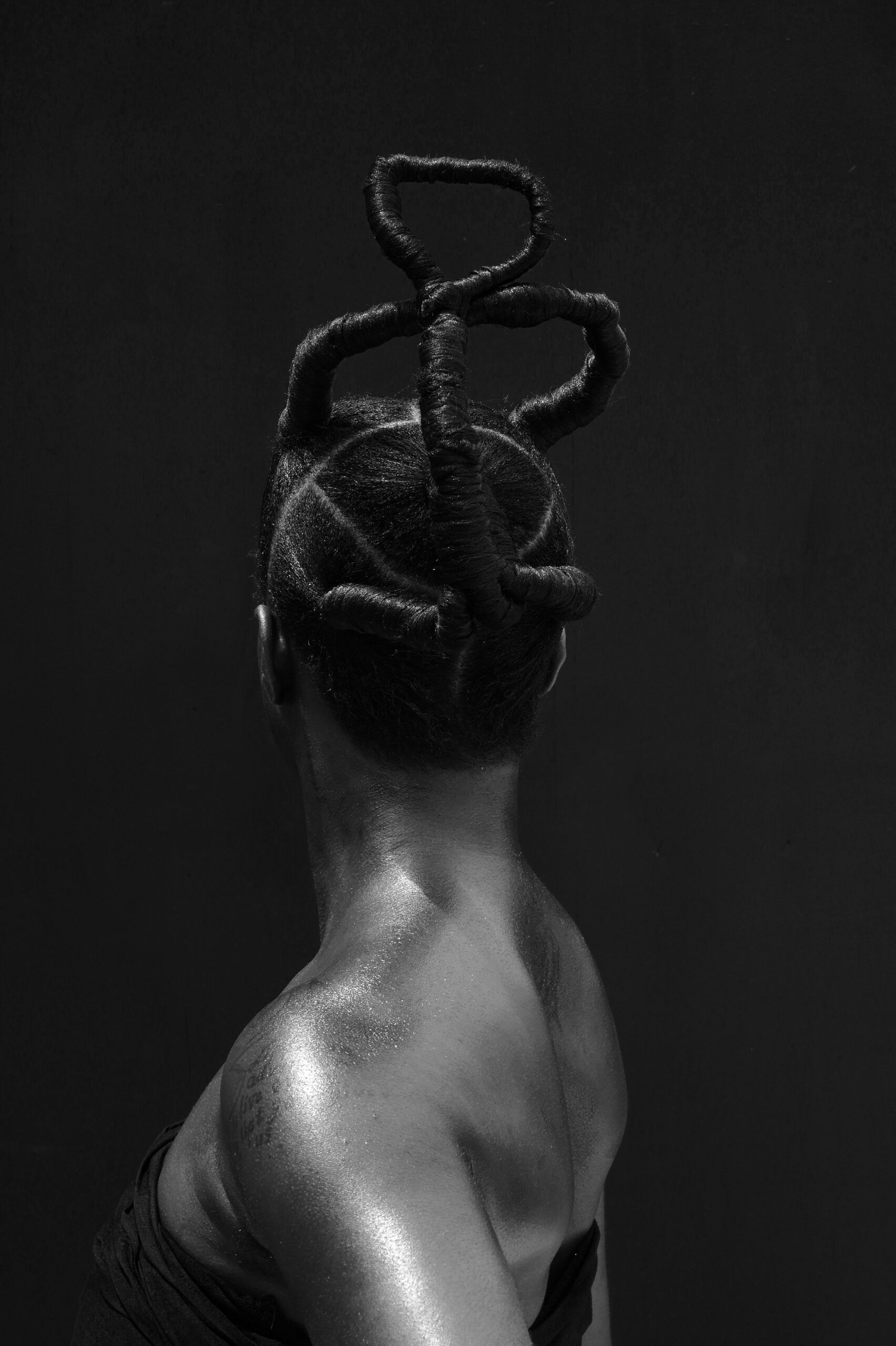
Angèle Etoundi Essamba
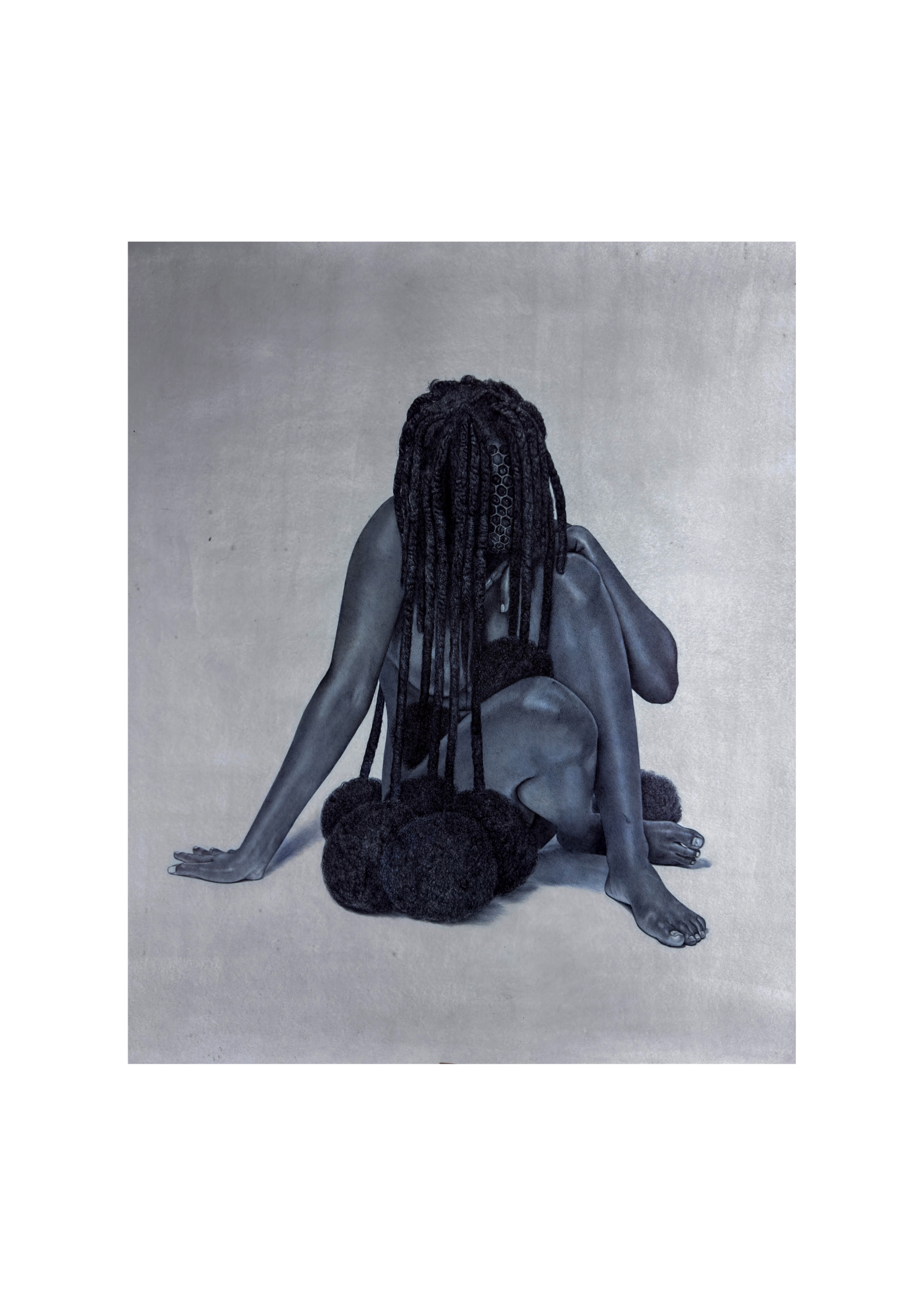
Galactic Crown 1 image
VOTE NOW
Galactic Crown 1
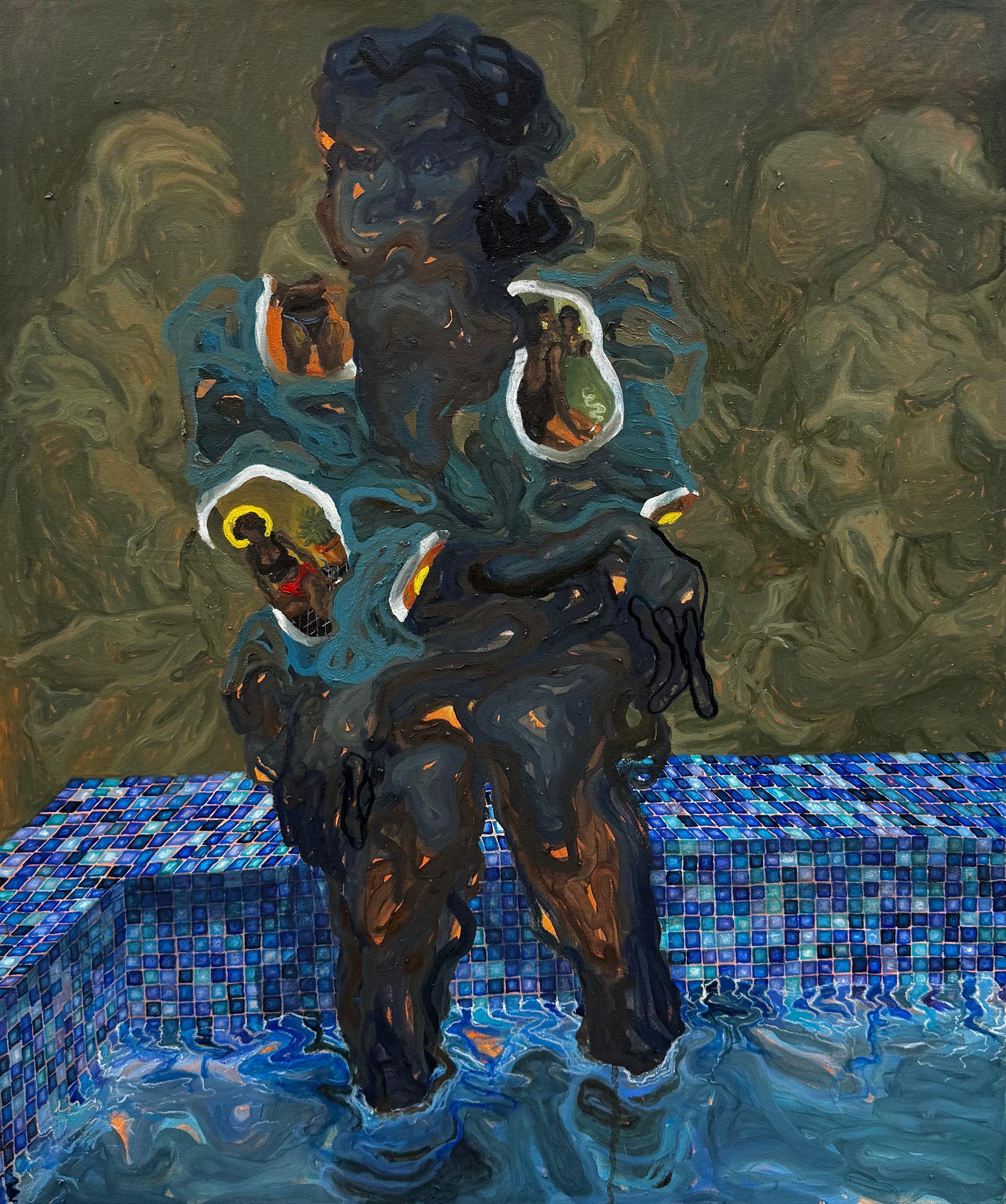
April Kamunde
The Refusal; Keep Your Table. I Want to Rest. image
VOTE NOW
The Refusal; Keep Your Table. I Want to Rest.
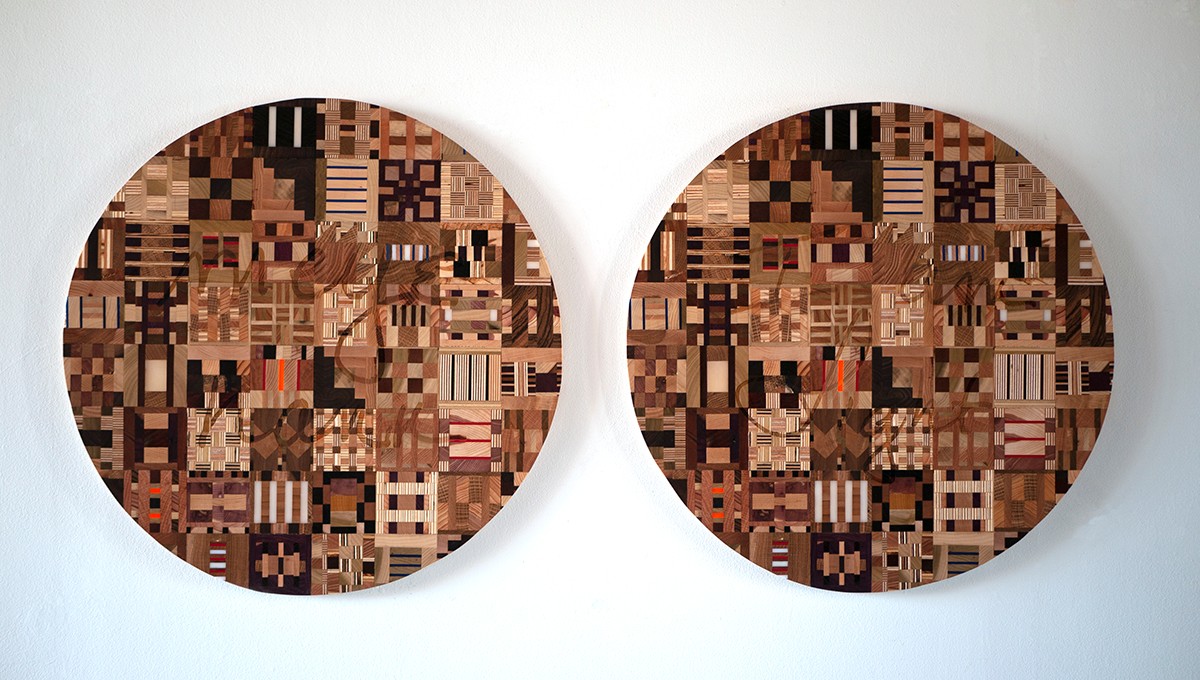
Ato Ribeiro
Meyɛ Hann (I am Light) 2 image
VOTE NOW
Meyɛ Hann (I am Light) 2
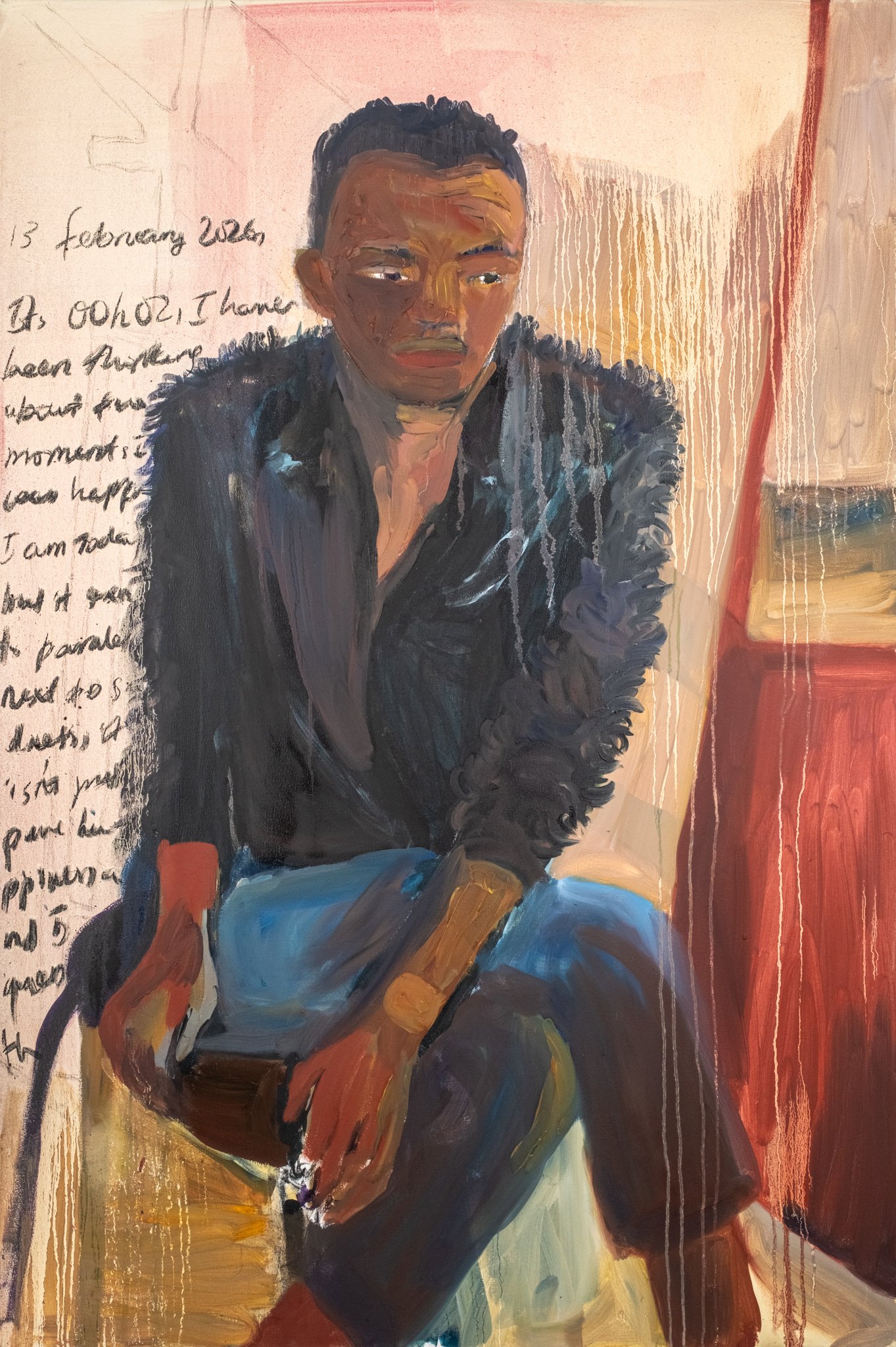
Banele Khoza
13 February: Memories bend reality image
VOTE NOW
13 February: Memories bend reality
Baye Ndiaga
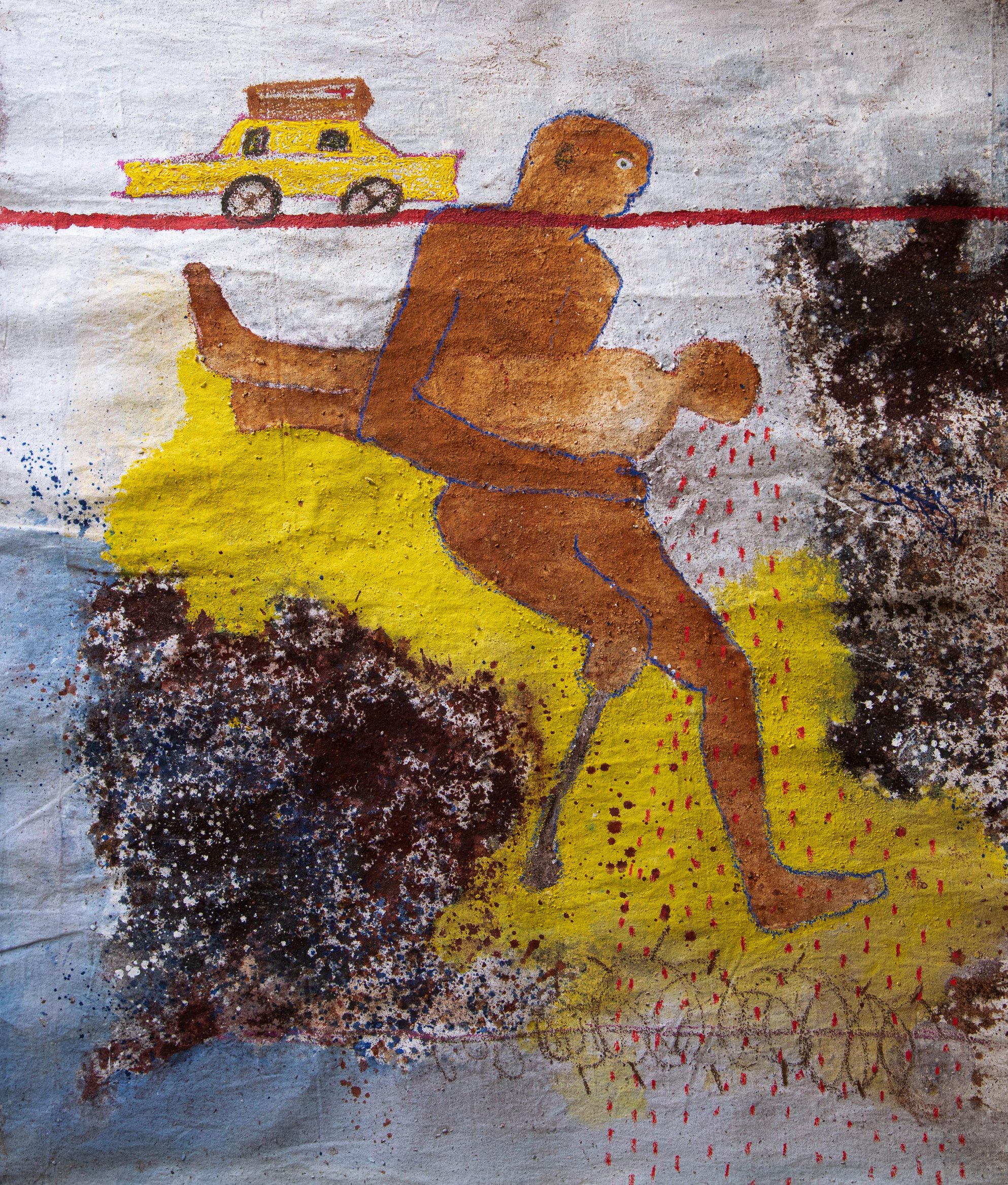
SAUVETAGE (RESCUE) image
VOTE NOW
SAUVETAGE (RESCUE)
Boris Nzebo
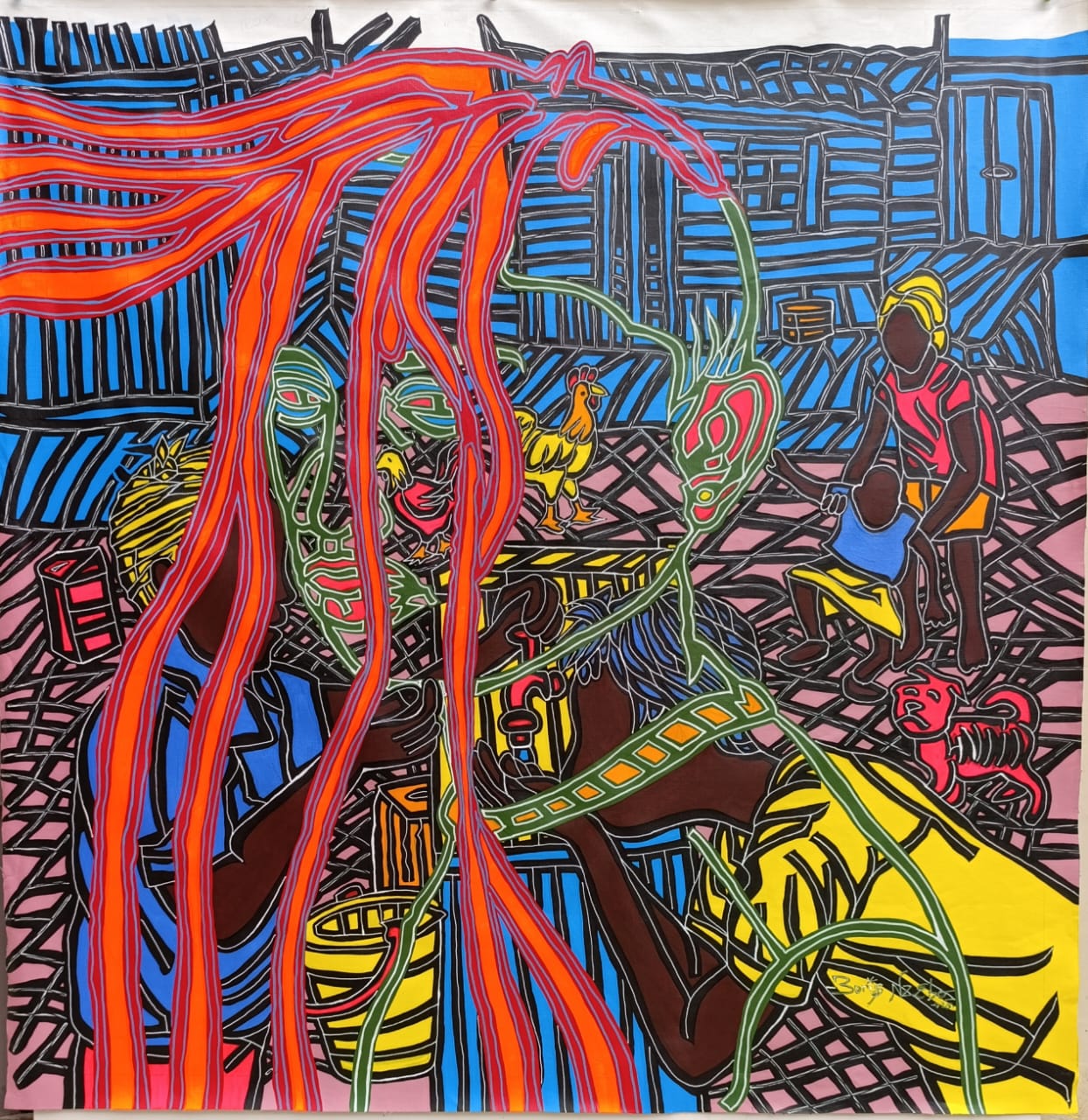
Inside the Kwatta to Find Water image
VOTE NOW
Inside the Kwatta to Find Water
Brett Charles Seiler
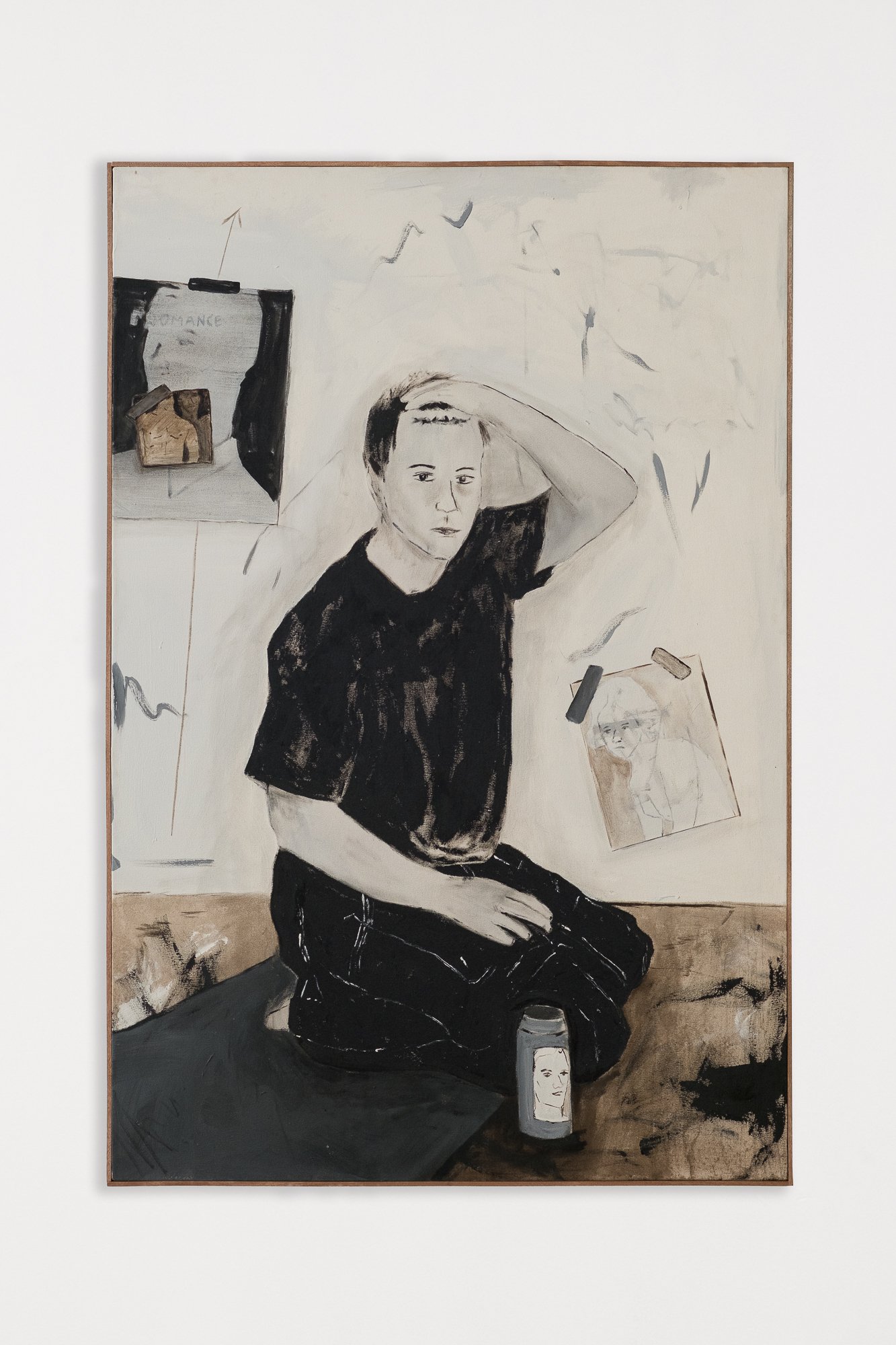
RYAN AND I ARE BOTH MOMMY'S BOYS image
VOTE NOW
RYAN AND I ARE BOTH MOMMY’S BOYS
Charlene Komuntale
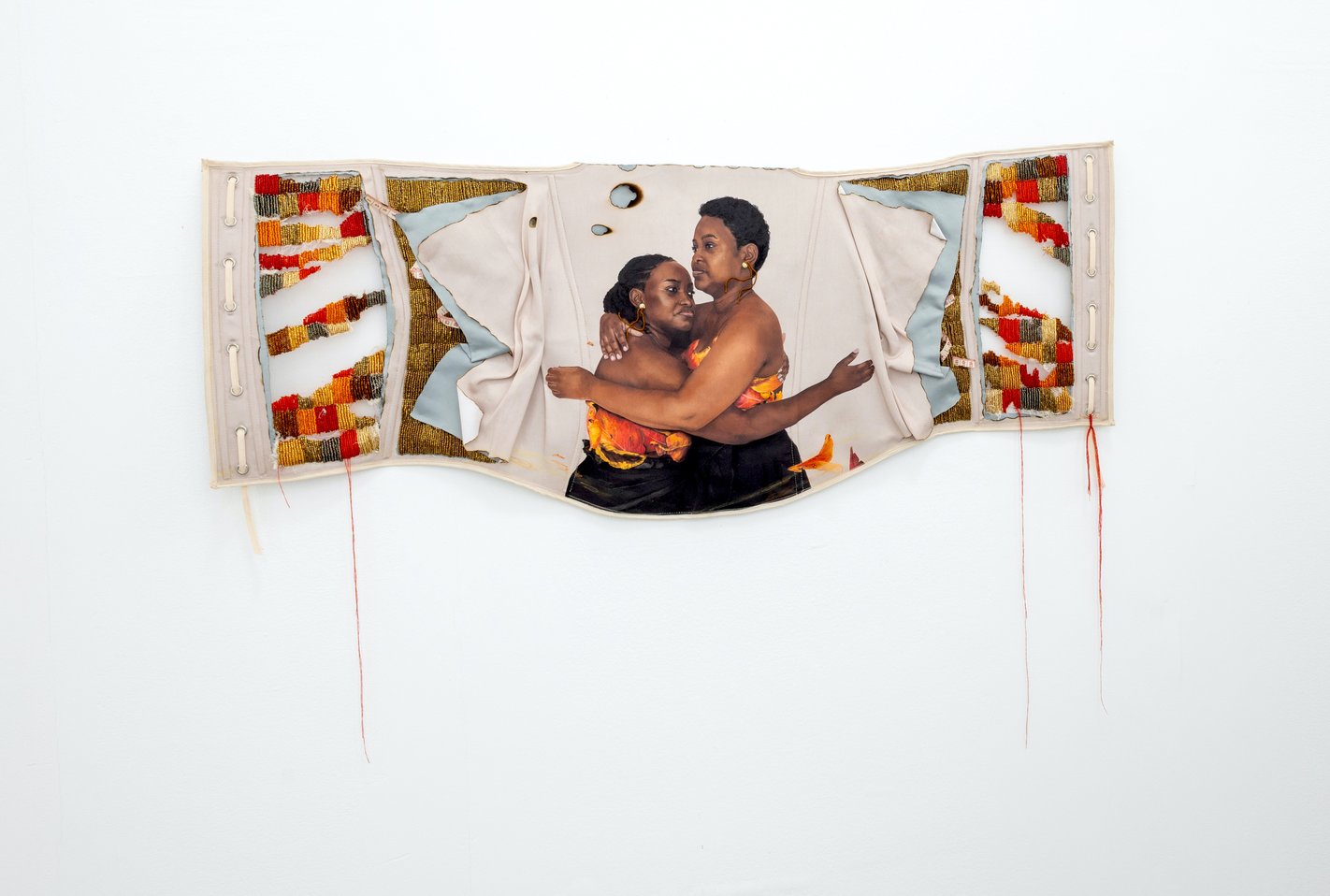
Threads In The Furnace image
VOTE NOW
Threads In The Furnace
Chris Soal
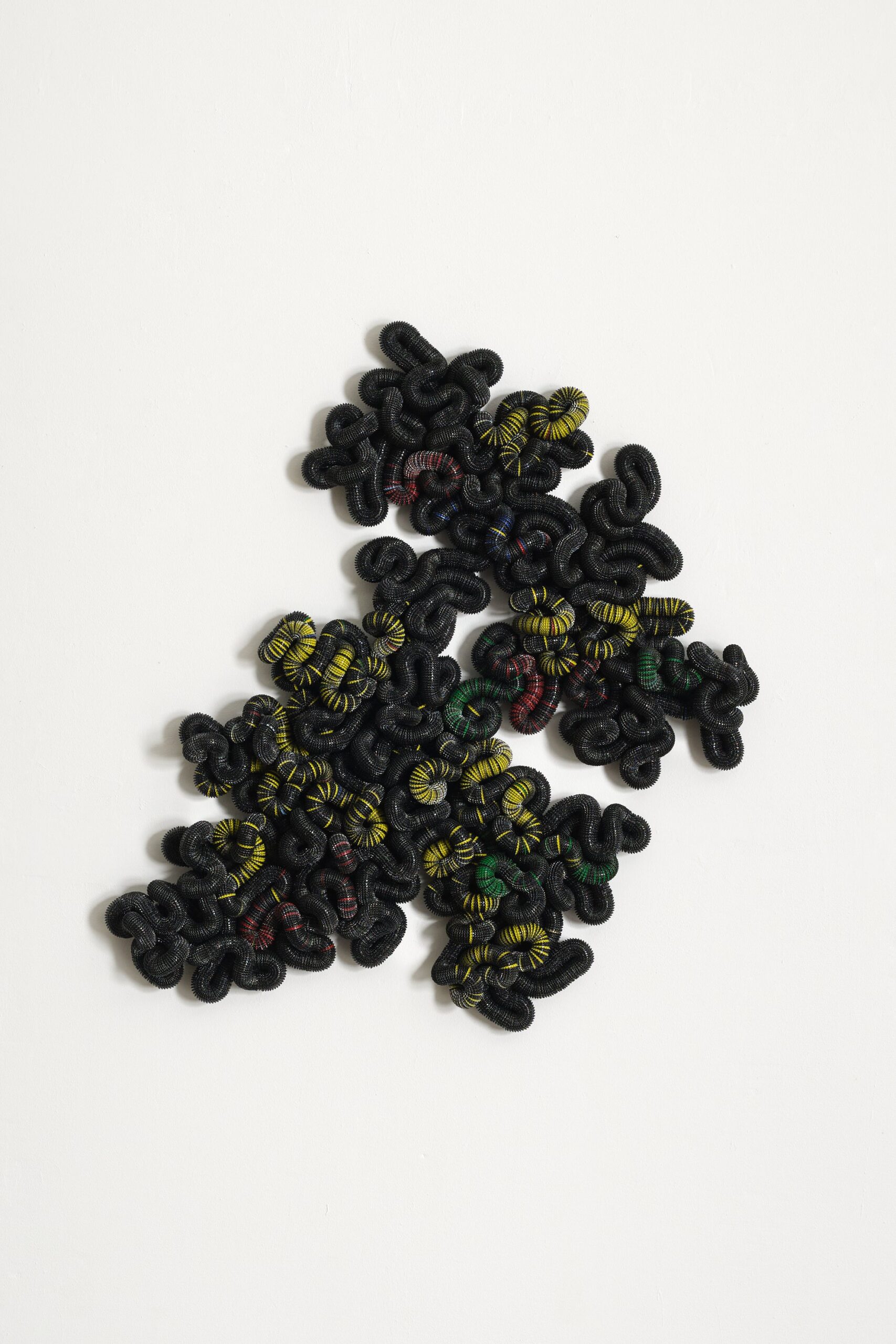
Of glimmer and grime image
VOTE NOW
Of glimmer and grime
Diana Ejaita
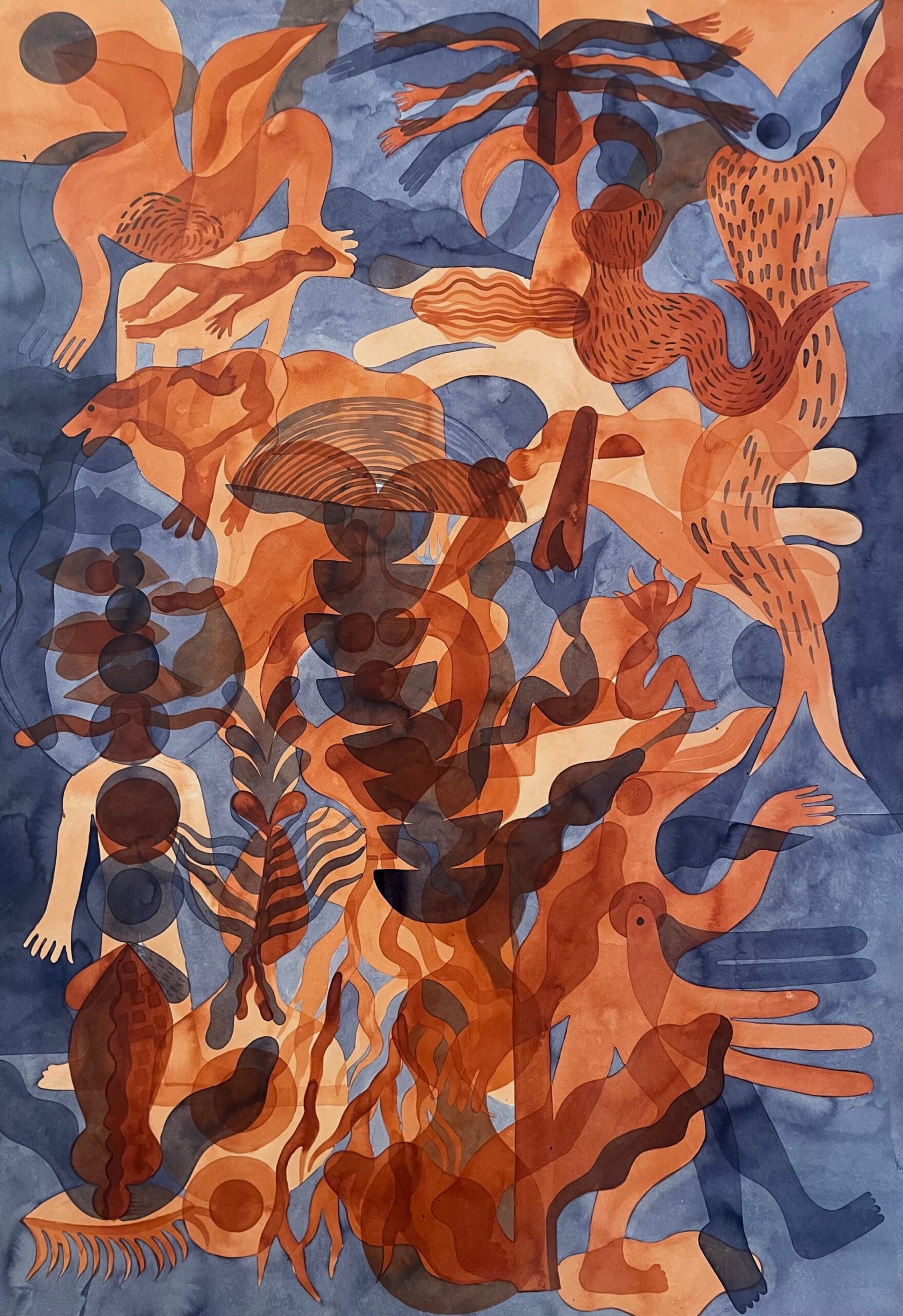
The magical forest image
VOTE NOW
The magical forest
Eric Joe Gayi
The Pull image
VOTE NOW
The Pull
Kaleab Abate
The Guardian Angel image
VOTE NOW
The Guardian Angel
Kwaku Yaro
Ama Bella image
VOTE NOW
Ama Bella
Maku Azu
Wonder image
VOTE NOW
Wonder
Mellaney
What the Land Remembers image
VOTE NOW
What the Land Remembers
Najah Zarbout
chuchotement… des voix me parlent dans la tête… image
VOTE NOW
chuchotement… des voix me parlent dans la tête…
Olamide Ogunade
Sister's Love image
VOTE NOW
Sister’s Love
Rashid Diab
Silent Path image
VOTE NOW
Silent Path
Rita Mawuena Benissan
We Follow the Lead of Our Own image
VOTE NOW
We Follow the Lead of Our Own
Serigne Mbaye Camara
Autrefois et aujourd’hui image
VOTE NOW
Autrefois et aujourd’hui
Sthenjwa
Isthunzi no Dondolo/Shadow & Walking Stick image
VOTE NOW
Isthunzi no Dondolo/Shadow & Walking Stick
Taabu E. Munyoki
Tunadu Nini Huku? image
VOTE NOW
Tunadu Nini Huku?
Talia Ramkilawan
The day you plant the seed is not the day you eat the fruit image
VOTE NOW
The day you plant the seed is not the day you eat the fruit
Tiemar Tegene
Flesh and Blood image
VOTE NOW
Flesh and Blood
Tonia Nneji
A Graziella evening (from the saints of Goodevening street series) image
VOTE NOW
A Graziella evening (from the saints of Goodevening street series)
Usha Seejarim
Blow image
VOTE NOW
Blow
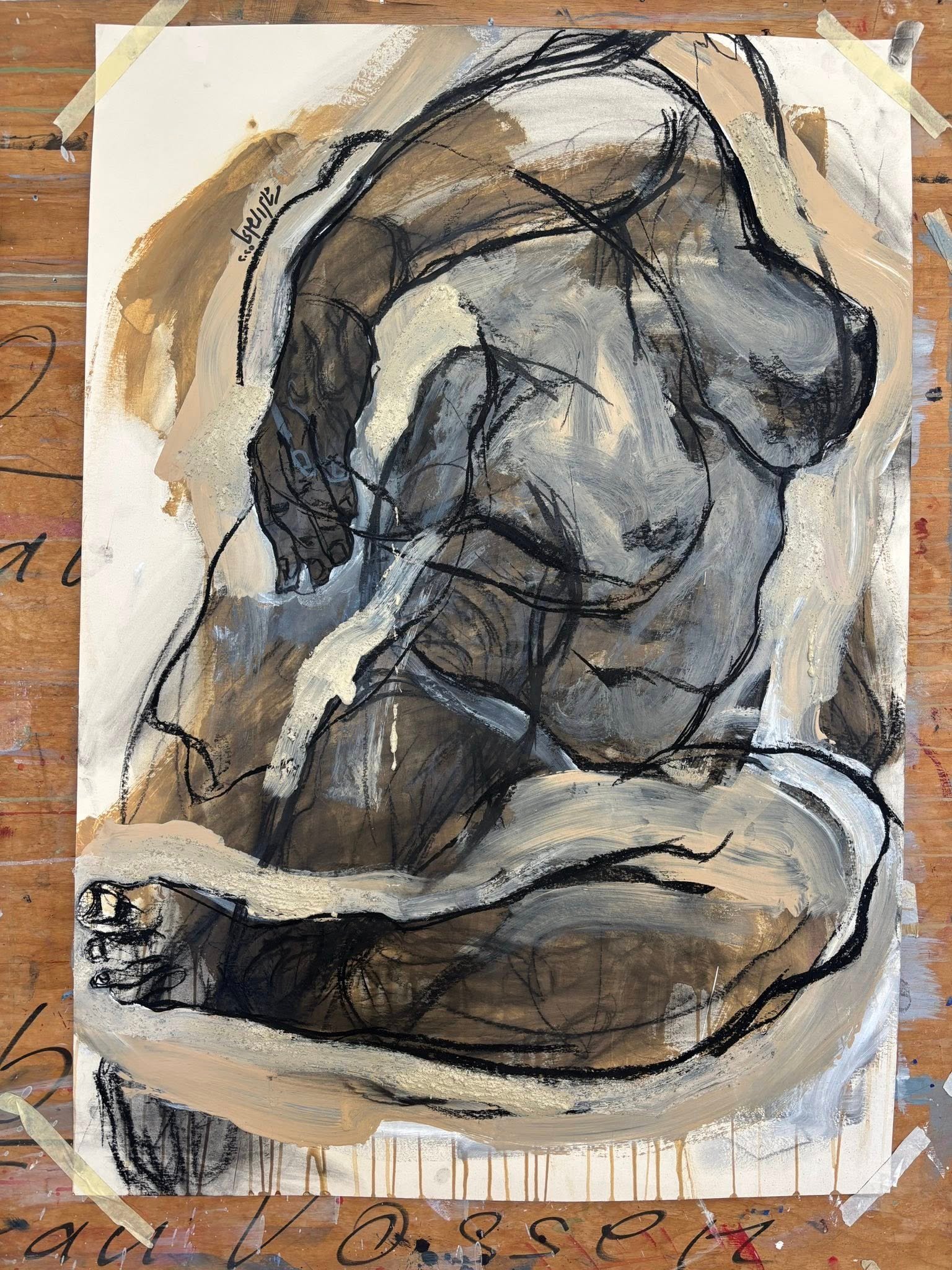
Weaam Elmasry
Echoes of Acceptance image
VOTE NOW
Echoes of Acceptance
Wezile Harmans
Writing towards repair image
VOTE NOW
Writing towards repair
left arrow
right arrow
01 / 29

Amy Rusch

Frequencies of colour from the stillness of rocks image

Amy Rusch

Frequencies of colour from the stillness of rocks
Dimension: 82 x 100cm
Medium: Found plastic bags and thread
Country: South Africa

Amy Rusch’s (b.1990, South Africa) work explores vibrational mark-making, stitching thread into layers of found plastic bags. Connected by motion and soundscape, the layers communicate aural and material aspects of modern culture. The threads attempt to link and comprehend millions of years of stratigraphic time, and the pieces become ‘sound drawings’ or ‘fields of energy’. Bringing disparate timeframes together, Rusch uses archaeological sediments as guiding marks and plastic, adjusting the tension of the machine while stitching to reveal what might otherwise remain obscured, buried in the past, or hidden beneath the surface.

In Frequencies of colour from the stillness of rocks, Rusch reflects on archaeological sites and deep time using materials of the present. Far apart in time but close in proximity, time collapses and levels. In the early morning stillness, she asks how we project our minds back in time to hear what engravings might have sounded like. Stitched into plastic waste, the work becomes a vibrational drawing, linking archaeological marks with the overabundant material of our time. The engravings are now still, but not silent.

Rusch’s solo exhibitions include Fold-lines form the surface of the world, A+B Gallery, Brescia, Italy (2026) and Seeing with a Listening Ear, SMAC Gallery, Stellenbosch (2022). She won The Homo Faber Materiality Prize at the Investec Cape Town Art Fair which included a 1-month fellowship in Venice (2026) and was shortlisted for the ANNA Award (2025). Her writings have been published in Dark Mountain: Book 28, Uncivilised Art and museum replicas featured in the Origins of Early Southern Sapiens Behaviour Exhibition. Rusch is represented by Suburbia Contemporary.


02 / 29

Angèle Etoundi Essamba

Galactic Crown 1 image

Angèle Etoundi Essamba

Galactic Crown 1
Dimension: 100 x 150cm
Medium: Black & white photograph
Edition: Edition 1 of 5 + 3AP
Country: Cameroon/The Netherlands
Nominated by: Howard Bilton

Angèle Etoundi Essamba (b.1962, Cameroon) centres Black women as sovereign subjects, exploring identity within contemporary society. Committed to resisting both Eurocentric beauty ideals and reductive notions of a singular “Black aesthetic”, her practice challenges colonial and stereotypical representations by reclaiming the gaze as a space of affirmation, reciprocity, and choice. Inspired by her African heritage, Essamba’s work sits at the intersection of spirituality, cultural symbolism, and connection to the natural world. Through her lens, she offers a renewed vision of Black femininity grounded in presence, dignity, and freedom. 

Galactic Crown 1 explores light as both shaper and substance, revealing form, essence, and the mystery that emerges when bodies surrender to shadow and illumination. The hairstyle functions as a living architecture, oscillating between ancestral memory and imagined futures. Within these contrasts, something is both revealed and withheld, raw, radiant, and enduring. The work revisits monochrome as a return to the origins of photography: writing with light and engaging its excess, fragility, and persistence. Through the interplay of light and shadow, Essamba creates a space where identity is neither fixed nor fully disclosed, but continually unfolding. 

Essamba’s exhibitions include Présence Africaine, Museum of Modern Art, New York (2025); Cameroon Pavillon, The 59th Venice Biennale, Venice (2022); Art X Lagos Art Fair, Lagos (2022); SMO Contemporary Art, Lagos (2020); emPReINTe(s),Galerie Carole Kvasnevski, Paris (2021); (name of the exhibition), Philadelphia Museum of Art, Philadelphia (2004). She is represented by OOA Gallery (Barcelona), SMO Contemporary (Lagos), Carole Kvasnevski (Paris), Doyle Wham (London) and Chiefs & Spirit (Amsterdam).

03 / 29

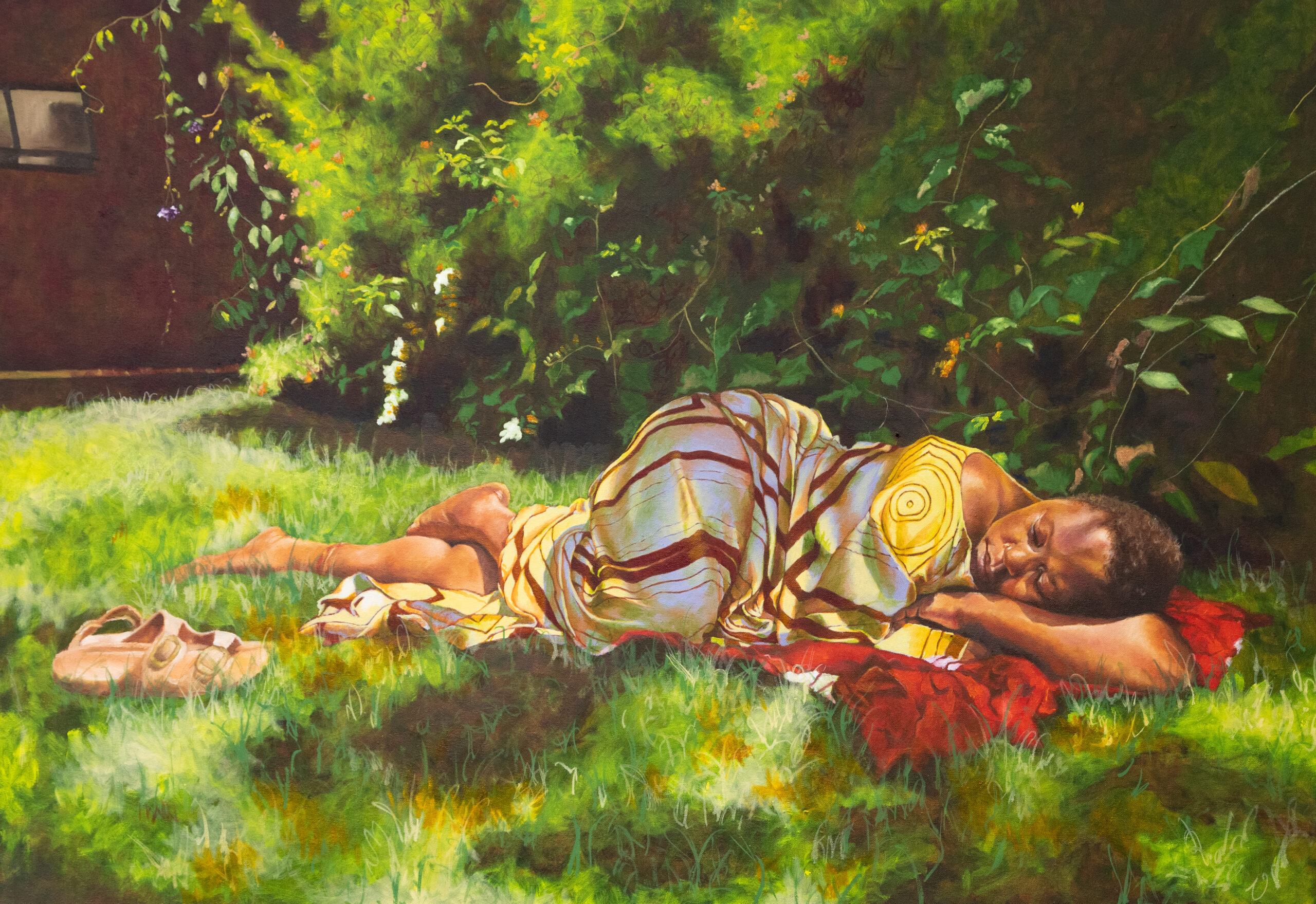
April Kamunde

The Refusal; Keep Your Table. I Want to Rest. image

April Kamunde

The Refusal; Keep Your Table. I Want to Rest.
Dimension: 116 x 80cm
Medium: Oil on canvas
Country: Kenya
Nominated by: Afriart Gallery

Rooted in painting, April Kamunde’s (b.1988, Kenya) work examines the tensions between rest and labour, sensuality and modesty, and broader ideas of respectability and self-presentation. Through conversations with friends, family, and colleagues, alongside newspaper articles and community blogs, Kamunde explores the Dera, a popular Somali-Yemeni dress, as a way of examining the layered and often contradictory realities of womanhood in East Africa.

Continuing this line of enquiry, The Refusal: Keep Your Table. I Want to Rest centres on the Dera, also known as the Dira or Baahti, as a symbol of rest, comfort, and self-preservation. A response to the deep fatigue experienced by herself and many women in her circle, the painting draws on the garment’s cultural and contemporary significance. Originating in Yemen, and arriving in Somalia through trade routes before spreading along the Kenyan coast, the loose-fitting dress allows for ease and movement. For Kamunde, it serves as a “Do Not Disturb” sign, signalling the reclamation of time, energy, and self. The title is inspired by Tricia Hersey’s Rest is Resistance, particularly the assertion: “I don’t want a seat at the table of the oppressor. I want a blanket and a pillow down by the ocean. I want to rest.”

Kamunde’s notable exhibitions include Fabric of Our Being, The African Arts Trust, Nairobi (2025) and Afriart Gallery, Kampala (2025); Investec Cape Town Art Fair (2023 and 2024); Art X Lagos (2023) and 1-54 Art Fair, London (2023). She is represented by Afriart Gallery.

04 / 29

Ato Ribeiro

Meyɛ Hann (I am Light) 2 image

Ato Ribeiro

Meyɛ Hann (I am Light) 2
Dimension: 123 x 63cm
Medium: Repurposed wood, acrylic, HDPE, wood glue
Country: Ghana/USA
Nominated by: Kó Artspace

Ato Ribeiro’s (b.1989, United States) artistic practice seeks to bridge his West African heritage and African American Identity. Through a process of research, he uncovers and honors both shared and neglected histories, articulating a contemporary experience of cultural hybridity. Employing practices of collecting, assembling, and transforming natural and repurposed materials, Ribeiro creates work that invite new points of reference, while preserving layers of African cultural heritage and varying ethnic perspectives. 

Meyɛ Hann (I am Light) 2 serves as a portal between history, language, culture, and the arts. Referencing traditional West African strip-weaving practices and African American quilting traditions, these diptychs reflect the people, personal histories and cultural fabrics that have informed and shaped Ribeiro’s creative practice. Through the use of discarded materials, Ribeiro explores histories of painful separation and the possibility of reconciliation through remembrance. What some may seek to avoid or deem ahistorical, others may recognise as an opportunity for healing, rebuilding and the fostering of optimistic growth.  

Riberio’s exhibitions include Handwork 2026, Renwick Gallery of the Smithsonian Museum of American Art, Washington, D.C. (2026); Labyrinth/Laboratory: Selections from the Cranbrook Collection, Cranbrook Museum of Art, Michigan (2026); America Will Be!, David C. Driskell Center, Maryland (2026); The Presence of Ancestors: Sonya Clark, Angela Ellsworth and Ato Ribeiro, Lisa Sette Gallery, Arizona (2025); Ato Ribeiro: A Life Worth Living, Shumwell Hall, University of Virginia, Virginia (2025). Ribeiro is represented by Lisa Sette Gallery.

05 / 29

Banele Khoza

13 February: Memories bend reality image

Banele Khoza

13 February: Memories bend reality
Dimension: 100 x 150cm
Medium: Oil and charcoal on canvas
Country: South Africa

Banele Khoza’s (b.1994, Eswatini) paintings emerge from a personal history shaped by concealment and self-preservation. Raised in an environment where queerness was met with shame, he learned to occupy the margins using invisibility as protection against exclusion and ridicule. The human form has become central to his process, offering a means through which he navigates the questions of identity, intimacy, and belonging. Working with models, friends, and chosen family, Khoza cultivates encounters grounded in trust and openness, allowing his sitters to inhabit the space on their own terms.  

Initially mapped out in acrylic, 13 February: Memories bend reality began as an observational painting depicting Khoza’s close friend, Vusi Mahlangu. Revisiting the work on 13 February 2026, Khoza reworked the composition in oil, allowing the painting to absorb the emotional atmosphere of his day. No longer solely a portrait but a work shaped by the artist’s own feelings, carrying the weight, introspection, and immediacy of a particular moment in time.  

Khoza’s notable exhibitions include I was always within and without, Goodman Gallery, London (2026); Frieze London, 2025; Banele Khoza & Sejiro Avoseh, Tracey Emin Foundation, Margate (2025); Dear Diary, Kunsthaus Göttingen, Göttingen (2022) and Banele Khoza + LGBTQIA, Zeitz MOCAA, Cape Town (2018). Banele Khoza is represented by Goodman Gallery.  

06 / 29

Baye Ndiaga

SAUVETAGE (RESCUE) image

Baye Ndiaga

SAUVETAGE (RESCUE)
Dimension: 117 x 140cm
Medium: Acrylic, natural pigments, ebony wax, and pastel on canvas
Country: Senegal
Nominated by: Sylvain Sankalé

Baye Ndiaga (b. 1991, Senegal) combines spirituality and activism to explore universal truths. His figures, often depicted in meditative or symbolic postures, reflect a personal journey that transcends cultural and historical contexts. A recurring bird motif serves as a means of exploring humanity’s relationship with the divine, as well as the tension between the sacred and the profane. 

Baye Ndiaga draws inspiration from the power and sacrifice embedded in religious ritual. In SAUVETAGE (RESCUE), he portrays a world in which humanity faces collapse through barbarity and massacres, requiring rescue. At the centre of the composition, a solitary figure moves across a luminous yellow landscape, suspended between motion and uncertainty. The simplified forms, expressive marks, and symbolic elements create a scene that oscillates between earthly reality and spiritual vision.  

As the artist explains, “Spirituality is my guiding principle, and I draw upon diverse traditions to find inspiration that seeks the Universal. I see art as a medicine to cure man of his ills.” Through SAUVETAGE (RESCUE), Ndiaga presents a meditation on human fragility and the possibility of redemption, guided by a belief in art’s power to heal and transform.

07 / 29

Boris Nzebo

Inside the Kwatta to Find Water image

Boris Nzebo

Inside the Kwatta to Find Water
Dimension: 120 x 120cm
Medium: Acrylic and Molotow on canvas
Country: Cameroon
Nominated by: Galerie MAM

Boris Nzebo (b.1979, Gabon) explores identity, self-expression, and urban culture through the language of hairstyling. Inspired by the barber shop signs and advertisements that served as his first artistic references, he uses hairstyles as symbols of urban identity and as a lens through which to reflect on the city and its social realities. Drawing on a range of art historical influences, Nzebo developed Kwatta Art, a style rooted in the evolving culture, language, philosophy, and lived experience of the Kwatt (neighbourhood).  

Inside the Kwatta to Find Water addresses the urgent issue of access to clean drinking water across Africa. Through a figure marked by a troubled gaze, Nzebo draws attention to the realities faced by communities deprived of essential resources and the impact of governance on everyday life. The figure’s elaborate hairstyle, resembling intertwined cables or woven ropes, symbolizes both human interconnectedness and the tensions surrounding water management. Rooted in the visual language of Kwatta Art, the work transforms this symbol of urban identity into a commentary on water access, governance, and inequality.  

Nzebo’s notable exhibitions include The plant that stowed away, Tate Liverpool, Liverpool (2026); When We See Us, Liljevalchs, Stockholm (2025); Witness: Afro Perspectives from the Jorge M. Pérez Collection, El Espacio 23, Miami (2025); When We See Us, Zeitz Mocca, Cape Town (2022); Boris’s Bodies, Galerie Mam, Douala (2019); 1-54 Art Fair, Marrakech (2024) and Cape Town (2026). He won the Jacobs Foundation Prize in 2014 and has been featured in The New York Times Magazine and Le Monde Diplomatique. Boris Nzebo is represented by Galerie MAM. 

08 / 29

Brett Charles Seiler

RYAN AND I ARE BOTH MOMMY'S BOYS image

Brett Charles Seiler

RYAN AND I ARE BOTH MOMMY’S BOYS
Dimension: 152 x 102cm
Medium: Bitumen, roof paint on canvas
Country: Zimbabwe
Nominated by: Heba El Kayal

Brett Charles Seiler (b.1994, Zimbabwe) explores queerness, body image, and otherness through a world-building practice. His experimentation with material, colour, and line has culminated in a distinctive aesthetic through which he navigates an interior world that oscillates between desire and anxiety. His works draw on comedic yet tragic anecdotes, sentimental objects, and aspects of queer history and culture. Together, these elements offer a sensitive reflection on experiences of shame, alienation, anxiety, love, and joy.

In RYAN AND I ARE BOTH MOMMY’S BOYS, Seiler portrays a close friend using bitumen and roof paint on canvas, queering these industrial materials to evoke a sense of fragility and tenderness. The figure appears in a moment of quiet repose, looking directly at the viewer, suspended between confrontation and vulnerability. The work reflects Seiler’s ongoing interest in portraiture – especially of people he knows – as a space for intimacy, care, and connection, while the unconventional materials disrupt traditional expectations of representation, balancing solidity with delicacy.

Seiler’s notable exhibitions include Here: Pride and Belonging in African Art, National Museum of African Art, Washington D.C. (2026); Miettinen Collection: Body Politics, Kuntsi Museum of Modern Art, Vaasa (2026); Wish you were here, The Third, Seoul, (solo 2026); Low Budget Love Story, Museum der Stadt Bensheim, Bensheim (solo 2025); The Armory Show, New York (2026); I would like to say thank you to all my past lovers, A26 Space, Beijing (solo 2024). He is represented by Everard Read in South Africa and the UK and Eigen + Art in Germany.

09 / 29

Charlene Komuntale

Threads In The Furnace image

Charlene Komuntale

Threads In The Furnace
Dimension: 80 x 110cm
Medium: Digital fabric print on cotton, beads, threads, satin, mesh, pastels, measuring tape
Country: Uganda
Nominated by: Afriart Gallery

Charlene Komuntale (b. 1991, Uganda) works across digital media, textiles, embroidery and beadwork, combining these materials to create richly layered compositions. Through her artistic practice, she examines beauty beyond aesthetics, considering it as social currency and a tool of power that shapes visibility, value and recognition. Her ongoing body of work, Threads, explores the question: what governs our understanding of beauty? 

Threads In The Furnace uses the corset as a site of inquiry, drawing on its complex history of shaping women’s bodies and beauty ideals. While often regarded as an instrument of discipline, some garment historians argue that its exaggerated silhouettes enabled women to occupy visual space. Its renewed presence in contemporary fashion brings this history into the present. Rather than resolving the tension between restriction and visibility, Komuntale uses the corset to question inherited ideas about beauty, identity and worth. Two women embrace as they pull at the corset’s surface, exposing what lies beneath. Beads emerge through the rupture, evoking presence, value and the often-unseen labour of adornment and care. The measuring tape references the systems that assess bodies and assign worth. Burn marks suggest transformation, while exposed mesh allows the surrounding environment into the work, reflecting how context shapes our understanding of beauty and ourselves. 

Komuntale’s exhibitions include Investec Cape Town Art Fair (2025); Art Basel Miami Beach (2025); EXPO Chicago (2023); Eastern Voices: Contemporary Art from East Africa, Addis Fine Art, London (2023); and Sit with Me: The Diary of a Free Thinker, Afriart Gallery, Kampala (2023). Charlene Komuntale is represented by Afriart Gallery.

10 / 29

Chris Soal

Of glimmer and grime image

Chris Soal

Of glimmer and grime
Dimension: 117 x 106 x 7cm
Medium: Discarded beer bottle caps threaded onto electric fencing cable, held in polyurethane sealant on board
Country: South Africa

Chris Soal (b.1994, South Africa) transforms everyday materials into works that foreground the body as a site of knowledge and experience. His sculptures engage with spatial awareness and perceptual habits while questioning inherited hierarchies. Using discarded ephemera such as toothpicks and bottle caps alongside concrete, rebar, sandpaper, and industrial materials, he develops the familiar toward the uncanny. Rooted in the social and material realities of Johannesburg, his practice functions as social abstraction. Soal disrupts the binary between nature and culture, allowing inert materials to assume biomorphic qualities and prompting viewers to reconsider their relationship to the contemporary environment. 

Of glimmer and grime emerges from walking the streets of Johannesburg, where beer bottle caps pressed into the tar catch the sun’s rays and flash like flecks of gold. Gathered and threaded, these fragments coil into writhing, intestinal and cerebral forms: the entrails of the city turned outward. The work reflects on the ways value is constructed and discarded, while suggesting how life persists through systems of constraint. In these forms, Soal recognises a metaphor for making itself: the work oscillates between the gut and brain, between intuition and intention. 

Soal has exhibited extensively internationally, including Spillovers: Notes on a Phenomenological Ecology, Museo MAXXI, Rome (2025); Surface Tension, WHATIFTHEWORLD Gallery, Cape Town (2024); Vestige, Eduardo Secci Gallery, Pietrasanta (2024), as well as multiple group shows at the Brooklyn Museum, New York, MACAAL Museum, Fondazione D’ARC, and the Norval Foundation. In 2025, Soal published his monograph, To Sharpen our Senses and Soften our Touch with SKIRA publishing. Chris Soal is represented by WHAT IFTHEWORLD Gallery.

11 / 29

Diana Ejaita

The magical forest image

Diana Ejaita

The magical forest
Dimension: 70 x 100cm
Medium: Blue and sepia ink on paper
Country: Nigeria/ Italy
Nominated by: Kó Artspace

Diana Ejaita is (b. 1985, Italy) explores cultural identity through the conditions of migration, shaped by movement between histories, geographies, and inherited forms. Working across painting, drawing, sculpture, and print-based installation, she draws from West African literature, folklore, and textile traditions, translating these influences into a distinct visual language of layered figures, symbolic forms, and expansive negative space. Central to her practice is the concept of nature morte (still life), expressed through what she calls “visual prayers”: carefully composed assemblages of cultural symbols, motifs, and natural elements that carry memory, meaning, and transformation. 

The magical forest is inspired by the writings of Nigerian author Amos Tutuola, whose pioneering novels draw on Yoruba folklore and oral traditions, inhabiting worlds populated by spirits, supernatural beings, and shape-shifting figures. Blending myth, memory, and fantasy, Tutuola’s narratives move fluidly between the human and spiritual realms, where transformation and migration are constant possibilities. Through the layering of figures and forms, Ejaita depicts stories that remain unfixed, with bodies shifting between worlds and times. The composition evokes a space of continual transformation, reflecting the fluid identities, histories, and narratives that run throughout her practice 

Ejaita’s notable exhibitions include O Quilombismo, Haus der Kulturen der Welt, Berlin (2023); The Unfinished conversation, Museum Ravensburger, Ravensburg (2025); What lies below is another Below, Kunsthalle Recklinghausen, Recklinghausen (2026); 1+3=4, Savvy Contemporary, Berlin (2022). She was awarded the Villa Romana Fellowship in 2023.

12 / 29

Eric Joe Gayi

The Pull image

Eric Joe Gayi

The Pull
Dimension: 42 x 90cm
Medium: Ballpoint pen and acrylic on paper
Country: Uganda
Nominated by: Martha Kazungu

Eric Joe Gayi (b.1997, Uganda) explores Black identity and Afro hair through the lens of heritage, resistance, and personal truth. He examines the tension between self-expression and conformity, questioning how we find our truest selves beyond societal expectations. His figures serve as both literal and symbolic subjects, using colour and form to explore identity, resistance, and liberation. The visual language of Gayi’s practice evolves with each body of work, reflecting shifting relationships with hair, selfhood, and community. 

Gayi explains that his relationship with Afro hair is deeply personal: “I was once denied a job because my hair was perceived as unprofessional.” This experience shaped his commitment to affirming Black identity without apology and informs The Pull, a reflection on the tensions that accompany the decision to grow and keep one’s hair. What begins as an expression of identity becomes a responsibility, carrying both physical and social burdens in the form of questions, assumptions, and expectations. Yet the work is ultimately one of resilience, affirming the strength of holding onto one’s sense of self while reclaiming Black narratives and pride. 

Gayi’s notable exhibitions include Breaking the Norm, Amasaka Gallery, Masaka (2025); Breaking the Norm, Absa L’atelier, Kampala (2024); Blossom, Njabala Foundation, Gayaza (2024); Hair as roots (2019). He won the Absa’s L’Atelier Award in 2023 and was featured in the Art Africa magazine (July 2024 & 2025) and Daily Monitor (April 2024). Gayi is represented by Amasaka gallery.

13 / 29

Kaleab Abate

The Guardian Angel image

Kaleab Abate

The Guardian Angel
Dimension: 100 x 180cm
Medium: Silkscreen print and yarn on fabric
Country: Ethiopia
Nominated by: Afriart Gallery

Kaleab Abate (b.1998, Ethiopia) works across a range of media and techniques, with a focus on printmaking. His intuitive process allows materials, textures, and printmaking patterns to guide each composition. Bodily forms fragment, deform, and overlap into layered structures, some dense, others fragile or translucent, imbued with a distinctive surreal sensibility. Layering functions as both method and metaphor, offering a way to imagine the complex depths of the stories embedded within bodies, objects, and environments.  

The Guardian Angel reflects the turbulence of Addis Ababa, Ethiopia’s rapidly transforming capital. Fragmented figures and surreal forms mirror the dissonance of an urban landscape shaped by accelerated development and cultural rupture, reshaping collective memory, cultural identity, and human connection. Within this discourse, nostalgia emerges not as a retreat into the past, but as a strategy of endurance amid constant change. This inquiry is embodied in Addisalem, a recurring character named after the Amharic word for “new world.” Embodying the spirit of Addis Ababa, Addisalem becomes a figure through whom the artist can question, confide in, and converse with the city, inviting dialogue on memory, change, and survival. 

Karugi has presented work at Art Basel Miami Beach (2025); More Than Meets The Eye, Rele Gallery, London (2024); Form and Fantasy, Afriart Gallery, Kampala (2024); Eastern Voices, Contemporary Artists from east Africa, Addis Fine Art, London (2023); Art on Paper, Brussels (2022). Kaleab Abate is represented by Afriart Gallery.

14 / 29

Kwaku Yaro

Ama Bella image

Kwaku Yaro

Ama Bella
Dimension: 91 x 134cm
Medium: Acrylic, woven nylon, jute sack and burlapon polymer
Country: Ghana
Nominated by: Howard Bilton

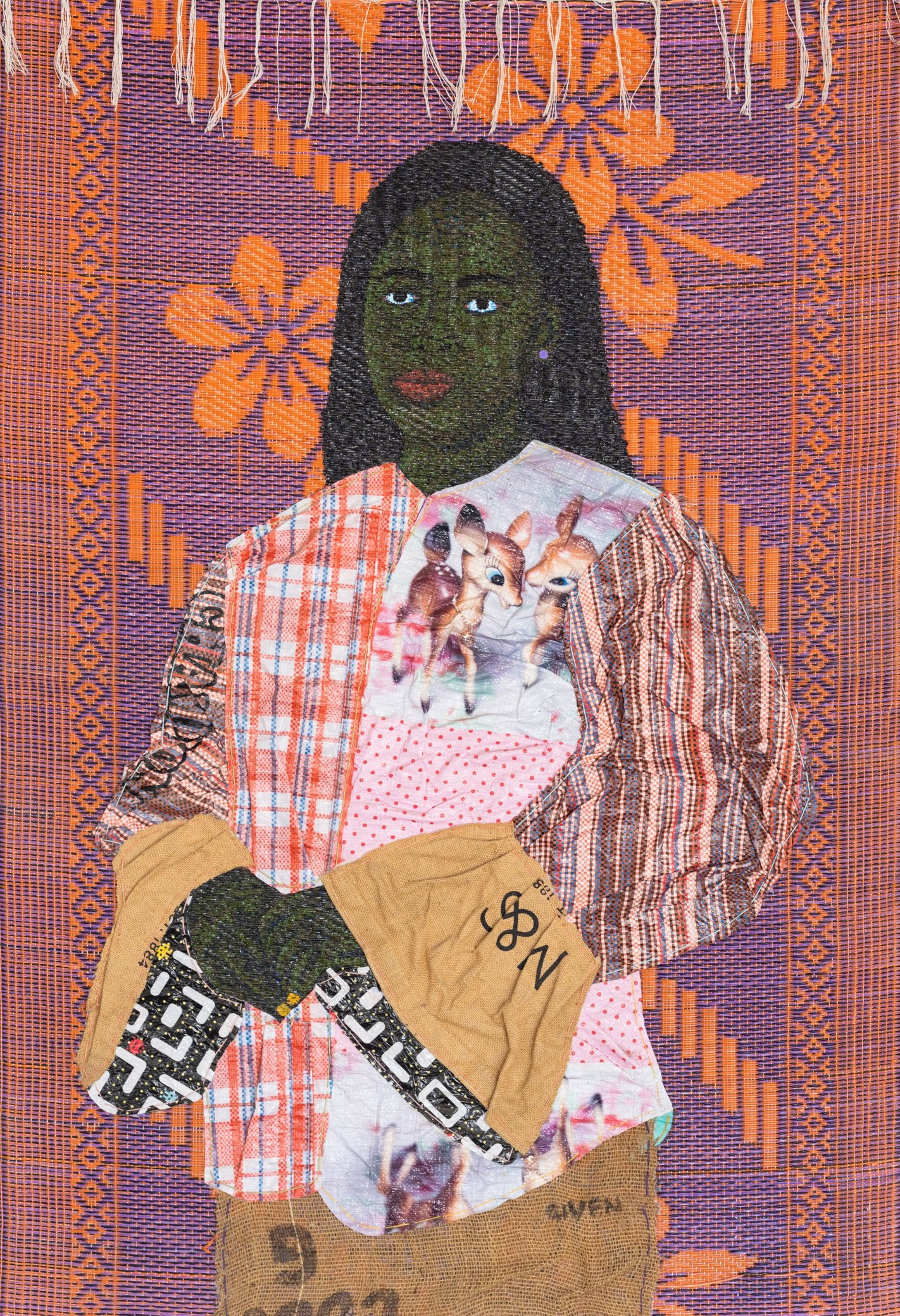
Raised in Labadi, a coastal fishing community, Kwaku Yaro (b.1995, Ghana) draws inspiration from the people who shaped his life. His pointilist technique begins with individual spots of colour that gradually form his subjects, each mark representing a member of his community. His mixed media paintings move beyond conventional expectations of beauty, celebrating diversity of bodies. Through this process, he imagines that these figures remain present in every artwork, following him and his art wherever they go.   

Ama Bella portrays a woman whose resilience and sense of responsibility resonate deeply with the artist’s personal experience. As a single mother and caregiver to her siblings, her story recalls the women who shaped Yaro’s understanding of perseverance and sacrifice, particularly his mother, whose hard work and dedication defined his childhood. Through this portrait, Yaro honours the strength found in everyday acts of care, celebrating those whose labour and sacrifices often go unrecognised. Rendered with warmth and dignity, the figure embodies a quiet determination, reflecting the endurance, love, and selflessness that sustains families and communities across generations.  

Kwaku Yaro’s recent exhibitions include Son of Man, Can These Bones Live?, Gallery 1957, London (2026); Coat of many colors, 70 Square Meters/Pearl Lam Gallery, Shanghai (2025); The Armory Show, Loft Gallery, New York (2025); Untitled Art Fair, Miami (2024) and A Night Out With Lariba And Friends, Septieme Gallery, Benin (2023). Kwaku Yaro is represented by Loft gallery.

15 / 29

Maku Azu

Wonder image

Maku Azu

Wonder
Dimension: 145 x 115cm
Medium: Oil on canvas
Country: Ghana
Nominated by: Massamba Mbaye

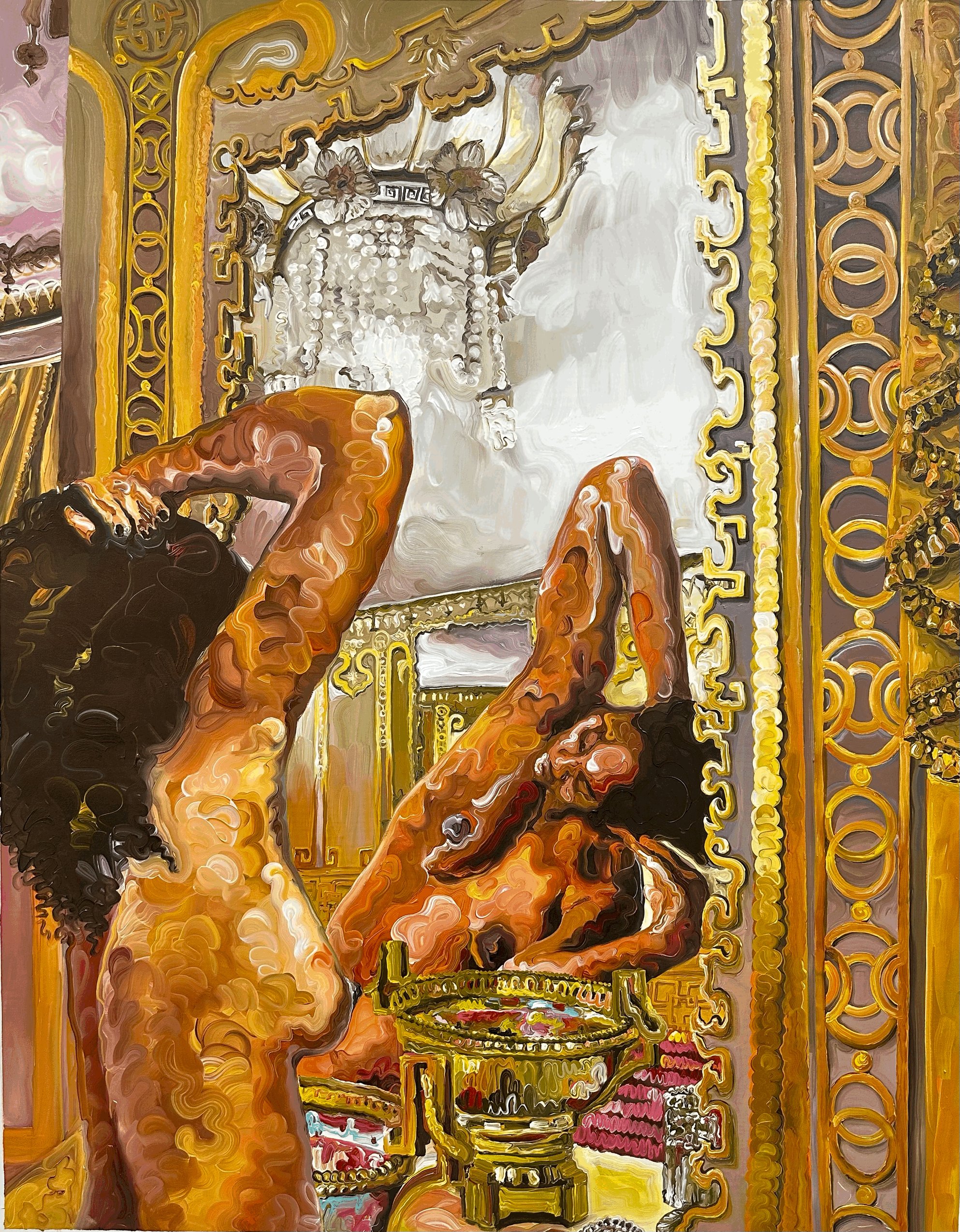
Moving between abstraction and figuration, Maku Azu (b.1986, Ghana) depicts vulnerable female bodies in communion alongside scenes of struggle and dance, and meditations on grief inspired by Ghanaian funeral rites explored during a residency. Azu’s work reflects on the human experience and its inner currents, approaching lived moments as processes of transformation and metamorphosis. A key subject within her compositions, her figures unfold in sensual, kaleidoscopic scenes shaped by interlacing, undulating brushstrokes. 

Wonder depicts a woman in a lavish interior adorned with golden Baroque motifs. Captured in a moment of introspection, she gazes into a mirror. Central to the composition, the mirror functions as an inner portal, opening onto unexplored dimensions of the self. Self-discovery and the acceptance of one’s ambivalences lie at the heart of Azu’s practice. Wonder evokes fascination as well as astonishment at the emergence of unexpected facets of identity. The opulence of the setting heightens this sense of captivation, while suggesting that through introspection we move closer to the most natural layers of being. Through the painting’s fluid, vibrant surface, Azu reflects the ever-evolving nature of identity back to her audience. 

Maku Azu’s notable exhibitions include The World Within, The 60th Venice Biennale, Venice (2024); Rebirth, We Art Partners, Paris (2025); More Than Meets the Eye, Musée Rath, Geneva (2025); Kaleidoscope of Dreams, The Institute Museum of Ghana, Accra (2023); The Becoming, Peres Projects, Berlin (2023). Maku Azu is represented by We Art Partners.

16 / 29

Mellaney

What the Land Remembers image

Mellaney

What the Land Remembers
Dimension: 52 x 52 x 142 cm with sand rim 80cm dia.
Medium: Ceramics, mirror, copper, and red soil wall-mounted tap
Country: South Africa
Nominated by: Berman Contemporary

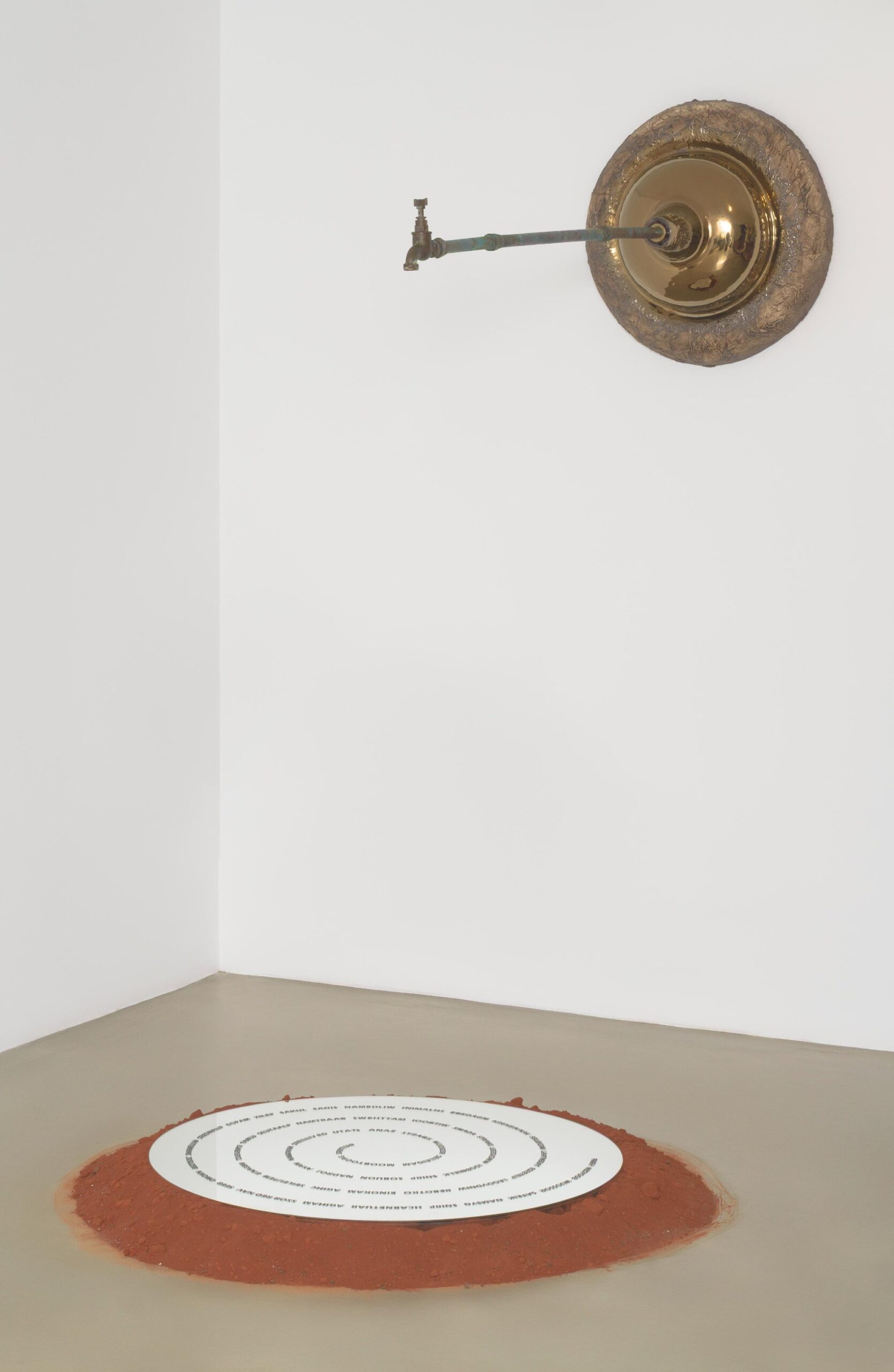
Primarily working with clay, Mellaney (b.1988, South Africa) constructs complex narratives that embody both permanence and fragility. Through her practice, she engages with layers of history embedded in cultures and traditions interconnected with the natural world, exploring a sense of belonging that spans ancestral bloodlines and excavating cultural ties long forgotten. Her work invites viewers to navigate these metaphorical spaces. As Mellaney explains, “Like the blood of the Baviaanskloof, clay shapes my sense of being.” 

What the Land Remembers explores the intersections of identity, memory, land, and lineage. The installation reflects on how identity is forged not only through family relations, but also through history and those who came before. A wall-mounted copper pipe hovers above a spiral inscribed on a mirrored surface with surnames from the Baviaanskloof Coloured community. Beneath the pipe, an encircled area within the mirror is surrounded by blood and soil, the land that holds memory. Here, the absent becomes present, as the mirror functions as both archive and portal. The installation invites viewers to participate in the introspection that accompanies meaningful connections. 

Mellaney’s notable achievements include the Outstanding Visual Artist Award at the 3rd National Arts and Culture Awards (2026); the Investec Art Fair RDC Art Collection Award (2026); the Certificate of Artistic Merit at the Luxembourg Art Prize, La Pinacothèque Museum of Luxembourg (2024, 2025); and being shortlisted for the inaugural Materiality Prize, presented in partnership with the Michelangelo Foundation and Homo Faber (2026). Recent exhibitions include the Investec Cape Town Art Fair, Cape Town (2026). Mellaney is represented by Berman Contemporary.

17 / 29

Najah Zarbout

chuchotement… des voix me parlent dans la tête… image

Najah Zarbout

chuchotement… des voix me parlent dans la tête…
Dimension: 50 x 70cm x 3pcs
Medium: Coloured pencil on paper
Country: Tunisia
Nominated by: Beya Othmani

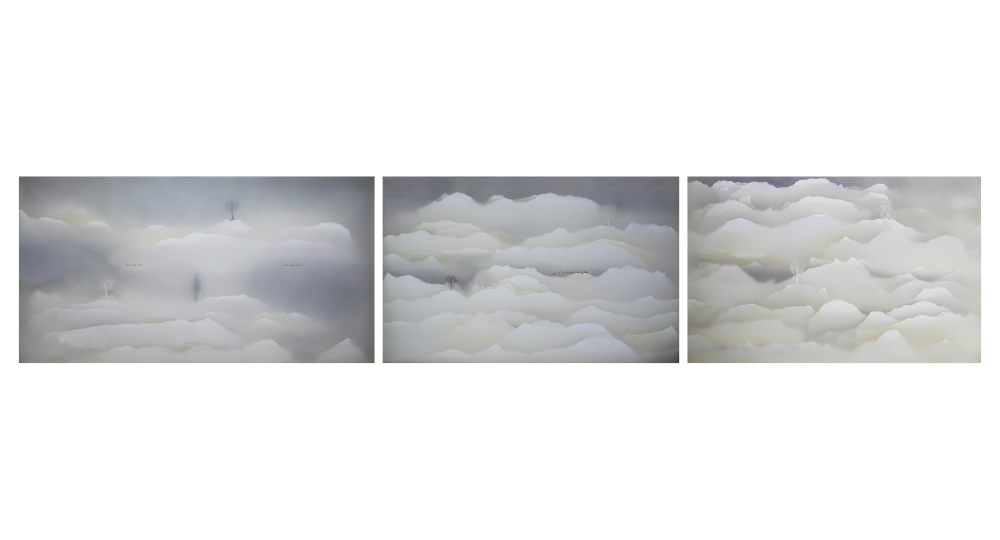
Through the practice of cutting and layering paper, Narjah Zabout (b.1979, Tunisia) materialises states of transition. Each layer, transparency, and empty space becomes a territory for dialogue, where light reveals what is hidden and obscures what was once visible. Her work explores the in-between, inhabiting a space of ambiguity and transformation, where identity is constructed and negotiated. Her manipulation does not seek to separate, but to reveal the richness and tension of what persists between origin and alteration, trace and erasure, memory and loss. It is in this active fragility, within this intermediate space, that resilience finds its truest form. 

In chuchotement… des voix me parlent dans la tête…, torn fragments of paper beneath translucent layers of tracing paper create an impression of depth. A few pieces of text, chosen for their meaning and resonance, emerge from the composition, their ink echoing the tears in the paper. Delicate yet vibrating, the work oscillates between opacity and transparency, inviting the viewer into a space where fragments, memories, and voices emerge only partially, lingering at the threshold of perception.  

Zarbout’s work has been shown at Abu Dhabi Art, Abu Dhabi (2025); Investec Cape Town Art Fair, Cape Town (2024); Hirafen, Talan Expo, Centre Technique du Tapis & du Tissage, Den Den (2023); I Dreamt of being an island, Galerie A.Gorgi, Abu Dhabi (2022); Thanaya: entre plis et chemins, Frac Corsica, Corsica (2021). Najah Zarbout is represented by A.Gorgi. 

18 / 29

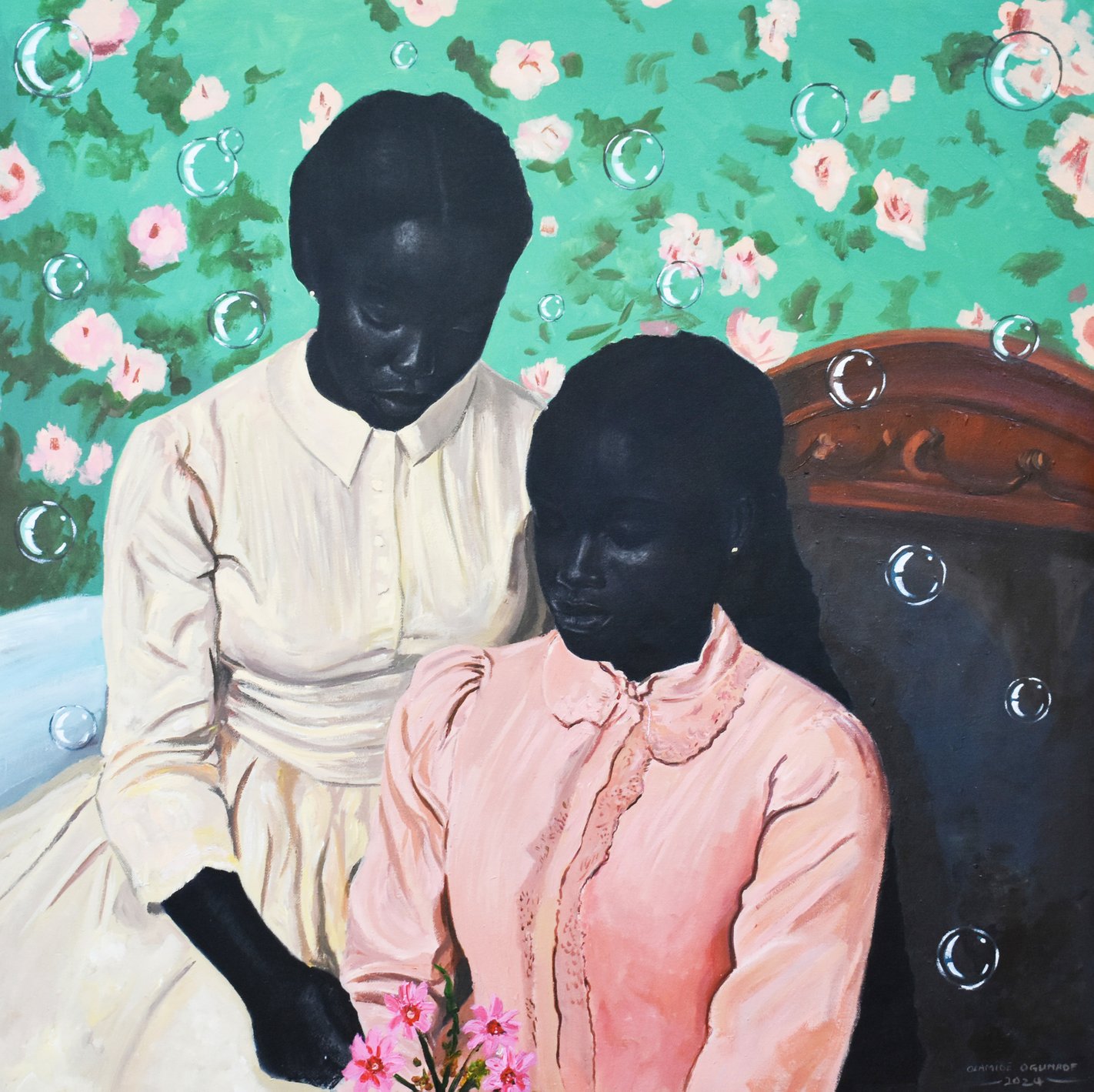
Olamide Ogunade

Sister's Love image

Olamide Ogunade

Sister’s Love
Dimension: 76 x 76cm
Medium: Mixed media (acrylic and charcoal on canvas)
Country: Nigeria
Nominated by: Heidi Erdmann Rasch

Olamide Ogunade’s (b.1996, Nigeria) mixed media works combine distinct African vibrancy with hyperrealism. Interested in exploring themes of fragility and memory, Ogunade’s work explores the complexities of African society and identity, focusing on authentic and sincere depictions of his subjects. His portraits serve as meditations on human volatility and resilience, examining the ways individuals confront adversity and the networks of support, both internal and external, upon which they rely.  

Sister’s Love portrays Ogunade’s exploration of identity, resilience, and the emotional complexity of contemporary African experience. Through a distinctive mixed-media approach that merges hyperrealism with graphic mark-making, he juxtaposes intimacy with monumentalism, grounded in tradition while unmistakably contemporary.  

Attention to detail is fundamental to his practice; his meticulous rendering becomes an act of care, an insistence that Black identities be seen and honoured. He presents his subjects as layered individuals whose identities are continually negotiated and reshaped. Through the careful depiction of these complex, ever-changing subjects,  Ogunade reflects on vulnerability, resilience, and the quiet power of presence. 

Ogunade’s work has exhibited in Echoes of Home, Christopher Moller Gallery, Cape Town (2026); Visions of Home: Lagos to Accra, Omena Gallery, Chicago (2024); The Fragility of Ancestral Times, Heliconiaprojects, Dominican Republic (2024); Volta Base Fair, Basel (2024); Nice Meet You, Bridge Mogura Gallery, Tokyo (2023). He is represented by Christopher Moller Gallery.

19 / 29

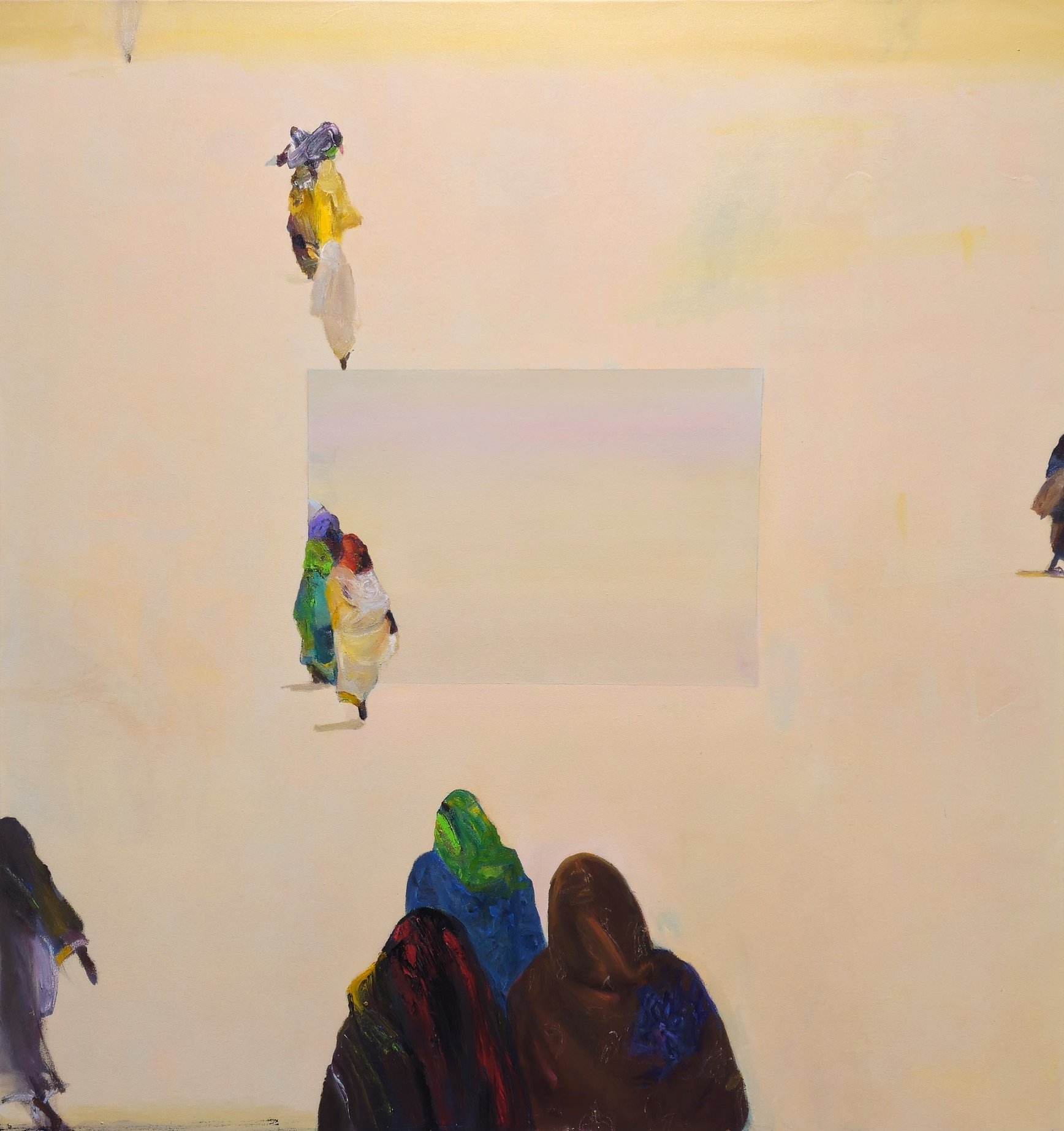
Rashid Diab

Silent Path image

Rashid Diab

Silent Path
Dimension: 120 x 130cm
Medium: Oil on canvas
Country: Sudan
Nominated by: Louisimone Guirandou Gallery

Rashid Diab (b.1957, Sudan)’s work uncovers and processes the violence, displacement, and profound rupture affecting Sudanese society. The current conflict in Sudan has forced millions from their homes and devastated cultural and civic infrastructure. Diab’s own experience includes tremendous loss of physical stability, identity, and community. Following the conflict, he lost his home, artworks, gallery, and art centre, describing it as “45 years of dedication to my people lost in an instant.” 

 Diab’s practice often centres women, as the responsibilities of migration, survival, and care frequently fall into their hands while men are lost to conflict. For Diab, they symbolise both the diversity and unity of Sudan. Their colourful garments, gestures, and presence across vast landscapes reflect resilience and vulnerability. Through composition, colour, light, and movement, Diab reveals this reality while preserving the dignity and humanity of the Sudanese people. 

Silent Path focuses on Sudanese women who sustain life, care for children, and keep families secure. They bear responsibility for migrating across Sudan. The conflicts have left them wandering through the landscape, traversing different realms and times. Dressed in the toub, a garment wrapped around the body, they create distinct silhouettes and impressions. Through these figures, Diab presents Sudan as a nation in movement, conveyed through the beauty of its women and their history. 

Diab’s notable exhibitions include 1-54 Art Fair, Marrakech (2026); MenartFair, Paris (2025); Beyond Silence, Bahrain National Museum, Bahrain (2019). He was awarded the Officers Cross of the Order of Civil Merit by King Juan Carlos I of Spain in 2013. Rashid Diab is represented by LouiSimone Guirandou Gallery. 

20 / 29

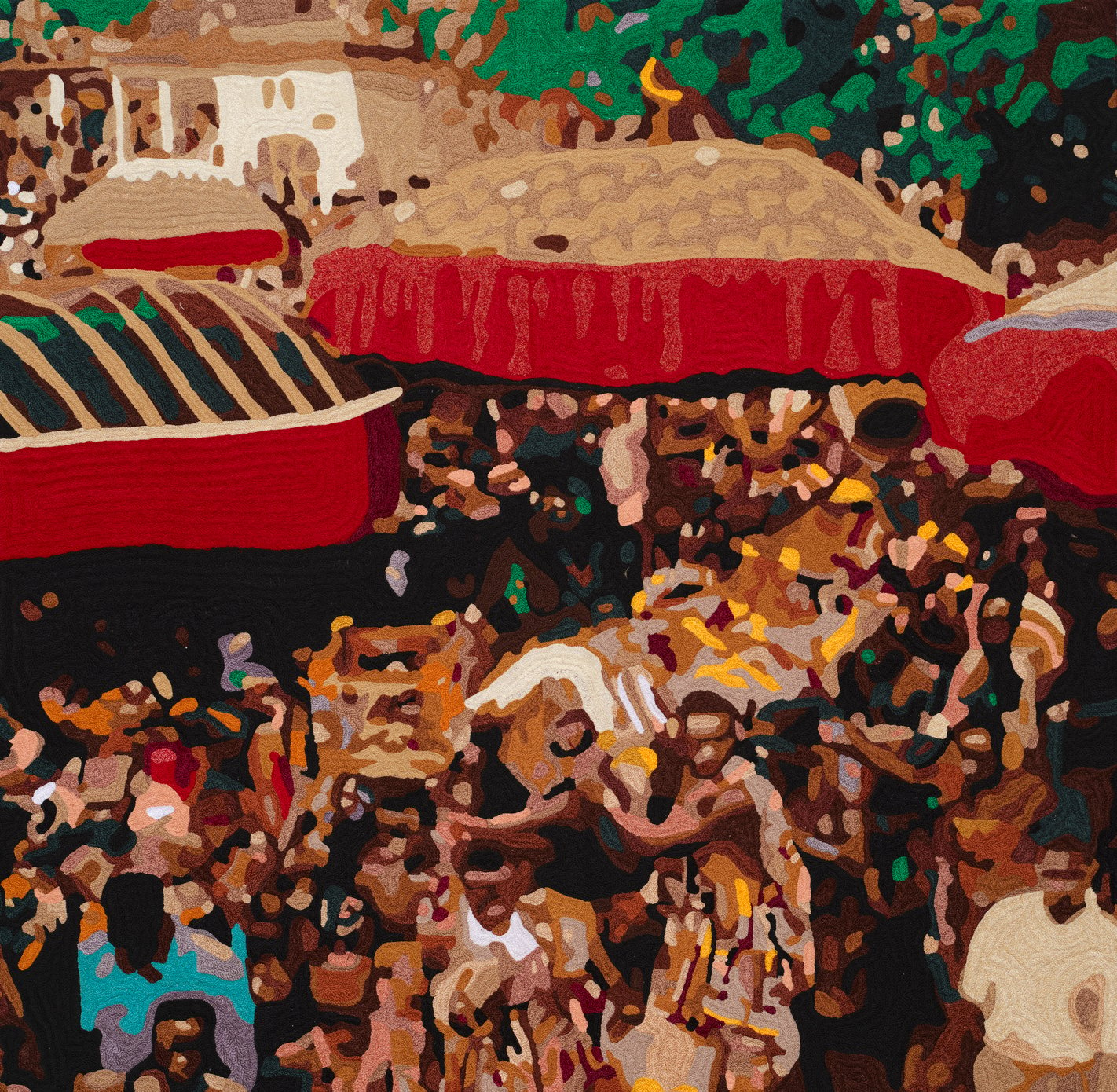
Rita Mawuena Benissan

We Follow the Lead of Our Own image

Rita Mawuena Benissan

We Follow the Lead of Our Own
Dimension: 150 x 148cm
Medium: Embroidery on canvas
Country: Ghana
Nominated by: Sandrine Colard

Based in Accra, Rita Mawuena Benissan’s (b.1995, Cote d’Ivoire) practice, both in the studio and through the Si Hene Foundation, reclaims and reimagines the iconography of chieftaincy, sovereignty, and collective memory. Her work includes resurrecting archival photographs as material for sculpture, installation, photography, film, and embroidered tapestries. Central to this language is the royal umbrella, an architecture of protection and power, which Benissan reinterprets to restore dignity and visibility to the figures and histories it once sheltered. In collaboration with traditional artisans in Kumasi, her work examines how images carry authority and how inherited narratives can be reclaimed. 

We Follow the Lead of Our Own begins with a 1950 photograph of a chieftaincy procession in Accra. Through layered stitching, Benissan and master artisans in Kumasi reinterpret the scene: individual faces dissolve, emphasising rhythm, density, and shared presence over portraiture. By translating the image into textile, the archive shifts from record to monument, restoring agency and sovereignty to the gathering beneath the canopy. 

Benissan’s notable commissions and exhibitions include Atrium Commission, Zeitz Museum of Contemporary Art Africa, Cape Town (2025–2026); The Ones Before Her Were Covered in Gold, Gallery 1957, London (2025); One Must Be Seated, Zeitz Museum of Contemporary Art Africa, Cape Town (2024– 2025); You Must Cross and Seek, Sharjah Biennial (2024); In the World Not of the World, Gallery 1957, Accra (2023). She is represented by Gallery 1957.

21 / 29

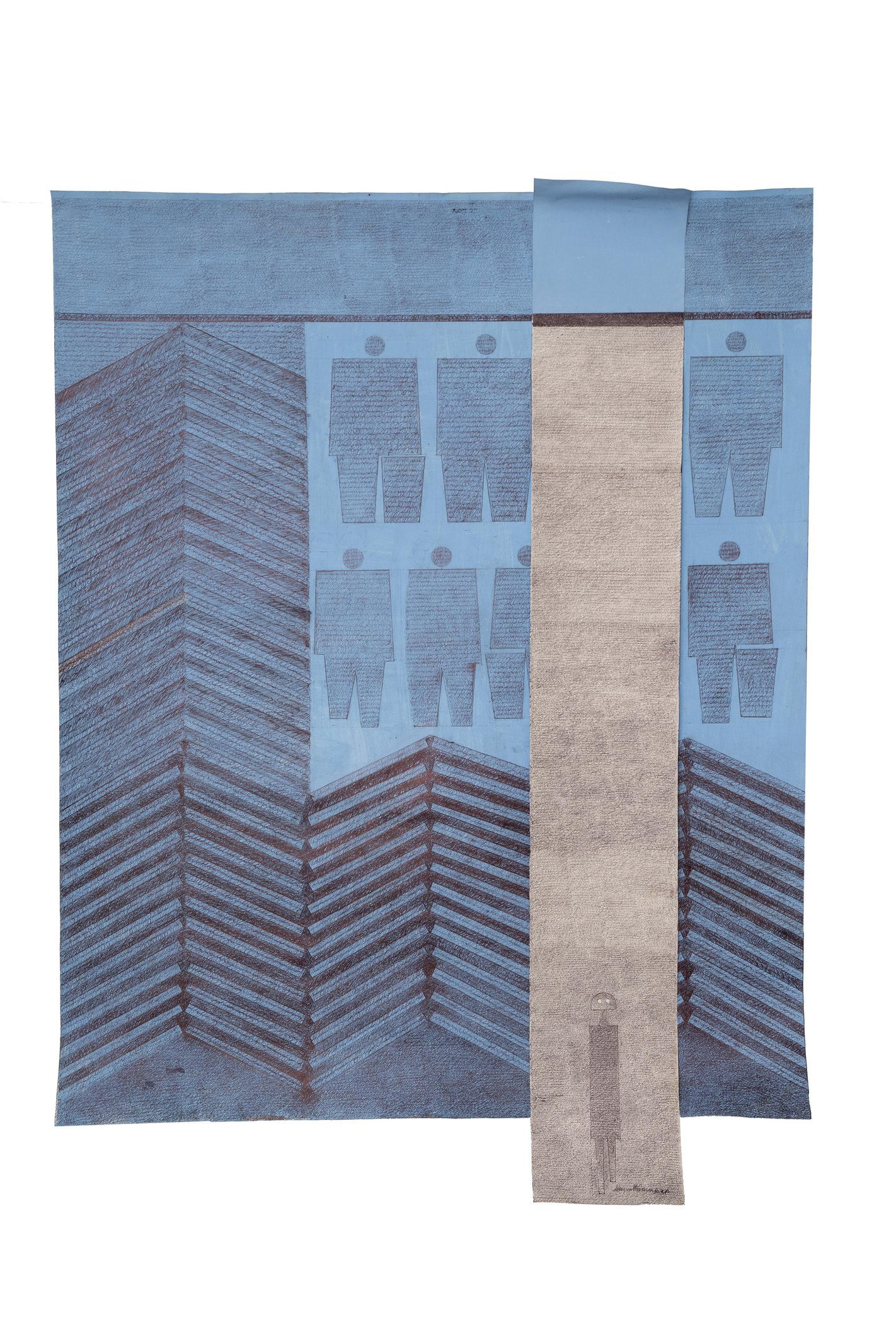
Serigne Mbaye Camara

Autrefois et aujourd’hui image

Serigne Mbaye Camara

Autrefois et aujourd’hui
Dimension: 149 x 120cm
Medium: Acrylic and pencil on paper
Country: Senegal
Nominated by: OH Gallery

Serigne Mabaye Camara’s (b.1948, Senegal) work transforms salvaged materials and everyday objects into symbolic, spiritual forms, exploring memory, matter, and humanity’s relationship with the environment. Working across drawing, sculpture, and installation, he repurposes discarded materials through processes of accumulation, repetition, and transformation. Shaped by international experiences, his practice fosters dialogue and reflection on self and others, while examining how personal and collective histories are carried through material culture and transmitted across generations.

Autrefois et aujourd’hui brings together key elements of Camara’s visual language. The drawing references automatic writing, where repeated gestures structure the surface into a dense network of lines, creating rhythm and movement across the composition. At its centre stands the artist’s recurring figure, a motif that appears throughout his work as both an identity marker and a signature. Here, the figure evokes scarification, connecting individual identity to cultural memory and inherited traditions. Through repetition and layering, Camara constructs a surface that speaks to continuity, transmission, and transformation, inviting reflection on how histories persist, evolve, and remain inscribed in the present.

Camara’s notable exhibitions include White Art Work, lead by Modou Dieng for Blackpuffin, New York (2019); Resonnance, Galerie Atiss Dakar, Dakar (2022); Invited artist at Dak’Art Biennale (2022), Interweaving, Galerie Atiss Dakar, Dakar (2022); Invited artist: DOXANTU Project (2024); Group exhibition, Galerie Atiss Dakar, Dak’Art Biennale OFF, Dakar (2024); FRIEZE Londres 2025 – Solo Show, Galerie Atiss Dakar, Londres, (2025); Group exhibition, Galerie Atiss Dakar, Dak’Art Biennale, Dakar (2026); Invited artist for the Carte Blanche, Dak’Art Biennale, Dakar (2026). Serigne Mabaye Camara is represented by Galerie Atiss Dakar.

22 / 29

Sthenjwa

Isthunzi no Dondolo/Shadow & Walking Stick image

Sthenjwa

Isthunzi no Dondolo/Shadow & Walking Stick
Dimension: 120 x 180cm
Medium: Mixed media (MDF super wood hand carved, paint)
Country: South Africa
Nominated by: Heidi Erdmann Rasch

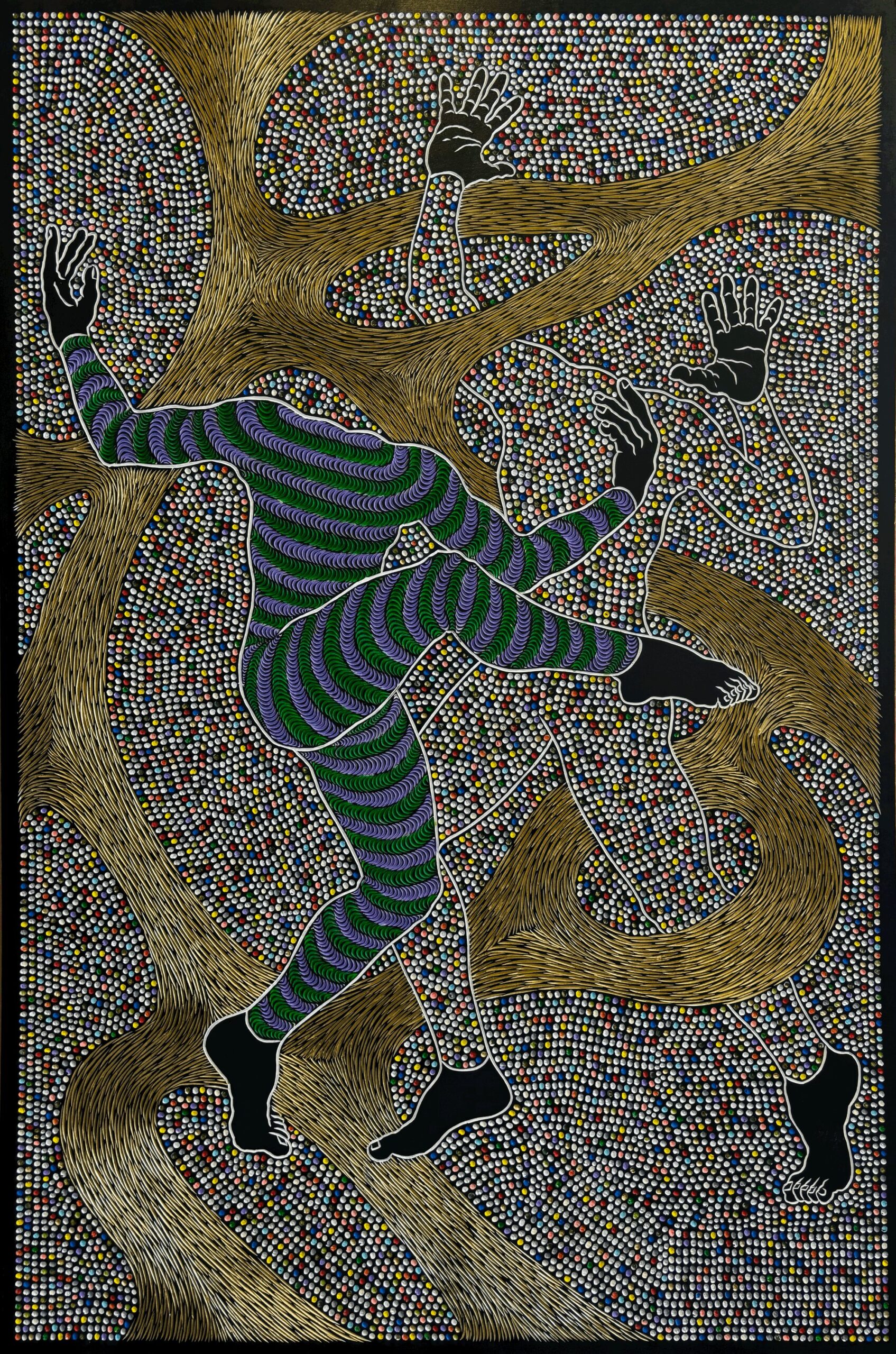
Sithenjwa (b.1991, South Africa)’s practice examines the complexities of living in contemporary South African society, analysing the ways individuals adapt and survive within systems that continue to divide communities along cultural lines. Drawing on both pre-modern and post-modern perspectives, Sithenjwa invites viewers to consider ideas of infinity, resilience, and interconnectedness in the face of adversity. 

In this work, elongated figures emerge and intertwine among branching, organic forms that stretch across the picture plane. Set against a densely patterned field of countless coloured marks, the composition suggests a network of relationships, histories, and shared experiences. The intertwining bodies evoke both struggle and continuity, reflecting the ways people navigate and endure changing social realities. 

For Sithenjwa, the notion of infinity serves as a source of inspiration and perseverance amid life’s challenges. It encourages us to continue forward even when the path ahead appears uncertain. By embracing the idea of the infinite, the artist points to an enduring capacity for resilience, transformation, and collective survival. 

Sithenjwa’s notable exhibitions include Umkhakhu Birthmark, The Norval Foundation, Cape Town (2025); Art Antwerp, Belgium (2024); African Supernova, Kunsthal KAdE Museum, Amersfoort (2023). His recent projects include a mural commission for Westown Square, Durban (2025), and his artwork, ARTIST #15: Dark Side of the Moon was as the label artwork for La Maison & Velier, France (2025). Sthenjwa is represented by WHATIFTHEWORLD Gallery.

23 / 29

Taabu E. Munyoki

Tunadu Nini Huku? image

Taabu E. Munyoki

Tunadu Nini Huku?
Dimension: 120 x 114cm
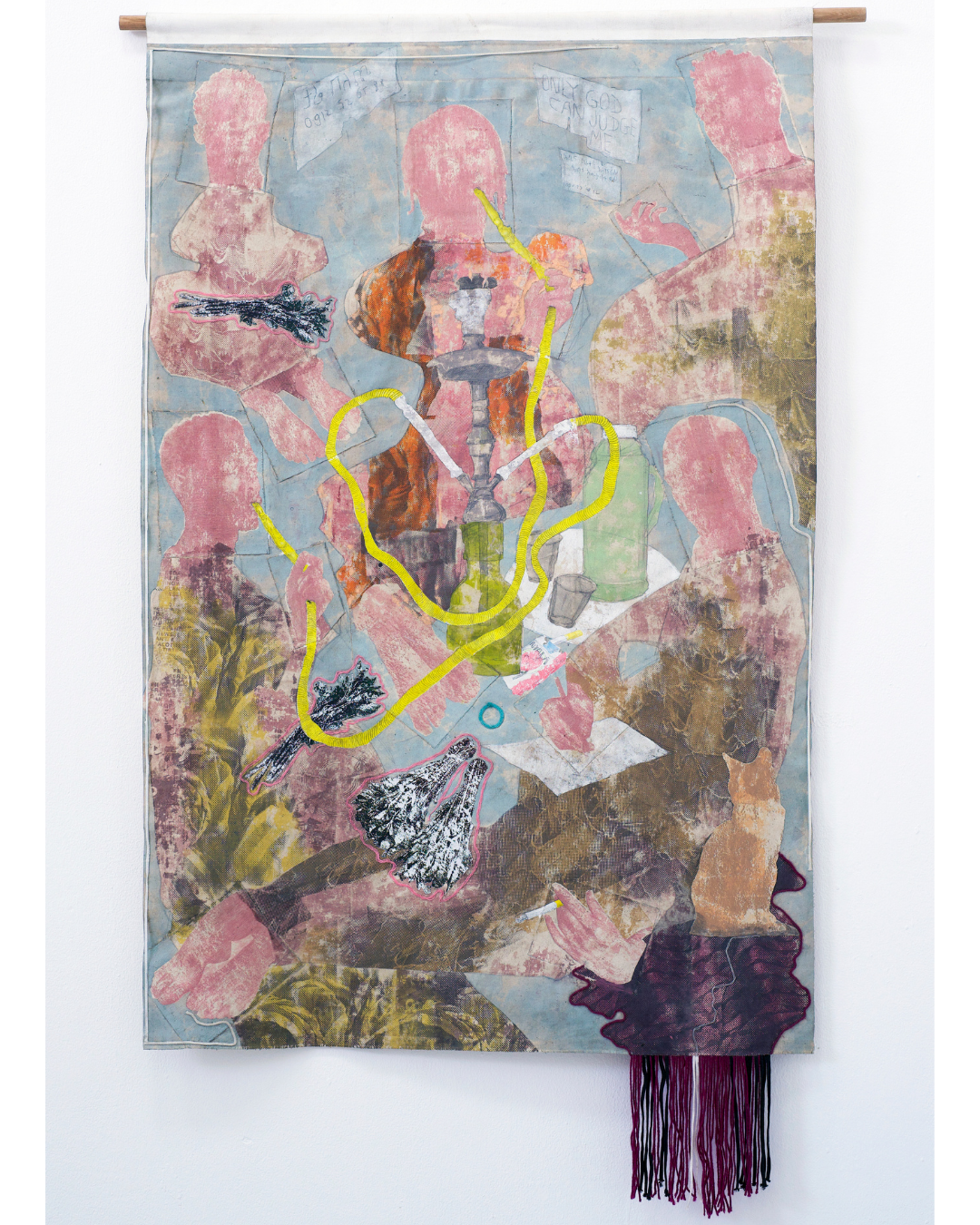
Medium: Acrylic paint, image transfer, spray paint on canvas
Country: Kenya
Nominated by: Thom Ogonga

Taabu E. Munyoki (b. 1995, Kenya) is a multidisciplinary artist who lives and works in Nairobi and is a member of the Seven Artist collective. Characterised by a bold use of colour, her practice combines painting, image transfer, screen printing, acrylic, pastel, and ink to explore themes of identity, gender, and sexuality through lived experiences. 

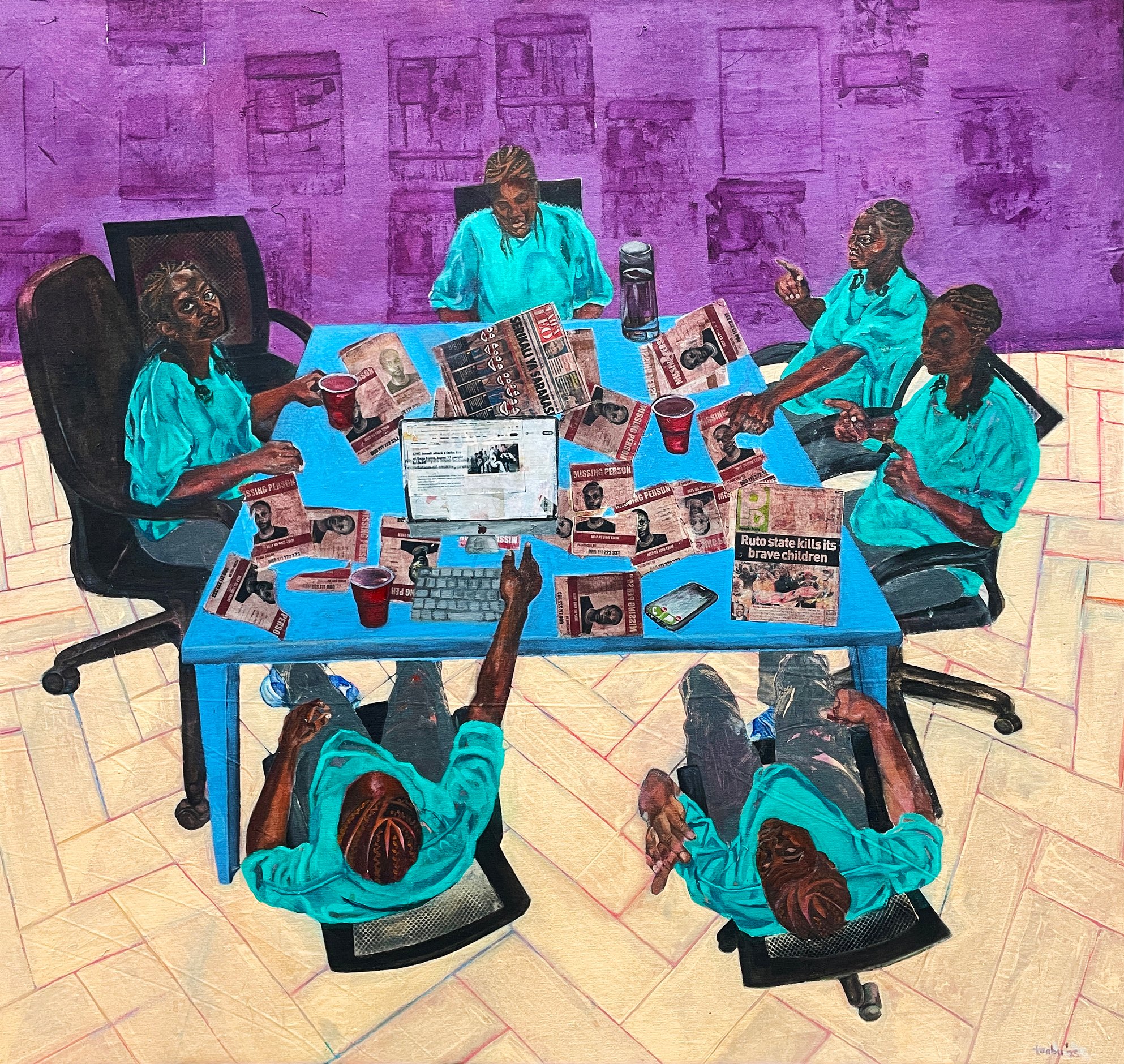
Tunadu Nini Huku? (What Are We Doing Here?) serves as a visual archive of the youth-led anti-finance bill protests that swept across Kenya in 2024, when hundreds of thousands of young people, Munyoki included, took to the streets. Created as a call for hope, strength, and remembrance, the work reflects both the solidarity of the demonstrations and their aftermath. As Munyoki explains, “The bill was eventually rejected in parliament, but the aftermath? Arbitrary arrests, enforced disappearances and state brutality.” 

Inspired by the pride and patriotism of seeing young Kenyans unite for a common cause, Munyoki made this painting as a reminder that there is hope, not only for Kenya but for fellow African countries. Through image transfer, she incorporates images of missing persons while weaving herself into the composition, just as she was woven into the crowd on 25 June 2024. The work stands as a testament to remembrance, solidarity, resilience, and hope.  

Munyoki has exhibited in Notes on Breaking Bread, Nairobi Contemporary Art Institute, Nairobi (2025); More is More, HOF Gallery, Nairobi (2024); Various Small Fires, Circle Art Gallery, Nairobi (2021); Early 21st Century Young African Artists, Saatchi Gallery, London (2018); Wasanii, Kenya Art Fair, Nairobi (2017). She is represented by HOF Gallery Kibera.

24 / 29

Talia Ramkilawan

The day you plant the seed is not the day you eat the fruit image

Talia Ramkilawan

The day you plant the seed is not the day you eat the fruit
Dimension: 89 x 93cm
Medium: Wool on hessian
Country: South Africa

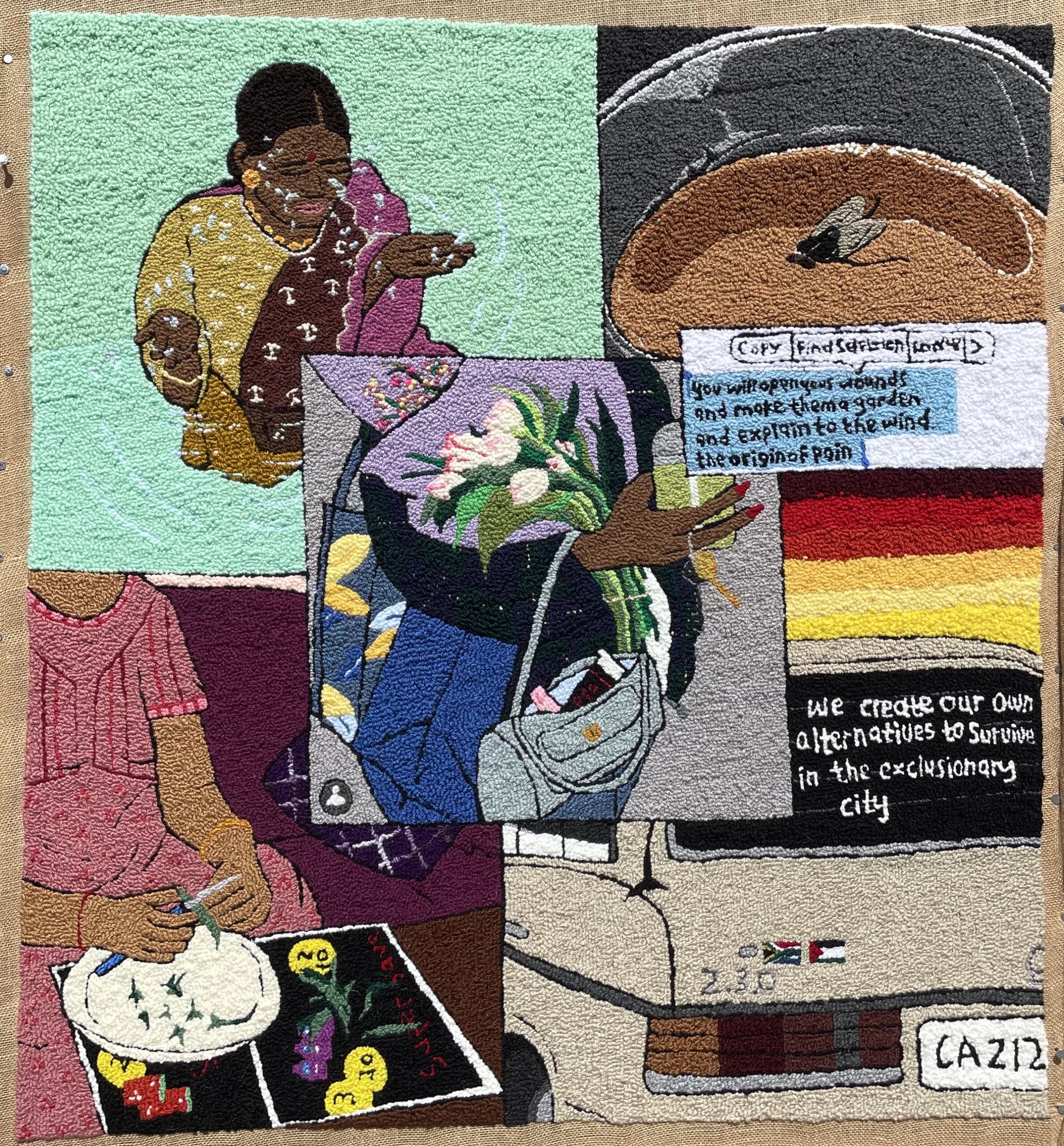
Talia Ramkilawan (b.1996, South Africa)’s work is a meditation on process, emotional repetition, and the imperfect rhythm of healing. Her practice explores themes of grief, detachment, tenderness, and self-reclamation. Rather than offering resolution, she focuses on the persistence of what it means to endure, unravel, and begin again. Woven through the work is an unassuming humour and warmth that tempers vulnerability with levity. Ramkilawan’s practice is not a quest for control, but a soft and deliberate act of tending, an artistic ritual of making and unmaking that holds space for ambiguity, tenderness, and emotional truth. 

The day you plant the seed is not the day you eat the fruit includes scenes familiar to Ramkilawan: her grandmother cutting vegetables on newspaper, a woman washing her face in a river, and a cup of chai left out too long. These scenes speak to everyday rituals of care and survival across generations. Looking at how grief and nostalgia coexist, she likens memory to a garden cultivated through repetition and repair. Cutting, washing, feeding, and tending become ways of holding onto life after loss. The garden is both a metaphor for growth and a living archive of grief and beauty, suggesting that healing is rarely immediate, but emerges through acts of care, repetition, and remembrance. 

Ramkilawan’s notable exhibitions include Here, Smithsonian Institution, Washington, D.C. (2026); Words, Words, Words, Everard Read, Johannesburg (2026); As Natural As, Group Show, AVA Gallery, Cape Town (2025); A Perfect Practice, Everard Read, Johannesburg (2025); Inner Sanctum, Everard Read, Johannesburg (2025). Talia Ramkilawan is represented by Everard Read.

25 / 29

Tiemar Tegene

Flesh and Blood image

Tiemar Tegene

Flesh and Blood
Dimension: 140 x 110cm
Medium: Mono print on canvas
Country: Ethiopia
Nominated by: Circle Art Gallery, Robert Devereaux

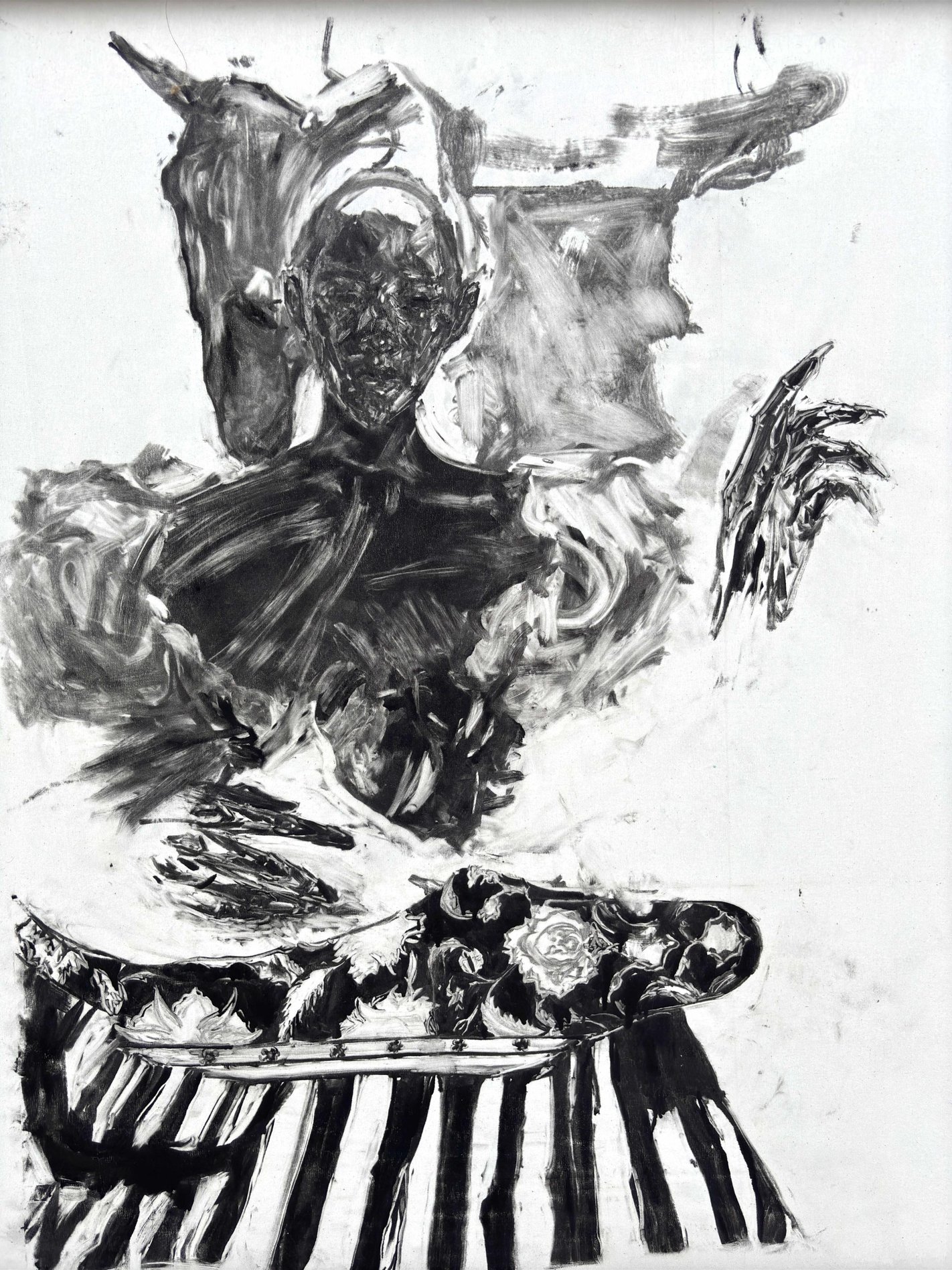
Tiemar Tegene (b.1994, Ethiopia) expands the possibilities of etching through experimental mono-printing, incorporating household textures and spontaneous ink applications to create works in which no two prints are identical. Working in black, white, and the tones between them, she removes the distraction of colour to focus on the expressive power of the human form. Tegene treats emotional attachment as central to her practice. Fascinated by the dualities of the human condition, including isolation and desire, pride and confusion, she uses body language and patterned garments marked by traces of time to capture emotional states. For Tegene, a discarded garment functions as a portrait, carrying the memory of its wearer. 

The Silent Metamorphosis emerges from the artist’s experience of pregnancy and early motherhood, a period of profound transformation she describes as existing beyond the limits of language. Challenging idealised narratives of motherhood, the series examines the silence surrounding its more difficult realities, where feelings of sadness, uncertainty, and loss can be misunderstood as ingratitude. For the artist, the work is a celebration of her son and a space to mourn the woman she once was. Through these works, she navigates the reclamation of a body, mind, and sense of self altered by motherhood, tracing the dismantling and rebuilding of identity. 

Tegene’s exhibitions include Expo Chicago, Chicago (2026); 1-54 Art Fair, London (2023, 2025); Africa Basel, Basel (2025); Mirror Mirror on the Wall Who Is The Darkest of Them All, AKINICI Gallery, Amsterdam (2025) and Investec Art Fair, Cape Town (2024). She is represented by Circle Art Gallery (Nairobi) and AKINCI (Amsterdam).

26 / 29

Tonia Nneji

A Graziella evening (from the saints of Goodevening street series) image

Tonia Nneji

A Graziella evening (from the saints of Goodevening street series)
Dimension: 77 x 92cm
Medium: Oil on canvas
Country: Nigeria
Nominated by: Bérénice Badobré

Through a sustained engagement with bodily forms and textiles, Tonia Nneji (b.1992, Nigeria) highlights cultural and social realities within contemporary African communities. She examines the relationship between trauma and the female body, drawing from firsthand experiences of personal health challenges. Through bold colour and intricate patterning, Nneji confronts cultures of suppression that discount women’s pain, centring care within her work and creating space for open conversation. 

A Graziella Evening (from the Saints of Good Evening Street series) draws on the dual character of Goriola Street. By day, it is a bustling hub of literature and knowledge, but as night falls, the street’s book vendors yield to a different narrative. At dusk, it transforms into Good Evening Street, where women who sell their bodies to survive take over. To call these women “saints” is a radical act of empathy, reframing their struggle from one of moral failure to one of resilience and endurance. By expanding the lens through which we view Good Evening Street, Nneji suggests these women are not outliers but reflections of the community’s most pressing challenges. Moving beyond local stigmas requires a shift in the moral yardstick, one that prioritises human dignity over conformity to traditional norms. 

Notable exhibitions include Améfrica: Diasporic Connections, Centro Andaluz de Arte Contemporáneo, Seville (2025); Le Wax, Musée de l’Homme, Paris (2025) and Art Basel Miami, Miami (2023). She was featured in The New Guard. In Celebration of Black History Month, Harper’s Bazaar US (February 2020) and her work was acquired by Jorge M. Pérez Collection in 2022. She is represented by Rele Gallery. 

27 / 29

Usha Seejarim

Blow image

Usha Seejarim

Blow
Dimension: 51 x 77 x 9cm
Medium: Wooden pegs, wood stain, wire
Country: South Africa
Nominated by: Virginia Mackenny

Usha Seejarim (b.1974, South Africa) works primarily with domestic objects and utilitarian materials, creating ready-made installations that interrogate the intimate architectures shaping women’s lives. By reconfiguring materials that carry the weight of repetition, labour, and inherited expectation, Seejarim questions how the body is disciplined, adorned, concealed, and sometimes undone within domestic and institutional spaces. Forms often resemble yonic apertures or imperfect patterns, speaking to the coexistence of vulnerability and resistance. In monumentalising the mundane, her sculptures become embodied propositions in which there is agency and the potential to reimagine power. 

Blow, made from wooden clothes pegs arranged to simulate textile, loosens along one side, stretching and unravelling as though caught by a current of air. A blow can be violent, but here it is gentle. It is an exhale, a passing breeze, a small displacement that alters everything. Breath becomes sculptural. As the structure stretches, the pattern elongates and distorts. What was uniform becomes directional, and what was flat acquires depth. The work performs a quiet destabilisation, a reminder that even the most disciplined systems can be undone by something as intangible as air. 

Seejarim’s work has been presented internationally, included in Used, Southern Guild New York (2026); Vessel of the Fish, Kunstinstituut Melly, Rotterdam (2020); The Red Hour, Dak’Art: African Contemporary Art Biennale, Dakar (2018); She was the Winner of Tomorrow’s/Today Prize, Investec Cape Town Art Fair (2018) and received the Chancellor’s Dignitas Award, University of Johannesburg (2022). Usha Seejarim is represented by Southern Guild.

28 / 29

Weaam Elmasry

Echoes of Acceptance image

Weaam Elmasry

Echoes of Acceptance
Dimension: 70 x 100cm
Medium: Charcoal and acrylic on paper
Country: Egypt

Weaam Elmasry (b. 1976, Egypt) explores the longing for freedom and self-determination in the face of social expectations and constraints. Drawing on experiences within her native society, she examines the position of women, contemporary relationships, and the tensions that arise when personal identity conflicts with prescribed roles. While rooted in a specific cultural context, her work speaks to universal experiences of vulnerability, belonging, and self-acceptance. 

Working primarily with the human figure, Elmasry uses expressive line, layered surfaces, and fragmented forms to convey psychological and emotional states. In Echoes of Acceptance, a solitary figure folds inward, occupying the composition with both strength and fragility. Built through fluid brushwork and gestural marks, the body appears suspended between concealment and revelation, suggesting the complexities of self-perception and the desire to be accepted as one’s authentic self. Rather than seeking resolution, Elmasry embraces ambiguity, examining how individuals navigate the space between inner truths and external expectations. Through its fragmented yet expressive figure, the work reflects on the struggle to reconcile one’s inner sense of self with the expectations imposed by others. 

Elmasry’s notable exhibitions include CROSSROADS 3.0, Forum Kunst & Architektur, Essen (2026); ART-WHY, Slovak Radio and Television, Bratislava (2026); EDEN LIKE GARDEN preserved for the chosen ones, Luftmuseum, Amberg (2023); The Norval Sovereign African Art Prize Finalists Exhibition, The Norval Foundation, Cape Town (2024); The Egyptian Pavilion, The 59th Venice Biennale, Venice (2022). She is represented by Easel and Camera Gallery.

29 / 29

Wezile Harmans

Writing towards repair image

Wezile Harmans

Writing towards repair
Dimension: 96 x 131cm
Medium: Tea, coffee, and ink on paper
Country: South Africa
Nominated by: Gcotyelwa Mashiqa, WHATIFTHEWORLD Gallery

Wezile Harmans’ (b.1990, South Africa) practice is rooted in research and explores memory and transformation through installation and performance, with a sustained interest in the intersections of art, activism, and social inquiry. Harmans draws attention to the often-overlooked rituals embedded in everyday life, revealing broader systems of connection, care, and collective experience. Central to the practice is the reimagining of how South African communities’ histories and lived experiences are documented, archived, and remembered. 

Writing Towards Repair includes handwritten envelopes bearing the phrase “We regret to inform you”, referencing the emotional and material realities of seeking employment, as well as the stories shared by individuals interviewed during the project’s development. These materials anchor conversations within the broader context of South Africa’s rising unemployment rate. Through stained envelopes and handwritten texts, Harmans traces the personal vulnerabilities created by job insecurity, examining how rejection, uncertainty, and resilience become embedded in everyday experience. 

Harmans’ notable exhibitions include Umdiyadiya: When we remember, Uppsala Art Museum, Uppsala (2024) and Chapter I: Endlovini, WHATIFTHEWORLD Gallery, Cape Town (2024). He was awarded the International Visual and Applied Arts Programme Residency (2024), the Black Rock Senegal Residency (2024), and the Best Visual Art Award (Creative Collection) from the National Institute for the Humanities and Social Sciences for his exhibition, Umdiyadiya (2022). Wezile Harmans is represented by WHATIFTHEWORLD Gallery.

left arrow left arrow hover
Writing towards repair image
right arrow right arrow hover

Thanks for voting!

IMG_0930 (1) Key Dates for 2026 mobile image

Key Dates for 2026

Nomination Deadline

12 December 2025

Entry Deadline

2 March 2026

Shortlist Announcement

September 2026

Finalists Exhibition

November 2026 — February 2027

The Prizes

There are three cash prizes available to shortlisted artists. All shortlisted artists enjoy increased international exposure, top tier media coverage, and the opportunity to exhibit their work publicly in South Africa.

01
Grand Prize image

Grand Prize

Awarded to the artist with the highest score from the judges.

02
FAMM Women's Prize image

FAMM Women’s Prize

Awarded to the highest rated female artist (excluding the Grand Prize Winner)

03
Public Vote Prize image

Public Vote Prize

Awarded to the artist with the most votes from the public (excluding the Grand Prize Winner).

Judges

Azu Henry Nwagbogu image
Azu Henry Nwagbogu
Independent Curator
Azu Henry Nwagbogu image

Azu Henry Nwagbogu

Independent Curator

Azu Nwagbogu is an internationally acclaimed curator, interested in evolving new models of engagement with questions of decolonization, restitution, and repatriation. In his practice, the exhibition becomes an experimental site for reflection, civic engagement, ecology and repatriation – both tangible and symbolic. Nwagbogu is the Founder and Director of African Artists’ Foundation (AAF), a non- profit organisation based in Lagos, Nigeria. He also serves as Founder and Director of LagosPhoto Festival, an annual international arts festival of photography held in Lagos. He is the publisher of Art Base Africa, a virtual space to discover and learn about contemporary art from Africa and its diasporas. In 2021, Nwagbogu was awarded “Curator of Year 2021” by the Royal Photographic Society, UK, and also listed amongst the hundred most influential people in the art world by ArtReview. In 2021, Nwagbogu launched the project “Dig Where You Stand (DWYS) – From Coast to Coast” which offers a new model for institutional building and engagement, with questions of decolonization, restitution and repatriation, the exhibition took place in Ibrahim’s Mahama’s culture hub SCCA in Tamale, Ghana. In 2023, Nwagbogu was appointed “Explorer at Large” by National Geographic Society to serve as an ambassador for the Organization and receive support to continue his storytelling work across Africa and globally, a title bestowed on a select few global change makers. Most recently in 2024, Nwagbogu curated the first ever Benin Pavilion at the 60th edition of the Venice Biennale. Nwagbogu’s primary interest is in reinventing the idea of the museum and its role as a civic space for engagement for society at large.

Janine Gaëlle Dieudji image
Janine Gaëlle Dieudji
Multilocal Curator and Cultural Facilitator
Janine Gaëlle Dieudji image

Janine Gaëlle Dieudji

Multilocal Curator and Cultural Facilitator

Janine Gaëlle Dieudji is a multilocal curator and cultural facilitator living between Paris, Florence, and the world. She conceives and realises initiatives that bring artists, institutions, and communities into dialogue, fostering lasting connections across the cultural landscape. Her professional experience includes exhibitions and projects developed with the Smithsonian National Museum of African Art, MACAAL, the American Academy in Rome, Villa Romana, Alserkal Avenue, the Gallerie degli Uffizi, and Le Murate Art District, among others.

She is the Co-director and Vice President of Black History Month Florence (BHMF) and the Co-founder of The Recovery Plan, a Florence-based cultural center dedicated to cross-cultural research, exchange, and critical inquiry.

Janine has served as a juror for awards and residencies, including the Norval Sovereign African Art Prize, the Civitella Ranieri Fellowship, the Atlantic Fellows for Racial Equity, and the FNB Art Prize, and sits on the Board of the Tyburn Foundation. Her contributions appear in Phaidon’s African Artists: From 1882 to Now and Vitamin C+: Collage in Contemporary Art, as well as in various publications and artists’ monographs.

Riason Naidoo image
Riason Naidoo
Curator, Writer, Researcher and Artist
Riason Naidoo image

Riason Naidoo

Curator, Writer, Researcher and Artist

Riason Naidoo is a curator, writer, researcher and artist. He curated neuf-3, a public art project in the Parisian suburb of Saint-Denis (2021-23); Any Given Sunday in Cape Town (2016); retrospective exhibitions on the work of Cape Town artist Peter Clarke in Dakar, London and Paris (2012-2013); A Portrait of South Africa: George Hallett, Peter Clarke and Gerard Sekoto in Paris (2013) as part of the South African Season in France; the ambitious 1910-2010: From Pierneef to Gugulective—that comprised 580 artworks from 49 collections and reflected on a century of South African art—at the South African National Gallery (2010); The Indian in Drum magazine in the 1950s shown across South Africa (2006-2011); 7 exhibitions on the work of Durban photographer Ranjith Kally in Johannesburg, Durban, Cape Town, Bamako, Barcelona, Vienna and Reunion Island (2004-2011). In 2002 he worked with French activist artist Ernest Pignon-Ernest on ‘Soweto-Warwick’—a public art project that took place in Durban and Johannesburg. He was co-curator of the 10th edition of the Dak’art biennale in Senegal, and he curated exhibitions at the 2005 and 2019 Rencontres Africaines de la Photographie in Mali.

Naidoo directed the South African National Gallery (2009-2015); directed the ‘South Africa-Mali Project: Timbuktu Manuscripts’ (2003-2009); managed artistic projects for the French Institute of South Africa (2001-2003); lectured in drawing and painting at the University of the Witwatersrand (1999-2000); managed the art education programme at the Durban Art Gallery (1996-1999).

In 2016 the French Ministry of Culture decorated him with the title of Chevalier de l’Ordre des Arts et des Lettres (Knight of the Order of Arts and Letters). Living in Paris for 5 years from 2018-2023, Naidoo was curator and writer in residence at the Cité Internationale des Arts (2018-2020). He was a research fellow at the Institut National d’Histoire de l’Art (INHA) in 2020-21. Following this INHA invited him to convene a conference, that he titled Pioneers of Contemporary African Art, for which he invited 22 experts from 10 countries to Paris in 2022. Naidoo has published widely on modern and contemporary South African and African art.

Richard Mudariki image
Richard Mudariki
Founder of artHARARE
Richard Mudariki image

Richard Mudariki

Founder of artHARARE

Richard Mudariki is a Zimbabwean-born artist and cultural producer based between Cape Town and Harare. A painter with over two decades of practice, his work engages with contemporary African life, politics, and identity through a distinctly narrative and satirical visual language. His paintings are held in major private and public collections internationally and have been exhibited at leading art fairs and institutions including 1-54 London and New York, AKAA Paris, Investec Cape Town Art Fair, and the National Gallery of Zimbabwe.

Beyond his studio practice, Mudariki is the founder of artHARARE, a contemporary art gallery and project space dedicated to showcasing modern and contemporary art from Zimbabwe and its diaspora. He is also the founding director of the Cape Town Studio Museum, an artist residency and research initiative fostering cross-cultural exchange across the continent.

Through these platforms, Mudariki has become a key advocate for the visibility of African artists globally, curating exhibitions, initiating residency exchanges, and developing projects that bridge art, design, and cultural entrepreneurship. His work as both artist and producer reflects his belief in the transformative power of creativity and the philosophy of Ubuntu.

Same Mdluli image
Same Mdluli
Artist, Art Historian, Curator, and Writer
Same Mdluli image

Same Mdluli

Artist, Art Historian, Curator, and Writer

b. 1983, Botswana

Same Mdluli is an artist, art historian, curator, and writer living in Johannesburg. She holds a PhD in Art History, MA in Arts and Culture Management from Wits University and a B-Tech degree in Fine Arts (cum laude) from the University of Johannesburg. Professionally she has worked as an assistant and administrator for artists and both private and public cultural institutions such as Goodman Gallery (both Cape Town and Johannesburg) and Wits Art Museum. She has also taught arts at various school levels ranging from primary school to tertiary education. She has participated in various art exhibitions in here capacity as curator or artist and presented papers at various conferences both locally and internationally in addition to awards such as the Arts and Culture Trust Arts Writing Mentorship and Post Graduate Merit Awards. She has also participated in a number of international residencies including as a Junior Research Scholar at the Getty Research Institute in Los Angeles and as guest researcher at the Institut National d’histoire de l’art (INHA) in Paris for the ‘Culture Profession’ programme under Art and Globalisation. Her research interests are in contemporary African art, black expressive modes and aesthetics as well as the conversations between jazz and visual art. Before she was being appointed curator and manager at the Standard Bank Gallery, she was a sessional lecturer at Wits University in the Art History.

Nominators

Angola/
The Art Affair

The Art Affair

Belgium/
Sandrine Colard

Sandrine Colard

Cameroon/
Galerie MAM

Galerie MAM

George Ngwane

George Ngwane

Egypt/
Le LAB Gallery

Le LAB Gallery

Zein Khalifa

Zein Khalifa

France/
Mélanie Bouteloup

Mélanie Bouteloup

Morad Montazami

Morad Montazami

Israel/
Serge Tiroche

Serge Tiroche

Ivory Coast/
Louisimone Guirandou Gallery

Louisimone Guirandou Gallery

Kenya/
Circle Art Gallery

Circle Art Gallery

Thom Ogonga

Thom Ogonga

Madagascar/
Hasnaine Yavarhoussen

Hasnaine Yavarhoussen

Nigeria/
Aindrea Emelife

Aindrea Emelife

Bérénice Badobré

Bérénice Badobré

Kó Artspace

Kó Artspace

Peju Leyiwola

Peju Leyiwola

Tosin Oshinowo

Tosin Oshinowo

Yenwa Gallery

Yenwa Gallery

Portugal/
Inês Valle

Inês Valle

Scotland/
Martha Kazungu

Martha Kazungu

Senegal/
El Hadji Malick Ndiaye

El Hadji Malick Ndiaye

Marie Helene Pereira

Marie Helene Pereira

Massamba Mbaye

Massamba Mbaye

OH Gallery

OH Gallery

Sylvain Sankalé

Sylvain Sankalé

South Africa/
Afronova Gallery

Afronova Gallery

Berman Contemporary

Berman Contemporary

Cathy Abraham

Cathy Abraham

Gcotyelwa Mashiqa

Gcotyelwa Mashiqa

Goodman Gallery

Goodman Gallery

Heidi Erdmann Rasch

Heidi Erdmann Rasch

Kalashnikovv Gallery

Kalashnikovv Gallery

Nomusa Makhubu

Nomusa Makhubu

Virginia Mackenny

Virginia Mackenny

WHATIFTHEWORLD Gallery

WHATIFTHEWORLD Gallery

Switzerland/
Michèle Sandoz

Michèle Sandoz

Tanzania/
Haikaeli Gilliard

Haikaeli Gilliard

Lilian Hipolyte

Lilian Hipolyte

Togo/
Sonia Lawson

Sonia Lawson

Tunisia/
Beya Othmani

Beya Othmani

Selma Feriani Gallery

Selma Feriani Gallery

Netherlands/
Aude Christel Mgba

Aude Christel Mgba

Uganda/
Afriart Gallery

Afriart Gallery

UK/
Heba El Kayal

Heba El Kayal

Howard Bilton

Howard Bilton

Jenifer Golley

Jenifer Golley

Oba Nsugbe

Oba Nsugbe

October Gallery

October Gallery

Robert Devereaux

Robert Devereaux

USA/
Sylvester Ogbechie

Sylvester Ogbechie

Our Aims

Ellipse 69
To Promote Artists

To widen and build knowledge of the work of artists from each region, increasing their public visibility, exposure in the art market and a attracting a wider international following. 

Mask group
To Educate

To share a balanced representation of the most significant artists from each region and showcase the diverse character and qualities of their works through rich educational programmes. 

Engage the public
To Engage the Public

To exhibit the works in a public art space or museum so visitors may directly engage with some of the best  art from the region and to make this exhibition available to as broad an audience as possible. 

Mask group
To Raise Funds

To sell the finalists artworks for charity, raising a significant amount for the artists and for our expressive arts programmes that support vulnerable children. 

How it works

01

Nomination and Shortlisting

The Prize invites contemporary artists, nominated by a board of art professionals, to each enter up to three artworks online. A judging panel comprised of world-class art experts then shortlists the 30 best artworks from a range of digital images. Click here for T&Cs.

02

Entry Criteria

  • Entrants must be practicing artists who have gallery representation, and a track record of at least one solo show, with a recognized gallery, in the last 3 years, or have one planned for the next calendar year.
  • Entrants must be living on the African continent or identify as a member of the African diaspora.
  • The submitted artwork should command an open market price of a minimum of US$7,000 or more. The sale value should be reflective of and consistent with other similar works by the artist.
03

Exhibition

The shortlisted artworks are exhibited at The Ateljee Gallery at La Motte Wine Estate

in Franschhoek, South Africa. Members of the public can enjoy the artworks and engage in the public vote.

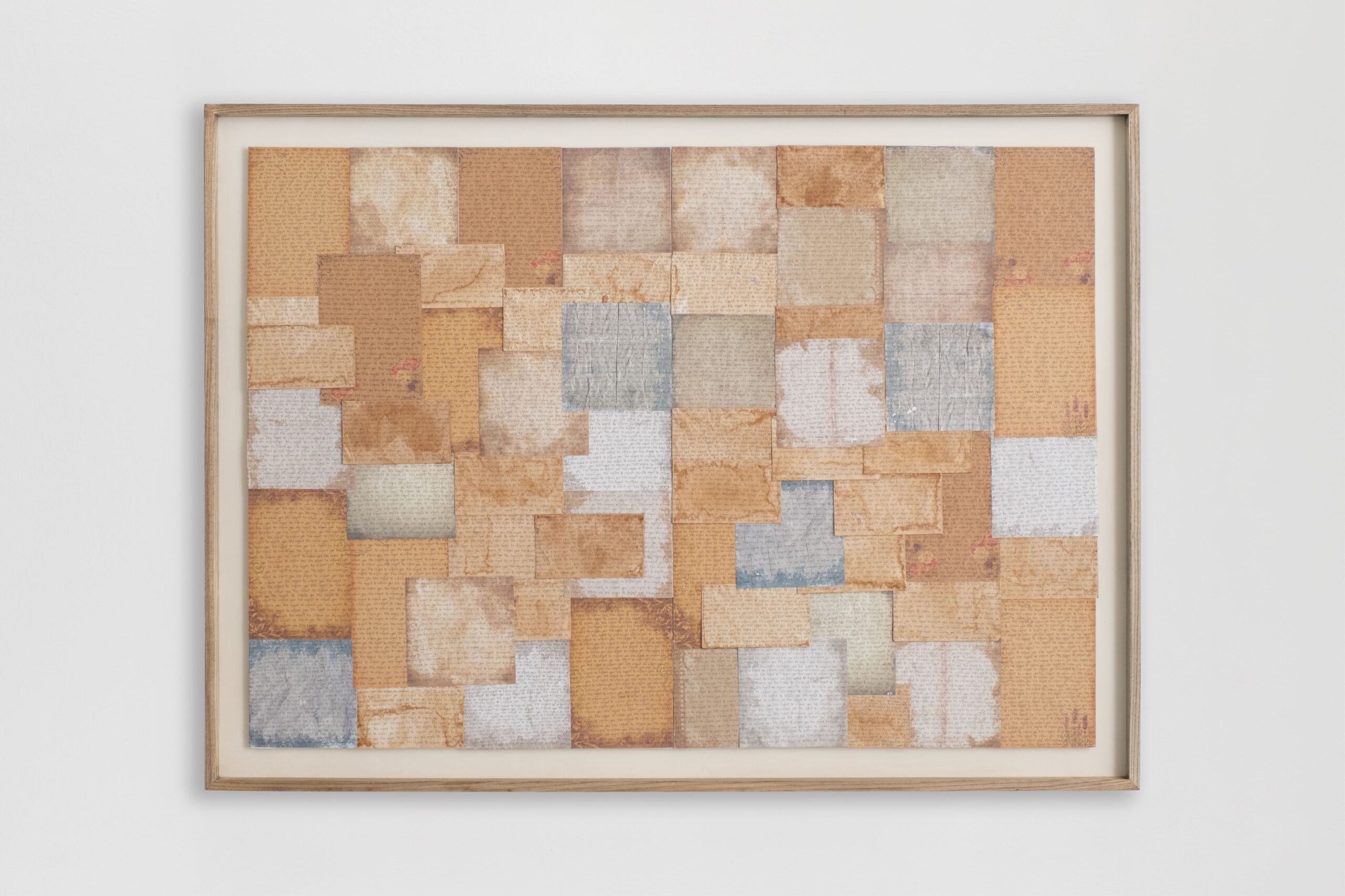
At the exhibition, the artworks are judged for a second time and voted on by the public. The judges scores are aggregated, and a Grand Prize winner is named. The highest rated female artist (excluding the Grand Prize winner) will receive the FAMM Women’s Prize.

04

Public Vote

To increase exposure for the artists, the general public are invited to cast a vote online or in person for their favourite shortlisted artwork. The most popular artwork is awarded the Public Vote Prize.
05

Charity Auction

The Artworks will be sold for charity, with proceeds split equally between each artist and SAF’s charitable initiatives which provide expressive arts programmes for underprivileged children, supporting their wellbeing and educational needs and helping them develop important life skills.


Title Sponsor

Standard_Bank_logo

Sponsors and supporters

Sovereign Group Logo
Grand Prize Sponsor
Magugu_house-logo
Collaborator
FAMM-logo-png
Women’s Art Prize Partner
Bonhams_logo
Auction Partner

Mount_Nelson_logo
Hospitality Partner
La-Motte
Wine Partner
Air-wing-logo
Logistics Partner
Ilios_travel_logo
Transfer Partner

Peral valley hotel
Hotel Partner
Africa-center
Cultural Partner
Framed-by-anton
Framing Partner
Picture-hanging-pros
Installation Partner

Charity Partners

Ikamva_labantu_logo
Inceba_trust_logo
Jelly_beanz_hope_logo

FAQs

01
What are the benefits to participating artists?

There are numerous benefits to participating artists, including:

  • Three cash prizes available: US$25,000 Grand Prize, US$2,000 Public Vote Prize and US$5,000 FAMM Women’s Prize.
  • Inclusion in public exhibition at The Ateljee Gallery at La Motte Winery, Franschhoek, South Africa.
  • Increased profile through multi-channel marketing campaign.
  • Artwork included in charity sale and promoted to art buyers, with artist receiving 50% of sale proceeds.
  • Opportunity to contribute to a meaningful project that raises funds for an important charitable cause.
02
As an artist, how can I enter Prize?

Entry to the Prize is by nomination only. If you wish to enter, we recommend you connect with one of our regional nominators and ask them to consider nominating you.

03
Are their any specific artwork requirements?

In order to be eligible for the Prize, we require that artworks adhere to the following:

  • 2D artworks cannot exceed 120(w) x 180(l)cm
  • 3D artworks cannot exceed 150(h) x 50(w) x 50(d)cm.
  • We do not accept purely audio, video or other time-based media art or performance art. Multi-media works which contain a video or media component will be considered on a case-by-case basis.
04
How can I become a nominator?

We are always looking to expand our network of nominators. Nominators should have a certain expertise in art from Africa. To apply to be a nominator, please get in touch.

05
Is it free for artists to participate?

It is free for artists to enter the Prize online. Once shortlisted, artists are responsible for any production costs associated with their shortlisted artwork. Artists are also responsible for their own shipping costs to Cape Town. For details, please read section 7 of our T&Cs.

06
Where do artwork sales proceeds go?

Proceeds from artwork sales are split equally between the artist and SAF who use the funds to support arts education programmes on the continent.
Prize Winners and Previous Finalists

2025

Prize Winners and Previous Finalists arrow
Grand Prize Winner
Modupeola Fadugba
Nigeria
Modupeola Fadugba art
FAMM womens prize winner
DuduBloom More
South Africa
DuduBloom More art
Public Vote Prize Winner
Gadi Ramadhani
Tanzania
Gadi Ramadhani art

2024

Prize Winners and Previous Finalists arrow
Grand Prize Winner
Amina Agueznay
Morocco
Amina Agueznay art
Public Vote Prize Winner
Weaam El Masry
Egypt
Weaam El Masry art

2023

Prize Winners and Previous Finalists arrow
Grand Prize Winner
Famakan Magassa
Mali
Famakan Magassa art
Public Vote Prize Winner
Alioune Diagne
Senegal
Alioune Diagne art

2022

Prize Winners and Previous Finalists arrow
Grand Prize Winner
Bonolo Kavula
South Africa
Bonolo Kavula art
Public Vote Prize Winner
Rene Tavares
São Tomé and Príncipe
Rene Tavares art