Donate button
Donate arrow
RMG_9197
The 2026 Sovereign Portuguese Art Prize mobile image

The 2026 Sovereign Portuguese Art Prize

Launched in 2021, The Sovereign Portuguese Art Prize increases the international exposure of artists in Portugal and of the Portuguese diaspora while raising funds for expressive arts programmes supporting disadvantaged children.


Shortlist for The 2026 Sovereign Portuguese Art Prize is announced below. Voting is now open and all artworks are available for sale.

Shortlist

Click to learn more about the artwork, vote for your favourite, or submit a sales enquiry.
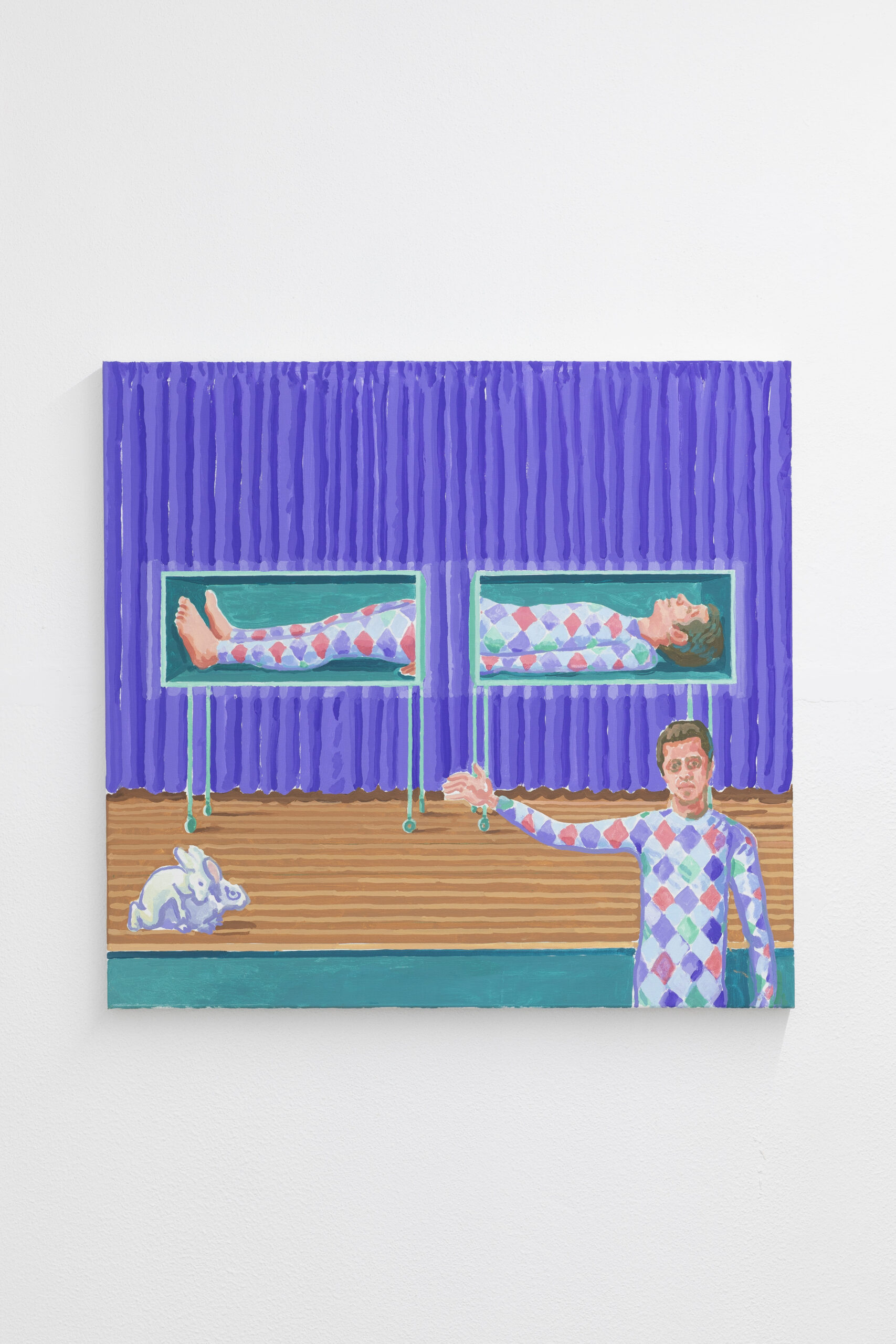
Abel Mota
O ilusionista image
VOTE NOW
O ilusionista
Ana Malta
Os Direitos Estão Tortos   image
VOTE NOW
Os Direitos Estão Tortos
Ana Pais Oliveira
Dutch Pink and Italian Blue image
VOTE NOW
Dutch Pink and Italian Blue
Beatriz Narciso
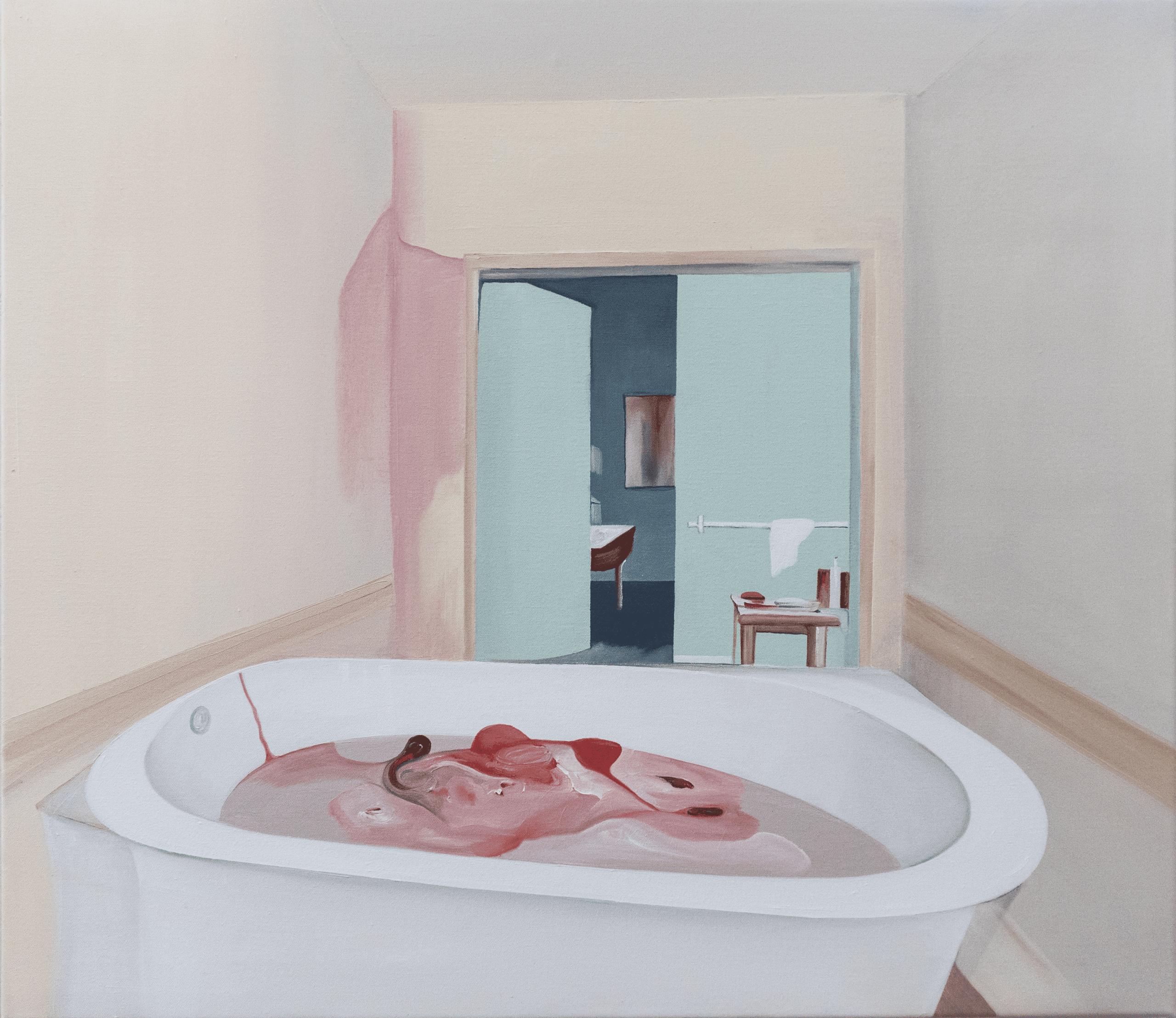
Quem fica é quem perde (Those Who Remain Are the Ones Who Lose) image
VOTE NOW
Quem fica é quem perde (Those Who Remain Are the Ones Who Lose)
Bettina Vaz Guimarães
Sítio Desconhecido image
VOTE NOW
Sítio Desconhecido
Catarina Osório de Castro
Sem Título #12 (da série 'Pó de Estrelas) image
VOTE NOW
Sem Título #12 (da série ‘Pó de Estrelas)
Chad Cordeiro
Hold My Beer image
VOTE NOW
Hold My Beer
Evy Jokhova
Roman Mother image
VOTE NOW
Roman Mother
Fábio Colaço
Untitled (veiled Pope) image
VOTE NOW
Untitled (veiled Pope)
Fidel Évora
Untitled image
VOTE NOW
Untitled
Flávia Vieira
Palo de Campeche #2 image
VOTE NOW
Palo de Campeche #2
Gabriela Albergaria
Fixing imperfections #3A image
VOTE NOW
Fixing imperfections #3A
Gabriel Garcia
The Art of Not Yielding image
VOTE NOW
The Art of Not Yielding
Hugo Cantegrel
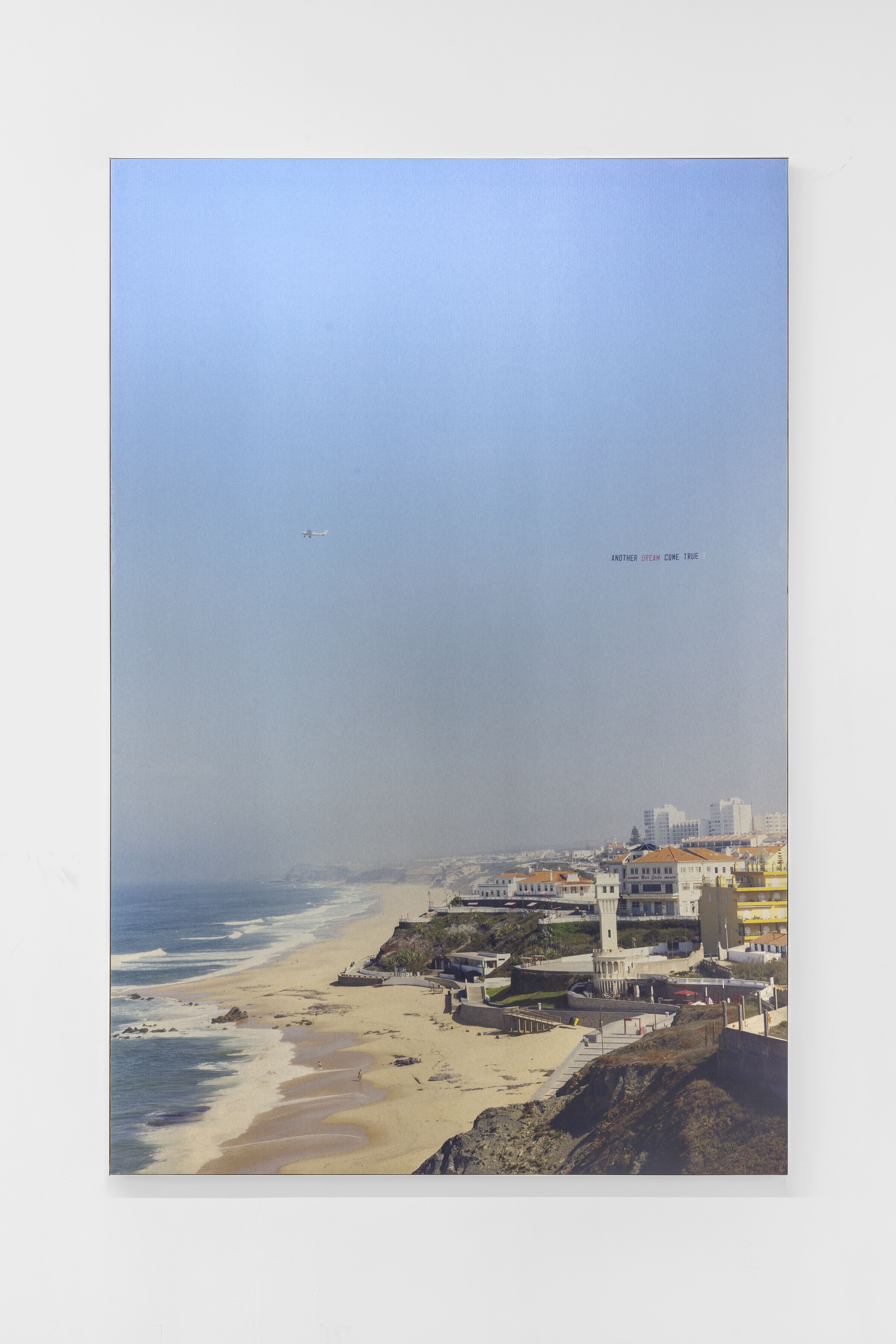
Another Dream Come True VIII image
VOTE NOW
Another Dream Come True VIII
Jacira da Conceição
INTERIOR II image
VOTE NOW
INTERIOR II
João Campolargo Teixeira
Divertimento (after O’Neill), 2026 image
VOTE NOW
Divertimento (after O’Neill), 2026
José António Quintanilha
Montanhas Azuis I - II (BLUE MOUNTAINS I - II) image
VOTE NOW
Montanhas Azuis I – II (BLUE MOUNTAINS I – II)
José Pedro Cortes
Watermelon on Volcanic Soil, 2025 image
VOTE NOW
Watermelon on Volcanic Soil, 2025
Luis Carballo
HIATUSES image
VOTE NOW
HIATUSES
Mané Pacheco
Articulated meltdown (trio)  image
VOTE NOW
Articulated meltdown (trio)
Mariana Horgan
Dreamscaping image
VOTE NOW
Dreamscaping
Max Frisinger
Samarra image
VOTE NOW
Samarra
Mia Dudek
Waiting Room I  image
VOTE NOW
Waiting Room I
Mimi Tavares
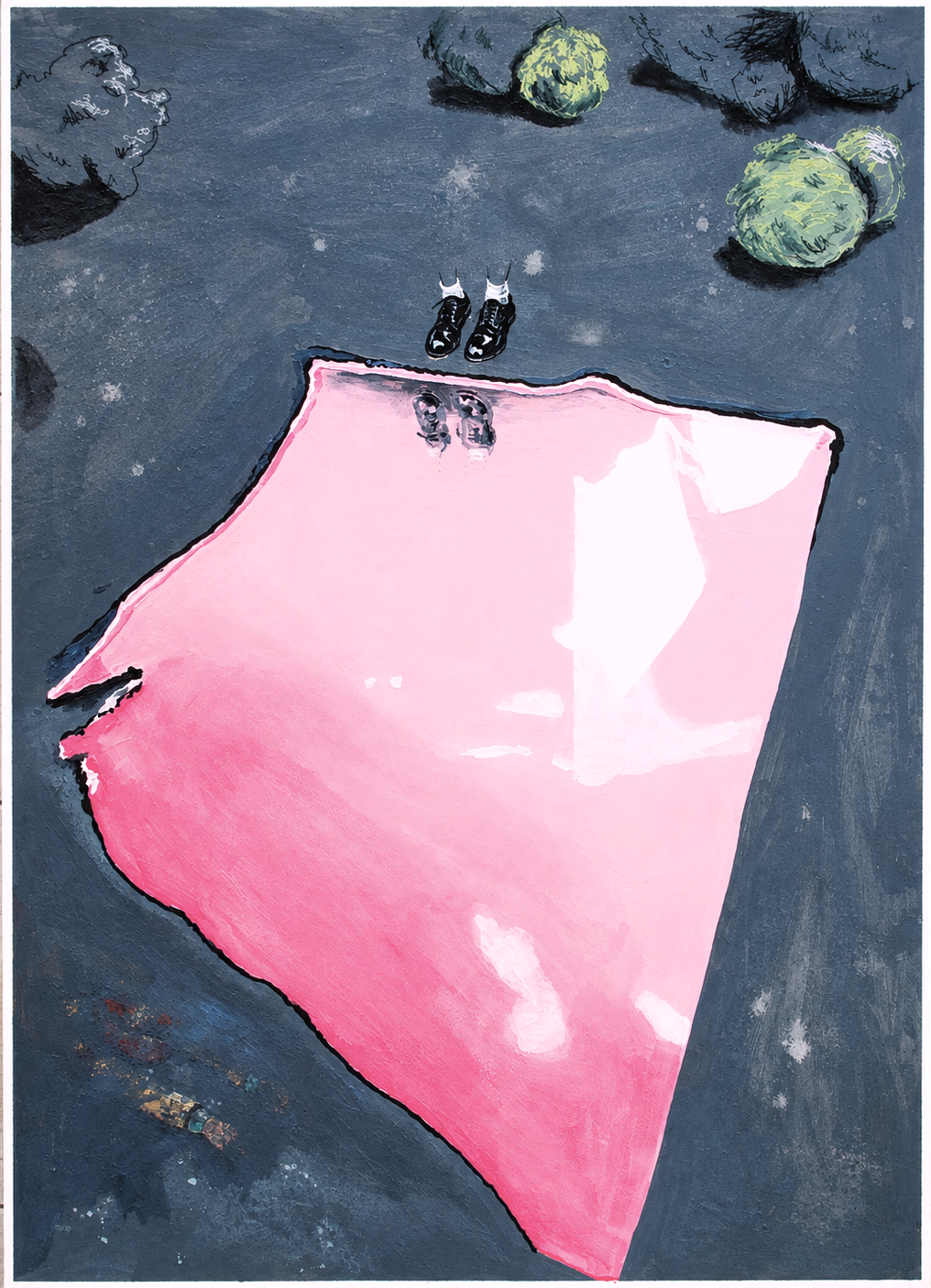
Lembro-me de quando image
VOTE NOW
Lembro-me de quando
Paula Prates
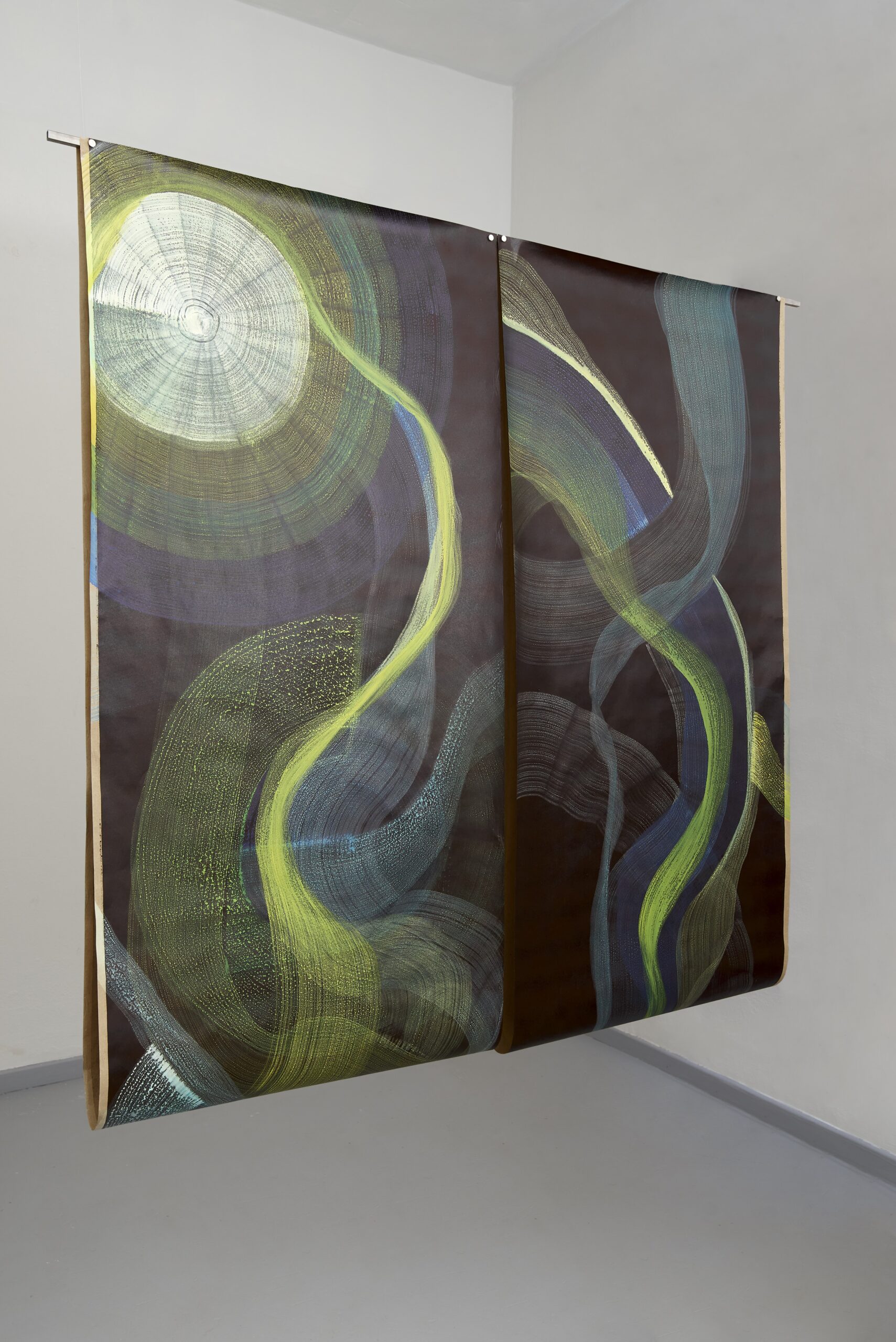
Nervura image
VOTE NOW
Nervura
Paulo Albuquerque
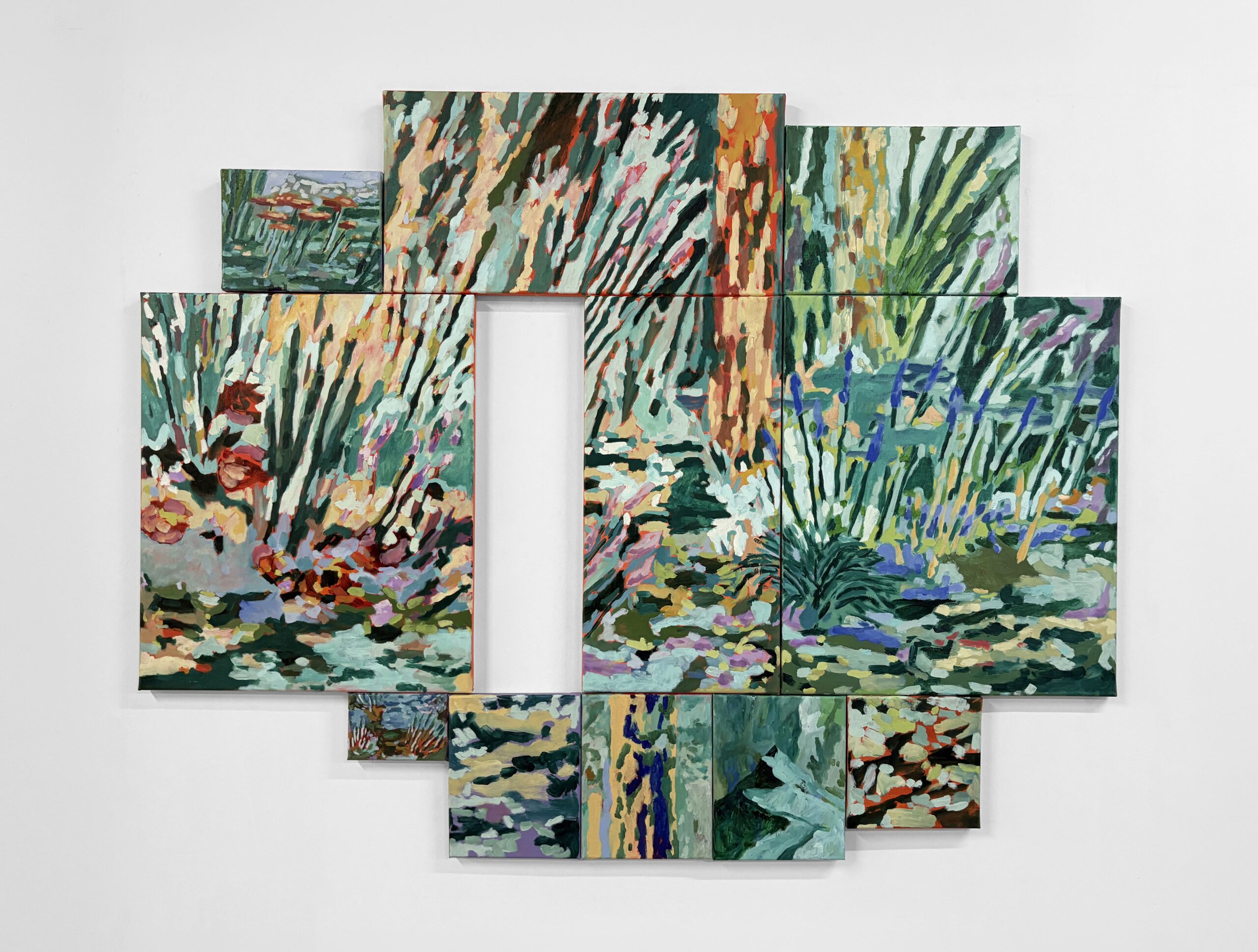
Três Tempos  image
VOTE NOW
Três Tempos
Pollyanna Freire
Untitled nº31 image
VOTE NOW
Untitled nº31
Rebecca Fontaine-Wolf
Forbidden Fruit image
VOTE NOW
Forbidden Fruit
Rui Macedo
Air Bubble Package image
VOTE NOW
Air Bubble Package
Sónia Apolónia
Above The Noise, India II image
VOTE NOW
Above The Noise, India II
Teresa Esgaio
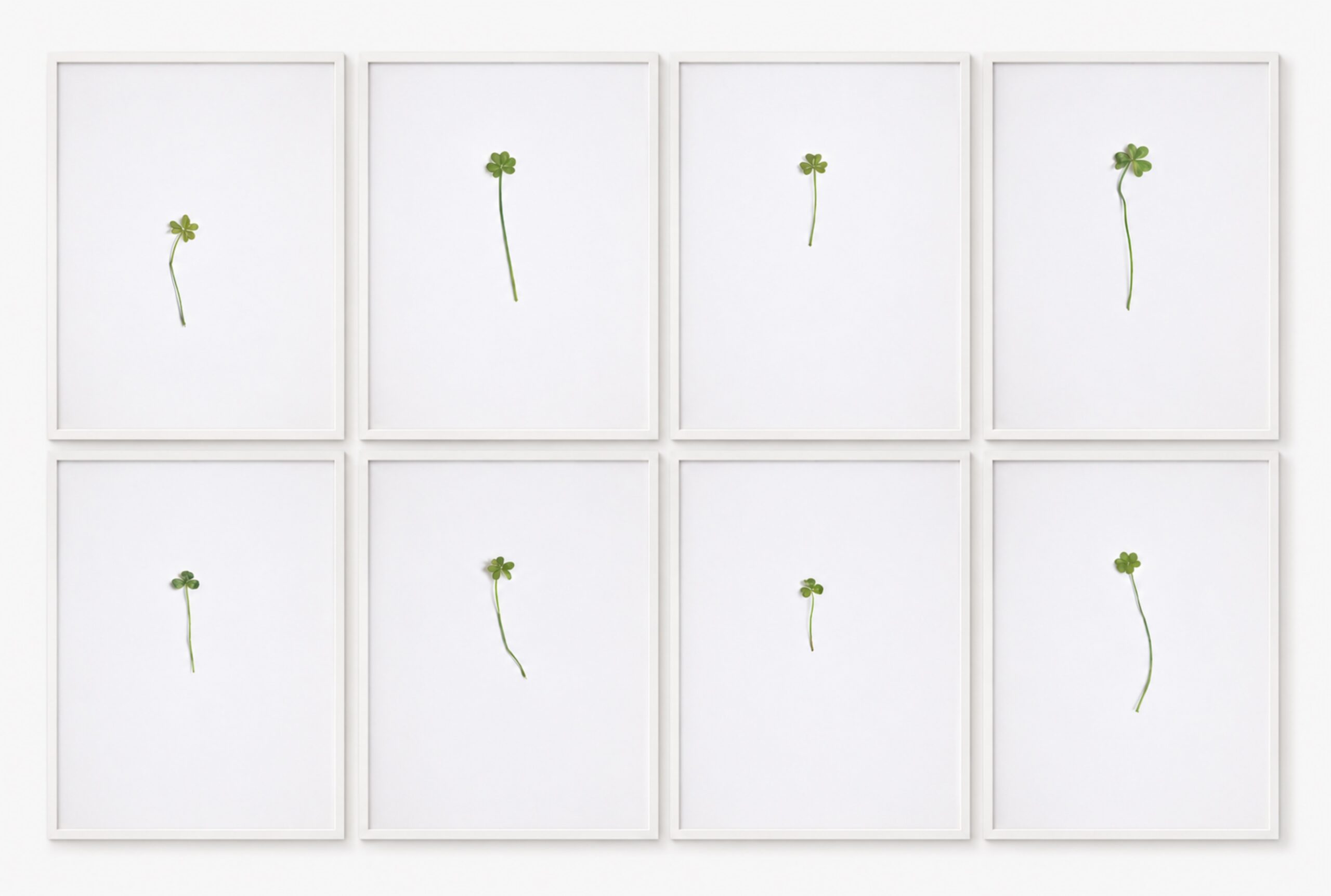
Clovers image
VOTE NOW
Clovers
left arrow
right arrow
01 / 31

Abel Mota

O ilusionista image

Abel Mota

O ilusionista
Dimension: 80 x 85cm
Medium: Óleo sobre tela / Oil on Canvas
Nominated by: Diogo Ramalho

A prática de Abel Mota utiliza o desenho e a pintura para ativar uma curiosidade quase inesgotável. Cruzando referências do folclore ibérico e sul-americano, do cinema da Europa de Leste, da cerâmica tradicional e de imagens provenientes do quotidiano digital, cria obras simultaneamente narrativas e íntimas. Equilibrando um humor subtil com uma ambiguidade emocional, as suas pinturas constroem uma mitologia partilhada onde memória, afeto e imaginação se cruzam. 

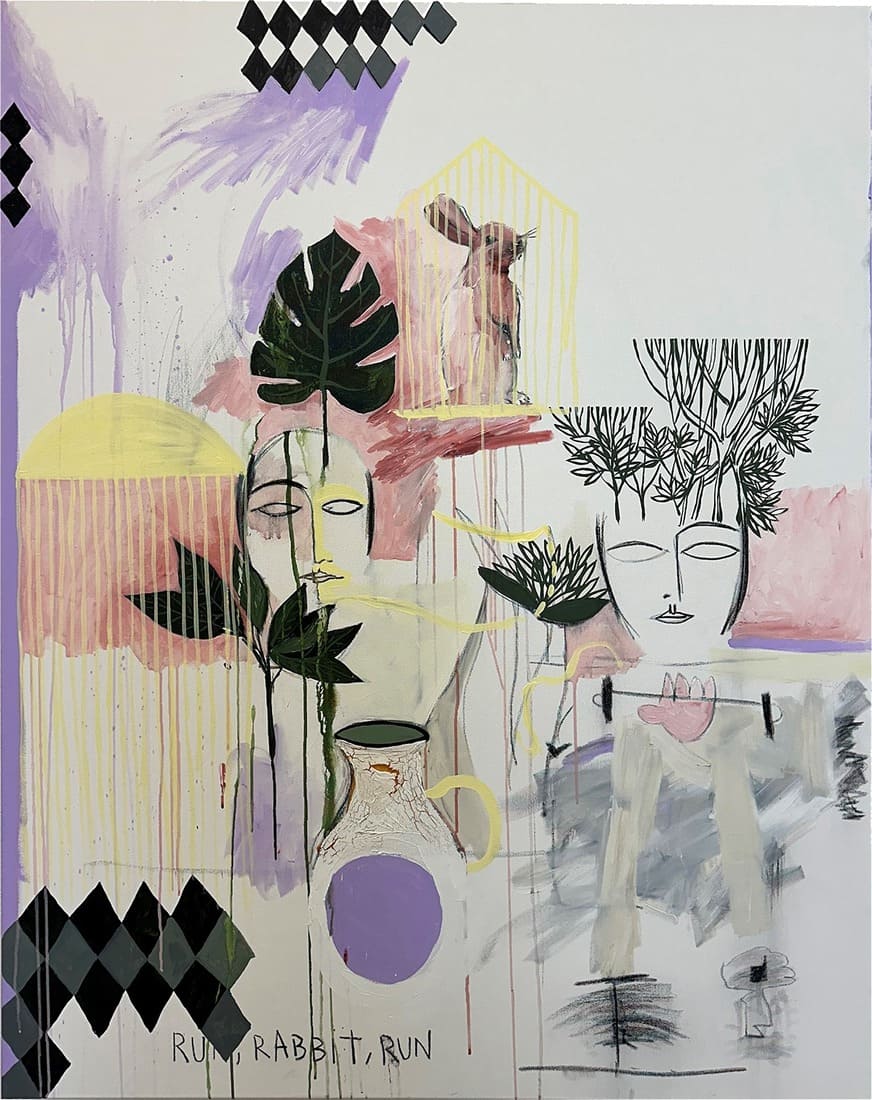
Nesta obra, o espetáculo convive com a improbabilidade. Um corpo parece ser serrado ao meio enquanto o artista em cena se dirige ao observador, revelando a artificialidade da ilusão em vez de a ocultar. Nas proximidades, dois coelhos em acasalamento introduzem um contraponto inesperado, desviando a atenção para um ritmo instintivo paralelo. Como acontece em grande parte da obra de Abel, a pintura desenrola-se entre a fábula, o teatro popular e as imagens da memória, onde as identidades são representadas, trocadas e continuamente transformadas.   

Entre as exposições de Abel Mota destacam-se a Bienal Encontrarte, Amares, Braga (2017-2025); A Whale of a Time, Fórum Arte Braga, Braga (2025); Queridas Bestas, Galeria Plato, Évora (2024); e Bicho de Seis Cabeças, Galeria Plato, Porto (2025). Em 2026, concluiu a Residência Artística FAAP, em São Paulo, Brasil. 


Abel Mota uses drawing and painting to fuel an almost inexhaustible curiosity. Blending references from Iberian and South American folklore, Eastern European cinema, traditional ceramics, and imagery borrowed from everyday digital culture, he creates works that are at once narrative and intimate. Balancing subtle humour with emotional ambiguity, his paintings construct a shared mythology where memory, affection, and imagination intersect. 

In this work, spectacle coexists with improbability. A body appears to be sawn apart while the performer acknowledges the viewer, exposing the artificiality of the illusion rather than concealing it. Nearby, two mating rabbits introduce an unexpected counterpoint, shifting attention towards a parallel instinctive rhythm. As in much of Abel‘s work, the painting unfolds between fable, popular theatre, and remembered imagery, where identities are performed, exchanged, and continually transformed. 

Abel Mota’s exhibitions include the Encontrarte Amares, Braga (2017–2025); A Whale of a Time, Fórum Arte Braga, Braga (2025); Queridas Bestas, Galeria Plato, Évora (2024); Bicho de Seis Cabeças, Galeria Plato, Porto (2025). In 2026, he completed the FAAP Artist Residency in São Paulo, Brazil.

02 / 31

Ana Malta

Os Direitos Estão Tortos   image

Ana Malta

Os Direitos Estão Tortos
Dimension: 150 x 150cm
Medium: Acrílico, pastel seco e barra de óleo sobre tela / Acrylic, dry-pastel and oil bar on canvas
Nominated by: Graça Rodrigues

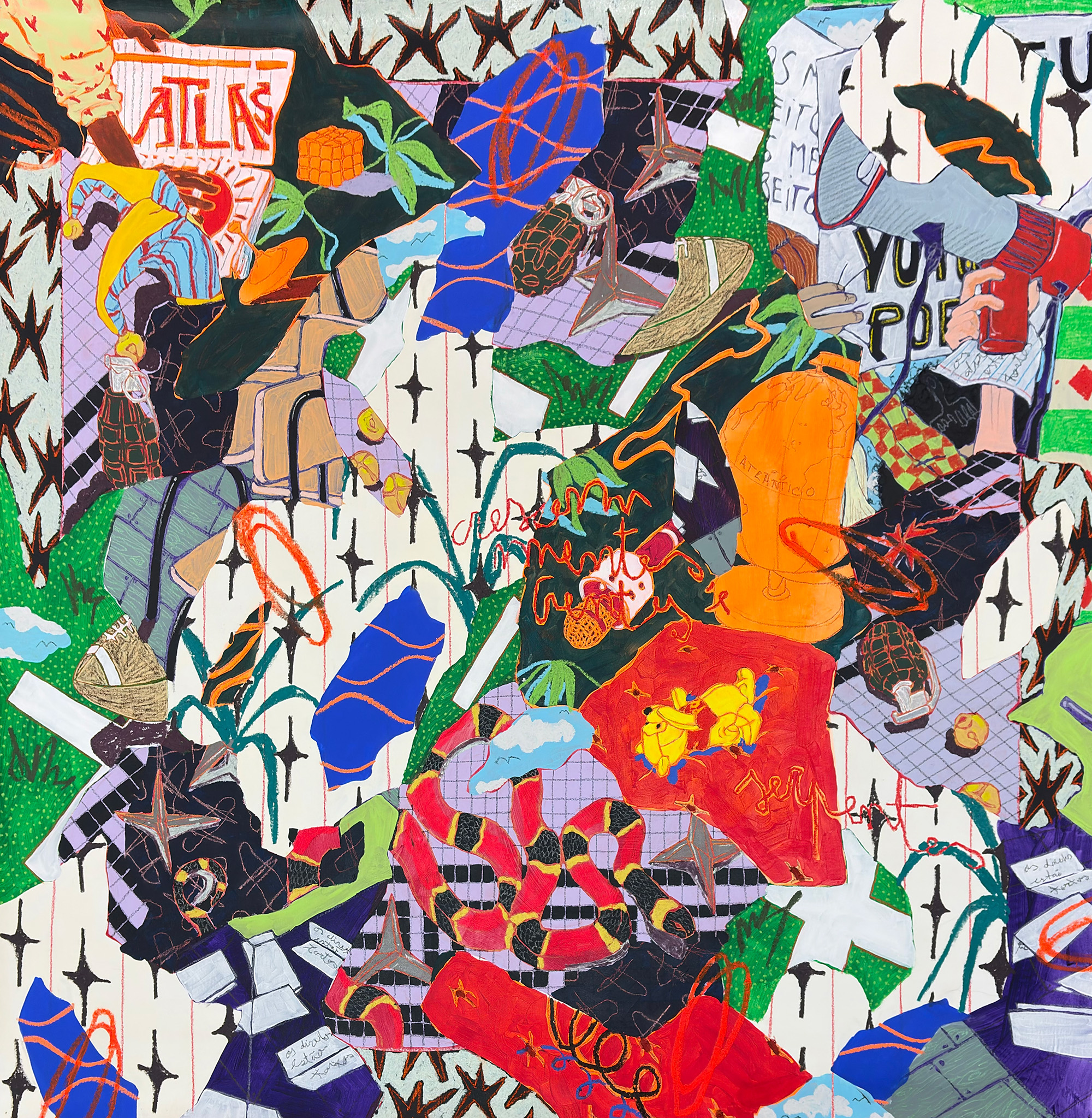
Ana Malta traduz diálogos internos em espaços visuais de interpretação. Os Direitos Estão Tortos reflete sobre a negligência contínua dos direitos humanos básicos através de um título que joga com o duplo significado de direitos (direitos humanos/retos) e tortos (tortos/injustos). A pintura questiona o que acontece quando a injustiça é normalizada em vez de ser combatida. Um globo rodeado por imagens de protesto sugere a necessidade de uma ação coletiva mais veemente, enquanto símbolos de guerra e inocência apontam para a coexistência da violência e da infância. As urnas eleitorais contêm notas que declaram “os direitos estão tortos”, aludindo a locais onde as liberdades são restringidas. A frase crescem mentes, crentes e serpentes reflete os diferentes caminhos que as pessoas seguem, enquanto um campo de futebol distante sublinha a divisão entre a vida quotidiana e a injustiça global.  

Ana Malta expôs numa exposição individual na Investec Cape Town Art Fair, na Cidade do Cabo (2026); na ARCOlisboa, em Lisboa (2026, 2025); na Impermanentia, na This Is Not A White Cube, em Lisboa (2025); e na Menu, na Yiri Arts, em Taipé (2025). Ganhou o Prémio do Voto do Público do Prémio de Arte Portuguesa Sovereign de 2025. 


Ana Malta translates internal dialogues into visual spaces of interpretation. Os Direitos Estão Tortos reflects on the ongoing neglect of basic human rights through a title that plays on the dual meaning of direitos (human rights/straight) and tortos (crooked/unjust). The painting asks what happens when injustice becomes normalised rather than confronted. A globe surrounded by protest imagery, suggests the need for louder collective action, while symbols of war and innocence point to the coexistence of violence and childhood. Voting boxes contain notes declaring “os direitos estão tortos”, alluding to places where freedoms are restricted. The phrase crescem mentes, crentes e serpentes reflects the different paths people follow while a distant football field underscores the divide between everyday life and global injustice.  

Ana Malta’s exhibitions include Investec Cape Town Art Fair, Cape Town (2026) ; ARCOlisboa, Lisbon (2026, 2025); Impermanentia, This Is Not A White Cube, Lisbon (2025) ; Menu, Yiri Arts, Taipei (2025). She won the Public Vote Prize of The 2025 Sovereign Portuguese Art Prize. 

03 / 31

Ana Pais Oliveira

Dutch Pink and Italian Blue image

Ana Pais Oliveira

Dutch Pink and Italian Blue
Dimension: 100 x 70cm
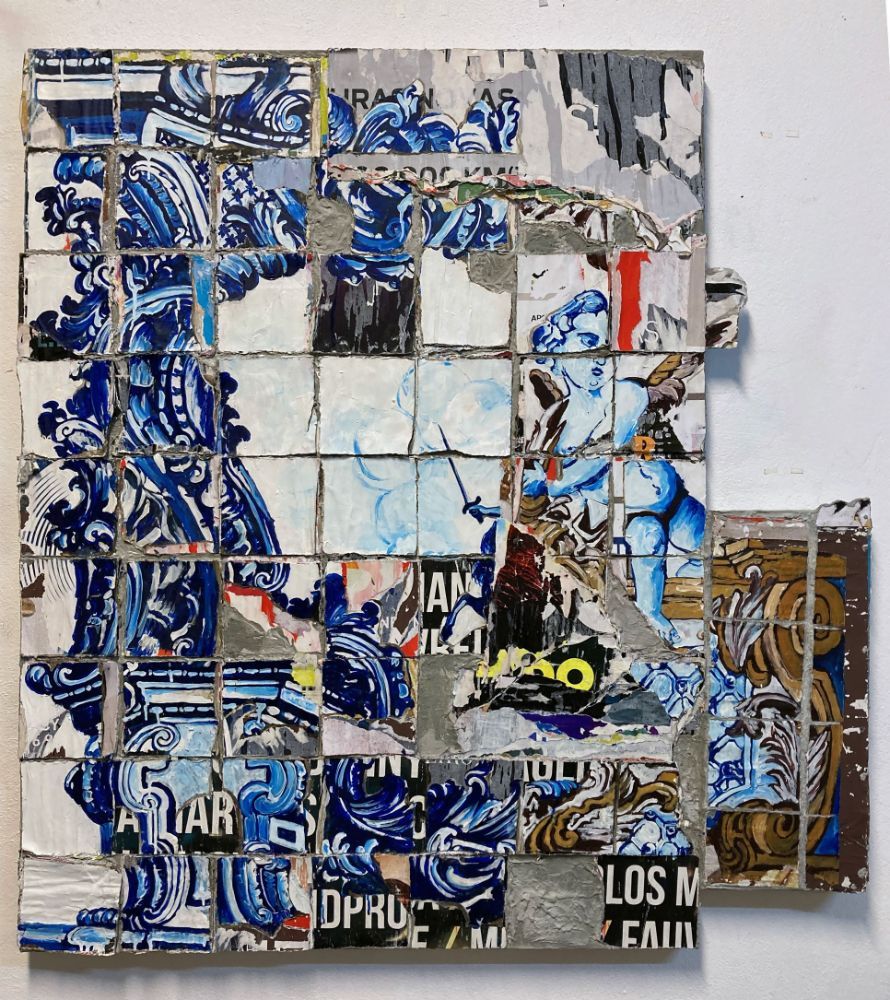
Medium: Técnica mista sobre cartão (colagem e desenho), com moldura azul pintada à mão / Mixed media on cardboard (collage and drawing) with blue hand-painted frame
Nominated by: Maria Pesantez

Ana Pais Oliveira é uma pintora cuja prática explora a linguagem arquitetónica, as estruturas geométricas e as relações entre espaço, escala, construção e abrigo. Através de construções utópicas, imaginárias e aparentemente disfuncionais, investiga aquilo que nos faz sentir protegidos, em casa e ligados a um lugar. A casa é central no seu trabalho, como espaço de sobrevivência, memória e pertença, sendo a cor um elemento fundamental na construção da profundidade, do volume e da ilusão.

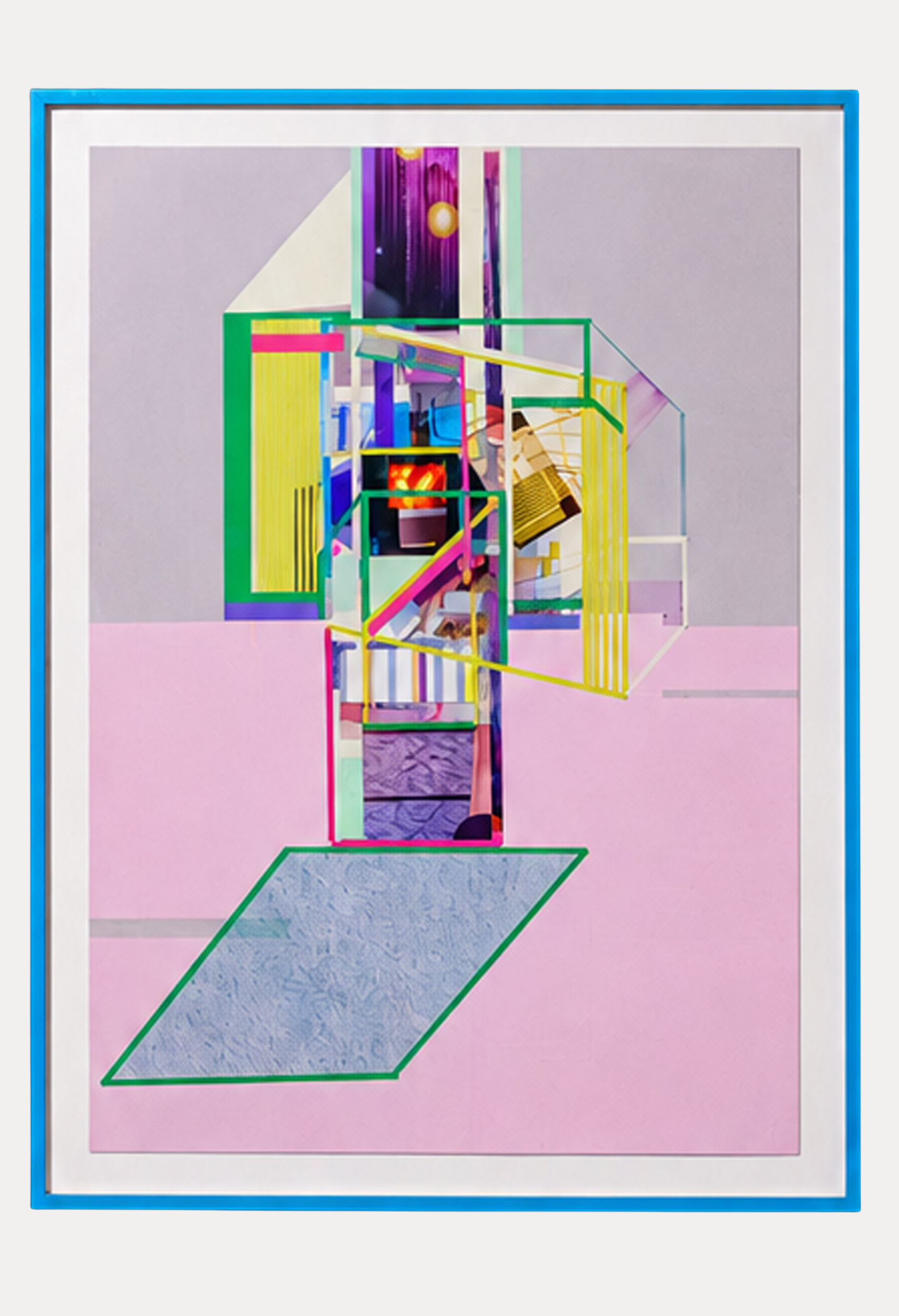
Dutch Pink and Italian Blue é uma obra nomeada a partir de um excerto de uma música que representa uma espécie de reviravolta cinematográfica na vida da artista. Combinando cores vibrantes com linhas dinâmicas e aparentemente infinitas, Oliveira constrói uma geometria errónea mas sedutora que evoca uma paisagem ou uma casa que sugere estabilidade e proteção, No entanto, elementos disruptivos introduzem a possibilidade de colapso. Equilibrando ordem e caos, certeza e incerteza, a obra torna- se um mapa psicológico moldado pela cor e pela emoção.

Entre as suas exposições destacam-se 60º Premio de Pintura y Escultura Reina Sofía, Madrid (2025); City, Architecture, Plan, Łódź (2024); Fosso, Figueira da Foz (2023); e BBA Artist Prize: 25 Finalists Exhibition, Berlim (2022). 


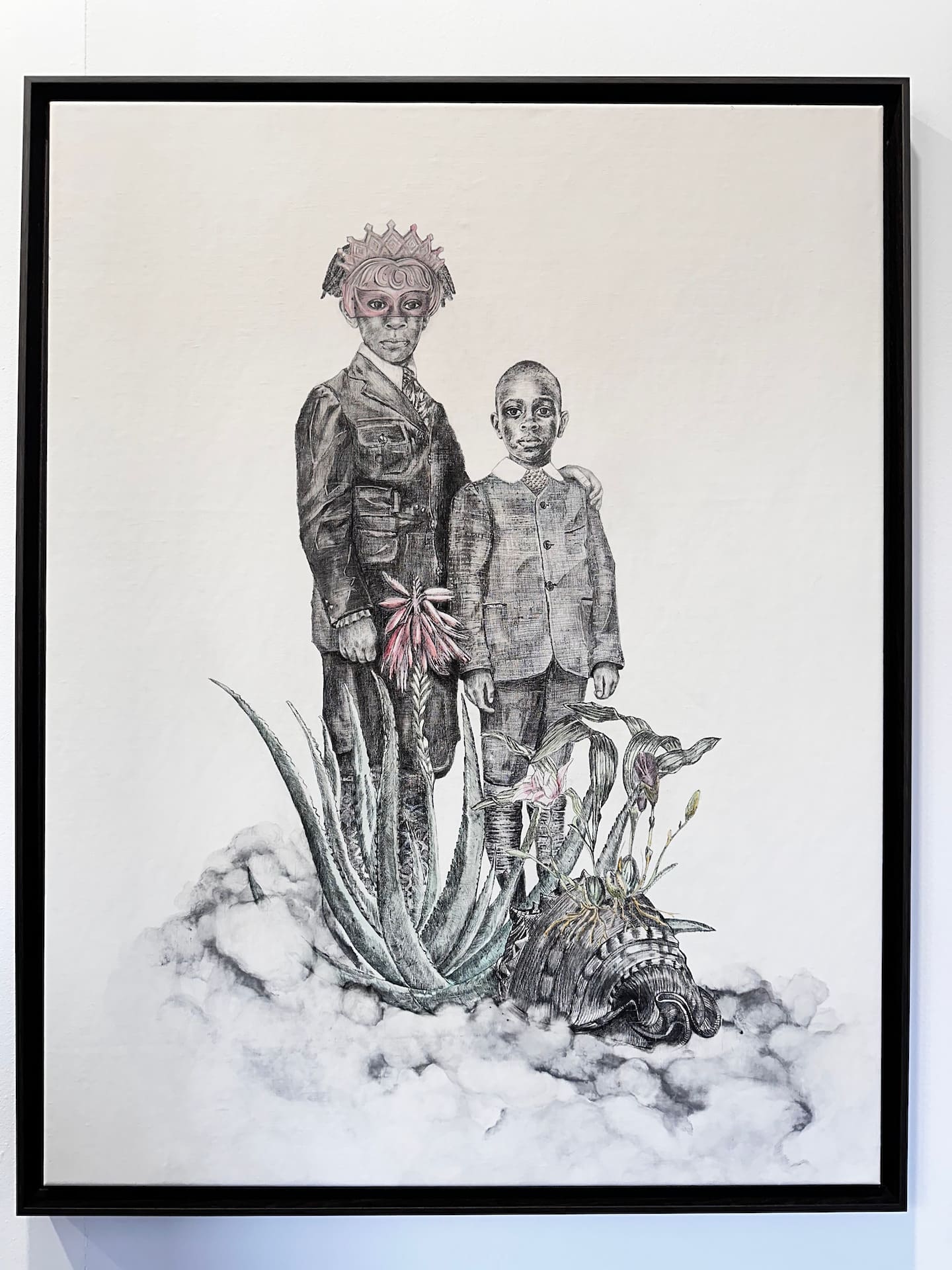
Ana Pais Oliveira is a painter whose practice explores architectural language, geometric structures, and the relationship between space, scale, construction, and shelter. Through imagined and often impossible forms, she examines what makes us feel protected, at home, and connected to a place. Central to her work is the house as a site of survival, memory, and belonging. 

Dutch Pink and Italian Blue takes its title from a song associated with a significant turning point in the artist’s life. Combining vibrant colour with dynamic, seemingly infinite lines, Oliveira constructs a seductive yet unstable geometry that evokes a landscape, house, or imagined place. While suggesting stability and protection, disruptive elements introduce the possibility of collapse. Balancing order and chaos, certainty and uncertainty, the work becomes a psychological map shaped by colour and emotion. 

Exhibitions include 60º Premio de Pintura y Escultura Reina Sofía, Madrid (2025); City, Architecture, Plan, Łódź (2024); Fosso, Figueira da Foz (2023); and BBA Artist Prize: 25 Finalists Exhibition, Berlin (2022).

04 / 31

Beatriz Narciso

Quem fica é quem perde (Those Who Remain Are the Ones Who Lose) image

Beatriz Narciso

Quem fica é quem perde (Those Who Remain Are the Ones Who Lose)
Dimension: 80 x 120cm
Medium: Acrílico sobre linho / Acrylic on linen
Nominated by: Luis Carballo

Beatriz Narciso explora as nuances do quotidiano através da pintura, revelando como a luz, a atmosfera e a perceção moldam a nossa experiência dos espaços familiares. No centro da sua prática está a exploração da luz, destacando detalhes subtis que transformam cenas comuns em momentos carregados de reflexão e memória. 

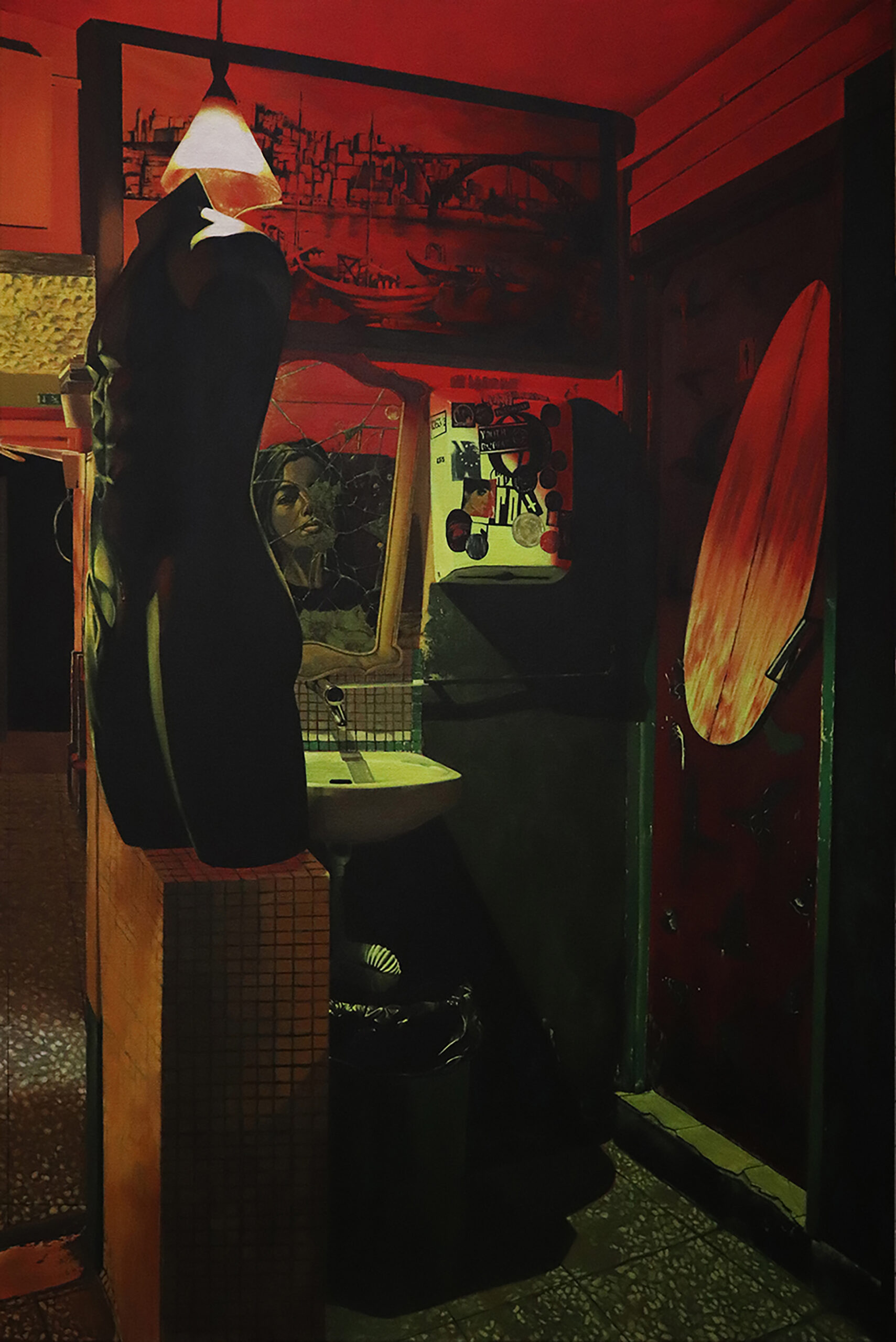
Quem fica é quem perde (Those Who Remain Are the Ones Who Lose) retrata o canto da casa de banho de um bar, impregnado de euforia, intimidade, excitação e perda. Através da cuidada disposição dos objetos e do uso evocativo da luz, a obra chama a atenção para detalhes que sugerem simultaneamente presença e ausência, criando um diálogo entre aquilo que permanece e o que se perdeu. Equilibrando observação e atmosfera, a pintura capta o resíduo emocional de um momento fugaz e os vestígios que este deixa para trás. 

 Beatriz Narciso foi a vencedora da primeira edição da Women in Art Fellowship (2025-26), que culminou na exposição individual Sótão, apresentada na Sociedade Nacional de Belas Artes, em Lisboa.


Beatriz Narciso explores the nuances of everyday life through painting, revealing how light, atmosphere, and perception shape our experience of familiar spaces. Central to her practice is the exploration of light, highlighting subtle details that transform ordinary scenes into charged moments of reflection and memory. Quem fica é quem perde (Those Who Remain Are the Ones Who Lose) depicts the corner of a bar bathroom, imbued with euphoria, intimacy, excitement, and loss. Through the careful arrangement of objects and the evocative use of light, the work draws attention to details that suggest both presence and absence, creating a dialogue between what remains and what has been lost. Balancing observation with atmosphere, the painting captures the emotional residue of a fleeting moment and the traces left behind.  

Beatriz Narciso was the winner of the inaugural Women in Art Fellowship (2025-26), culminating in the solo exhibition Sótão (Attic) at the Sociedade Nacional de Belas Artes, Lisbon.  

05 / 31

Bettina Vaz Guimarães

Sítio Desconhecido image

Bettina Vaz Guimarães

Sítio Desconhecido
Dimension: 115 x 145cm
Medium: Tinta acrílica e grafite sobre tela / Acrylic paint and graphite on canvas
Nominated by: Emília Ferreira

Bettina Vaz Guimarães explora a cor como forma de experiência, memória e construção. Trabalhando com tinta acrílica, grafite e lápis de cor, cria composições abstratas em camadas inspiradas pela arquitetura, recorrendo a recortes, stencils e fita de mascarar para produzir contornos precisos e planos de cor sobrepostos. Frequentemente desenvolvidas em séries, as suas obras estabelecem relações visuais que evocam estruturas semelhantes a polípticos. 

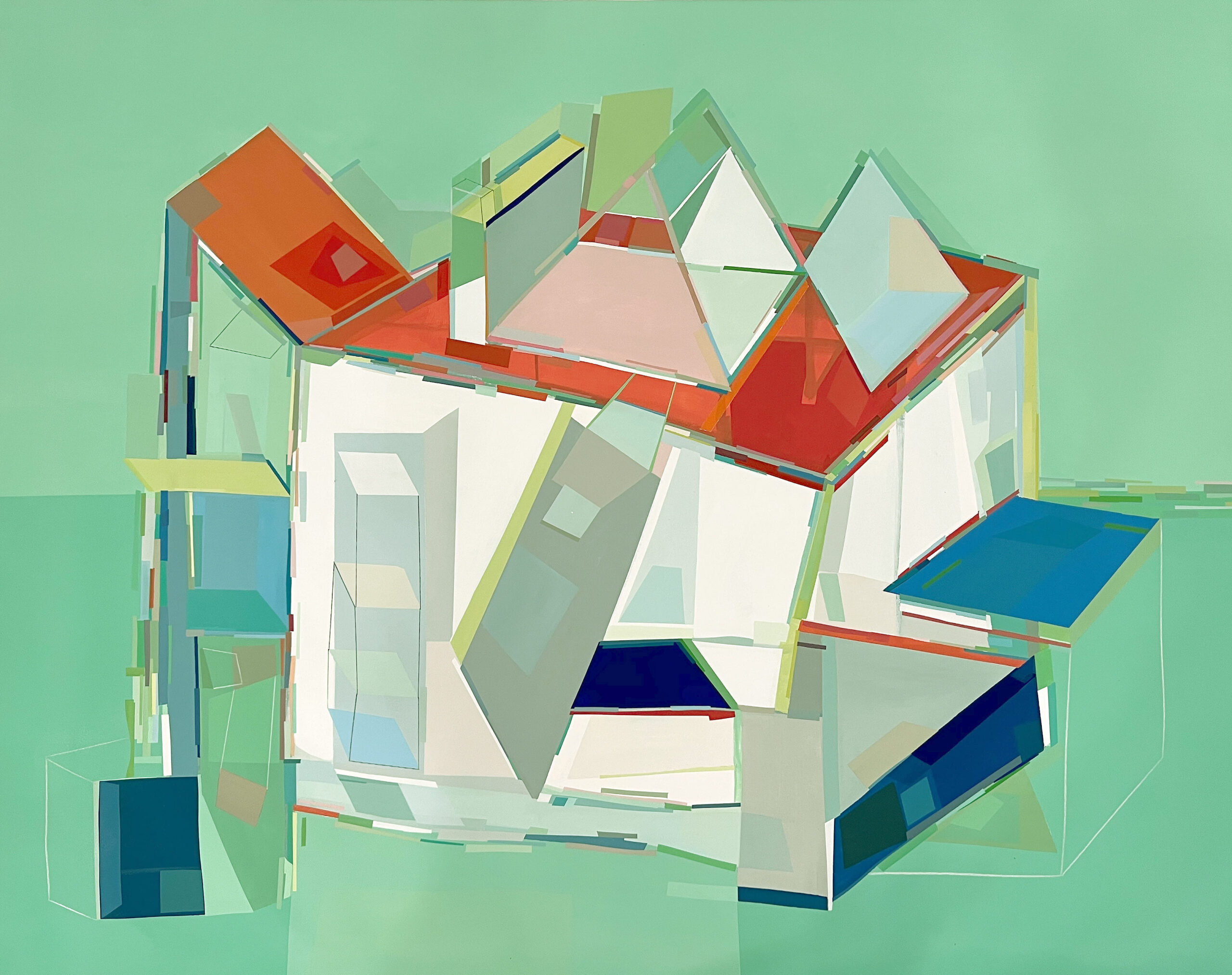
Sítio Desconhecido constrói uma topografia imaginária através de uma densa paisagem arquitetónica. Evocando a atmosfera labiríntica de uma antiga fábrica, formas industriais e desconstruídas desdobram-se através de um processo intuitivo de acumulação. Estruturas geométricas rigorosas são equilibradas por subtis variações tonais e texturas desenhadas à mão, dando origem a um terreno fragmentado, semelhante a uma ruína. Oscilando entre abstração e arquitetura, a composição convida o observador a percorrer uma paisagem desconhecida, moldada tanto pela ordem como pela espontaneidade. 

Entre as exposições de Bettina Vaz Guimarães destacam-se Cartografias do Olhar, Galeria Diferença, Lisboa (2025); Abraço ao Infinito, Centro Cultural de Cascais (2024); Tabela Periódica, Museu Nacional de História Natural e da Ciência, Lisboa (2024); Achadouros, Cisterna Galeria, Lisboa (2022); e Azul Pintado de Azul, Galeria Andrea Rehder, São Paulo e Lisboa (2021). 


Bettina Vaz Guimarães explores colour as a form of experience, memory, and construction. Working with acrylic paint, graphite, and coloured pencil, she creates layered abstract compositions inspired by architecture, using cut-outs, stencils, and masking tape to produce precise edges and overlapping planes of colour. Often developed in series, her works create visual relationships that suggest polyptych-like structures.  

Sítio Desconhecido constructs an imaginary topography through a dense architectural landscape. Evoking the labyrinthine atmosphere of an old factory, industrial and deconstructed forms unfold through an intuitive process of accumulation. Sharp geometric structures are balanced by subtle tonal shifts and hand-drawn textures, resulting in a fragmented, ruin-like terrain. Oscillating between abstraction and architecture, the composition invites viewers to navigate an unknown landscape shaped by both order and spontaneity. 

Bettina Vaz Guimarães’ exhibitions include Cartografias do Olhar, Galeria Diferença, Lisbon (2025); Abraço ao Infinito, Centro Cultural de Cascais (2024); Tabela Periódica, Museu Nacional de História Natural e da Ciência, Lisbon (2024); Achadouros, Cisterna Galeria, Lisbon (2022); and Azul Pintado de Azul, Galeria Andrea Rehder, São Paulo and Lisbon (2021).

06 / 31

Catarina Osório de Castro

Sem Título #12 (da série 'Pó de Estrelas) image

Catarina Osório de Castro

Sem Título #12 (da série ‘Pó de Estrelas)
Dimension: 100 x 100cm
Medium: Impressão analógica a cores, montada em alumínio, moldura em nogueira com vidro de museu UV70 / Analog color print, mounted on aluminum, walnut frame with UV70 museum glass
Edition: Edição / Edition 1 of 3 + 1 AP
Nominated by: Kean Paker, Merve Pakyürek

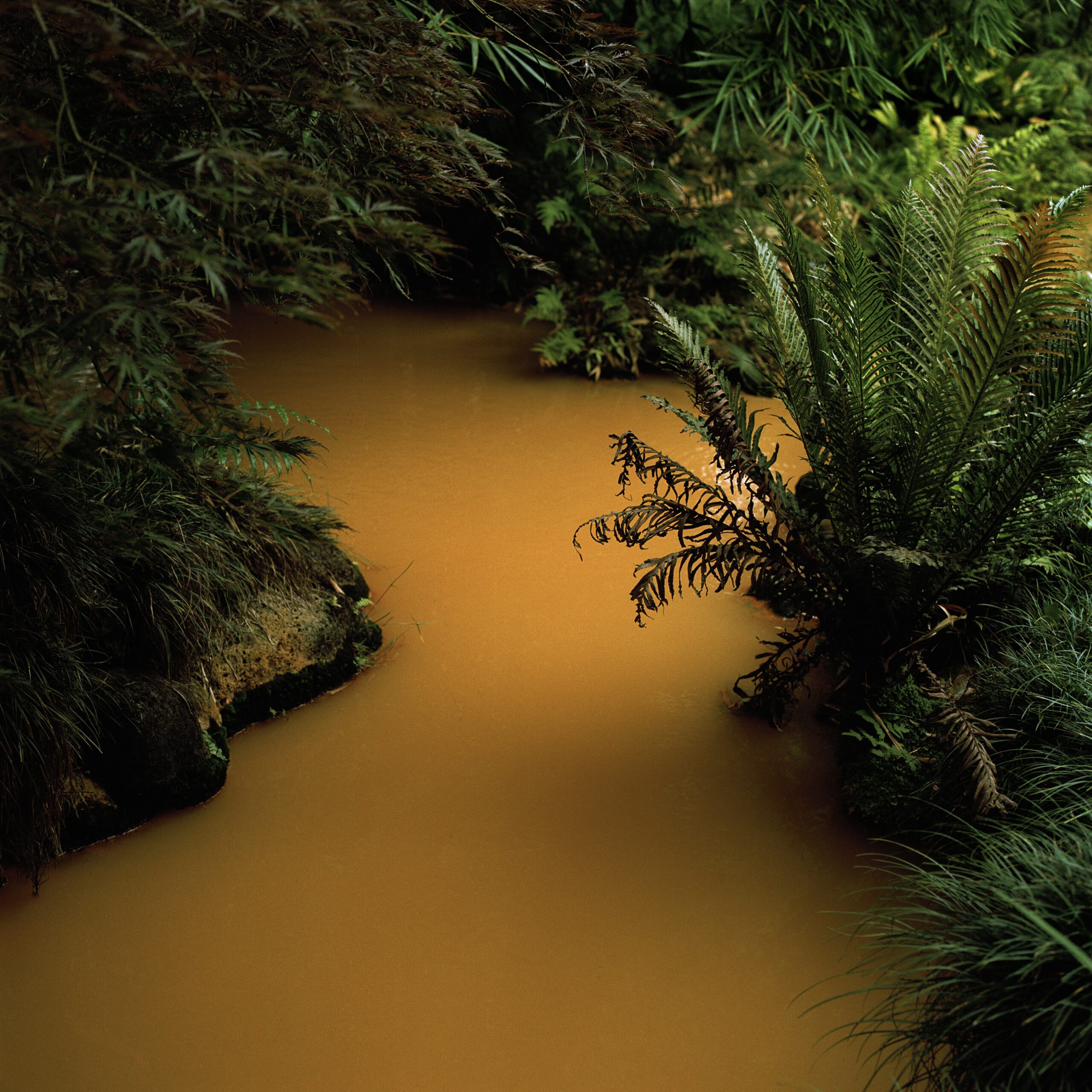
Para Catarina Osório de Castro, a fotografia é uma forma de abrandar e olhar o mundo  com mais atenção, revelar a sua verdadeira essência. Num tom poético e intimista, entre a autobiografia e a ficção, procura relações silenciosas entre as pessoas, a natureza e o tempo, voltando-se frequentemente para detalhes que escapam a uma observação imediata. Trabalhando com fotografia analógica, abraça a lentidão e a contemplação. 

Nesta fotografia, água, vegetação e luz convergem. A longa exposição transforma a água em movimento  densa e opaca, criando uma atmosfera suspensa entre o familiar e o imaginado, que convida à contemplação da memória e dos ciclos contínuos da natureza. 

 As exposições de Catarina Osório de Castro incluem Pó de Estrelas, Dialogue Gallery, Lisboa (2025); Recriação, Casa dos Cubos, Tomar (2025); e Un Été au Portugal, La Villa Tamaris Centre d’Art, Toulon (2022). Em 2023 publicou Eclipse com a XYZ Books e em 2020 Devagar com as Edições Atelier de Lisboa.  


Photography is a way of slowing down and paying attention for Catarina Osório de Castro, observing the world and revealing its true essence. Moving between autobiography and fiction, through a poetic and intimate approach, she seeks to reveal the quiet relationships between people, nature and time, often turning to details escape immediate notice. Working with analogue photography, she embraces slowness and contemplation.  

In this photograph, water, vegetation and light converge. The long exposure transforms flowing water into a dense, opaque surface, creating an atmosphere that feels suspended between the familiar and the imagined, inviting contemplation on memory and the continuous cycles of nature.  

Catarina Osório de Castro’s exhibitions include Pó de Estrelas, Dialogue Gallery, Lisbon (2025); Recriação, Casa dos Cubos, Tomar (2025) and Un Été au Portugal, La Villa Tamaris Centre d’Art, Toulon (2022).In 2023 she published Eclipse with XYZ Books and in 2020 Devagar with Atelier de Lisboa Editions. 

07 / 31

Chad Cordeiro

Hold My Beer image

Chad Cordeiro

Hold My Beer
Dimension: 72 x 52cm
Medium: Colagem e linogravura sobre papel Hahnemühle Soft White (300 g/m²) / Collage and Linocut on Hahnemuhle soft white (300gsm)
Nominated by: Nancy Dantas

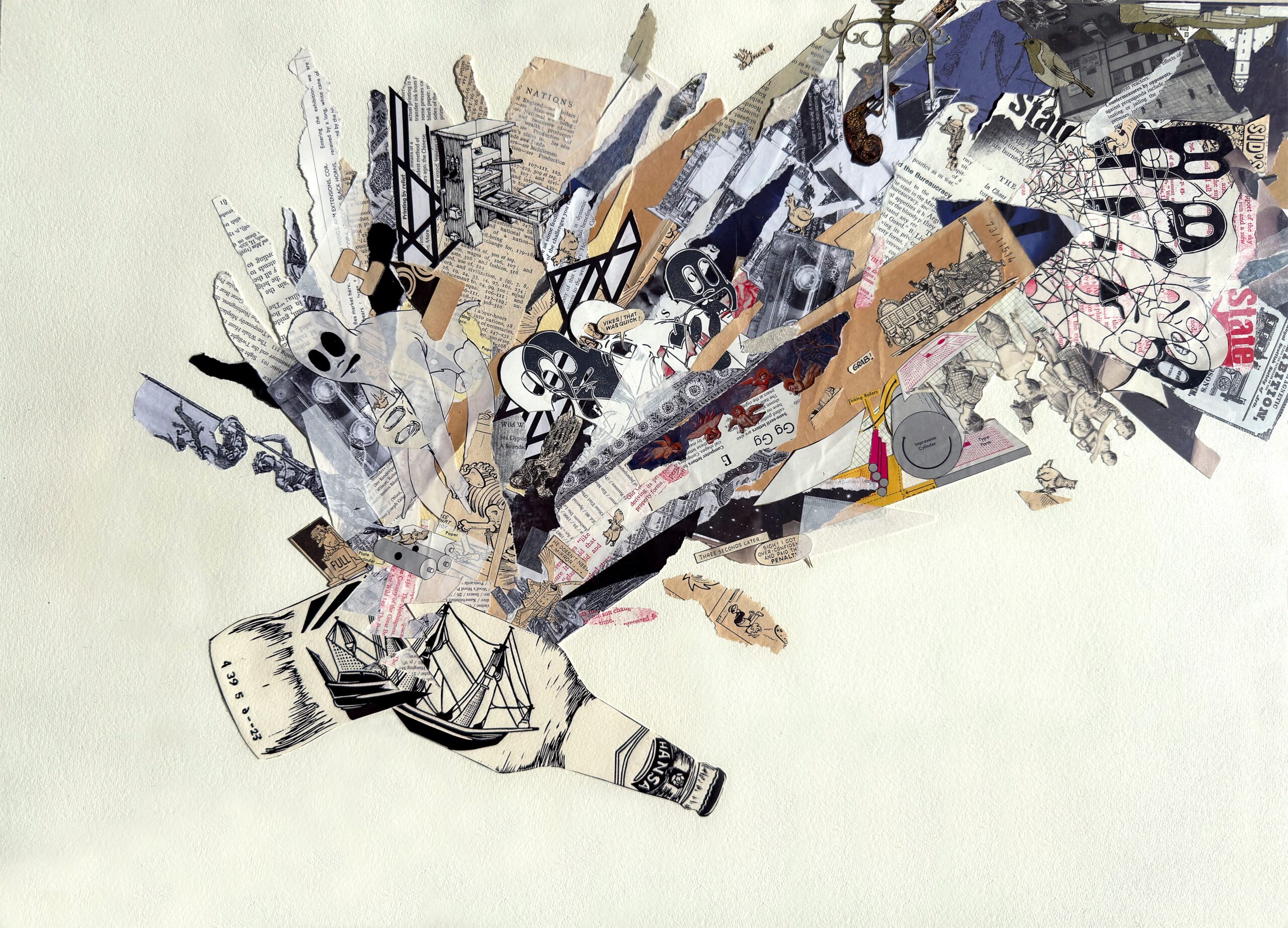
Cordeiro é um artista e gravador sediado em Joanesburgo, cuja prática explora a forma como as histórias são construídas e difundidas através de arquivos e materiais colecionados. Como cofundador do Danger Gevaar Ingozi Studio, juntamente com Nathaniel Sheppard e Sbongiseni Khulu, Cordeiro trabalha com colagem, linogravura, serigrafia, publicações, meios sonoros e instalação. Através do recorte e da recontextualização de materiais encontrados, cria novas conversas entre o passado e o presente. 

Hold My Beer é uma colagem e linogravura composta por imagens e textos retirados de livros de história portugueses e sul-africanos, enciclopédias, publicações infantis, banda desenhada e efémera comercial. No centro da obra, uma garrafa de cerveja Hansa contendo uma embarcação comercial colonial portuguesa estabelece uma ligação entre a cultura de consumo e as histórias de comércio, extração e expansão colonial. O trabalho examina a forma como as narrativas coloniais continuam a circular através de arquivos, mercadorias e meios de comunicação populares. 

Entre as suas exposições e projetos de destaque encontram-se Every Act Of Struggle, De Appel, Amesterdão (2025); Rijksakademie Open Studios, Amsterdam Art Week (2024, 2025); The Whole Life: Archives and Reality, Staatliche Kunstsammlungen Dresden (2019); The Centre for the Less Good Idea, Season 3, Arts on Main, Joanesburgo (2018); e A Labour of Love, Weltkulturen Museum, Frankfurt am Main (2015). 


Cordeiro is an artist and printmaker based in Johannesburg whose practice explores how histories are constructed and circulated through archives and collected material. As co-founder of Danger Gevaar Ingozi Studio with Nathaniel Sheppard and Sbongiseni Khulu. Cordeiro works across the mediums of collage, linocut, silkscreen, publications, sound media, and installation. Through cutting and recontextualising found material, he creates new conversations between past and present.

Hold My Beer is a collage and linocut composed from imagery and text drawn from Portuguese and South African history books, encyclopaedias, children’s publications, comics, and commercial ephemera. At its centre, a Hansa beer bottle containing a Portuguese colonial trading vessel links consumer culture to histories of trade, extraction, and colonial expansion. The work examines how colonial narratives continue to circulate through archives, commodities, and popular media. 

Some of his notable exhibitions and projects include Every Act Of Struggle, De Appel, Amsterdam (2025); Rijksakademie Open Studios, Amsterdam Art Week (2024, 2025); The Whole Life: Archives and Reality, Staatliche Kunstsammlungen Dresden (2019); The Centre for the Less Good Idea, Season 3, Arts on Main, Johannesburg (2018); and A Labour of Love, Weltkulturen Museum, Frankfurt am Main (2015).

08 / 31

Evy Jokhova

Roman Mother image

Evy Jokhova

Roman Mother
Dimension: 34 x 52.5 x 32cm
Medium: Cerâmica de barro vidrada / Glazed earthenware ceramic
Nominated by: Delfina Sena

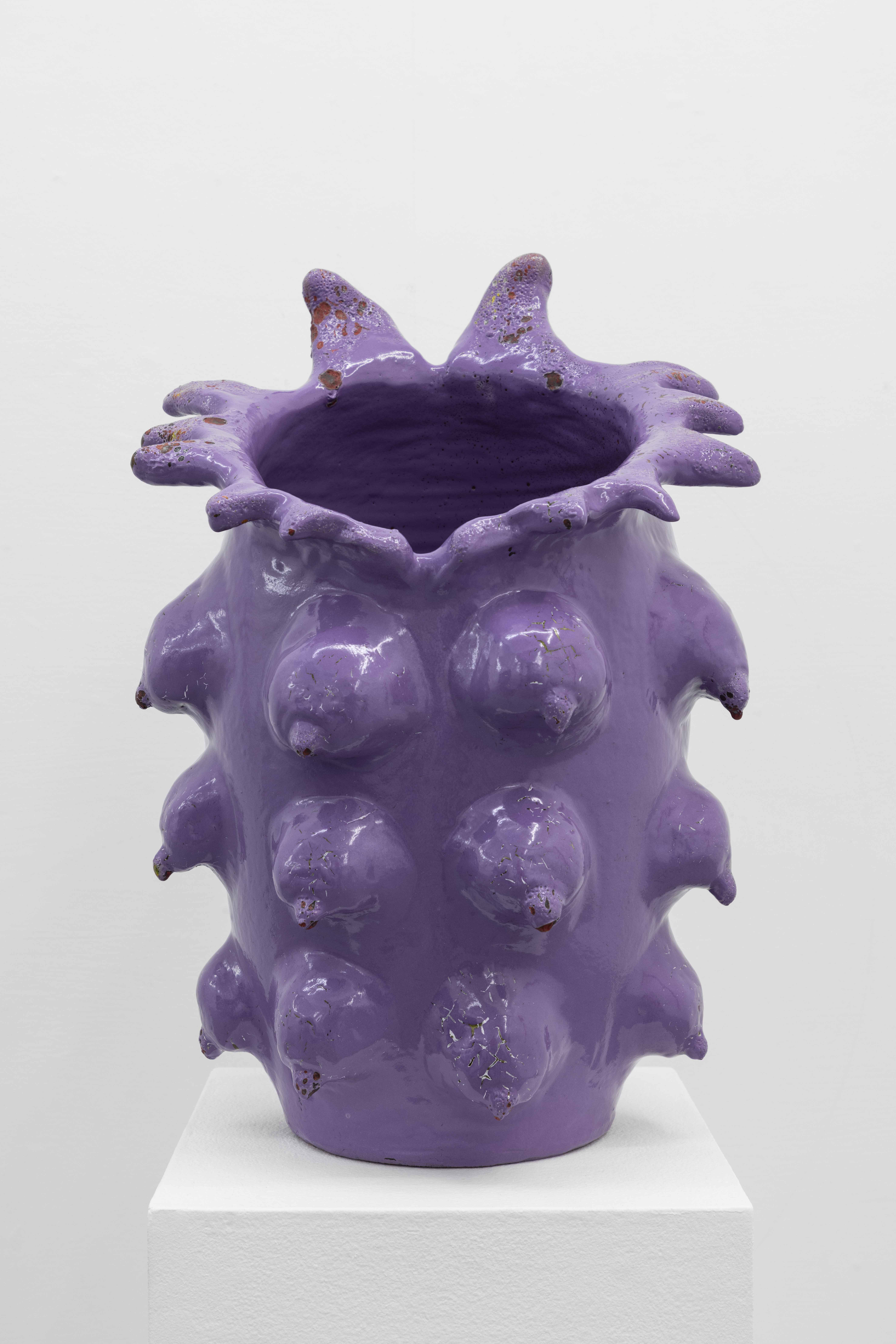
Evy Jokhova é uma artista multidisciplinar cuja prática explora as interseções entre a antropologia social, a arquitetura e a filosofia. Trabalhando com desenho, escultura, instalação, som, alimentação e performance, investiga a forma como as relações, os comportamentos e os sistemas são moldados pela arquitetura, pela paisagem, pela memória e pelas estruturas sociais. 

Roman Mother integra a série Three Colours, iniciada por Jokhova em 2022 e inspirada na aclamada trilogia cinematográfica de Krzysztof Kieślowski. Através da fotografia, escultura, pintura, cerâmica e têxteis, a série examina as associações emocionais, sociais e simbólicas da cor. Revestida por um esmalte púrpura, Roman Mother combina referências à escultura clássica, ao crescimento orgânico e ao corpo materno. Esbatendo a fronteira entre objeto e corpo, a obra prolonga a investigação de Jokhova sobre a corporeidade e as formas como a identidade é moldada pela experiência física, emocional e social. 

Entre as suas exposições destacam-se Three Colours: Flesh, Lisboa (2025); Oasis, Vilnius (2025); Three Colours: Shadow, Almada (2023); e Art in the Age of the Anthropocene, Tallinn (2020-23). Recebeu o Prémio EDP Novos Artistas em 2025. 


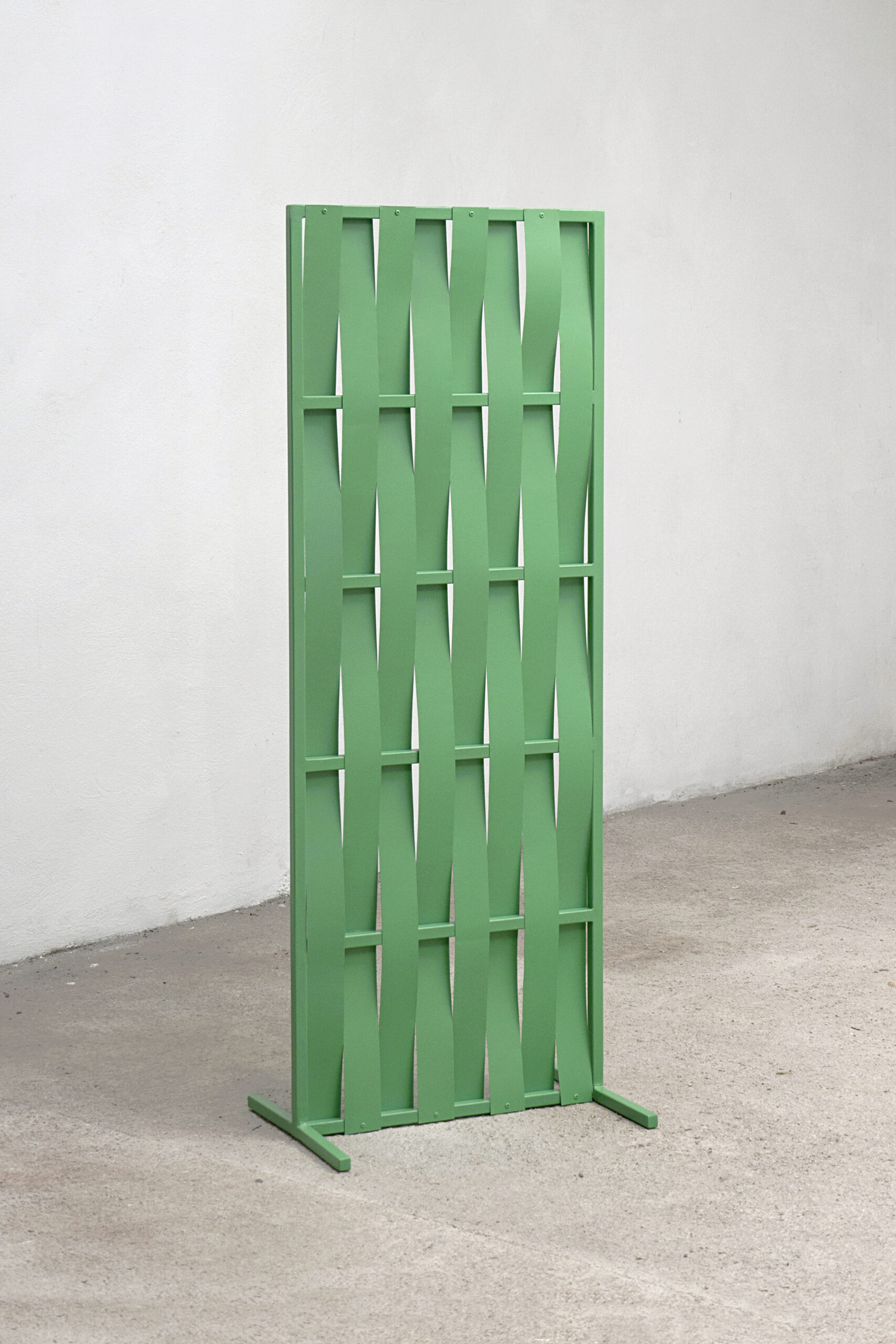
Evy Jokhova is a multidisciplinary artist whose practice explores the intersections of social anthropology, architecture, and philosophy. Working across drawing, sculpture, installation, sound, food, and performance, she investigates how relationships, behaviours, and systems are shaped by architecture, landscape, memory, and social structures. 

Roman Mother is part of Jokhova’s Three Colours series, begun in 2022 and inspired by Krzysztof Kieślowski’s acclaimed film trilogy. Through photography, sculpture, painting, ceramics, and textiles, the series examines the emotional, social, and symbolic associations of colour. Rendered in a purple glaze, Roman Mother combines references to classical sculpture, organic growth, and the maternal body. Blurring the boundary between object and body, the work extends Jokhova’s exploration of embodiment and the ways identity is shaped by physical, emotional, and social experience. 

Exhibitions include Three Colours: Flesh, Lisbon (2025); Oasis, Vilnius (2025); Three Colours: Shadow, Almada (2023); and Art in the Age of the Anthropocene, Tallinn (2020-23). She received the EDP New Artist Award in 2025. 

09 / 31

Fábio Colaço

Untitled (veiled Pope) image

Fábio Colaço

Untitled (veiled Pope)
Dimension: 30 x 40cm
Medium: Óleo sobre tela / Oil on Canvas
Nominated by: Howard Bilton

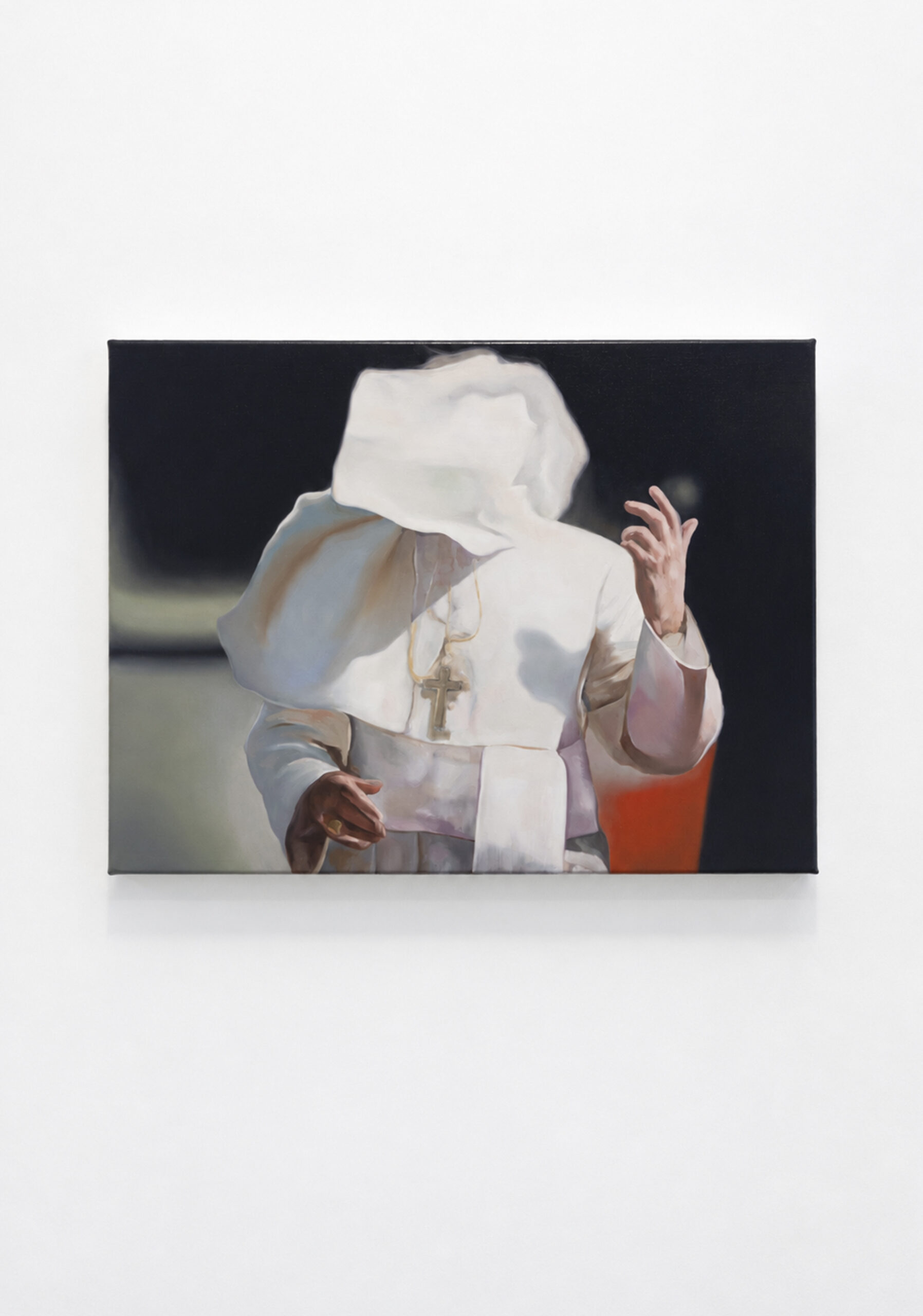
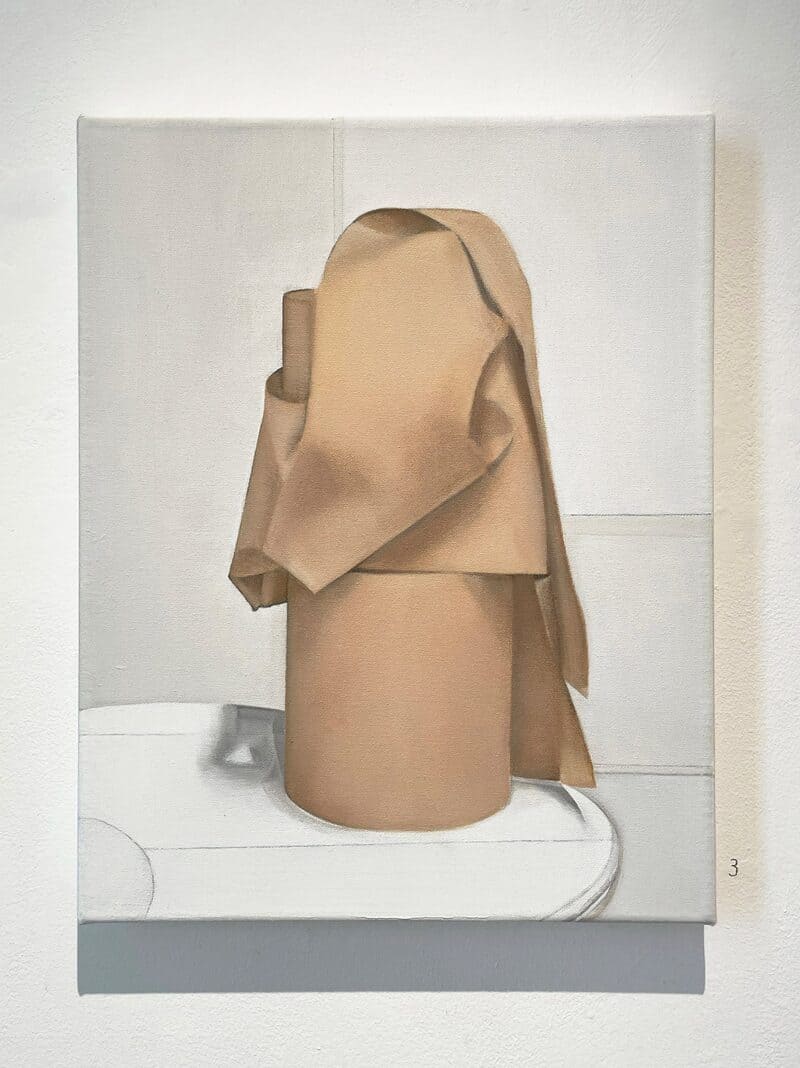
Fábio Colaço é um artista multidisciplinar cuja prática se centra na escultura. Através de objetos comuns, intervenções subtis e deslocamentos simbólicos, explora como as narrativas políticas, económicas e culturais se naturalizam na vida contemporânea. Untitled (veiled Pope) é uma pintura a óleo baseada numa imagem viral do Papa Francisco, com o rosto ocultado pela sua vestimenta. Originalmente partilhada como meme, a imagem é retirada do contexto digital e transformada num objeto de contemplação. A pintura oscila entre identidade e anonimato, humor e solenidade, questionando como as imagens se acumulam, transformam e perdem significado na cultura digital, representação histórica e memória coletiva.

Entre as exposições selecionadas, destacam-se The Technologies of Peace – Art and Transition in Contemporary Europe (1989-2026), IMMA – Irish Museum of Modern Art, Dublin (2026); La vie climatique. Histoires sensibles des collections privées, MAC – Musée d’Art Contemporain, Marselha (2026); ARCO, Madrid (2026); Entre a Palavra e o Silêncio — Obras da Coleção José Carlos Santana Pinto, Museu de Arte Contemporânea Armando Martins, Lisboa (2025); Cruel Optimism, Galerie Alex Serra, Colónia (2025) e Yesterday, Today, Tomorrow, ADN Galeria, Barcelona (2024).


Fábio Colaço is a multidisciplinary artist whose practice centres on sculpture. Through ordinary objects, subtle interventions and symbolic displacements, he explores how political, economic and cultural narratives become naturalised in contemporary life. Untitled (veiled Pope) is an oil painting based on a viral image of Pope Francis with his face concealed by his vestment. Originally shared as a meme, the image is removed from its digital context and transformed into an object of contemplation. The painting oscillates between identity and anonymity, humour and solemnity, questioning how images accumulate, transform and lose meaning across digital culture, historical representation and collective memory.

Selected exhibitions include The Technologies of Peace – Art and Transition in Contemporary Europe (1989-2026), IMMA – Irish Museum of Modern Art, Dublin (2026); La vie climatique. Histoires sensibles des collections privées, MAC – Musée d’Art Contemporain, Marseille (2026); ARCO, Madrid (2026); Entre a Palavra e o Silêncio — Obras da Coleção José Carlos Santana Pinto, MACAM – Museu de Arte Contemporânea Armando Martins, Lisbon (2025); Cruel Optimism, Galerie Alex Serra, Cologne (2025) and Yesterday, Today, Tomorrow, ADN Galeria, Barcelona (2024).

10 / 31

Fidel Évora

Untitled image

Fidel Évora

Untitled
Dimension: 100 x 100cm 
Medium: Serigrafia e tinta spray sobre tela / Screen-print & spray paint over canvas
Nominated by: Yvette R. Simpson

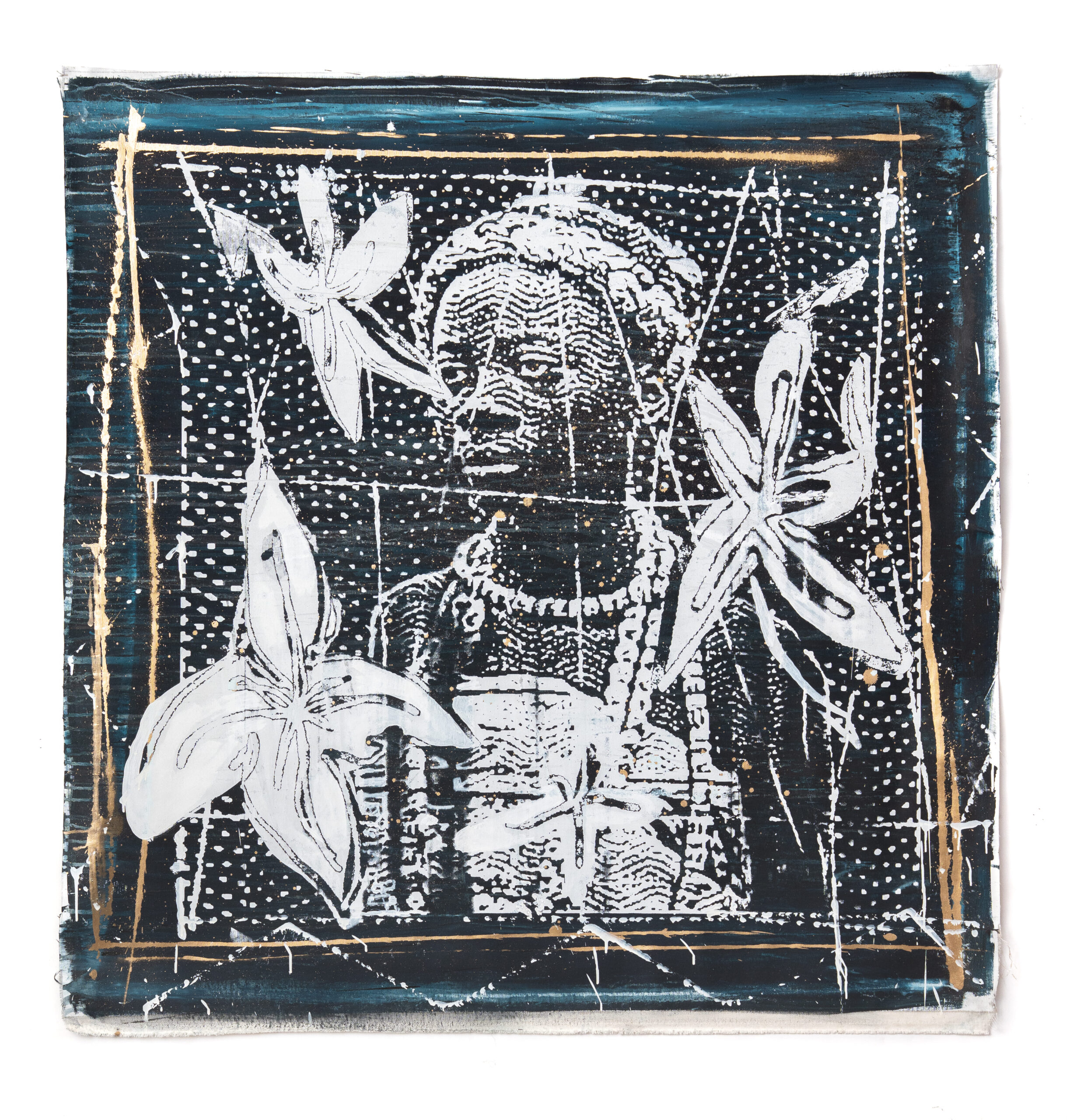
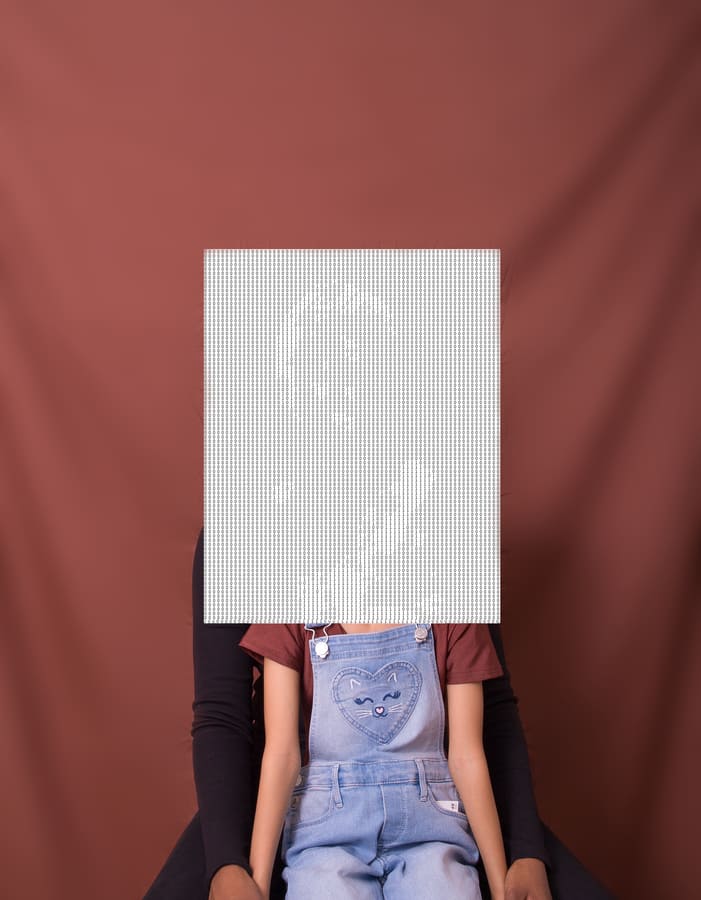
Fidel Évora desenvolve o seu trabalho a partir da convicção de que a Era da Informação absorve tudo, incluindo a realidade, a paisagem e a identidade. Ao transformar imagens digitais em mapas de píxeis, manipula sistemas de memória visual para criar novas composições. Utilizando técnicas analógicas como a serigrafia e a litografia, converte informação digital em imagens à base de carbono que estabelecem uma ponte entre processos tecnológicos e físicos. 

Em Untitled, uma figura solitária surge numa paisagem pontilhada que evoca o continente africano e imagens de líderes da independência como Amílcar Cabral e Patrice Lumumba, olhando para um futuro que outrora pareceu possível. Despojada de cor e derivada de um fluxo digital, a imagem deixa apenas uma flora que se dissolve em estrelas. Um gesto dourado, semelhante a um grafite, reintroduz a mão do artista, esboçando uma moldura inacabada. Como uma marca deixada na paisagem urbana, resiste a uma leitura fechada e preserva a ambiguidade. 

Entre as suas exposições destacam-se Nouvelles Acquisitions, Pressac (2025); Projeto Lugar, Fundação Calouste Gulbenkian, Lisboa (2024); e 1-54 Contemporary Art Fair, Londres (2024). A sua obra integra importantes coleções portuguesas. 


Fidel Évora’s work is driven by the belief that the Information Age absorbs everything, including reality, landscape, and identity. By transforming digital images into pixel maps, he manipulates systems of visual memory to create new compositions. Using analogue techniques such as screen printing and lithography, Évora converts digital information into carbon-based images that bridge technological and physical processes. 

In Untitled, a solitary figure stands within a stippled landscape that recalls the African continent and images of independence leaders such as Amílcar Cabral and Patrice Lumumba, gazing towards a future that once seemed possible. Stripped of colour and derived from a digital feed, the image leaves only flora that dissolves into stars. A gold, graffiti-like gesture reintroduces the artist’s hand, sketching an unfinished frame. Like a mark left in the urban landscape, it resists neat containment and preserves ambiguity. 

Fidel Évora’s exhibitions include Nouvelles Acquisitions, Pressac (2025); Projeto Lugar, Fundação Calouste Gulbenkian, Lisbon (2024); and 1-54 Contemporary Art Fair, London (2024). His work is held in major Portuguese collections. 

11 / 31

Flávia Vieira

Palo de Campeche #2 image

Flávia Vieira

Palo de Campeche #2
Dimension: 150 x 50 x 50cm
Medium: Escultura em cerâmica e aço inoxidável / Ceramic and stainless steel sculpture
Nominated by: António Ponte, Brooke Waterhouse

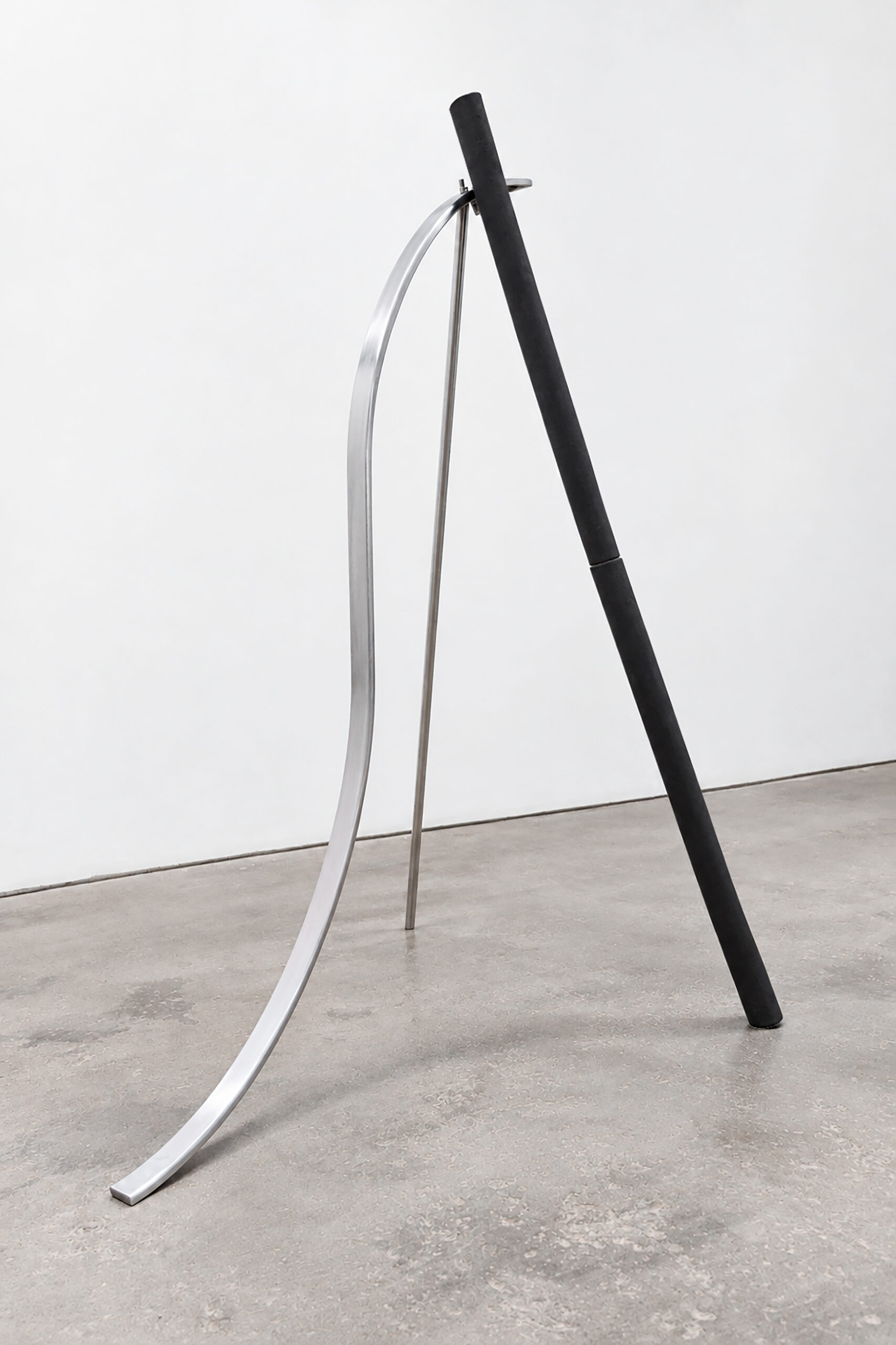
Flávia Vieira desenvolve uma prática que explora as interseções entre ecologia, história colonial e identidade. Através de instalações assentes na investigação, que combinam cerâmica, têxteis, imagem e som, examina de que forma os legados coloniais continuam a moldar os processos de classificação, domesticação e gestão dos seres vivos. 

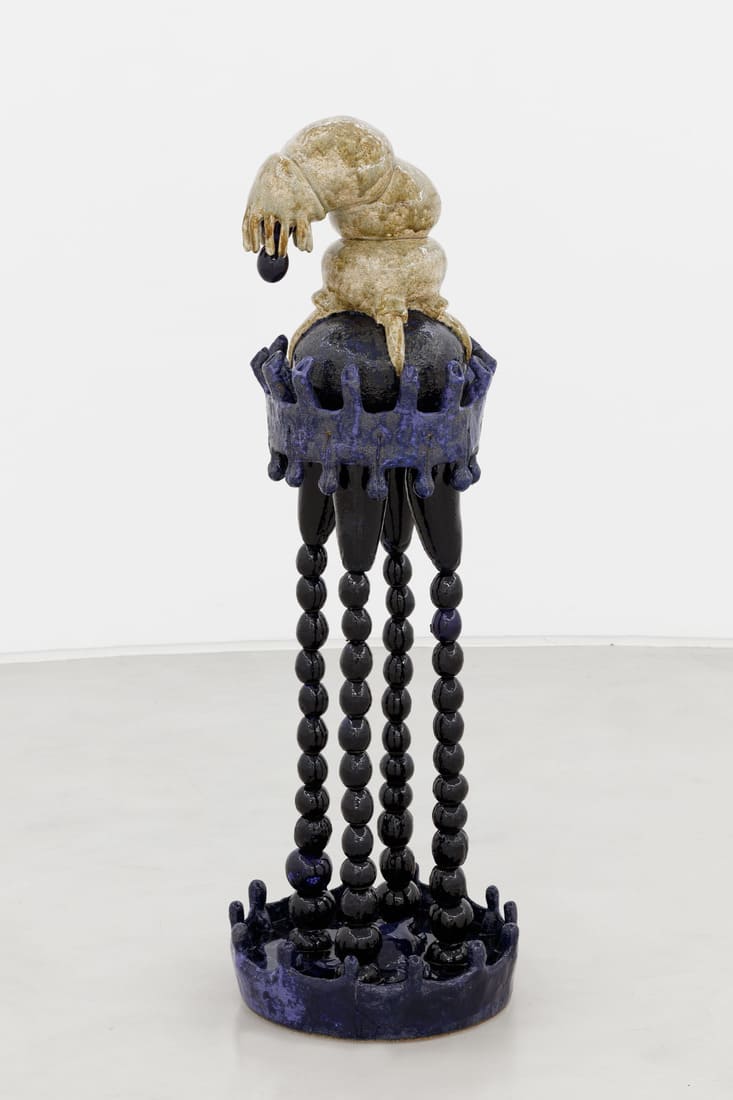
Em Palo de Campeche #2, Vieira parte da história do pau-de-campeche, árvore nativa da Península de Iucatão, no México, cujo corante negro se tornou fundamental para as economias extrativas coloniais. Trabalhando com cerâmica e aço inoxidável, a artista traça histórias de circulação, apropriação e transformação inscritas neste material. Construída como uma estrutura de equilíbrio precário, a forma curvilínea da obra evoca tanto o crescimento orgânico da árvore como as peças de vestuário outrora tingidas com o seu pigmento, refletindo sobre a forma como os recursos naturais são transformados e culturalmente redefinidos. 

Flávia Vieira apresentou as suas exposições destacam-se O tienes amor o comes barro, Burgos (2025); Pau-Campeche, Lisboa (2025); Pele de barro, Coimbra (2025); El otro color, Museo Nacional del Prado, Madrid (2024); e Milagro, Guimarães (2024-25). Em 2023, foi distinguida com uma residência de mobilidade no Matadero Madrid. 


Flávia Vieira’s practice explores the intersections of ecology, colonial history, and identity. Through research-driven installations combining ceramics, textiles, image, and sound, she examines how colonial legacies continue to shape the ways living beings are classified, domesticated, and managed. 

In Palo de Campeche #2, Vieira draws on the history of the Palo de Campeche tree, native to Mexico’s Yucatán Peninsula, whose black dye became integral to colonial extractive economies. Working with ceramic and stainless steel, she traces the histories of circulation, appropriation, and transformation embedded in the material. Constructed as a precarious balancing structure, the work’s curved form evokes both the organic growth of the tree and the garments once coloured by its pigment, reflecting on how natural resources are transformed and culturally redefined. 

Flávia Vieira’s exhibitions include O tienes amor o comes barro, Burgos (2025); Pau-Campeche, Lisbon (2025); Pele de barro, Coimbra (2025); El otro color, Museo Nacional del Prado, Madrid (2024); and Milagro, Guimarães (2024-25). She was awarded a mobility residency at Matadero Madrid in 2023.

12 / 31

Gabriela Albergaria

Fixing imperfections #3A image

Gabriela Albergaria

Fixing imperfections #3A
Dimension: 160 x 160cm
Medium: Paus de madeira e massa de modelar sem enxofre, pintura de parede / Wooden sticks and sulfur-free modelling clay, wall painting
Nominated by: Emília Ferreira

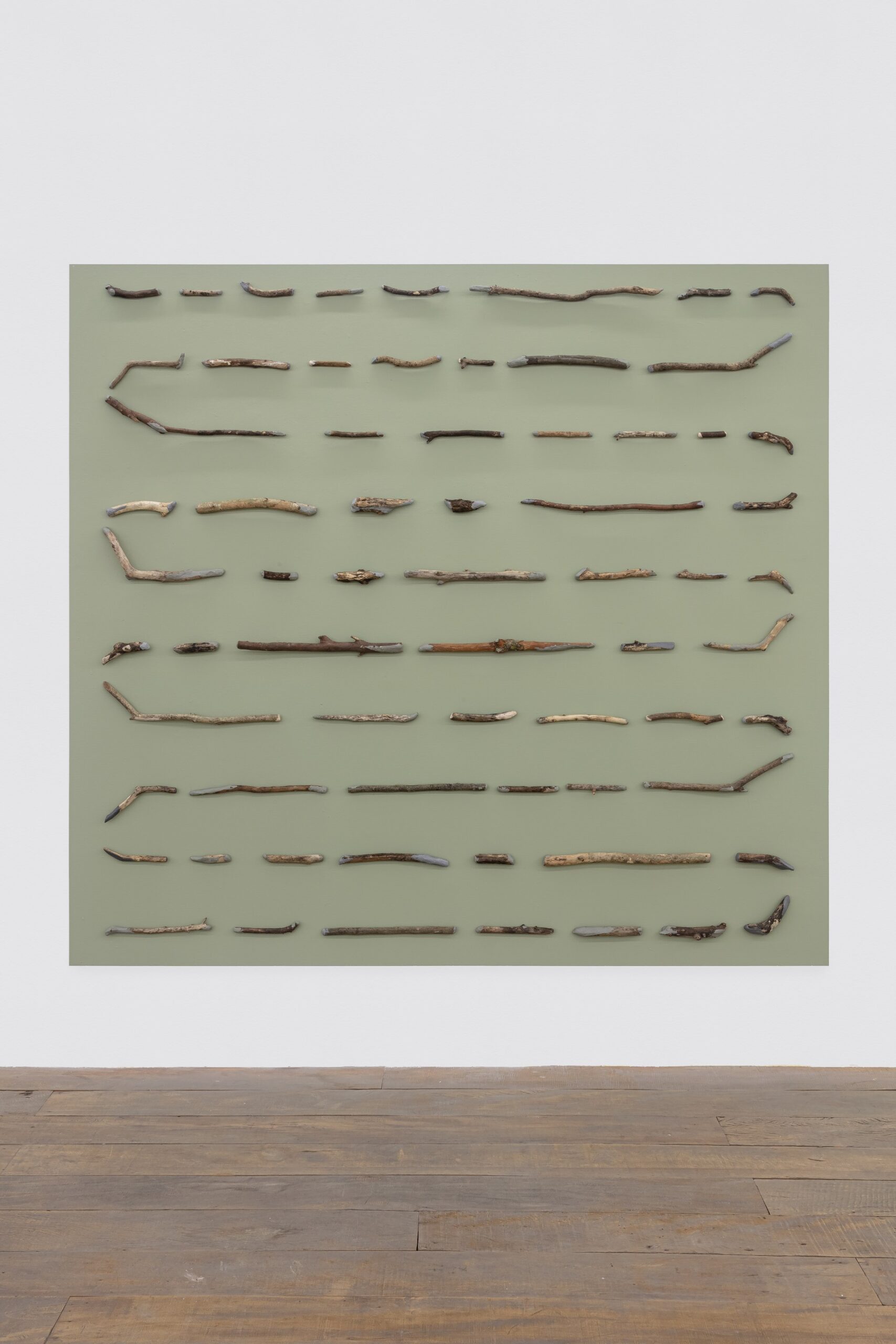
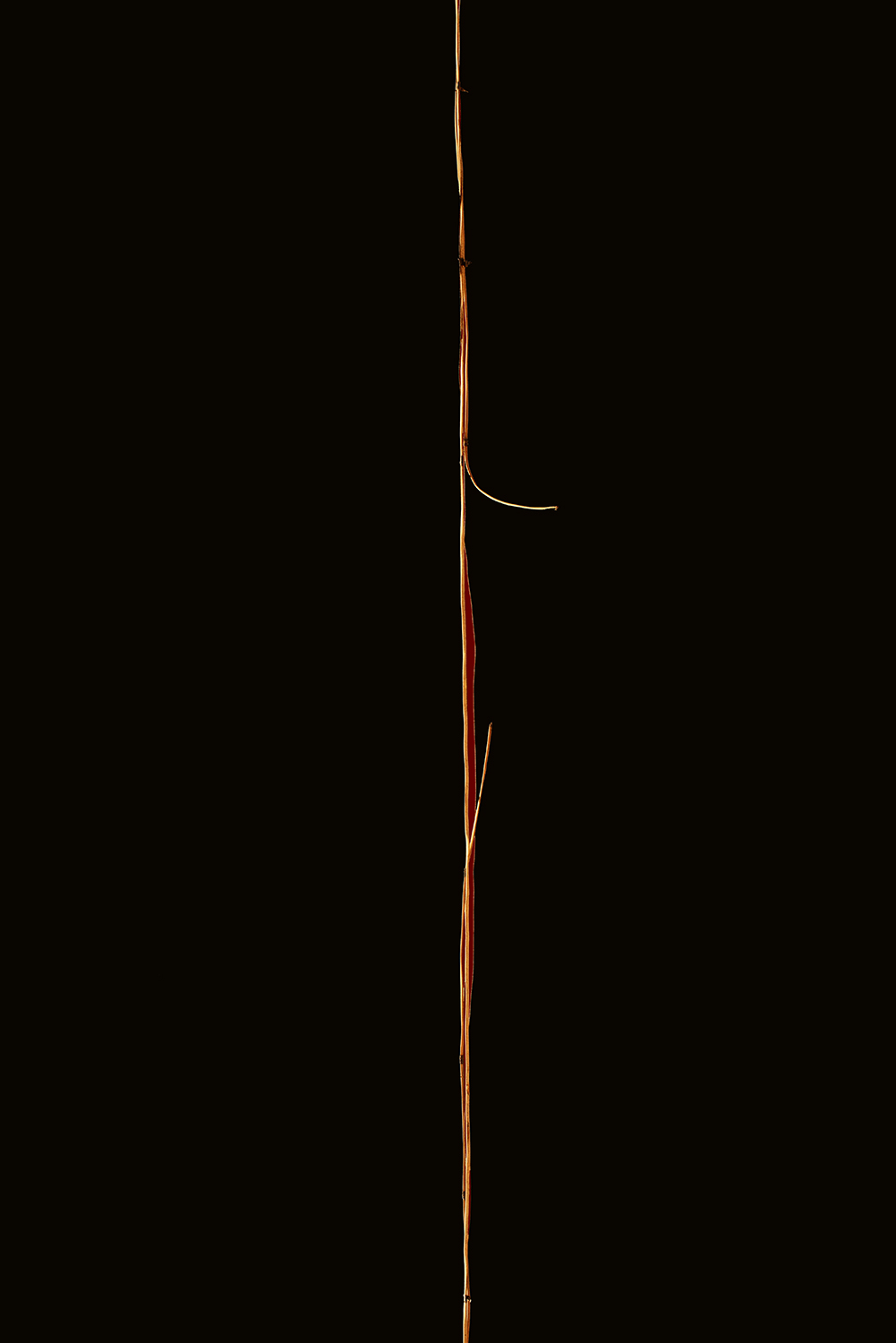
A natureza está no centro da prática de Gabriela Albergaria. Através de jardins, paisagens e da circulação das plantas, a artista examina as forças culturais, históricas e económicas que moldam o mundo natural, abordando frequentemente as lógicas extrativistas do colonialismo. O seu trabalho mais recente tem-se centrado na destruição urgente dos ecossistemas, explorando a regeneração, a recuperação, a reutilização e a questão do desperdício através de intervenções poéticas com materiais, objetos e práticas negligenciadas. 

Fixing Imperfections #3 nasceu do hábito de Albergaria de recolher paus em decomposição durante caminhadas por parques e florestas. Depois de limpos e tratados no estúdio, os ramos são congelados para abrandar o processo de degradação, antes de as zonas em falta serem “corrigidas” com massa de modelar sem enxofre, resultando em gestos subtis de reparação. As esculturas daí resultantes reconhecem tanto a inevitabilidade da decadência como a possibilidade de reparação. 

Entre as exposições de Gabriela Albergaria destacam-se A Pedra Espera Ainda dar Flor, Galeria Vermelho, São Paulo (2025-26); Season to Rest or Reparar, Réparer, Sapar Contemporary, Nova Iorque (2025); e Underground. Exploring Ecosystems, Museo Villa dei Cedri, Bellinzona (2024). 


Nature is central to Gabriela Albergaria’s practice. Through gardens, landscapes, and the movement of plants, she examines the cultural, historical, and economic forces that shape the natural world, often addressing the extractive logics of colonialism. Her recent work has focused on the urgent destruction of ecosystems, exploring regeneration, recovery, reuse, and the question of waste through poetic interventions with materials, objects and neglected practices.

Fixing imperfections #3 grew out of the Albergaria’s routine of collecting rotten sticks during walks through parks and forests.  After being cleaned and treated in the studio, the branches are frozen to slow down their decomposition before areas of loss are “corrected” with sulphur-free plasticine, resulting in subtler acts of repair. The resulting sculptures acknowledge both the inevitability of decay and the possibility of repair. 

Gabriela Albergaria’s exhibitions include A Pedra Espera Ainda dar Flor, Galeria Vermelho, São Paulo (2025-6); Season to Rest or Reparar, Rèparer, Repair Sapar Contemporary, New York (2025) and Underground. Exploring Ecosystems, Museo Villa Dei Cedri, Bellinzona (2024). 

13 / 31

Gabriel Garcia

The Art of Not Yielding image

Gabriel Garcia

The Art of Not Yielding
Dimension: 120 x 150cm
Medium: Óleo sobre tela / Oil on canvas
Nominated by: Graça Rodrigues

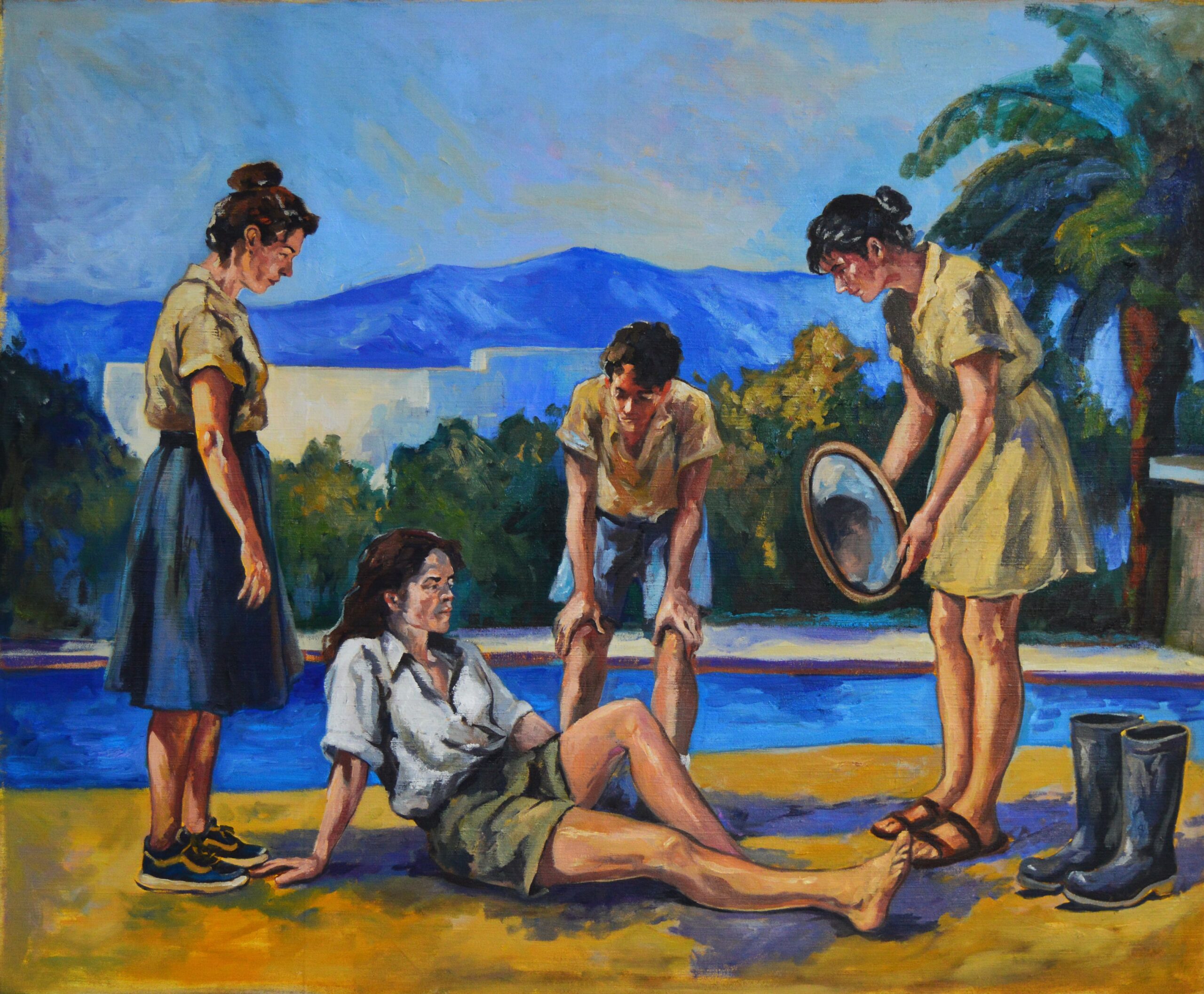
A prática de Gabriel Garcia assenta na pintura figurativa, tendo a figura humana como presença constante ao longo da sua obra. Sejam solitárias ou em grupo, as suas figuras transportam camadas de memória, emoção e narrativa. Em The Art of Not Yielding, quatro mulheres reúnem-se em torno de uma figura sentada numa cena marcada pelo cuidado, pela atenção e pelo apoio mútuo. Os seus gestos formam um círculo de solidariedade, transformando a vulnerabilidade em força coletiva. Um espelho introduz temas de autorreconhecimento e reflexão, sugerindo como a identidade é moldada pelo olhar dos outros. Tendo como pano de fundo uma paisagem luminosa, as figuras parecem suspensas fora do tempo. Através da cor, do gesto e da composição, Garcia explora a força duradoura da ligação humana.  

As suas exposições incluem Arquiteturas do Invisível, Auditório Municipal Augusto Cabrita, Barreiro (2026); Com a proa aproada ao destino, Museu de Angra do Heroísmo, Terceira (2025); Perspectiva 24, Fundação Bienal de Cerveira, Cerveira (2023); e Variations Portugaises, Centre d’Art Contemporain de Meymac, França (2018). Foi distinguido com o Prémio de Aquisição na 16.ª Bienal de Cerveira (2011). 


Gabriel Garcia’s practice is rooted in figurative painting, with the human figure a constant presence throughout his work. Whether solitary or grouped, his figures carry layers of memory, emotion, and narrative. In The Art of Not Yielding, four women gather around a seated figure in a scene shaped by care, attention, and mutual support. Their gestures form a circle of solidarity, transforming vulnerability into collective strength. A mirror introduces themes of self-recognition and reflection, suggesting how identity is shaped through the gaze of others. Set against a luminous landscape, the figures appear suspended outside time. Through colour, gesture, and composition, Garcia explores the enduring power of human connection.  

Garcia’s exhibitions include Arquiteturas do Invisível, Auditório Municipal Augusto Cabrita, Barreiro (2026); Com a proa aproada ao destino, Museu de Angra do Heroísmo, Terceira (2025); Perspectiva 24, Fundação Bienal de Cerveira, Cerveira (2023) and Variations Portugaises, Centro de Arte Contemporânea de Meymac, França (2018). He won the Acquisition Award at the 16th Cerveira Biennial (2011). 

14 / 31

Hugo Cantegrel

Another Dream Come True VIII image

Hugo Cantegrel

Another Dream Come True VIII
Dimension: 100 x 150cm
Medium: mpressão UV sobre alumínio, moldura de alumínio, estrutura de madeira / UV print on aluminum, aluminum frame, wooden structure
Nominated by: Benjamin Gonthier, Kean Paker, Merve Pakyürek

Hugo Cantegrel desenvolve uma prática que reconhece a natureza relativa da verdade e as fronteiras fluidas entre realidade, interpretação e ficção. Trabalhando com uma ampla variedade de meios e uma linguagem visual distinta e lúdica, transforma acontecimentos do quotidiano através de utilizações inesperadas de materiais, criando momentos de envolvimento estético e intelectual. 

Em Another Dream Come True VIII, imagens impressas em alumínio captam um pequeno avião sobre Santa Cruz a desenhar no céu a frase “another dream come true”. O gesto é simultaneamente simples e absurdo, um voo que transporta uma promessa profundamente humana. Interessado na tensão entre realidade e ficção, entre o instante fugaz e a sua pós-imagem, Cantegrel transforma um acontecimento efémero em algo que perdura. As fotografias captam um momento passageiro, mas resistem a um significado fixo, deixando espaço para a memória, a projeção e a reflexão. 

Entre as exposições de Hugo Cantegrel destacam-se ARCOlisboa, Lisboa (2026); Todas as coisas que nos fazem, Galeria Foco, Lisboa (2026); The Last Dance, Galeria Plato, Porto (2025); From the Bottom of my Heart, Ostra Practice, Lisboa (2024); e Art Brussels, Bruxelas (2023). 


Hugo Cantegrel’s practice acknowledges the relative nature of truth and the fluid boundaries between reality, interpretation, and fiction. Working across a wide range of media with a distinctive and playful visual language, he transforms everyday occurrences through unexpected uses of materials, creating moments of aesthetic and intellectual engagement. 

In Another Dream Come True VIII, images printed on aluminium capture a small aircraft flying over Santa Cruz, trailing the phrase “another dream come true” across the sky. The gesture is simple and absurd at the same time, carrying a promise that feels deeply human. Drawn to the tension between reality and fiction, and between a fleeting moment and its afterimage, Cantegrel transforms an ephemeral event into something that lingers. The photographs capture a passing moment yet resist fixed meaning, leaving space for memory, projection, and reflection. 

Hugo Cantegrel’s exhibitions include ARCOlisboa, Lisbon (2026); Todas as coisas que nos fazem, Galeria Foco, Lisbon (2026); The Last Dance, Porto (2025); From the Bottom of my Heart, Lisbon (2024); and Art Brussels, Brussels (2023).

15 / 31

Jacira da Conceição

INTERIOR II image

Jacira da Conceição

INTERIOR II
Dimension: 125 x 50 x 50cm
Medium: Cerâmica, engobes e óxido de ferro / Ceramic, engobes and iron oxide
Nominated by: Nancy Dantas

A prática artística de Jacira da Conceição desenvolve-se sobretudo em cerâmica. Transita do pote para a escultura, centrada nas cerâmicas de mulheres afrodescendentes no Atlântico, e interroga a identidade, a auto-representação, o feminismo e as epistemologias femininas do fazer. 

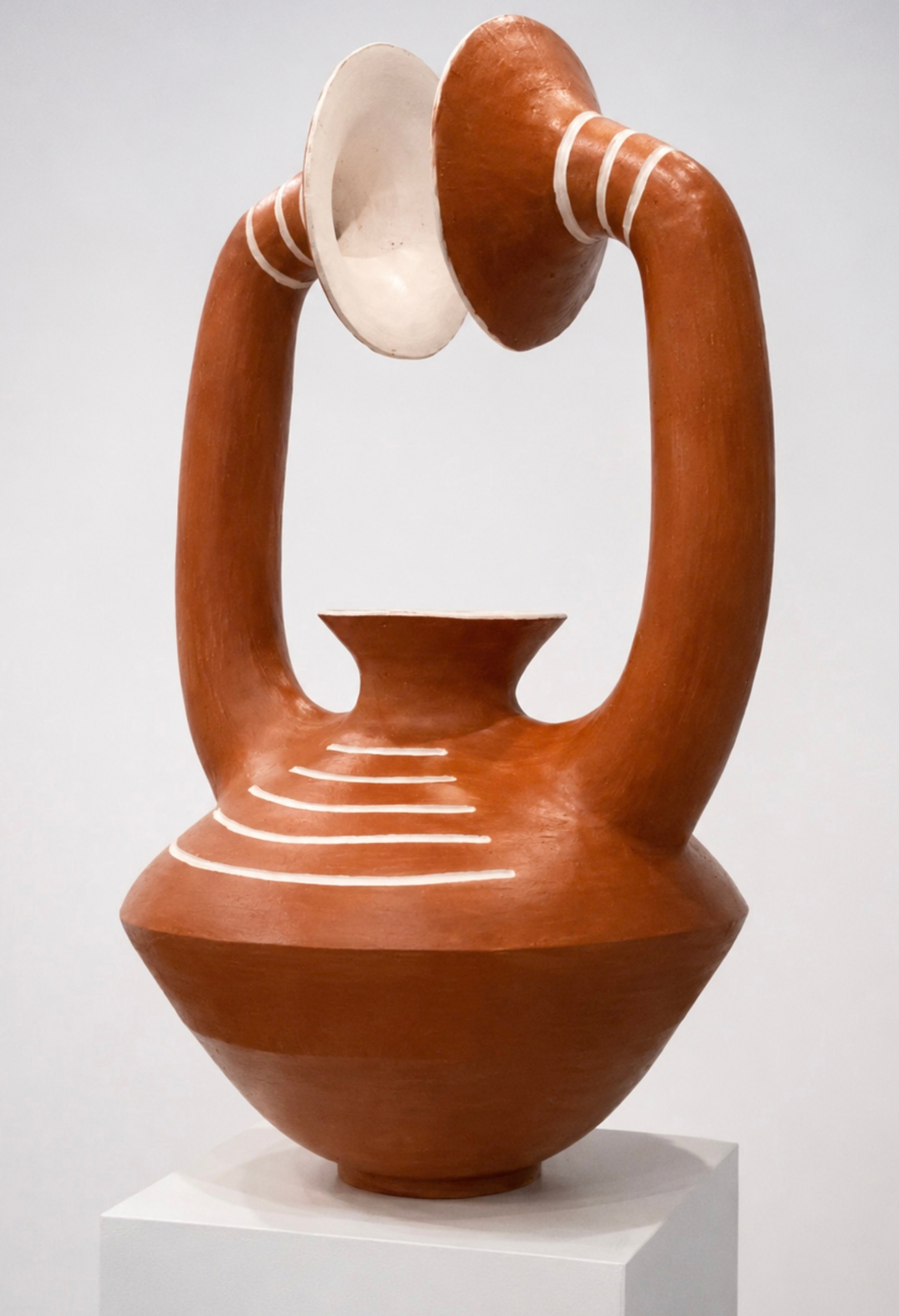
Interior II ressignifica o pote cabo-verdiano. Modelada à mão em barro vermelho, a obra parte do vocabulário que a cerâmica partilha com o corpo humano e ganha dois braços que, erguidos dos ombros, evocam uma figura feminina. A artista torna poeticamente visível o interior da forma e convoca a memória, a linhagem e os gestos do conhecimento transmitido. 

Do seu percurso destacam-se a performance Kaminhu d’Água, VERBO, 18.ª edição, São Luís, Maranhão, Brasil (2026); Kabelu na Kordon, Galeria Municipal de Montemor-o-Novo, Portugal (2025); Corpo-Ilha, Espaço Atrium da Fundação Eugénio de Almeida, Évora, Portugal (2025); O Quilombismo, Haus der Kulturen der Welt, Berlim, Alemanha (2023); e O Estado do Mundo, Museu do Atlântico Sul, Pavilhão Branco, Galerias Municipais de Lisboa, Portugal (2022). 


Jacira da Conceição’s artistic practice unfolds mainly in ceramics. It moves from the pot into sculpture, centred on ceramics by women of African descent in the Atlantic, and addresses identity, self-representation, feminism and female epistemologies of making. 

Interior II redefines the traditional Cape Verdean pot. Hand-built from red clay, the piece draws upon the anatomical vocabulary shared by ceramics and the human body. Two arms rise from its shoulders, evoking a female form. By making the vessel’s interior poetically visible, Jacira da Conceição conjures memory, lineage, and the ancestral gestures of transmitted knowledge. 

Highlights include the performance Kaminhu d’Água, VERBO, 18th edition, São Luís, Maranhão, Brazil (2026); Kabelu na Kordon, Montemor-o-Novo Municipal Gallery, Portugal (2025); Corpo-Ilha, Atrium Space, Eugénio de Almeida Foundation, Évora, Portugal (2025); O Quilombismo, Haus der Kulturen der Welt, Berlin, Germany (2023); and O Estado do Mundo, Museu do Atlântico Sul, Pavilhão Branco, Lisbon Municipal Galleries, Portugal (2022).

16 / 31

João Campolargo Teixeira

Divertimento (after O’Neill), 2026 image

João Campolargo Teixeira

Divertimento (after O’Neill), 2026
Dimension: 648 x 250 x 50cm
Medium: Vidro, árgon e som / Glass, argon and sound

A prática multidisciplinar de João Campolargo Teixeira explora as relações entre desenho, escultura, som e linguagem. Utilizando o desenho como um enquadramento conceptual através do qual as formas visuais podem ser entendidas como notação, ritmo e experiência temporal, o seu trabalho esbate frequentemente as fronteiras entre o ver e o ouvir, convidando o espectador a considerar a escultura e a imagem nas suas dimensões acústicas e performativas.  

Divertimento (After O’Neill) é uma obra de luz e som inspirada em quatro poemas visuais de Divertimento com Sinais Ortográficos (1960), de Alexandre O’Neill. Através da tradução de sinais poéticos em som e luz, a obra reflete o interesse continuado de Teixeira pela linguagem enquanto imagem e forma sonora, criando um espaço onde leitura, escuta e perceção se cruzam.  

As exposições de João Campolargo Teixeira incluem The Fall, Zaratan – Arte Contemporânea, Lisboa (2026); O Banquete, Galeria Nave, Lisboa (2026); Day in, Day out, Galeria Diferença, Lisboa (2025); Perspetiva 24, Fórum Cultural de Vila Nova de Cerveira, Vila Nova de Cerveira (2023); e Ágora – Bienal de Arte Contemporânea da Maia, Fórum da Maia, Maia (2021).


João Campolargo Teixeira’s multidisciplinary practice explores the relationships between drawing, sculpture, sound, and language. Using drawing as a conceptual framework through which visual forms can be understood as notation, rhythm, and temporal experience, his work often blurs the boundaries between seeing and listening, inviting viewers to consider sculpture and image through their acoustic and performative dimensions.  

Divertimento (After O’Neill) is a light and sound work inspired by four visual poems from Alexandre O’Neill’s Divertimento com Sinais Ortográficos (1960). Through the translation of poetic signs into sound and light, the work reflects Teixeira’s ongoing interest in language as both image and sonic form, creating a space where reading, listening, and perception intersect.  

João Campolargo Teixeira’s exhibitions include The Fall, Zaratan – Arte Contemporânea, Lisbon (2026); O Banquete, Galeria Nave, Lisbon (2026); Day in, Day out, Galeria Diferença, Lisbon (2025); Perspetiva 24, Fórum Cultural de Vila Nova de Cerveira, Vila Nova de Cerveira (2023); and Ágora – Bienal de Arte Contemporânea da Maia, Fórum da Maia, Maia (2021).

17 / 31

José António Quintanilha

Montanhas Azuis I - II (BLUE MOUNTAINS I - II) image

José António Quintanilha

Montanhas Azuis I – II (BLUE MOUNTAINS I – II)
Dimension: 18.5 x 18.5 x 14cm x 2pcs
Medium: Instalação em técnica mista / Mixed media installation
Nominated by: Teresa Vitoria

Trabalhando entre a fotografia, a escultura e a instalação, José António Quintanilha explora aquilo que permanece inacessível: os espaços entre presença e ausência, permanência e desaparecimento, visibilidade e obscuridade. A sua obra cria encontros suspensos com o familiar, onde o significado permanece em aberto e a incerteza se torna uma força geradora. 

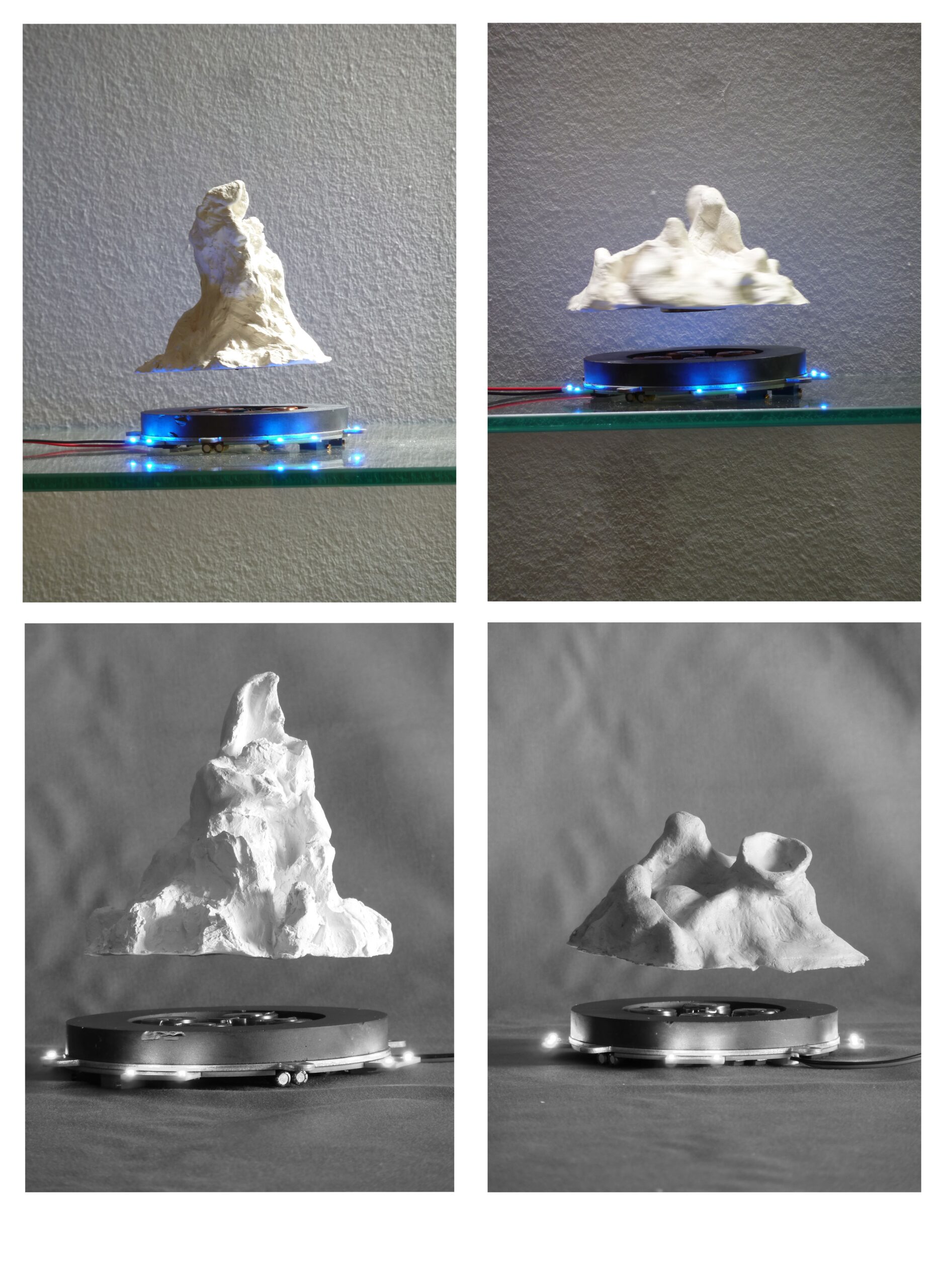
Blue Mountains é composta por duas esculturas de barro modeladas à mão, suspensas por um sistema magnético analógico oculto e equipadas com iluminação LED. Colocando a escultura baseada na terra em diálogo com uma tecnologia invisível, a obra encena uma tensão entre peso e leveza, o tangível e o imaterial. Inspirada no Sutra das Montanhas e das Águas e nas Blue Mountains da Austrália, trata o ar como uma força ativa de sustentação e movimento. Suspensas entre a queda e a ascensão, as esculturas existem num estado de equilíbrio contínuo. 

Entre as exposições de Quintanilha destacam-se INCIPIT, Museu Nacional de História Natural e da Ciência, Lisboa (2025); Where the Invisible Breathes, Biblioteca NOVA FCT, Lisboa (2025); While the World Moves, Município de Coimbra, Coimbra (2023); e The Apple’s Memories, Museu/Casa Bocage, Setúbal (2022). Em 2019, venceu o Prémio da Bienal de Fotografia de Vila Franca. 


Working across photography, sculpture, and installation, José António Quintanilha explores what remains inaccessible: the spaces between presence and absence, permanence and disappearance, visibility and obscurity. His work creates suspended encounters with the familiar, where meaning remains open and uncertainty becomes a generative force. 

Blue Mountains comprises two hand-worked clay sculptures suspended by a concealed analogue magnetic system and fitted with LED lighting. Bringing earth-based sculpture into dialogue with invisible technology, the work stages a tension between weight and lightness, the tangible and the immaterial. Drawing on the Sutra of Mountains and Waters and Australia’s Blue Mountains, it treats air as an active force of support and movement. Suspended between falling and rising, the sculptures exist in a state of continual balance. 

Quintanilha’s exhibitions include INCIPIT, Museu Nacional de História Natural e da Ciência, Lisbon (2025); Where the Invisible Breathes, NOVA FCT Library, Lisbon (2025); While the World Moves, Municipal de Coimbra, Coimbra (2023) and The Apple’s Memories, Museu/Casa Bocage, Setúbal (2022). In 2019, he won the Vila Franca Photography Biennial Prize. 

18 / 31

José Pedro Cortes

Watermelon on Volcanic Soil, 2025 image

José Pedro Cortes

Watermelon on Volcanic Soil, 2025
Dimension: 140 x 95cm
Medium: Impressão Inkjet sobre Papel Mate de Arquivo /  Inkjet Print on Archival Matt Paper
Edition: Edition of 3 + 2AP
Nominated by: Sofia Coombe

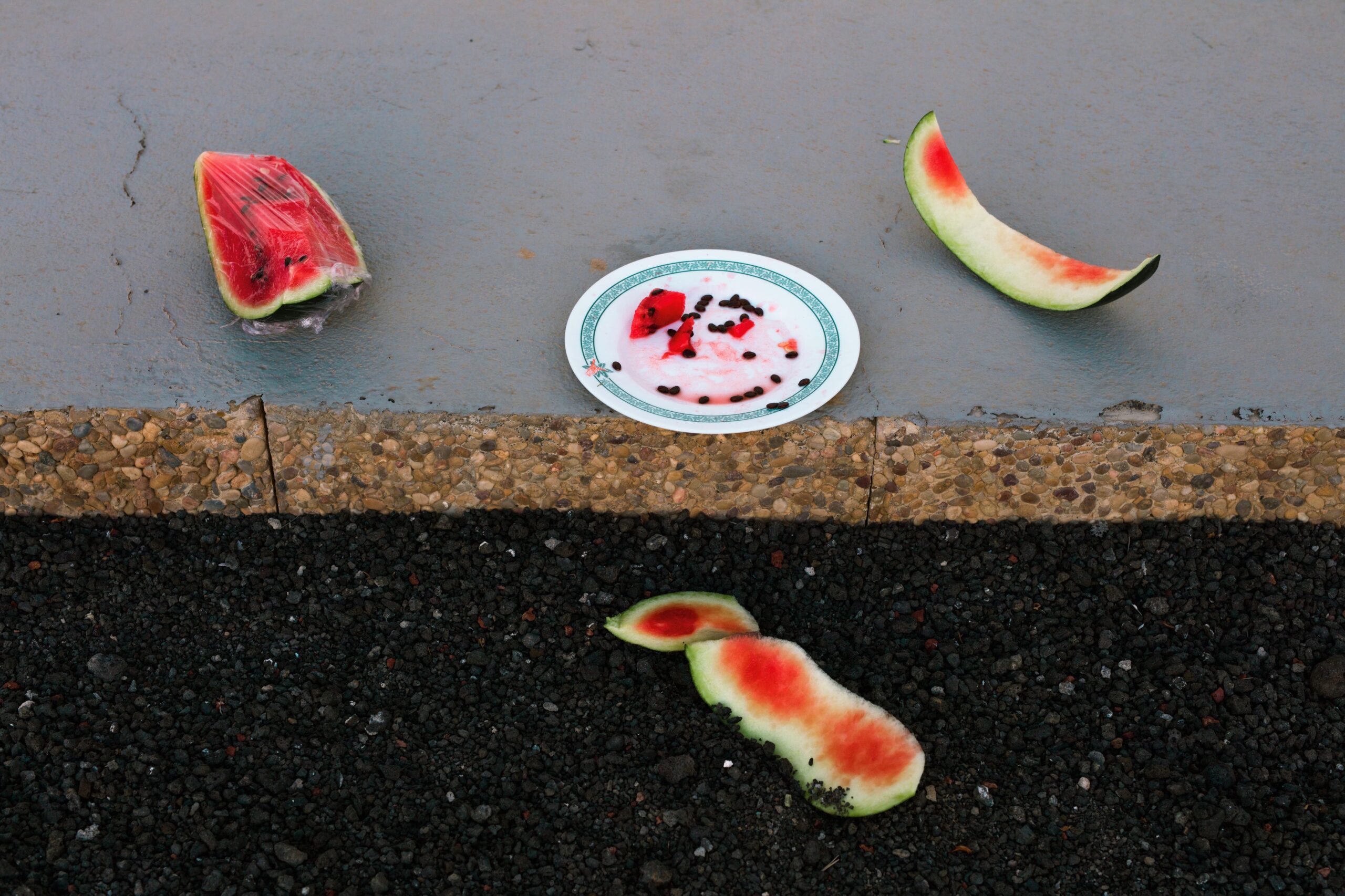
José Pedro Cortes é um fotógrafo e editor português cuja prática explora a paisagem, a identidade e a presença humana através de diversas abordagens fotográficas, da imagem a cores e a preto e branco ao flash direto e à luz natural. Nesta fotografia, uma melancia aberta repousa sobre o escuro solo vulcânico de Lanzarote. Os vermelhos e verdes vibrantes do fruto contrastam com a paisagem negra e texturada da ilha, chamando a atenção para a relação entre o crescimento orgânico e as forças elementares que moldam o território. Através de uma composição simples e cuidadosamente observada, a obra transforma um motivo quotidiano num estudo de cor, forma e lugar.  

As obras de José Pedro Cortes foram publicadas no seu livro Casa Capital, Pierre von Kleist Editions (2026), apresentadas na Walk & Talk Arts Biennial, Açores (2025), e exibidas em Patrícia, Galeria Francisco Fino (2023); Bright Red, Robert Morat Galerie (2022); e Um Realismo Necessário, MNAC – Museu Nacional de Arte Contemporânea, Lisboa (2018).  


José Pedro Cortes is a Portuguese photographer and editor whose practice explores landscape, identity, and human presence through a range of photographic approaches, from colour and black-and-white imagery to hard flash and natural light. In this photograph, an open watermelon rests on the dark volcanic soil of Lanzarote. The vivid reds and greens of the fruit stand in striking contrast to the island’s black, textured landscape, drawing attention to the relationship between organic growth and the elemental forces that shape the terrain. Through a simple, carefully observed composition, the work transforms an everyday subject into a study of colour, form, and place.  

José Pedro Cortes’ works have been published in his book Casa Capital, Pierre von Kleist editions (2026), shown at the Walk & Talk Arts Biennial, Azores (2025); and exhibited at Patrícia, Galeria Francisco Fino (2023); Bright Red, Robert Morat Galerie (2022); and Um Realismo Necessário, MNAC – Museu Nacional de Arte Contemporânea, Lisbon (2018). 

19 / 31

Luis Carballo

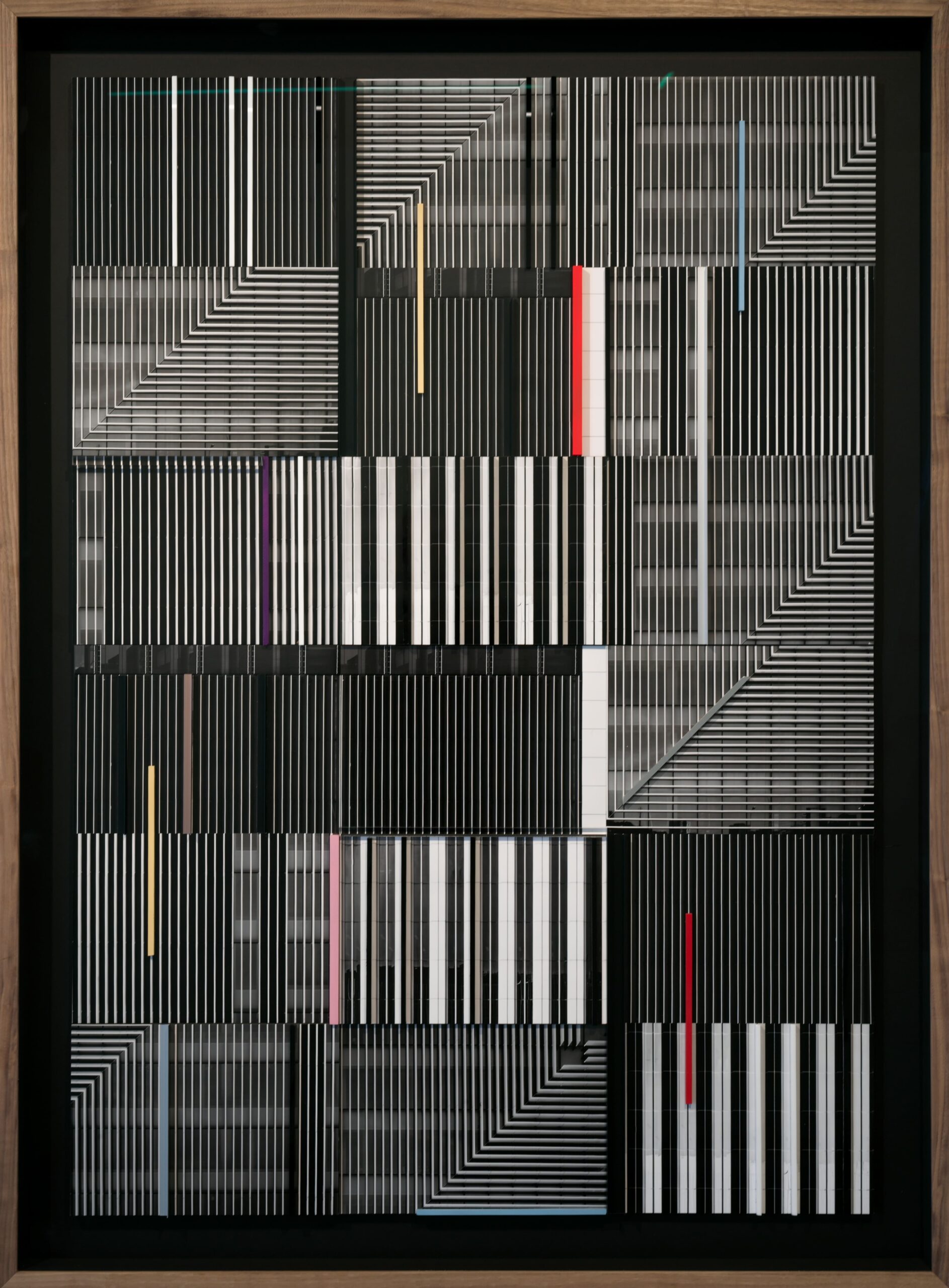
HIATUSES image

Luis Carballo

HIATUSES
Dimension: 141.5 x 104cm 
Medium: Fotografia, acrílico cortado a laser, alumínio, tinta acrílica / Photography, laser-cut acrylic, aluminium, acrylic paint
Nominated by: Diana Williams

A prática de Luis Carballo explora a transformação da fotografia para além da sua função documental, expandindo-a para objetos tridimensionais. Carballo desconstrói e recompõe  cenas urbanas através da intervenção material e espacial na fotografia, em constante mudança em relação aos próprios movimentos do observador. A formação académica de Carballo em psicologia e comunicação visual moldou um interesse contínuo pela perceção, pela memória e pela forma como construímos significado a partir de realidades fragmentadas. HIATUSES teve como ponto de partida fotografias de arquitetura; a imagem é fragmentada em camadas de acrílico cortadas a laser, criando uma composição que se altera consoante a posição do espectador. Estruturas lineares repetidas evocam ordem e estabilidade, enquanto interrupções deliberadas — através de variações de profundidade, quebras na continuidade e subtis toques de cor — perturbam esta lógica visual. Em vez de representar a arquitetura, a obra utiliza-a como linguagem visual para investigar a relação entre estrutura e interrupção. 

Carballo expôs em Hiatuses and Controversies, na Galeria Módulo Twist, em Lisboa (2026); Apologia for Balance, na Feira de Arte JUSTMAD, em Madrid (2026); Apologia for Balance, na Galeria Módulo Twist, em Lisboa (2025) e Apologia del Equilibrio, na AF Galería, em Vigo (2025). 


Luis Carballo’s practice explores the transformation of photography beyond its documentary function, expanding it into three-dimensional objects. Carballo deconstructs and reassembles  urban scenes through material and spatial intervention with photography, ever-changing in relation to the viewer’s own movements. Carballo’s academic background in psychology and visual communication has shaped an ongoing interest in perception, memory and the way we construct meaning from fragmented realities. HIATUSES started from architectural photographs, the image is fragmented into laser-cut acrylic layers, creating a composition that shifts with the Carballo’s interruptions, through changes in depth, breaks in continuity and subtle accents of colour, disrupt this visual logic. Rather than representing architecture, the work uses it as a visual language to investigate the relationship between structure and interruption. 

Carballo’s exhibitions include Hiatuses and Controversies, Módulo Twist Gallery, Lisbon (2026); Apologia for Balance, JUSTMAD Art Fair, Madrid (2026); Apologia for Balance, Módulo Twist Gallery, Lisbon (2025) and Apología del Equilibrio, AF Galería, Vigo (2025). 

20 / 31

Mané Pacheco

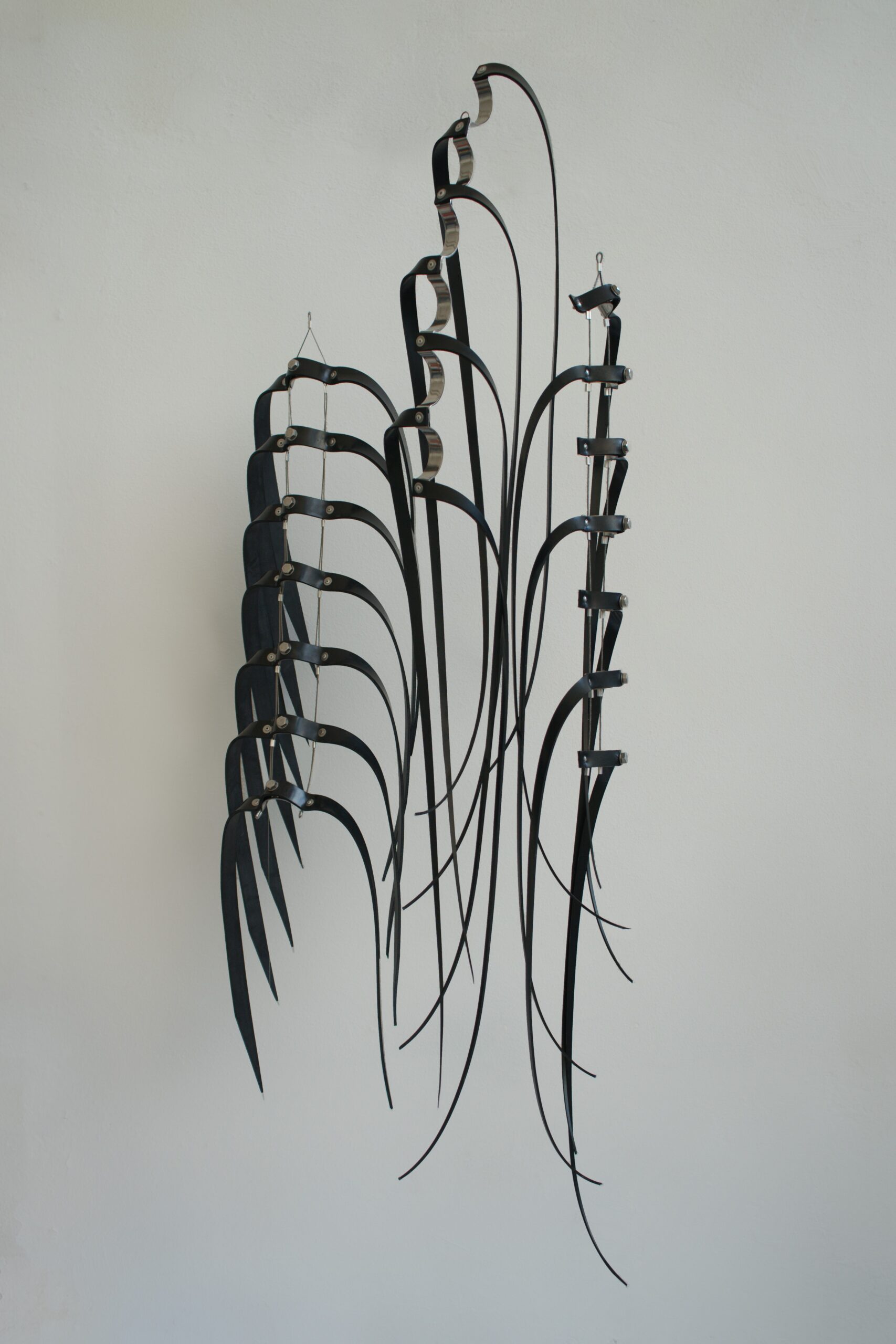
Articulated meltdown (trio)  image

Mané Pacheco

Articulated meltdown (trio)
Dimension: 50 x 145 x 45cm
Medium: Borracha e ferragens em aço inoxidável / Rubber, stainless steel hardware
Nominated by: Aron Gent

Mané Pacheco é uma artista visual e investigadora cuja prática opera na interseção entre a escultura, a política dos materiais e as ecologias pós-humanas. Trabalhando com objetos encontrados e descartados moldados por processos botânicos, industriais e geológicos, constrói formas híbridas que desafiam as fronteiras entre a matéria viva, a tecnologia e a agência não-humana. Articulated Meltdown é composta por corpos híbridos suspensos, feitos de tiras de borracha e ferragens de canalização. Ao justapor as origens botânicas da borracha (Hevea brasiliensis) com componentes industriais, a obra reflete sobre o extractivismo, a transformação da matéria e a interdependência entre o humano e o não-humano. Suspensas entre o animal e o vegetal, o natural e o artificial, as formas oscilam sob a força da gravidade numa coreografia subtil. Ocupando um limiar entre a tensão e o colapso, a instalação propõe a regeneração em vez da falha, imaginando novas formas de resiliência que emergem da vulnerabilidade da matéria. 

As recentes exposições individuais de Mané Pacheco incluem Hierofania (Appleton, Lisboa, 2026), Brama (Galeria Quadrum, Lisboa, 2026) e Document Space (Chicago, 2023). Integrou a exposição coletiva Lúcido Devaneio: Panorama da Arte Contemporânea Portuguesa (Porto, 2025) e é doutoranda na FBAUL com bolsa da FCT. 


Mané Pacheco is a visual artist and researcher whose practice operates at the intersection of sculpture, material politics, and post-human ecologies. Working with found and discarded objects shaped by botanical, industrial, and geological processes, she constructs hybrid forms that challenge the boundaries between living matter, technology, and non-human agency. Articulated Meltdown comprises suspended hybrid bodies made from rubber strips and plumbing hardware. Juxtaposing the botanical origins of rubber (Hevea brasiliensis) with industrial components, the work reflects on extractivism, material transformation, and human-non-human interdependence. Poised between animal and plant, natural and artificial, the forms sway under the force of gravity in a subtle choreography. Occupying a threshold between tension and collapse, the installation proposes regeneration rather than failure, imagining new forms of resilience emerging through material vulnerability. 

Mané Pacheco’s recent solo exhibitions include Hierofania (Appleton, Lisbon, 2026), Brama (Galeria Quadrum, Lisbon, 2026), and Document Space (Chicago, 2023). She was featured in Lucid Reverie: Panorama of Portuguese Contemporary Art (Porto, 2025) and is an FCT-funded PhD candidate at FBAUL. 

21 / 31

Mariana Horgan

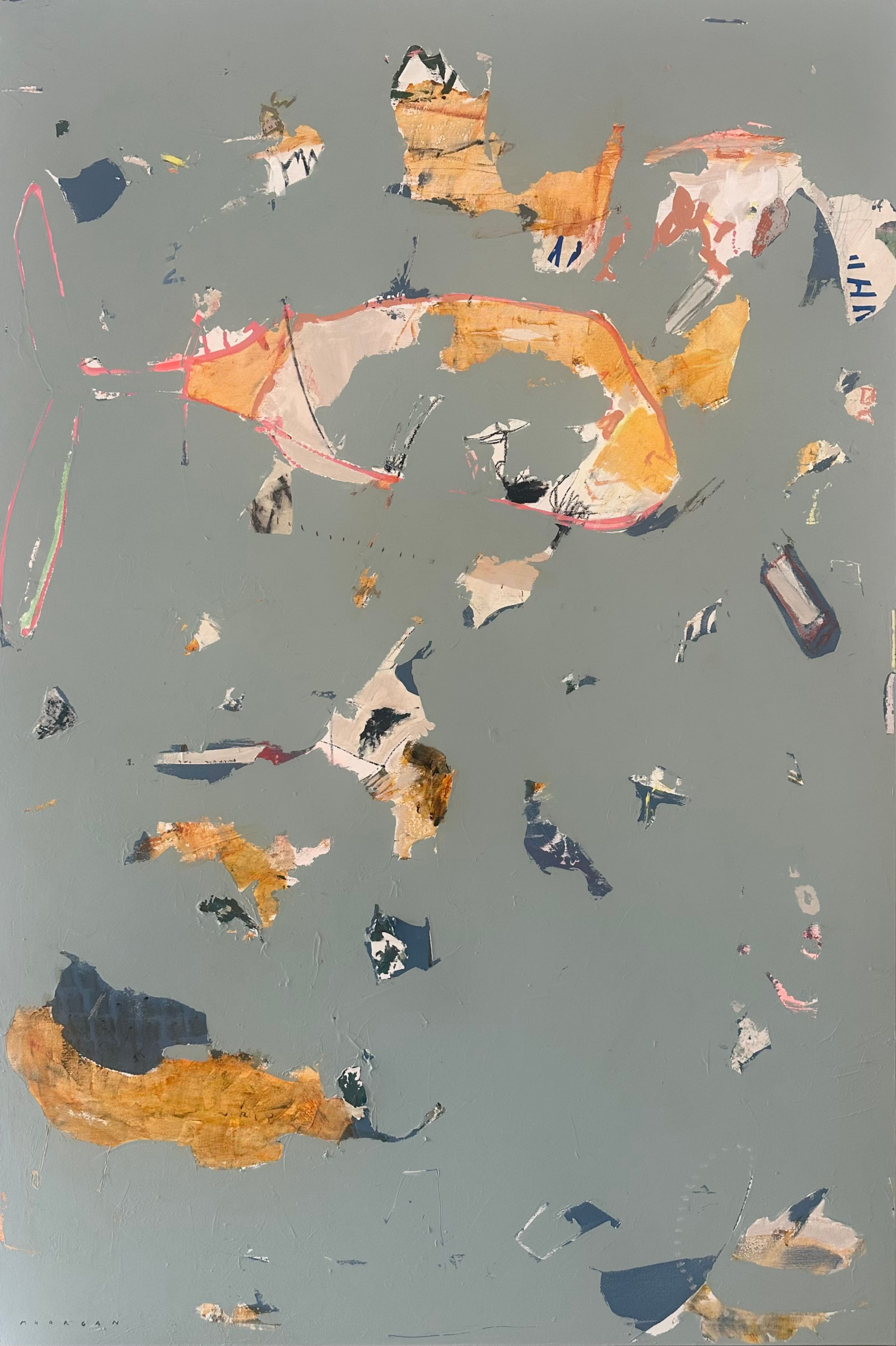
Dreamscaping image

Mariana Horgan

Dreamscaping
Dimension: 150 x 100cm
Medium: Acrílico, colagem, gesso, tinta de parede, terra, tinta em spray, carvão, pastel e grafite sobre tela / Acrylic, collage, plaster, house paint, dirt, spray paint, charcoal, pastels and graphite on canvas
Nominated by: Eliette Rosich

A prática de Mariana Horgan combina pintura, desenho, escultura, colagem e técnicas de gravura, incluindo monotipia e xilogravura. Atraída pela beleza do não convencional, reaproveita materiais encontrados em estaleiros de construção, praias e no quotidiano. Inspirada pela vida diária, pelas pessoas e pela natureza, pelas memórias de infância, pela perda e por uma alegria de viver matizada pela melancolia, cria obras ricas em cor e textura. 

Dreamscaping mapeia uma paisagem interior composta por fragmentos que oscilam entre a memória e a imaginação, traçando lugares transportados desde a infância. Estes territórios imaginados não são fugas, mas espaços de quietude onde a experiência é suavizada, reorganizada e transformada. Camada após camada, a pintura reflete sobre o poder reparador da imaginação e a sua capacidade de preservar o maravilhamento perante a incerteza. 

Entre as exposições de Mariana Horgan destacam-se Primeiro Gesto, Galeria Belard, Lisboa (2025); Recollection, Galeria Belard, Lisboa (2023) e Moonwalk, Palácio Chiado, Lisboa (2021). O seu trabalho foi destacado em Catching Art’s New Wave in Lisbon, publicado pela Art Basel em 2025, e integra a Coleção PLMJ. 


Mariana Horgan’s practice combinies painting, drawing, sculpting, collage, and printmaking techniques, including monoprint and woodcut. Drawn to beauty in the unconventional, she repurposes found materials gathered from construction sites, beaches, and everyday surroundings. Inspired by daily life, people and nature, childhood memories, loss, and a joie de vivre tempered by melancholy, she creates works that rich in colour and texture.

Dreamscaping maps an interior landscape composed of fragments that drift between memory and imagination, tracing places carried since childhood. These imagined territories are not escapes but quiet spaces where experience is softened, reordered, and transformed. Layer by layer, the painting reflects on the restorative power of imagination and its ability to preserve wonder in the face of uncertainty.   

Mariana Horgan’s exhibitions include Primeiro Gesto, Galeria Belard, Lisbon (2025); Recollection, Galeria Belard, Lisbon  (2023) and Moonwalk, Palácio Chiado, Lisbon  (2021). Her work was highlighted in Catching Art’s New Wave in Lisbon, published by Art Basel in 2025, and is held in the PLMJ Collection. 

22 / 31

Max Frisinger

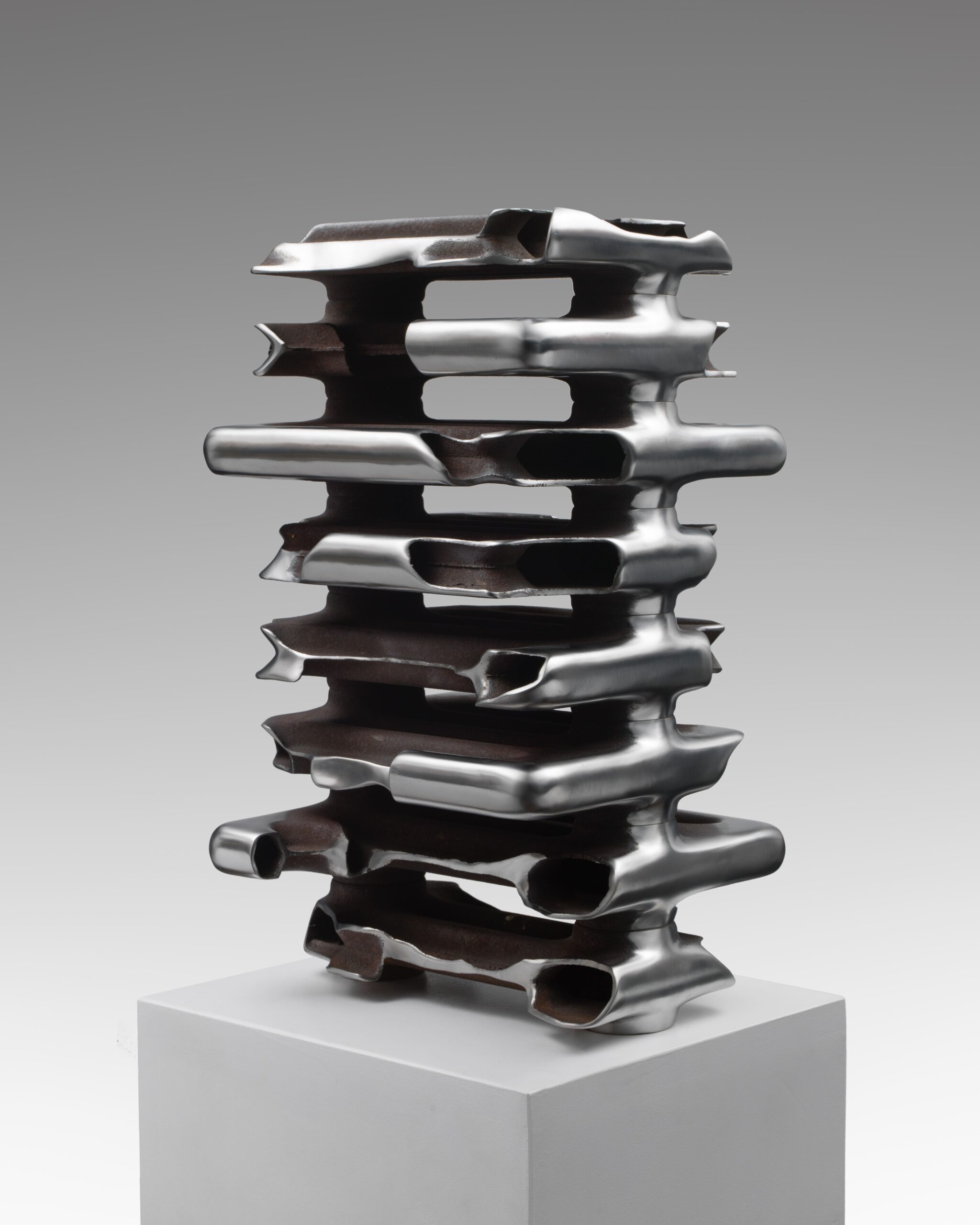
Samarra image

Max Frisinger

Samarra
Dimension: 27 x 48 x 31cm
Medium: Escultura / Sculpture
Nominated by: Aron Gent, Paul S. Tracy

Max Frisinger desenvolve o seu trabalho a partir do reconhecimento do potencial escultórico de formas já existentes. Através da intervenção material e da recomposição, chama a atenção para o espaço entre o uso passado e o presente, onde a memória, a perceção e a história material revelam novas formas de ver. 

Samarra tem origem num radiador de ferro fundido proveniente de Berlim, um objeto industrial concebido para os invernos do norte da Europa. Recorrendo a um processo subtrativo, Frisinger remove secções da peça para revelar uma nova estrutura escultórica. O ferro fundido é depois exposto à água do mar da Praia de Samarra, iniciando um processo de oxidação semi-controlado que é gradualmente revelado através de sucessivas fases de lixagem e polimento. À medida que a superfície ganha brilho, as arestas suavizam-se e as transições tornam-se mais fluidas, deslocando o objeto para um estado ambíguo entre a geometria industrial e uma presença orgânica. 

Entre as exposições de Max Frisinger destacam-se Takashi Murakami’s Superflat Collection, Yokohama Museum, Yokohama (2016); Kunstpreis der Böttcherstraße, Kunsthalle, Bremen (2014); KUNSTPREIS START, Kunstmuseum Bonn, Bona (2011-12); e Gesamtkunstwerk: New Art from Germany, Saatchi Gallery, Londres (2011). 


Max Frisinger’s work begins with recognising sculptural potential in existing forms. Through material intervention and recomposition, he brings attention to the space between past and present use, where memory, perception, and material history reveal a new way of seeing. He brings attention to the space between past and present use, where memory, perception, and material history reveal a new way of seeing.

Samarra originates from a cast-iron radiator from Berlin, an industrial object designed for the winters of Northern Europe. Using a subtractive process, Frisinger breaks away sections to reveal a new sculptural structure. The cast iron is then exposed to seawater from Samarra Beach, initiating a semi-controlled oxidation process that is gradually uncovered through successive stages of grinding and polishing. As the surface begins to shine, softened edges and fluid transitions shift the object into an ambiguous state between industrial geometry and organic presence   

Max Frisinger’s exhibitions include Takashi Murakami’s Superflat Collection, Yokohama Museum, Yokohama (2016); Kunstpreis der Böttcherstraße, Kunsthalle, Bremen (2014); KUNSTPREIS START, Kunstmuseum Bonn, Bonn (2011-2); Gesamtkunstwerk: New Art from Germany, Saatchi Gallery, London (2011).

23 / 31

Mia Dudek

Waiting Room I  image

Mia Dudek

Waiting Room I
Dimension: 60 x 70cm
Medium: Óleo sobre tela / Oil on canvas
Nominated by: Benjamin Gonthier, Kean Paker, Merve Pakyürek, Pedro Gadanho

Mia Dudek é uma artista multidisciplinar cuja prática explora a relação entre corpo, espaço e memória. Nascida na Polónia e residente em Lisboa, trabalha através da pintura, escultura, instalação e fotografia, investigando temas como a intimidade, o deslocamento e a pertença. A sua linguagem visual recorre frequentemente a espaços domésticos, em particular casas de banho, transformando-os em lugares de tensão e decadência que evocam a vulnerabilidade e a fragilidade da identidade. 

Waiting Room I assinala uma transição da fotografia para a pintura, refletindo a procura da artista por uma nova linguagem de expressão. Mais do que representar, a obra funciona como um acontecimento orgânico, emergindo da tensão entre o visível e o invisível, o presente e o ausente, o dito e o não dito. Inspirada pela insuficiência corporal como estado liminar de transformação, a pintura explora a renegociação da identidade e a construção do eu. 

Entre as exposições de Mia Dudek destacam-se Retention, SALON / Import Export, Londres (2026); Saturation, CK Zamek, Poznań (2026); Waiting Room, Import Export Gallery, Varsóvia (2025); What Grows…, Import Export Gallery, Varsóvia (2023); e InsideOut, Galeria Foco, Lisboa (2023). 


Mia Dudek is a multidisciplinary artist whose practice explores the interplay between body, space, and memory. Born in Poland and based in Lisbon, she works across painting, sculpture, installation, and photography, investigating themes of intimacy, displacement, and belonging. Her imagery often draws on domestic spaces, particularly bathrooms, transforming them into sites of tension and decay that evoke vulnerability and the fragility of identity.

Waiting Room I marks a shift from photography to painting, reflecting the artist’s search for a new language of expression. Rather than depicting, the work functions as an organic event, emerging from the tension between the visible and invisible, the present and absent, and the spoken and unspoken. Inspired by bodily insufficiency as a liminal state of transformation, the painting explores the renegotiation of identity and self-understanding. 

Mia Dudek’s exhibitions include Retention, SALON / Import Export, London (2026); Saturation, CK Zamek, Poznań (2026); Waiting Room, Import Export Gallery, Warsaw (2025); What Grows…, Import Export Gallery, Warsaw (2023); and InsideOut, Galeria Foco, Lisbon (2023).

24 / 31

Mimi Tavares

Lembro-me de quando image

Mimi Tavares

Lembro-me de quando
Dimension: 70 x 100cm
Medium: Acrílico, carvão e carvão colorido sobre papel/ Acrylic, charcoal and tinted charcoal on paper
Nominated by: Diana Williams

Mimi Tavares tem vindo a desenvolver uma prática artística enraizada na pintura e no desenho. O seu trabalho explora a relação entre o tempo e o espaço, analisando a forma como a presença ou ausência da figura humana pode sugerir a passagem do tempo. Equilibrando a abstração e a representação, as suas pinturas realçam a presença de objetos aparentemente comuns, transformando-os em composições evocativas que resistem a uma interpretação fixa. Em Lembro-me de quando, uma poça  cor-de-rosa vivo domina a composição, revelando a sua superfície refletora apenas os pés de uma figura que se desvanece. A imagem convida à especulação: estará a figura a chegar, a partir ou já se terá ido? Oscilando entre o aparecimento e o desaparecimento, a obra reflete sobre a impermanência e a natureza efémera da presença humana, transformando uma cena simples numa meditação sobre o tempo e a memória.  

Mimi Tavares expôs na Drawing Room Lisboa (2021); Sons Invisíveis, Museu Nacional de Arte Contemporânea do Chiado (MNAC), Lisboa (2023); Câmara Lenta, MNAC, Lisboa (2022); Una Casa, Teatro del Mundo, Embaixada de Portugal, Madrid (2023); Impressões digitais — coleção MNAC, MNAC (2024).  


Mimi Tavares has pursued an artistic practice rooted in painting and drawing. Her work explores the relationship between time and space, examining how the presence or absence of the human figure suggests the passage of time. Balancing abstraction and representation, her paintings heighten the presence of seemingly ordinary objects, transforming them into evocative compositions that resist fixed interpretation. In Lembro-me de quando, a vivid pink puddle dominates the composition, its reflective surface revealing only the feet of a vanishing figure. The image invites speculation: is the figure arriving, departing, or already gone? Hovering between appearance and disappearance, the work reflects on impermanence and the ephemeral nature of human presence, turning a simple scene into a meditation on time and memory. 

Mimi Tavares’s exhibitions include Drawing Room Lisboa (2021);  Sons Invisíveis, Museu Nacional de Arte Contemporânea do Chiado (MNAC), Lisbon (2023); Câmara Lenta, MNAC, Lisbon (2022); Una Casa, Teatro del Mundo, Obras da CACE, Portugal Embassy, Madrid (2023); Nódoa Negra, Galeria Monumental, Lisboa(2024); Impressões digitais-Coleção MNAC, MNAC (2024). 

25 / 31

Paula Prates

Nervura image

Paula Prates

Nervura
Dimension: 150 x 150 x 5cm 
Medium: Pigmento prensado ArtGraf Tailor Shape sobre papel de alcatrão de 100grs / Pressed ArtGraf Tailor Shape pigment on 100 gsm tar paper
Nominated by: Sociedade Nacional de Belas-Artes (SNBA)

A natureza inspira a prática de Paula Prates não como imagética, mas sim como um quadro de referência para o pensamento. Trabalhando com desenho, pintura, instalação e fotografia, ela explora as estruturas invisíveis que sustentam os sistemas vivos através de gestos lentos e repetidos, superfícies em camadas e experimentação com materiais. Nervura surge da sua observação das redes ocultas que sustentam a vida. Tal como as veias que transportam nutrientes através de uma folha ou as raízes que fixam uma árvore, a obra reflete sobre aquilo que permanece quase impercetível, mas que torna possíveis o crescimento, a continuidade e a transformação. A superfície impermeável do papel medeia a interação entre a água e o pigmento, permitindo que os padrões de sedimentação se revelem ao longo do tempo. Visível em ambos os lados, Nervura convida o espectador a abrandar o ritmo e a refletir sobre como as forças que sustentam a forma permanecem, muitas vezes, invisíveis. 

Paula Prates expôs em O tempo maior que o tempo, Pavilhão Branco, Galerias Municipais de Lisboa, Lisboa (2025-6); Sob o peso da ranhura, Galeria Antecâmara, Lisboa (2025-6); Linha de Tempo, Museu Nacional de História Natural e da Ciência, Lisboa (2023); Agarrar o que não vejo, Galeria da Biblioteca de Alcântara, Lisboa (2022).  


Nature informs Paula Prates’s practice not as imagery but a framework for thinking. Working across drawing, painting, installation, and photography, she explores the unseen structures that sustain living systems through slow, repeated gestures, layered surfaces, and material experimentation. Nervura stems from her observation of the hidden networks that support life. Like the veins that carry nutrients through a leaf or the roots that anchor a tree, the work reflects on what remains almost imperceptible, yet makes growth, continuity and transformation possible. The paper’s waterproof surface mediates the interaction between water and pigment, allowing patterns of sedimentation to unfold over time. Visible on both sides, Nervura invites the viewer to slow down and consider how the forces that sustain form often remain unseen. 

Paula Prates’ exhibitions include O tempo maior que o tempo, Pavilhão Branco, Galerias Municipais de Lisboa, Lisbon (2025-6); Sob o peso da ranhura, Galeria Antecâmara, Lisbon (2025-6); Linha de Tempo, Museu Nacional de História Natural e da Ciência, Lisbon (2023); Agarrar o que não vejo, Galeria da Biblioteca de Alcântara, Lisbon (2022).

26 / 31

Paulo Albuquerque

Três Tempos  image

Paulo Albuquerque

Três Tempos
Dimension: 151 × 119cm 
Medium: Acrílico e óleo sobre tela / Acrylic and oil on canvas
Nominated by: Kean Paker, Merve Pakyürek, Sónia Ribeiro

Paulo Albuquerque é um artista luso-brasileiro que explora narrativas através da cor, do traço e da textura. Inspirando-se nas relações humanas, nos hábitos e expectativas sociais e nas ligações entre espaços, objetos e natureza, transforma o quotidiano em atmosferas e histórias abertas. Partindo da fotografia, da memória e da observação direta, cria composições que equilibram espontaneidade e intenção. 

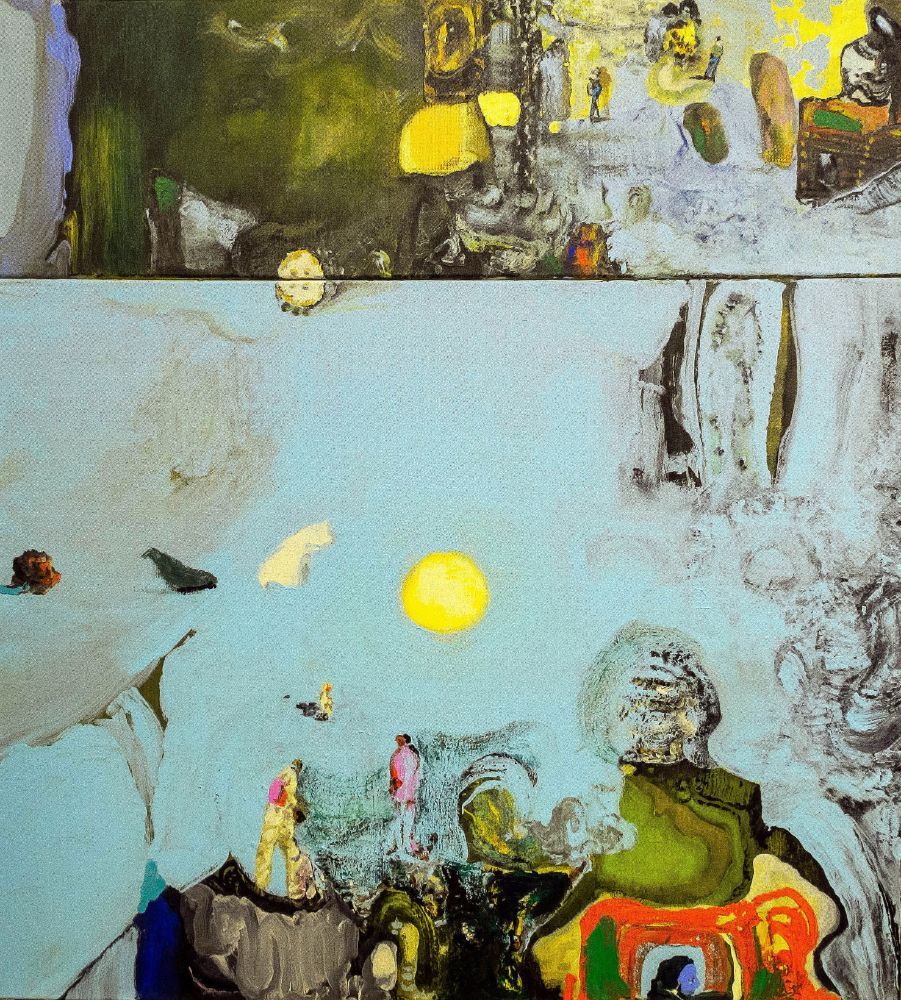
Três Tempos assenta na ideia de que cada lugar é moldado por temporalidades sobrepostas. Memória, experiência presente e projeções do futuro coexistem numa composição distribuída por vários painéis que interrompem a continuidade visual. O vazio central sugere um espaço de possibilidade, enquanto as formas fragmentadas refletem a impossibilidade de reconstruir plenamente um lugar apenas através da memória. Entre figuração e abstração, a obra convida o olhar a estabelecer ligações e a reconhecer o lugar como uma construção em permanente transformação.  

Paulo Albuquerque expôs na ARCOlisboa, em Lisboa (2026); Cronotopia da Presença, na This Is Not A White Cube, em Lisboa (2026); e Lugar, na Lx Lapa, em Lisboa (2023). Concluiu uma residência artística na TERRA, em Craveiral, no Alentejo, em 2026. 


Paulo Albuquerque is a Luso-Brazilian artist who explores narratives through colour, mark-making and texture. Drawing on human relationships, social norms and expectations, and connections between spaces and objects, he transforms everyday life into evocative atmospheres. Using photography, memory and direct observation, he creates compositions balancing spontaneity and intention. Through painting, Albuquerque explores his perspective on society, expressing reflections, concerns and stories drawn from lived experience. 

Três Tempos is grounded in the idea that every place is shaped by overlapping temporalities. Memory, present experience and projections of the future coexist in a composition distributed across several panels, interrupting visual continuity. The central void suggests possibility, while the fragmented forms reflect the impossibility of fully reconstructing a place through memory alone. Moving between figuration and abstraction, the work invites viewers to make connections and recognise place as something in continuous transformation. 

Paulo Albuquerque’s exhibitions include ARCOlisboa, Lisbon (2026); Cronotopia da Presença, This Is Not A White Cube, Lisbon (2026); Lugar, Lx Lapa, Lisbon (2023). He completed an artist residency at TERRA at Craveiral, Alentejo, in 2026.

27 / 31

Pollyanna Freire

Untitled nº31 image

Pollyanna Freire

Untitled nº31
Dimension: 50 x 144 x 38cm
Medium: Tubo em ferro, chapa de ferro galvanizada e esmalte sintético / Iron pipe, galvanized iron sheet, and synthetic enamel
Nominated by: Dr. Luis Sáragga Leal

Há quinze anos Pollyanna Freire desenvolve uma prática escultórica que explora a relação entre objeto, corpo e espaço. Trabalhando principalmente com madeira e metal, o recurso à cor desloca as suas esculturas para um território entre a pintura e o desenho. Enraizado em formas geométricas, o seu trabalho recorre a soluções estruturais presentes em objetos quotidianos e na arquitetura.

“Untitled nº3” é construída a partir de formas geométricas simples e elementos repetitivos; a escultura evoca estratégias minimalistas, enquanto a sua construção artesanal resiste a uma estética industrial. Ocupando um espaço entre o utilitário, o lúdico, o artístico e o decorativo, convida a novas interpretações das formas do quotidiano.  

As exposições de Pollyanna Freire incluem Vão, Museu de Arte, Arquitetura e Tecnologia (MAAT), Lisboa (2023); No Meio da Pedra Tinha um Caminho, Galeria Bessa Pereira, Lisboa (2023); Cavalo Verde, Módulo, Lisboa (2020); e Escultura, Módulo, Lisboa (2017). Em 2025, inaugurou a sua primeira escultura pública na aldeia de Sardín, em Espanha. 


For the past fifteen years, Pollyanna Freire has developed a sculptural practice exploring the relationship between object, body, and space. Working primarily with wood and metal, colour shifts these sculptures into a realm that lies between painting and drawing. Rooted in geometric forms, the artist’s work draws on structural solutions found in everyday objects and architecture. 

Untitled No. 3 is built from simple geometric forms and repeated elements, the sculpture echoes minimalist strategies, while its handcrafted construction resists an industrial aesthetic. Occupying a space between the utilitarian, playful, artistic, and decorative, it invites new interpretations of everyday forms. 

Pollyanna Freire’s exhibitions include Vão, Museu de Arte, Arquitetura e Tecnologia (MAAT), Lisbon (2023); No Meio da Pedra Tinha um Caminho, Galeria Bessa Pereira, Lisbon (2023); Cavalo Verde, Módulo, Lisbon (2020); Escultura, Módulo Lisbon (2017). In 2025, Freire unveiled her first public sculpture in the village of Sardín, Spain. 

28 / 31

Rebecca Fontaine-Wolf

Forbidden Fruit image

Rebecca Fontaine-Wolf

Forbidden Fruit
Dimension: 117 x 130cm
Medium: Díptico, vinil e acrílico sobre painel de alumínio, impressão giclée de arquivo com filme fotográfico em moldura de alumínio e vidro / Diptych, Vinyl and acrylic on aluminium panel, archival Giclee print with photographic Film in aluminium glass frame
Nominated by: Anne Brightman

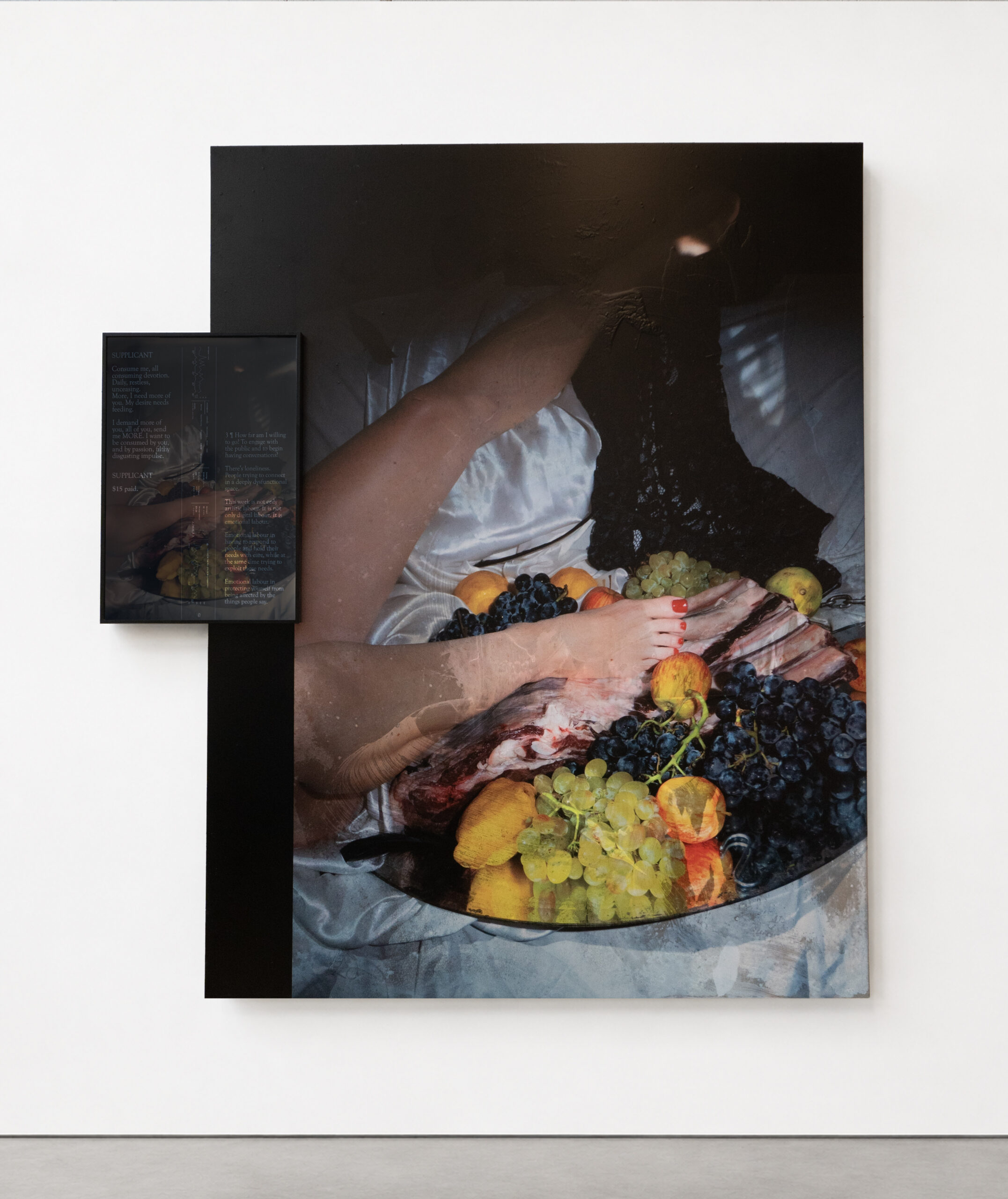
Rebecca Fontaine-Wolf é uma artista interdisciplinar e cofundadora do coletivo feminista de arte InFems. Recorrendo a imagens da história da arte, da mitologia e da religião, a sua prática multidisciplinar explora a experiência vivida da condição feminina, examinando tanto as realidades viscerais do corpo como os enquadramentos culturais que moldam a forma como as mulheres são representadas e valorizadas. 

As imagens e fragmentos de texto presentes em Forbidden Fruit resultam de um projeto de investigação financiado pela Fundação Calouste Gulbenkian sobre a autocomodificação na era digital. Centrada na imagem simbólica do pé, a obra acompanha a sua transformação de objeto de devoção na iconografia cristã em mercadoria nas economias contemporâneas das plataformas digitais. Combinando fotografias, conversas com subscritores, notas de investigação e dados de plataformas, a obra revela o trabalho emocional e performativo subjacente à identidade online, questionando a forma como corpos, imagens e narrativas pessoais adquirem valor através de sistemas de visibilidade e troca. 

Rebecca Fontaine-Wolf recebeu a Bolsa de Criação Artística da Fundação Calouste Gulbenkian em 2025. Entre as suas exposições de destaque contam-se Flesh & the Mirror: The Self-Image of Rebecca Fontaine-Wolf, Haus Kunst Mitte, Berlim (2024), e Lost Girls, Flowers Gallery, Londres (2023). 


Rebecca Fontaine-Wolf is an interdisciplinary artist and co-founder of the feminist art collective InFems. Drawing on art historical, mythological, and religious imagery, her multidisciplinary practice explores the lived experience of womanhood, examining both the visceral realities of the body and the cultural frameworks that shape how women are represented and valued.

The images and textual fragments in Forbidden Fruit are drawn from a Calouste Gulbenkian Foundation-funded research project examining self-commodification in the digital age. Centred on the symbolic image of the foot, the work traces its shift from an object of devotion in Christian iconography to a commodity within contemporary platform economies. Combining photographs, subscriber conversations, research notes, and platform data, the work reveals the emotional and performative labour behind online identity, questioning how bodies, images, and personal narratives acquire value through systems of visibility and exchange. 

Rebecca Fontaine-Wolf received the Calouste Gulbenkian Foundation Artistic Creation Grant in 2025. Notable exhibitions include Flesh & the Mirror: The Self-Image of Rebecca Fontaine-Wolf, Haus Kunst Mitte, Berlin (2024); and Lost Girls, Flowers Gallery, London (2023).  

29 / 31

Rui Macedo

Air Bubble Package image

Rui Macedo

Air Bubble Package
Dimension: 150 x 150cm
Medium: Pintura / Painting
Nominated by: Emília Ferreira

Rui Macedo dedica-se exclusivamente à pintura e a instalações pictóricas específicas para cada local, desafiando as expectativas dos espectadores e explorando os limites do meio. Através da ilusão e do deslocamento, explora as relações entre o espaço, a imagem e o espectador, questionando o que a pintura pode ser e como é vivenciada. Em Air Bubble Package, Macedo desafia as expectativas do espectador através de uma imagem pintada oculta sob camadas de fita adesiva. Oscilando entre a revelação e o ocultamento, a obra resiste inicialmente a ser reconhecida como pintura, desviando a atenção para o próprio ato de olhar. Ao encenar um subtil truque de perceção, Macedo questiona a forma como as imagens são vistas, interpretadas e, em última análise, definidas. 

Rui Macedo expôs em Boundless Borders (Territórios Partilhados), no Palácio Nacional de Mafra, em Mafra (2026); Gaps, Fissures, and Other Pretenses, no Projeto Travessa da Ermida, em Lisboa (2021); Sfumato, na Tabacalera, em Madrid (2019); (In)dispensável ou a Pintura que Perturba a Coleção do Museu, no Museu Nacional de Arte Contemporânea, em Lisboa (2019) e (Land)Scaping Normative Thinking, na Fundação Millennium BCP, em Lisboa (2017). 


Rui Macedo works exclusively with painting and site-specific painting installations, challenging viewers’ expectations. exploring the limits of the medium. Through illusion and displacement, je explores relationships between space, image, and viewer, questioning what painting can be and how it is experienced. In Air Bubble Package, Macedo challenges the viewer’s expectations through the of a painted image concealed beneath layers of tape. Oscillating between revelation and concealment, the work initially resists recognition as a painting, turning attention towards the act of looking itself. By staging a subtle trick of perception, Macedo questions how images are seen, interpreted, and ultimately defined. 

Rui Macedo’s exhibitions include Boundless Borders (Territórios Partilhados), Palácio Nacional de Mafra, Mafra (2026); Gaps, Fissures, and Other Pretenses, The Travessa da Ermida Project, Lisbon (2021); Sfumato, Tabacalera, Madrid (2019); (In)dispensable or the Painting that Troubles the Museum Collection at Museu Nacional de Arte Contemporânea, Lisbon (2019) and (Land)Scaping Normative Thinking at the Millennium BCP Foundation, Lisbon (2017).   

30 / 31

Sónia Apolónia

Above The Noise, India II image

Sónia Apolónia

Above The Noise, India II
Dimension: 150 x 100cm
Medium: Impressão sobre papel Hahnemühle FineArt Photo Rag Baryta 315 g / Inkjet print on Hahnemühle FineArt Photorag Baryta paper 315g
Edition: Edition 1 of 3 + 3 AP
Nominated by: Jane Chesworth

A prática fotográfica de Sónia Apolónia explora a luz, a sombra, a forma e o espaço como veículos de contemplação. Através de detalhes arquitetónicos, reflexos e atmosferas, cria imagens que esbatem as fronteiras entre o real e o imaginário, revelando a ressonância emocional dos lugares. 

Nesta fotografia da série Above the Noise, um único elemento vertical surge isolado sobre um fundo negro profundo, transformando um fragmento comum da paisagem urbana numa presença meditativa, quase escultórica. Privada de contexto, a forma permanece suspensa entre tensão, fragilidade e resistência. A luz revela subtis variações de textura e cor, enquanto a escuridão envolvente acentua uma sensação de quietude. Ao reduzir a imagem aos seus elementos essenciais, a obra convida a um olhar mais atento e demorado, revelando momentos de beleza silenciosa no meio do ruído visual da cidade. 

Entre as exposições de Sónia Apolónia destacam-se Group Exhibition, In The Pink, Loulé (2026), e Solo Exhibition, In The Pink Gallery, Quinta Shopping (2026). O seu trabalho foi destacado na Algarve Plus Magazine (Fevereiro de 2026). 


Sónia Apolónia’s photographic practice explores light, shadow, form, and space as vehicles for contemplation. Through architectural details, reflections, and atmosphere, she creates images that blur the boundaries between the real and the imagined, revealing the emotional resonance of place. In this photograph from the series Above the Noise, a single vertical element is isolated against a deep black background, transforming an ordinary fragment of the urban landscape into a meditative, almost sculptural presence. Stripped of context, the form becomes suspended between tension, fragility, and resilience. Light reveals subtle variations in texture and colour, while the surrounding darkness creates a sense of stillness. By reducing the image to its essential elements, the work invites a slower mode of looking, uncovering moments of quiet beauty within the visual noise of the city. 


Sónia Apolónia exhibitions include Group Exhibition, In The Pink, Loula (2026) and Solo Exhibition, In The Pink, Quinta Shopping (2026). Her work was featured in Algarve Plus Magazine (February 2026). 

31 / 31

Teresa Esgaio

Clovers image

Teresa Esgaio

Clovers
Dimension: 136 x 87cm
Medium: Pastel suave sobre papel / Soft pastel on paper
Nominated by: Delfina Sena

O desenho está no cerne da prática de Teresa Esgaio. Mais do que a materialização de uma ideia, é um meio de refletir e confrontar as questões que a ocupam. Trabalhando com grafite, carvão e pastel suave, Esgaio recorre a uma linguagem visual figurativa para explorar temas como a memória, a identidade, a condição humana e a passagem do tempo. Clover reúne uma coleção de desenhos de pequena escala realizados a partir da observação direta da planta. A repetição desacelera o ato de olhar, colocando em destaque a singularidade de cada forma. Vista como um todo, a série funciona tanto como um arquivo de observações como uma investigação em curso, tornando-se o desenho um espaço de reflexão e descoberta.  

Teresa Esgaio expôs na Exposição dos Finalistas do Prémio Soberano de Arte Portuguesa, Sociedade Nacional de Belas-Artes, Lisboa (2025); Point Zero, no Museu da Água, em Lisboa (2023); 180 dias, no Museu da Água, em Lisboa (2022); e O mar não é redondo, na Cordoaria Nacional, em Lisboa (2021). 


Drawing lies at the heart of Teresa Esgaio’s practice. More than the materialisation of an idea, it is a means of thinking through and confronting questions that occupy her mind. Working with graphite, charcoal and soft pastel, Esgaio employs a figurative visual language, to explore themes of memory, identity, the human condition and the passage of time. Clover brings together a collection of small-scale drawings made through direct observation of the plant. The repetition slows down the act of looking, bringing the singularity of each form into focus. Viewed as a whole, the series serves as both an archive of observations and an ongoing investigation, with drawing becoming a space for reflection and discovery.  

Teresa Esgaio’s exhibitions include The Sovereign Portuguese Art Prize Finalists Exhibition, Sociedade Nacional de Belas-Artes, Lisbon (2025); Point Zero, Museu da Água, Lisbon (2023); 180 days, Museu da Água, Lisbon (2022); O mar não é redondo, Cordoaria Nacional, Lisbon (2021).  

left arrow left arrow hover
Clovers image
Clovers image
Clovers image
Clovers image
Clovers image
Clovers image
Clovers image
Clovers image
Clovers image
Clovers image
Clovers image
Clovers image
Clovers image
Clovers image
Clovers image
Clovers image
Clovers image
Clovers image
Clovers image
Clovers image
Clovers image
Clovers image
Clovers image
Clovers image
Clovers image
Clovers image
Clovers image
Clovers image
Clovers image
Clovers image
Clovers image
right arrow right arrow hover

Thanks for voting!

How it works

01

Nomination and Shortlisting

The Prize invites contemporary artists, nominated by a board of independent art professionals, to each enter up to three artworks online. A judging panel comprised of world-class art experts then shortlists the 30 best artworks from a range of digital images.

Click here for T&Cs.

Clique aqui para consultar os Termos e Condições.

02

Exhibition

The shortlisted artworks are exhibited in Portugal. Members of the public can enjoy the artworks and engage in the public vote. Local students are offered the opportunity to engage in educational programming.

At the exhibition, the artworks are judged for a second time and voted on by the public. The judges scores are aggregated, and a Grand Prize winner is named.

03

Public Vote

To increase exposure for the artists, the general public are invited to cast a vote online or in person for their favourite shortlisted artwork. The most popular artwork is awarded the Public Vote Prize.

04

Sale of Artworks

The shortlisted artworks besides the Grand Prize winner will be sold at a fixed price and are split evenly between the artists and the local expressive arts programming.

Artists receive the same split as they would through a gallery and Associação SAF, the Portuguese arm of The Sovereign Art Foundation, receives the other half to fund expressive art programs for disadvantaged children in need in Portugal.
 

Our Aims

Ellipse 69
To Promote Artists

To widen and build knowledge of the work of artists from each region, increasing their public visibility, exposure in the art market and a attracting a wider international following. 
Ellipse 63 (1)
To Educate

To share a balanced representation of the most significant artists from each region and showcase the diverse character and qualities of their works through rich educational programmes. 
Engage the public
To Engage the Public

To exhibit the works in a public art space or museum so visitors may directly engage with some of the best art from the region and to make this exhibition available to as broad an audience as possible. 
Mask group
To Raise Funds

To sell the finalists artworks for charity, raising a significant amount for the artists and for our expressive arts programmes that support vulnerable children. 

The Prizes

There are three cash prizes available to shortlisted artists. In addition, all shortlisted artists will have their work shown in the Finalists Exhibition, a group show at the Sociedade Nacional de Belas Artes (SNBA) in Lisbon, and benefit from international promotion and extensive media coverage.

01
Grand Prize image

Grand Prize

Awarded to the artist with the highest score from the judges.

02
Public Vote Prize image

Public Vote Prize

Awarded to the artist with the most votes from the public.

03
Women's Prize image

Women’s Prize

Awarded to the highest-scoring woman artist among the finalists, as selected by the judges. Supported by Tripwix Vacation Rentals, the prize celebrates and raises the visibility of women in contemporary art.
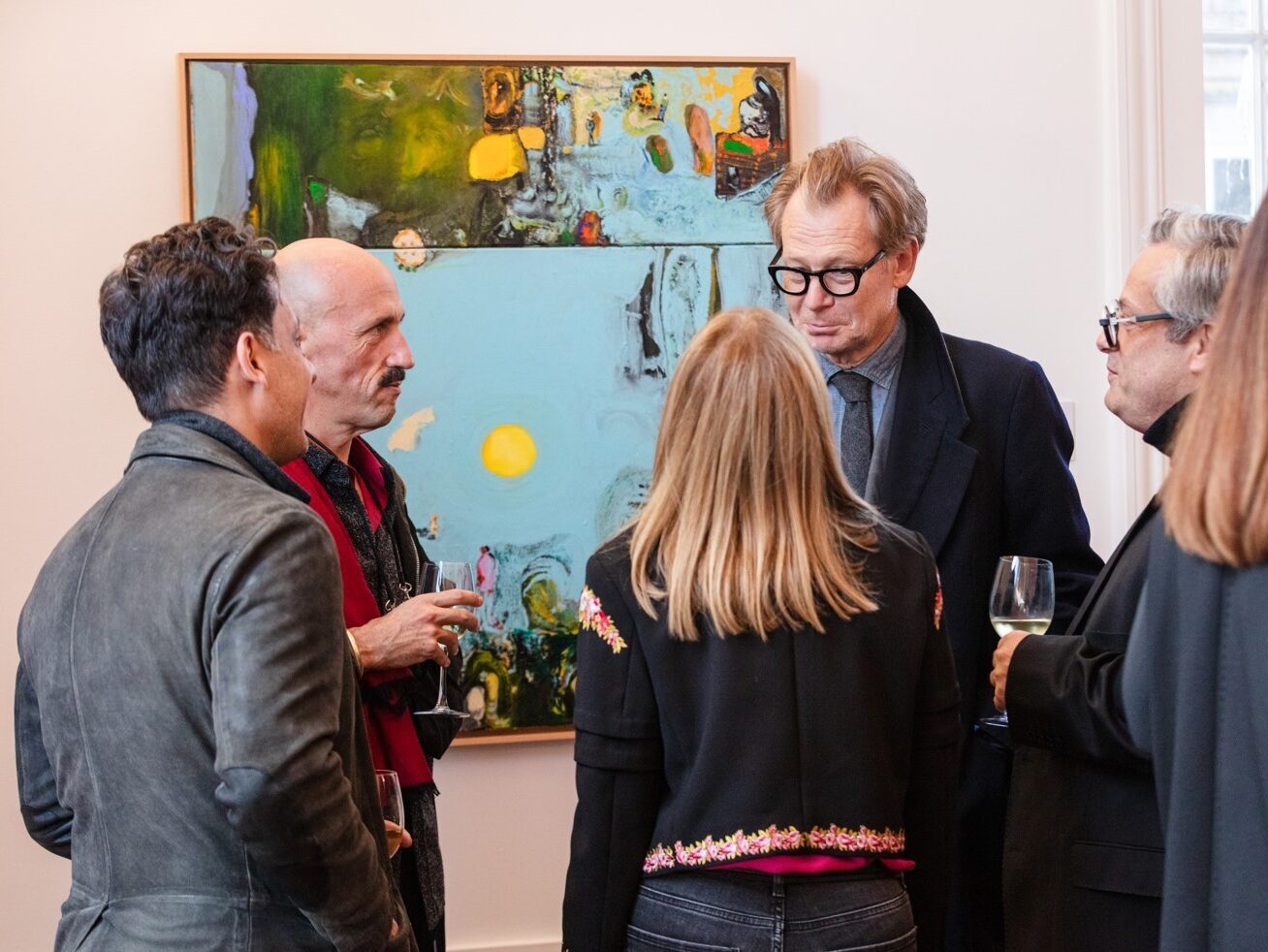
SPAP 1 SPAP

Key Dates

Entry Deadline

— 06 July 2026

Shortlist Announcement

— October 2026

Finalists Exhibition

— 25 November to 12 December 2026

Winner Announcement

— November 2026

Events & Exhibitions

01
First Editions à Mesa - Forbidden Feast image

First Editions à Mesa – Forbidden Feast

6 NOVEMBER 2026 · DAM · LISBON

02
First Editions à Mesa - Beautiful Resistance image

First Editions à Mesa – Beautiful Resistance

16 NOVEMBER 2026 · CÍCERO· LISBON

Sponsors and Partners

Sovereign Group Logo
Grand Prize Sponsor
Tripwix_logo
Women’s Prize Sponsor
SNBA
Venue Sponsor
Republica_portuguesa_logo
Venue Sponsor
DG Artes Logo
Venue Sponsor
RPAC_logo
Venue Sponsor
PT News Circle
Media Partner
Cicero_logo
Dinner Host
DAM_logo
Dinner Host
Pomegranate_kitchen_logo
Food Sponsor
AliBiltonCooks_logo
Food Sponsor
howards-folly (1)
Wine Sponsor
Untitled-2 (4)
Communications Partner

Judges

Adelaide Ginga image
Adelaide Ginga
Director of MACAM – Museu de Arte Contemporânea Armando Martins
Adelaide Ginga image

Adelaide Ginga

Director of MACAM – Museu de Arte Contemporânea Armando Martins

Adelaide Ginga is an art historian, curator, and museologist, currently serving as Director of MACAM – Museu de Arte Contemporânea Armando Martins.

Graduated in Art History from the Faculty of Social and Human Sciences at Universidade Nova de Lisboa, she also holds a Master’s in Contemporary History from the same university, as well as a Master’s in Curatorship and Exhibition Organisation from the Faculty of Fine Arts at Universidade de Lisboa.

Her career began in 2001 as a specialist at the Portuguese Ministry of Culture’s Institute of Contemporary Art. Later, she coordinated the International Department of the Institute of the Arts and led several national representations at events such as the Venice Biennale and the São Paulo Biennial. In 2006, she was appointed Deputy Director of the Institute of the Arts. From 2008 to 2021, Ginga held the position of Senior Curator at MNAC – Museu Nacional de Arte Contemporânea in Lisbon (also
known as the “Chiado Museum”).

Adelaide Ginga is the author of numerous curatorial projects, books, catalogues, and essays on art history, and has delivered a range of lectures and talks on contemporary art, both nationally and internationally

David Elliott image
David Elliott
Writer, Curator and Museum Director
David Elliott image

David Elliott

Writer, Curator and Museum Director

David Elliott is a cultural and art historian, writer, curator and museum director primarily concerned with modern and contemporary art. Elliott was Director of the Museum of Modern Art in Oxford, England from 1976-96, Director of Moderna Museet in Stockholm, Sweden from 1996-2001, the founding Director of the Mori Art Museum in Tokyo, Japan from 2001-06, the first Director of Istanbul Modern, Turkey in 2007 and from 2016-2019, Vice-Director and Senior Curator of the Redtory Museum of Contemporary Art in Guangzhou. From 1998-2004, he was President of CIMAM (the International Committee of ICOM for Museums and Collections of Modern Art) and in 2008, the Rudolf Arnheim Guest Professor of Art History at Humboldt University, Berlin; from 2012 to 2017 he was a guest professor in curatorship at the Chinese University, Hong Kong. Since 2010. He has been the Artistic Director of biennales of contemporary art in Sydney, Kiev, Moscow and Belgrade and is currently working freelance as a writer and curator.

João Paulo Queiroz image
João Paulo Queiroz
President of the Board of the Sociedade Nacional de Belas Arte
João Paulo Queiroz image

João Paulo Queiroz

President of the Board of the Sociedade Nacional de Belas Arte

João Paulo Queiroz holds a PhD in Fine Arts from the University of Lisbon, an MA in Communications from the University Institute of Lisbon, and a BA in Painting from the Escola Superior de Belas-Artes de Lisboa. He is a Professor at the Faculty of Fine Arts at the University of Lisbon, in the PhD courses in Art Education of the University of Porto, and PhD in Arts of the University of Seville, Spain. Queiroz acted as coordinator for the International Congress CSO annually from 2010 to 2022 and of the academic journals Studio, Gama, and Croma. From 2012 to 2022, he coordinated the Congress Raw Material, Practices of Visual Arts in Basic and Secondary Education annually. He currently serves as President of the Board of Sociedade Nacional de Belas Artes (SNBA, National Society of Fine Arts). He has held several solo exhibitions and was awarded the Gustavo Cordeiro Ramos Painting Prize by the National Academy of Fine Arts in 2004.

Maura Marvão image
Maura Marvão
International Specialist, Modern & Contemporary Art, Representative for Portugal and Spain, Phillips
Maura Marvão image

Maura Marvão

International Specialist, Modern & Contemporary Art, Representative for Portugal and Spain, Phillips

Maura Marvão has represented the international auction house Phillips in Portugal and Spain for the past 17 years. She holds a law degree from Universidade Católica Portuguesa and a master’s degree in Arts Administration from New York University.

She served on the preparatory committees for the establishment of the International Criminal Court at the United Nations in New York and later worked at the New Museum of Contemporary Art, also in New York.

Maura Marvão is currently a visiting professor in the Culture Studies programme (Master’s and PhD) at Universidade Católica Portuguesa in Lisbon, teaching Art Markets and Practices of Collecting. She continues to organise international conferences and seminars and is actively involved in a wide range of culture-related projects.
She was President of ADIAC (Associação para a Difusão Internacional de Arte Contemporânea), a member of the Board of Directors of the Fundação da Juventude, founding President of the Portuguese chapter of the National Museum of Women in the Arts in Washington, D.C., and President of the Associação de Amigos da Fundação Ricardo Espírito Santo Silva.

She currently serves on the Advisory Board of the Bagos d’Ouro Association, which promotes the education and social integration of children and young people in the Douro region.

Philippe Vergne image
Philippe Vergne
Director of Serralves Museum of Contemporary Art, Porto
Philippe Vergne image

Philippe Vergne

Director of Serralves Museum of Contemporary Art, Porto

Philippe Vergne has been serving as director of Serralves Museum of Contemporary Art, Porto, since April 2019. He was director of The Museum of Contemporary Art, Los Angeles (MOCA) from 2014 to 2018. Prior to his appointment at MOCA, Vergne served for five years as director of the Dia Art Foundation, New York. Before his tenure at the Dia Foundation, Vergne was Deputy Director and Chief Curator at the Walker Art Center in Minneapolis. From 1994 to 1997, Vergne was Director of the MAC, Musée d’Art Contemporain de Marseille, France.

Tim Marlow image
Tim Marlow
Chief Executive and Director, Design Museum
Tim Marlow image

Tim Marlow

Chief Executive and Director, Design Museum

Tim Marlow is Chief Executive and Director of the Design Museum in London.

Formerly Artistic Director of the Royal Academy of Arts and Director of Exhibitions at White Cube, Marlow has been involved in the contemporary art world for the past thirty years as a curator, writer and broadcaster.  He has worked with many of the most important and influential artists of our time to deliver wide-ranging and popular programmes and brings a commitment to diverse and engaging exhibitions to his new role showcasing the transformational capability of design.

Marlow sits on the Board of Trustees for the Imperial War Museum, Art on the Underground Advisory Board and Cultureshock Media. Marlow was awarded an OBE in 2019.

Ana Botella image
Ana Botella
Director of Programmes, Santander
Ana Botella image

Ana Botella

Director of Programmes, Santander

Ana Botella is a cultural programmer and creative strategist who has held leadership positions across Spain, Portugal and the UK, with particular expertise in launching and shaping cultural institutions. She is currently Director of Programmes at Faro Santander, a new centre for art and culture in Northern Spain, opening in September 2026 under the auspices of Fundación Banco Santander. She was previously Deputy Director at CAM Gulbenkian in Lisbon, where she co-led a major institutional transformation — new building, new vision — that significantly expanded audiences while working closely with Portuguese and international artists across a wide range of disciplines. Her practice is rooted in collaboration, participation, and the transformative potential of contemporary art. She has held senior positions at Wellcome Collection, London, where she served as Acting Head of Public Programmes, and FACT Liverpool, where she was Head of Programme. She trained in Art History at Universidad Complutense in Madrid and Goldsmiths College London.

Edgar Martins image
Edgar Martins
Artist and Grand Prize Winner of The 2025 Sovereign Portuguese Art Prize
Edgar Martins image

Edgar Martins

Artist and Grand Prize Winner of The 2025 Sovereign Portuguese Art Prize

Edgar Martins is a Portuguese artist whose practice is rooted in long-term collaborations with high-profile and restricted organisations, including CERN, the European Space Agency, EDP, BMW, and the Metropolitan Police. His work explores themes such as war, incarceration, migration, urbanism, and technology.

His recent project investigates the death and disappearance of his close friend, photojournalist Anton Hammerl, during the 2011 Libyan war. Through this work, he examines the challenges of documenting conflict in the absence of witnesses, testimony, or material evidence, reflecting on the limits of representation and the complexities of narrating war.

Martins is the recipient of several major awards, including the Sony World Photography Award for Photographer of the Year (2023) and the International Photography Awards Film Photographer of the Year (2023). In 2025, he was awarded the Grand Prize of the Sovereign Portuguese Art Prize.

Edgar Martins é um artista português cuja prática se baseia em colaborações de longa duração com organizações de alto perfil e acesso restrito, incluindo CERN, a European Space Agency, a EDP, a BMW e a Metropolitan Police. O seu trabalho explora temas como a guerra, o encarceramento, a migração, o urbanismo e a tecnologia.
O seu projeto recente investiga a morte e o desaparecimento do seu amigo próximo, o fotojornalista Anton Hammerl, durante a guerra civil líbia de 2011. Através deste trabalho, analisa os desafios de documentar o conflito na ausência de testemunhas, testemunhos ou evidência material, refletindo sobre os limites da representação e as complexidades de narrar a guerra.

Martins recebeu vários prémios de destaque, incluindo o Sony World Photography Award de Fotógrafo do Ano (2023) e o International Photography Awards de Fotógrafo do Ano na categoria de filme (2023). Em 2025, foi distinguido com o Grande Prémio do Sovereign Portuguese Art Prize.

Nominators

Alex Seton
Alexandre Daletchine
Ana Lima-Netto
Anel Imanbay
Anne Brightman
António Ponte
Aron Gent
Benjamin Gonthier
Brooke Waterhouse
Delfina Sena
Diana Williams
Diogo Ramolo
Dr. Luis Sáragga Leal
Eliette Riosch
Emília Ferreira
Francisco Trêpa
Graça Rodrigues
Howard Bilton
Inês Valle
Jane Chesworth

Joana Mollet
Julie de Halleux
Karen Larkins
Kean Paker and Merve Pakyürek
Luis Carballo
Maria Pesantez
Marta Rodrigues
Mercedes Ceron
Nancy Dantas
Paul S. Tracy
Pedro Gadanho
Rute Ventura
Sofia Coombe
Sónia Ribeiro
Stephanie Wruck
Teresa Vitoria
Valerie Marendaz
Veronica de Mello
Yvette R. Simpson
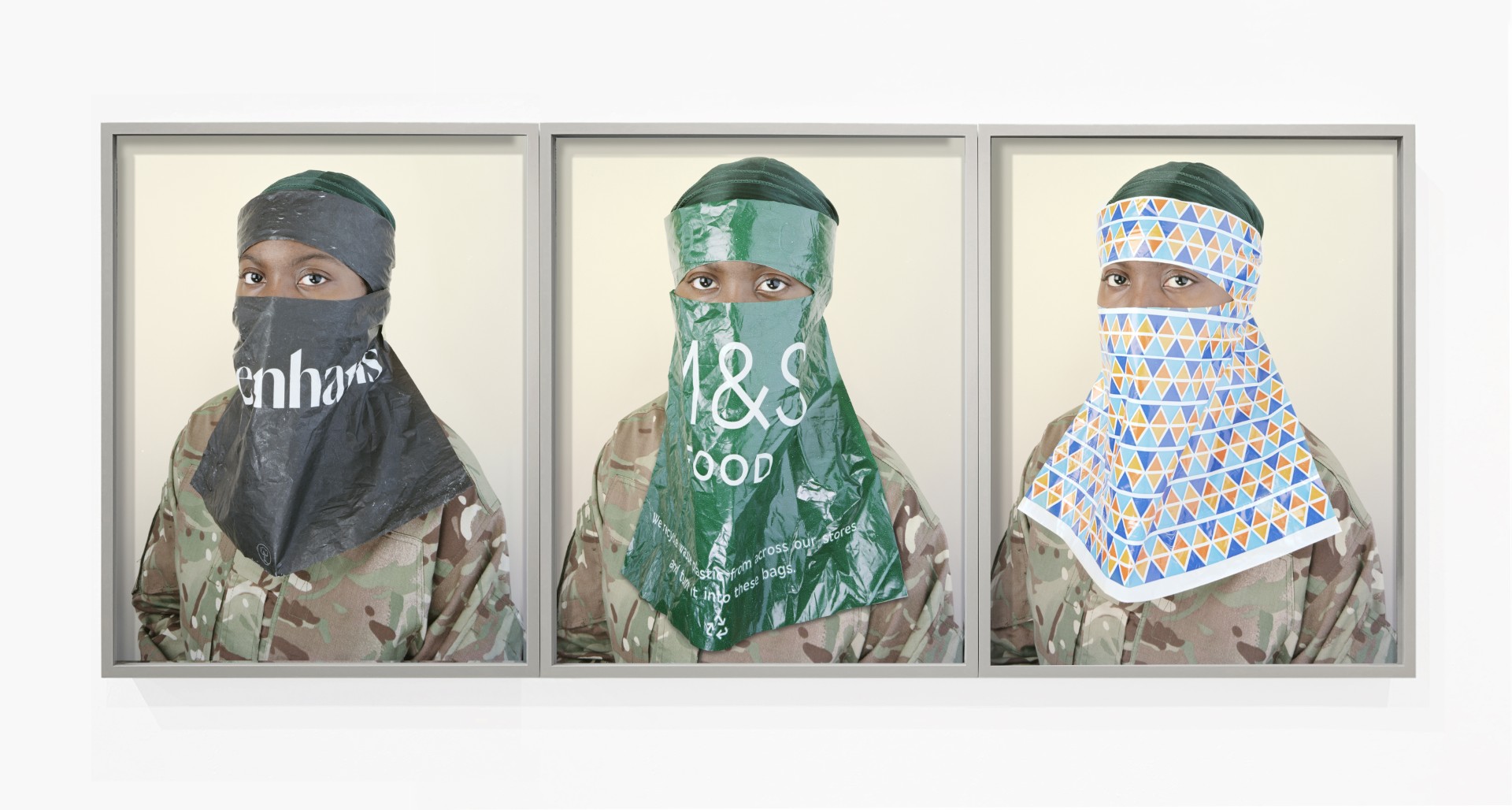
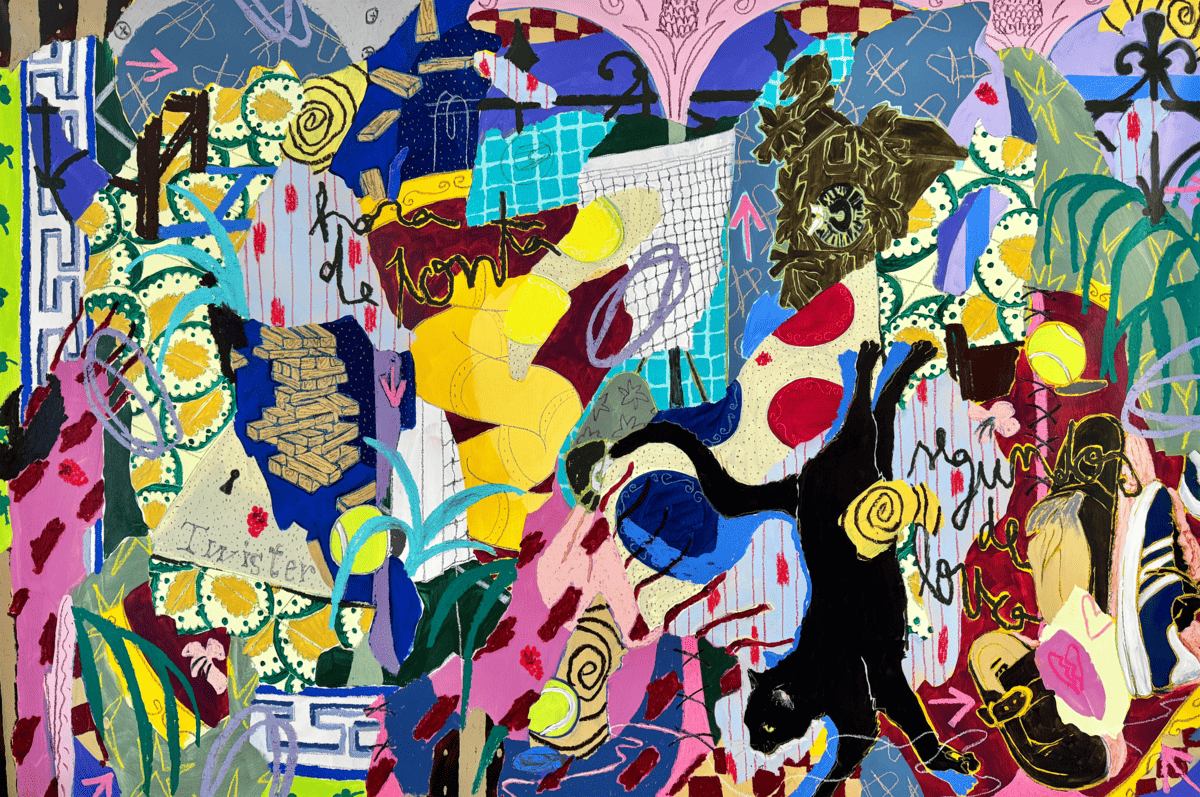
Advisory Board

Alexandre Daletchine image
Alexandre Daletchine
Alexandre Daletchine image

Alexandre Daletchine

Alexandre Daletchine is an art advisor, creative coach and professional public speaker with over 20 years of experience in the contemporary art world. With a unique passion for cross-cultural discourse, he guides clients seeking to align with their values, taste and long-term goals. Passionate about meaningful dialogue, he leads conversations that spark bold thinking and authentic artistic exchange.

Anel Imanbay image
Anel Imanbay
Anel Imanbay image

Anel Imanbay

Anel Imanbay is an entrepreneur, community builder, and creative director based in Lisbon.

She is the organizer and license holder of TEDxMarvila, Lisbon’s English-speaking TEDx event, where she brings together diverse voices to share ideas and inspire dialogue.

With a background spanning corporate finance, startups, consultancy, and art curation, she has developed initiatives that bridge business, culture, and community.

Passionate about the role of art in shaping society, Anel works to create platforms where creativity and human connection can thrive.

She also hosts the podcast Voices of the World, engaging with inspiring individuals to share stories that broaden perspectives.

Her commitment to fostering cross-cultural exchange and supporting artistic talent aligns closely with the mission of the Sovereign Art Foundation, making her an advocate for initiatives that use art as a force for community, education, and positive change.

Anne Brightman image
Anne Brightman
Anne Brightman image

Anne Brightman

Anne Brightman is Founder and CEO of Brightman Group Real Estate Investments, a leading luxury and investment real estate firm in Portugal with offices in Estoril/Cascais, Lisbon, and Porto. With decades of experience navigating international and Portuguese markets, Anne specializes in guiding international buyers through the complexities of investing and living abroad.

Under her leadership, Brightman Group has grown into a team of over 30 multicultural agents and professionals, recognized for combining real estate best practices with in-depth local market knowledge.

Her vision is rooted in growth, constant learning, and building bridges between markets to deliver unmatched opportunities for her clients.

Teresa Vitoria image
Teresa Vitoria
Teresa Vitoria image

Teresa Vitoria

Teresa Vitoria is an interior designer and entrepreneur whose practice extends beyond aesthetics into the preservation of cultural heritage. As founder of Alchemya, she developed a method of programming environments that harmonizes function, flow, and emotional resonance. Teresa views design not only as the creation of beautiful spaces, but as a means of safeguarding identity and nurturing human connection.

Drawing on both scientific insights and intentional design principles, she transforms interiors into purposeful environments that support mind, body, and spirit. Her work reflects a belief that the spaces we inhabit shape our collective experience and serve as vessels for memory, meaning, and cultural continuity.

Through her projects and advocacy, Teresa aspires to elevate the way we interact with our surroundings, fostering environments that enrich lives in enduring ways.

Yvette R. Simpson image

Yvette R. Simpson
Yvette R. Simpson image

Yvette R. Simpson
Yvette R. Simpson, Esq./MBA is a lawyer, professor and serial entrepreneur. Nicknamed the “Queen of Reinvention” she is a wine maker and wine educator, Realtor, author, and international speaker. She currently teaches leadership courses remotely at Case Western Reserve University Weatherhead School of Business and Consultant for UB Greensfelder law firm in the U.S. A former public official and national commentator for ABC News and NPR, Yvette has always been passionate about creating a better world and supporting young people.
She has won numerous awards and honors, including the YWCA Career Women of Achievement Award, Women Who Mean Business and Top 100 CEO in .
Yvette is married to cartoonist Joe Hoffecker and bonus mom of three daughters: Katie, Maggie, and Annie.
In Portugal, Yvette is excited to direct her advocacy and philanthropic expertise to the work of Sovereign Art Foundation and her wine knowledge to support Howard’s Folly.

Maria Pesantez image
Maria Pesantez
Maria Pesantez image

Maria Pesantez

Maria J. Pesantez is the founder of Latitude Zero, a Portugal-focused real estate investment platform operating at the intersection of international investment, lifestyle, and cultural experience. She also leads a property management company in the United States, offering a dual perspective as both operator and investor.

A Harvard University graduate, where she earned a Master’s in Sustainability, Maria holds additional degrees in Finance and Business Administration. She spent 13 years in biomedical research administration, managing multimillion-dollar budgets and leading large-scale operations before transitioning into real estate.

Having lived in Ecuador, the United States, France, and Portugal—and traveled to over 50 countries—Maria brings a global outlook shaped by diverse cultures and human connection. She prioritizes building meaningful relationships and fostering community, with a deep appreciation for travel, music, gastronomy, and curated experiences shared with family and friends.

Committed to impact, Maria dedicated over a decade to environmental volunteering and now focuses on supporting the arts and creative expression, including her involvement with the Sovereign Art Foundation.

Diana Williams image
Diana Williams
Diana Williams image

Diana Williams

Diana Williams has over twenty five years experience in the arts and heritage fields in the UK and South Africa. Diana began her career in the arts field with St Paul’s Cathedral Foundation as Head of Corporate Fundraising, spearheading the £40 million campaign to clean and restore the historic building. Diana then moved to South Africa in 2003 and began a long-term association with Business and Arts South Africa (BASA), the government agency encouraging business sponsorship of the arts. She was the founding Director of the business mentorship programme for arts organisations. In 2014-15, she co-curated the programme for Art Week Joburg with the Visual Arts Networks of South Africa (VANSA). In 2016, she joined the Board of the Association for Visual Arts (AVA), the oldest visual arts association in South Africa where latterly she served as Vice Chairman. At the same time, she launched Art Trails, a tour guiding business for tourists and collectors visiting South Africa, providing insight into the contemporary art scene. In 2020, she moved to Lisbon where she continues to be involved in the arts, making cross cultural connections and promoting funding support for the arts.

Prize Winners and Previous Finalists

2025

Prize Winners and Previous Finalists arrow
Grand Prize Winner
Edgar Martins
Edgar Martins art
Public Vote Prize Winner
Ana Malta
Ana Malta art
Women’s Prize Winner
Alice Marcelino
Alice Marcelino art

2024

Prize Winners and Previous Finalists arrow
Grand Prize Winner
Francisco Trêpa
Francisco Trêpa art
Public Vote Prize Winner
João Alexandrino
João Alexandrino  art

2023

Prize Winners and Previous Finalists arrow
Grand Prize Winner
Cássio Markowski
Cássio Markowski art
Public Vote Prize Winner
Leylâ Gediz
Leylâ Gediz art

2022

Prize Winners and Previous Finalists arrow
Grand Prize Winner
Jorge Queiroz
Jorge Queiroz art
Public Vote Prize Winner
Manuela Pimentel
Manuela Pimentel  art