

Artist Highlight
Vanessa Teodoro
On memory, motherhood and creating together
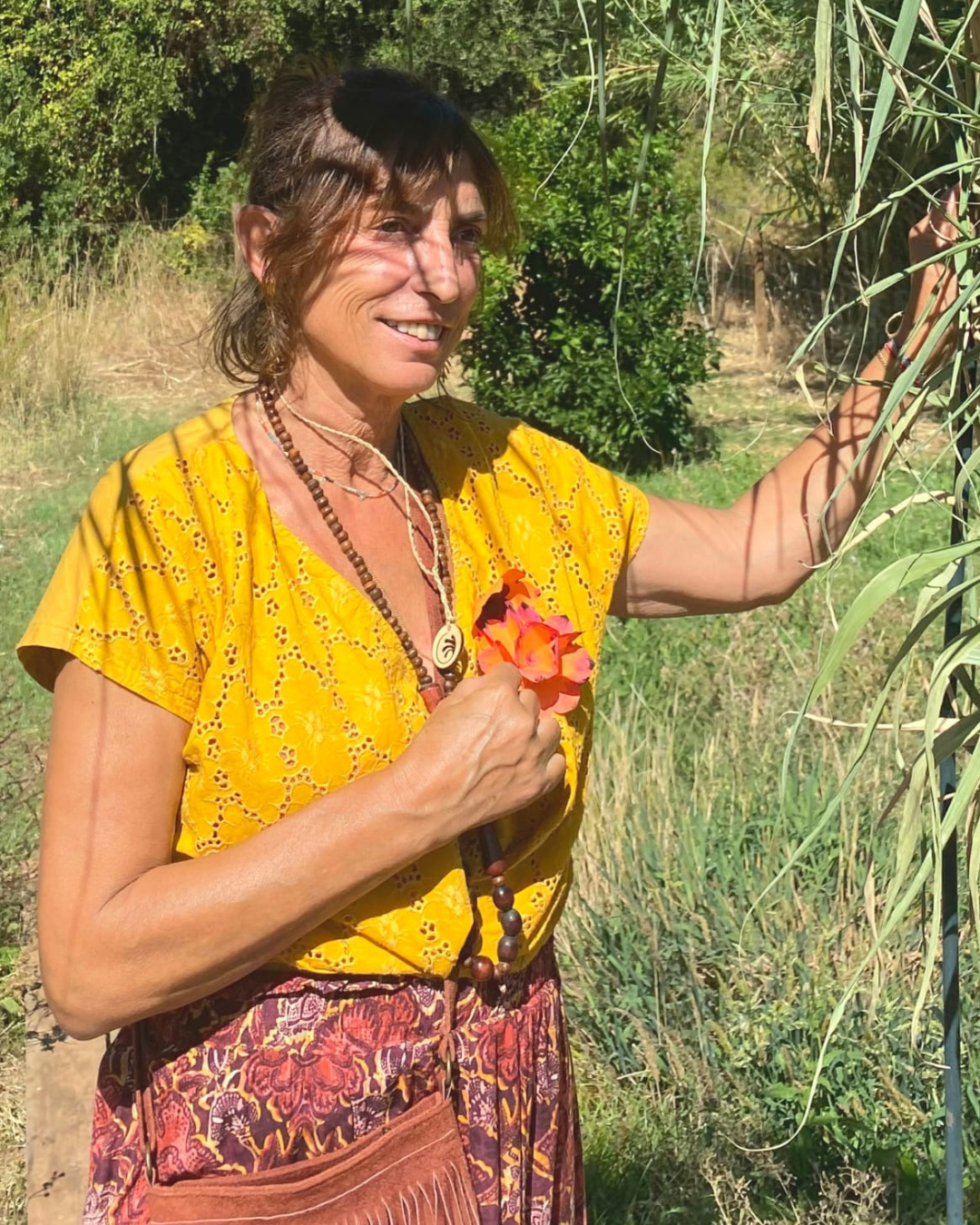
Born and raised in Cape Town and now based in Lisbon, Vanessa Teodoro is known for her bold graphic language, geometric patterns and strong contrasts. In MOTHER, that visual language meets natural materials, traditional crafts and a deeply personal exploration of memory, care and connection.
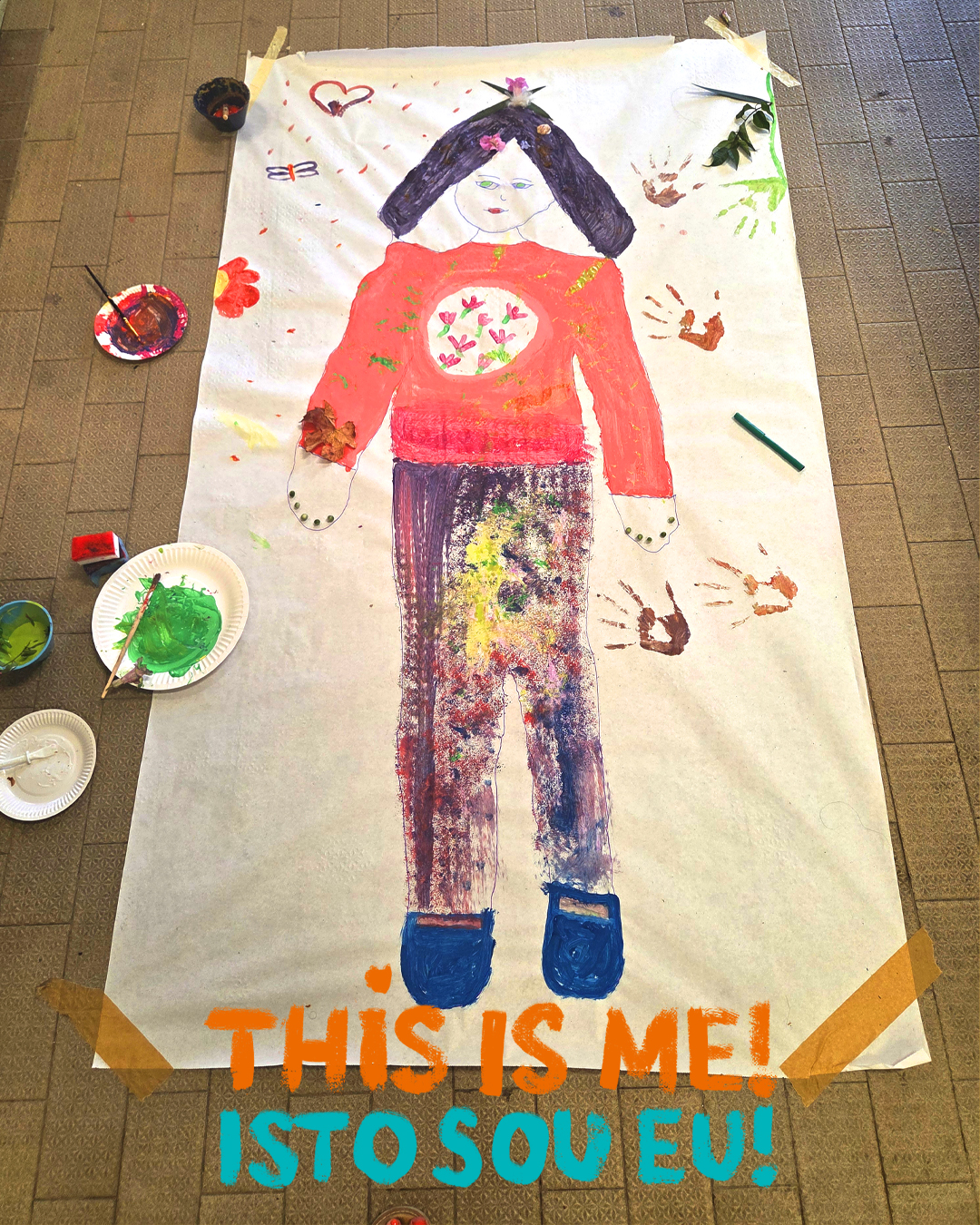
Inspired by her changing relationship with her mother, who has Alzheimer’s, the exhibition brings together stories and materials from South Africa and Portugal. These themes also shaped Vanessa’s family workshop with The Sovereign Art Foundation, where parents and children created artworks together through colour, mark-making and layers.
We spoke to Vanessa about the exhibition, the women whose hands helped shape it, and what happens when two generations share a creative space.
MOTHER is described as a journey of healing, connection and honouring the mother. What first inspired the exhibition, and how did its meaning evolve as you developed the work?
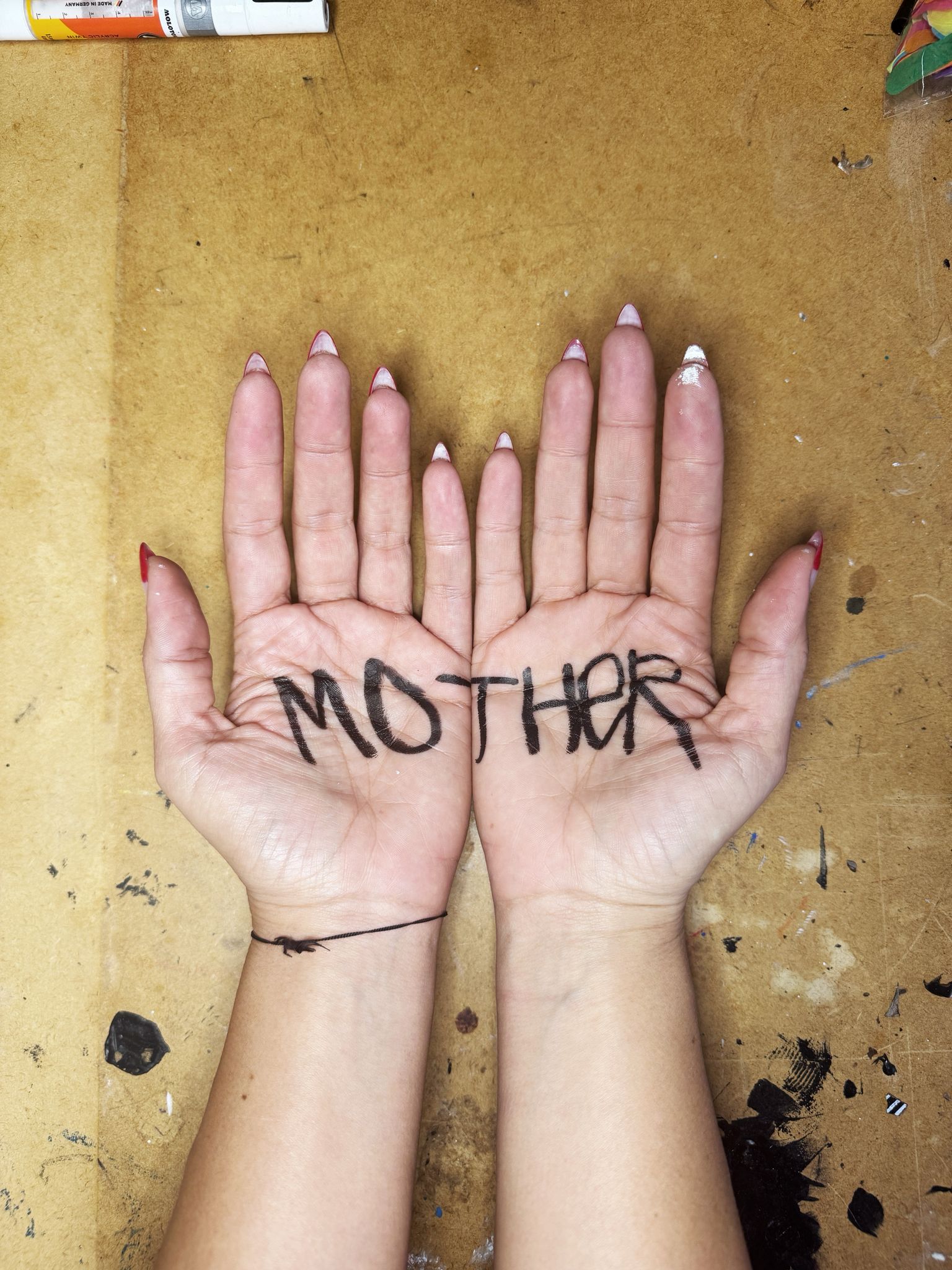
It started with my mother. Her memory is fading due to Alzheimer’s, and as the person I knew began to slip away, I started meeting new versions of her. I am rediscovering her, and myself, in the process. At first I thought I was making a show about loss. But what kept surfacing was what remains: her laugh, her touch, the love that stays when memory doesn’t. That shift, from longing to acceptance, is where the healing happened for me.
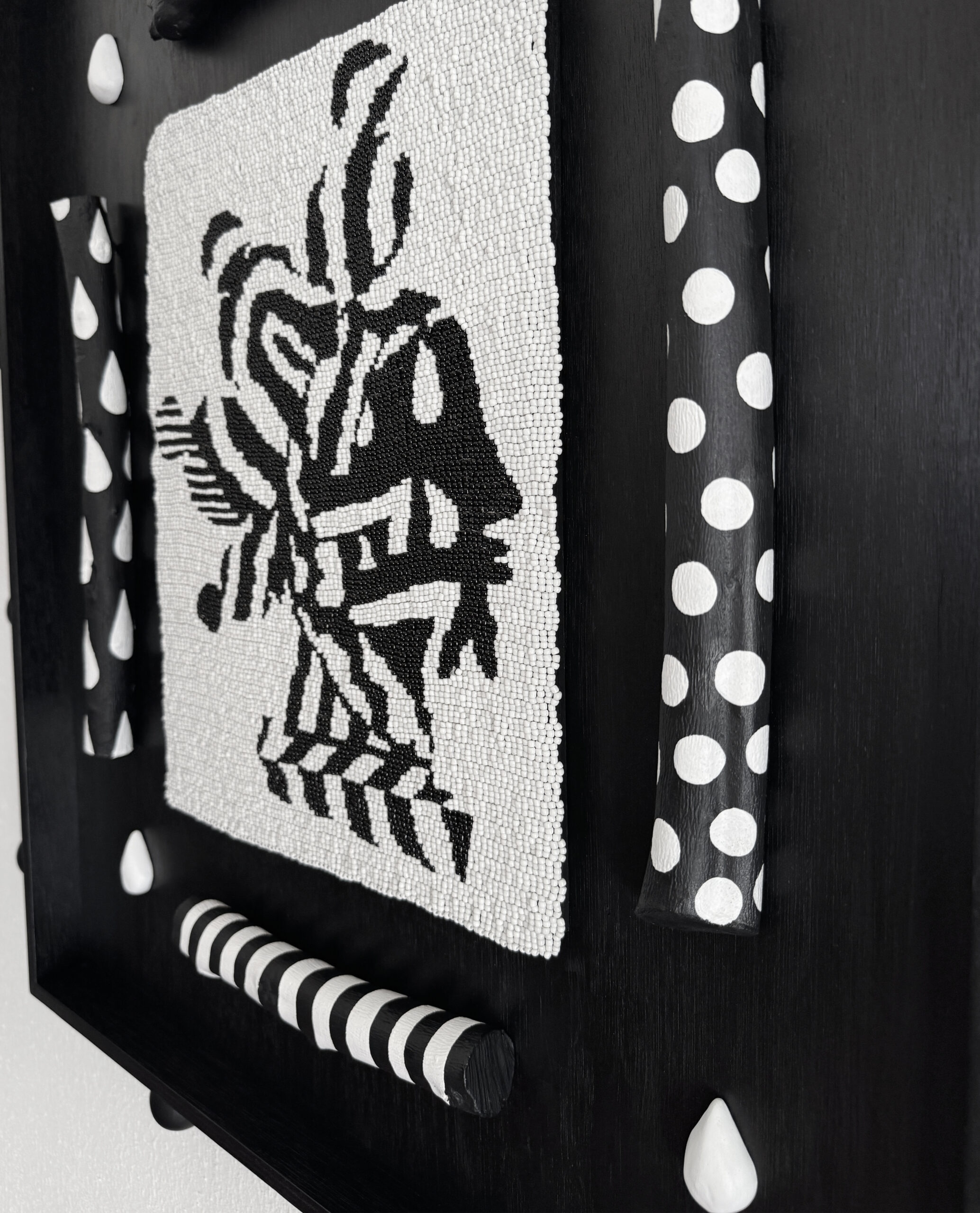
As the work developed, the meaning widened. mother became more than my own mother. It became my grandmother, Mother Earth, the women I worked alongside, and the sacred feminine that connects all of them. The beaded pieces were made in collaboration with women from the townships of Cape Town, and the Arraiolos rugs with women in Arraiolos, most of them elderly. Their hands are part of this story, and their work is credited and shared.
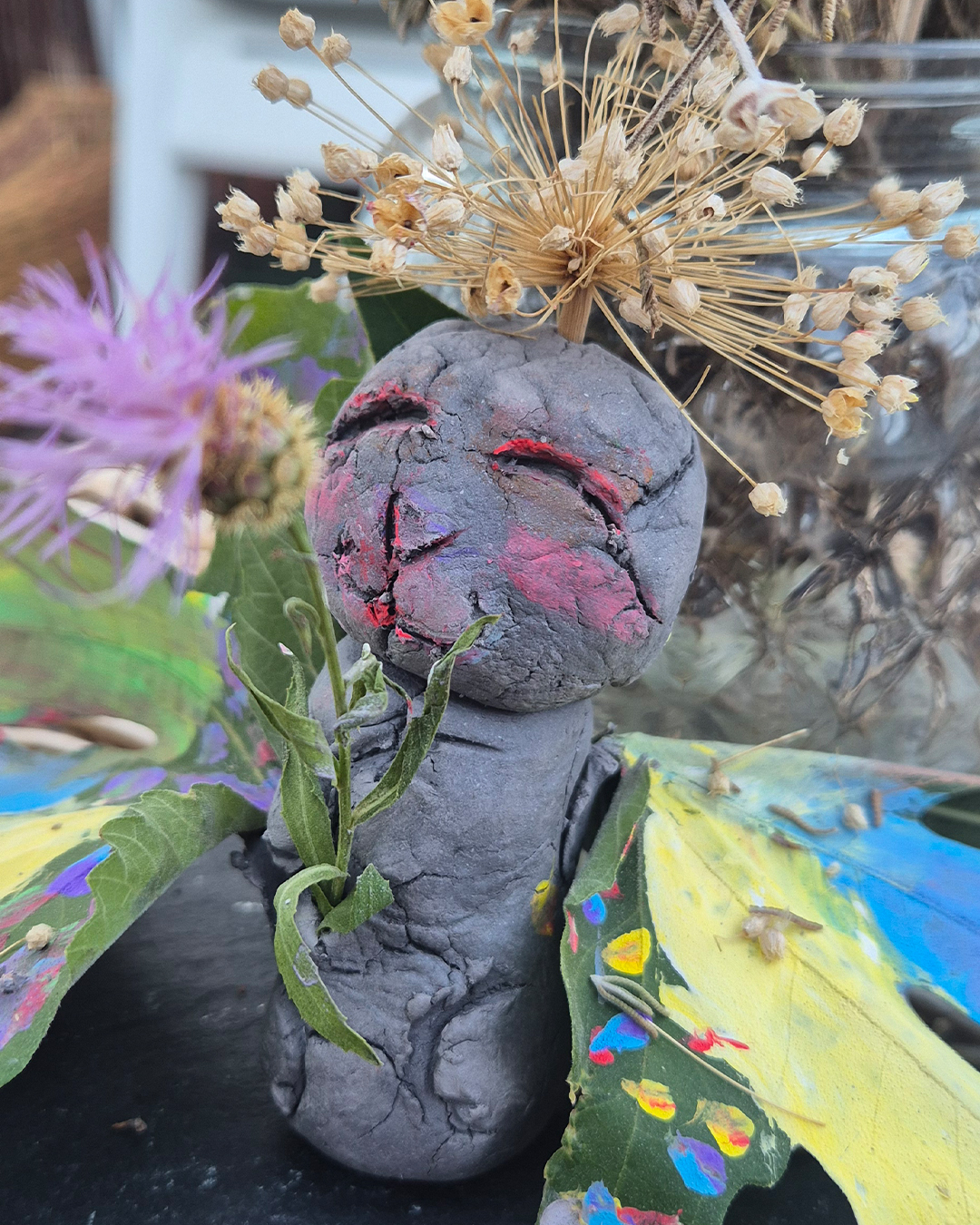
I also began working with natural materials for the first time: leaves, bark, clay, fallen branches and old Alentejo vases. That pulled me out of my comfort zone. I have always been very independent and liked to control every detail, and this show taught me to let go and trust the process.
Ubuntu, “I am because we are,” has always guided my work, and mother made it real. It began as something very private and became something shared. Visitors can even pick up a vintage phone in the gallery and leave a message for their own mother. In the end, the show is about the metamorphosis of creation, and about how the heart never forgets.
Your work is known for its bold graphic language, patterns, strong contrasts and figurative elements. How does MOTHER build upon or move away from the visual language people may already associate with your practice?
The visual language is still there, but it has found new ground. For years my work lived on walls, windows and paper, built on geometric precision, strong contrast and the duality of black and white. With mother, I wanted to see what happens when that language meets materials with their own memory.
The bigger shift came with natural materials. Leaves, bark, clay, sticks and vases already have a form and a history, so my lines had to adapt to them. The precision is still there, but it now sits alongside imperfection.
The duality at the heart of my practice has simply moved. It is less about black against white and more about meeting points: the graphic and the organic, the made and the found, my hand and the hands of others. mother feels less like a departure and more like a softening.
Memory, care, identity and what passes between generations all seem central to MOTHER. How have your own personal and cultural experiences shaped the way you explore these ideas?
I carry two homes with me: Cape Town, where I was born and raised, and Lisbon, where I live and work. mother became a way of bringing them together.
In both places I found women keeping traditions alive with their hands. Beadwork in Cape Town and Arraiolos embroidery in the Alentejo are passed down through generations of women. They are a form of memory in themselves. Working with these women made me think about what we inherit without words: gestures, patience, ways of caring.
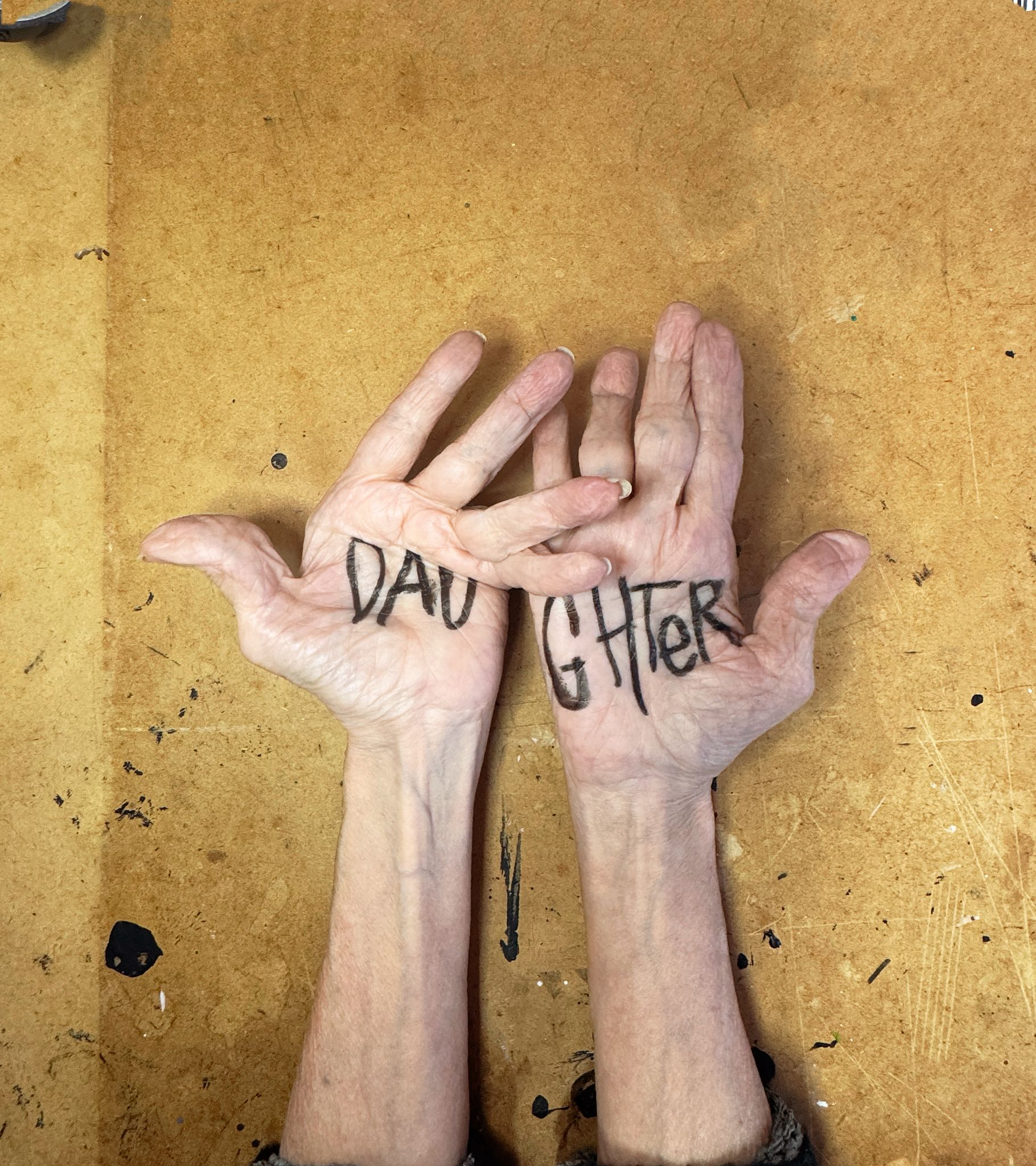
At the same time, I was living this at home. As my mother’s memory fades, the roles shift and care flows in the other direction. The show is dedicated to her and to my grandmother, because what passes between us doesn’t depend on memory. It lives in the hands, in the body, in the heart.
For your SAF workshop, parents and children responded to one another through colour, mark-making and layers. What interests you about bringing two different visual languages together in a single artwork?
Duality has always been at the centre of my work, so a workshop built on two visual languages felt like a natural extension of mother.
A child and a parent see the world differently. Children are instinctive and free; they don’t hesitate. Adults plan, correct and hold back. When they respond to each other on the same surface, neither language wins. A bold mark invites a softer one, a layer covers and reveals. It becomes a conversation without words.
What interests me most is the moment two hands meet and something appears that neither would have made alone.
It echoes the relationship at the heart of mother, where roles shift and we keep learning from each other. Seeing families leave with artworks that held both of them was one of the most beautiful moments of the workshop for me.
The Exhibition
Visit MOTHER
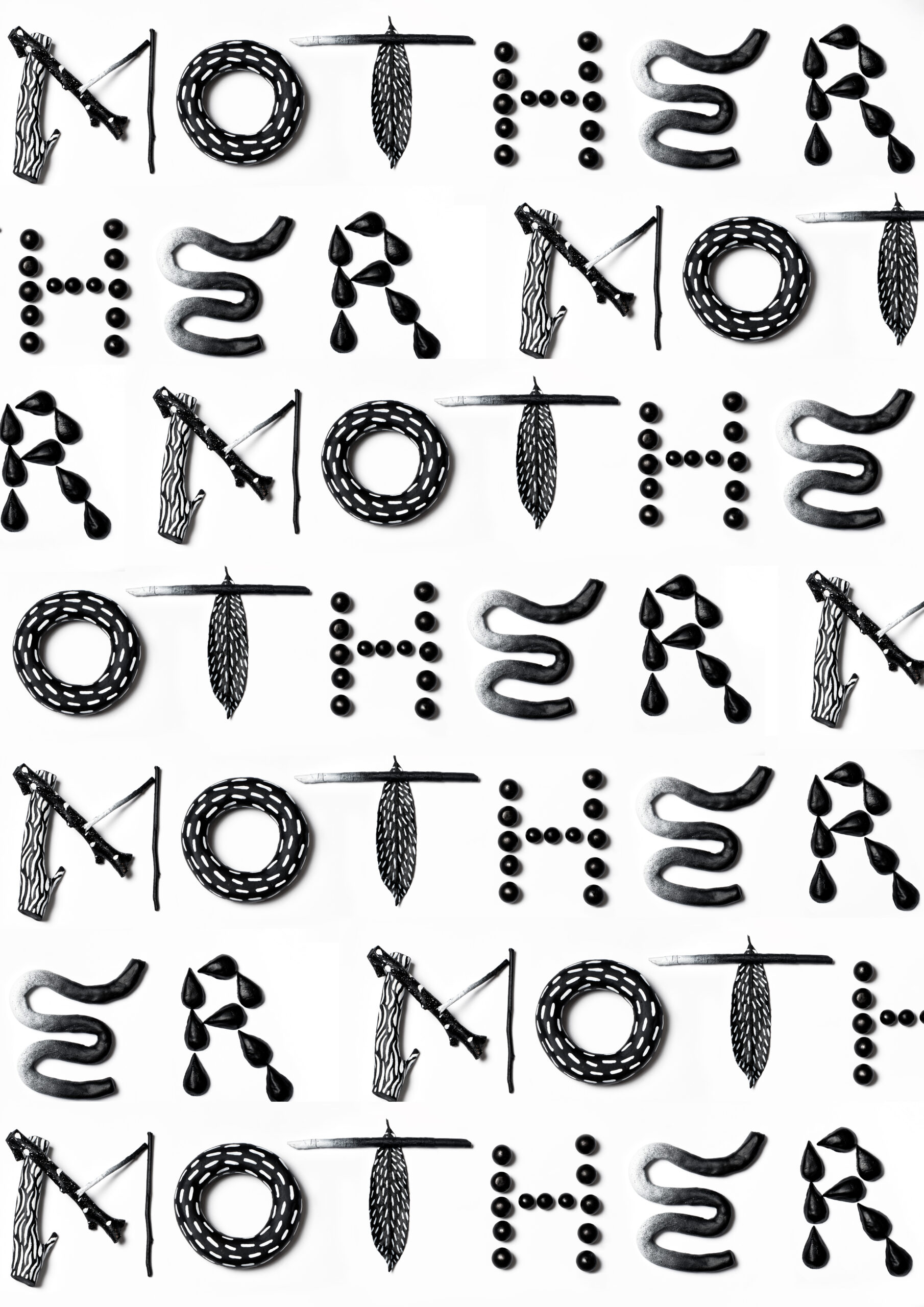
Vanessa Teodoro’s exhibition MOTHER: A Tribute to the Feminine continues in Lisbon until 14 November. The exhibition reflects on motherhood, memory, the natural world and the many forms of feminine creativity.
Bringing together Vanessa’s own work with pieces created in collaboration with women artisans in Portugal and South Africa, MOTHER honours both inheritance and reinvention through layered forms, traditional techniques and reclaimed materials.
MOTHER: A Tribute to the Feminine
Until: 14 November
Location: Avenida 24 de Julho 8A, Lisbon