

Could you tell us more about Black Skin White Algorithm?
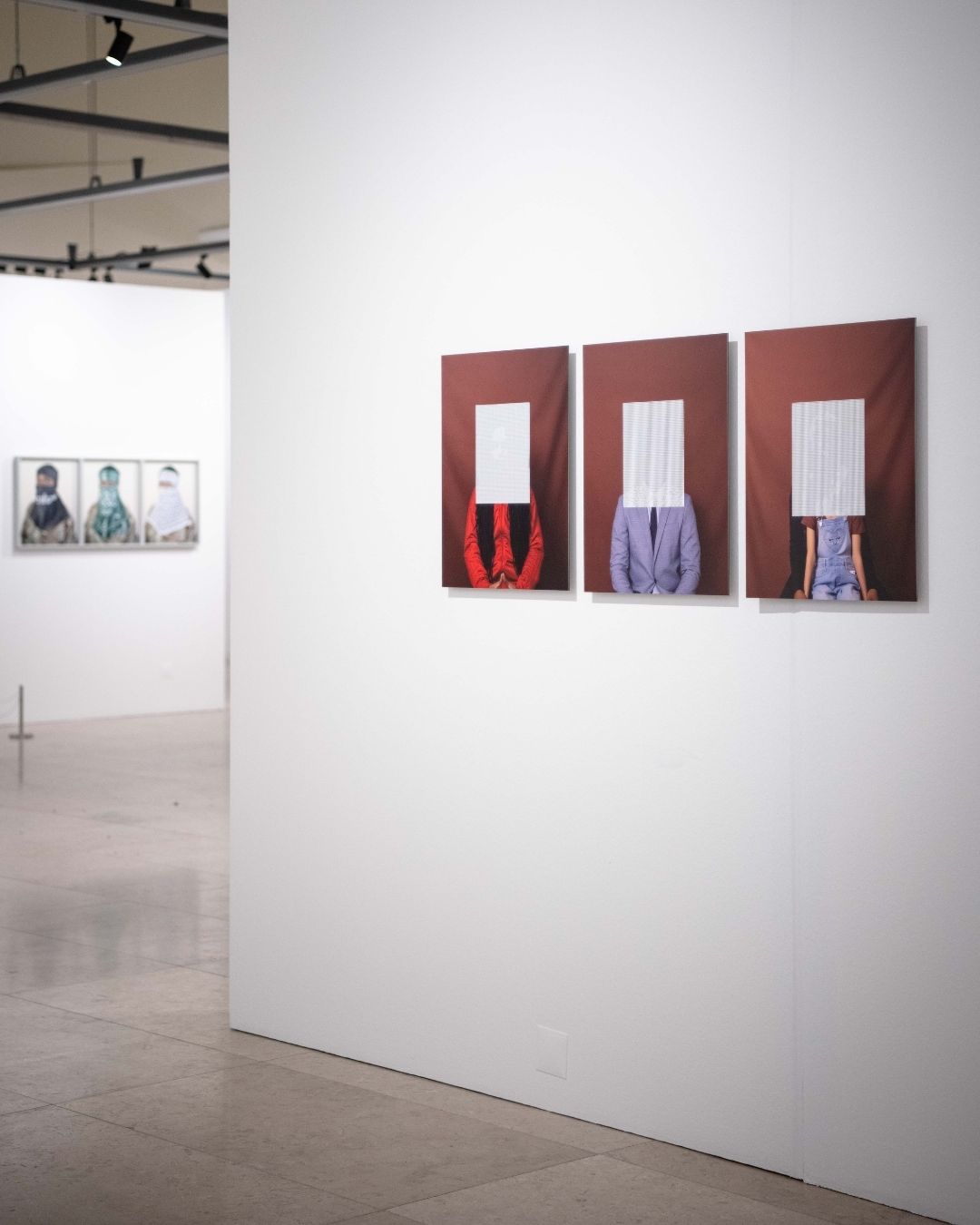
I developed this project during my Digital Media MA at Goldsmiths University. I have been always fascinated with technology and how quickly it keeps evolving, alongside my growing awareness of its darker implications.
The work emerged from reading two pivotal books that fundamentally shifted my understanding of how technology operates in society. Ruha Benjamin’s “Race after Technology: The New Jim Crow” and Shoshana Zuboff’s “The Age of Surveillance Capitalism” both examine how companies extract our data and turn our behaviour into profit, but Benjamin really opened my eyes to how this whole process makes racial injustice even worse. Her perspective immediately reminded me of Frantz Fanon’s “Black Skin, White Masks,” particularly his analysis of the internalisation of racism, the white gaze, and the systematic dehumanisation of Black people. I started seeing the connections between what Fanon wrote decades ago and what’s happening now in our digital world. Racism hasn’t gone anywhere; it evolved into new forms within our digital world.
That’s what sparked this whole project. I wanted to explore how modern technology, despite being presented as neutral and objective, remains deeply biased because it continues to reproduce the same racial hierarchies, as whiteness is still treated as the default, the standard that everything else gets measured against.
The title “Black Skin White Algorithms” deliberately highlights how algorithms function like new colonial masks, Fanon talked about. They hide racial bias behind claims of being objective and scientific, while actively shaping how Black people are seen, categorised, and governed within digital spaces. They actually amplified them by creating new mechanisms of control and exclusion that operate under a false sense of authority of computational objectitivy.
What do you want people to feel or learn when they see your works?
It may sound abstract but these biased systems are everywhere in our daily lives. Think about who gets hired through automated résumé screening, who gets flagged by facial recognition at airports, who gains access to credit loans or healthcare, and even whose voice is understood by digital assistants. These algorithms are not neutral -they are often developed and tested with white, frequently male users as default. Everyone else is misrecognised or excluded.
When people see my work, I want them to pause and reflect on how deeply technology and social systems shape our everyday lives, often in ways we don’t usually notice. I want people to feel the hidden weight of bias in everyday technologies, and to learn that these systems are not neutral but shaped by power. But I also want people to feel a sense of possibility, that we can reimagine technology and society in more inclusive and fair ways.
Is there a moment, person, or idea that’s inspired you in the past few weeks?
We live in very strange times—almost dangerous, to say the least. People have inspired me, sometimes awed me too. But it’s the resilience people have to continue their lives in these crazy times that really gets to me.
I keep thinking about how ordinary people just keep going. They wake up, take care of their families, create art, build communities, fight for justice—all while the world feels like it’s falling apart around us. There’s something both heartbreaking and beautiful about that determination to keep living, keep hoping, keep making things better despite everything.
Maybe it’s seeing how people adapt and find ways to support each other when institutions fail them. Or watching someone put their heart into their work even when the future feels so uncertain. It reminds me that resilience isn’t just about surviving, it’s about refusing to let the chaos steal your humanity or your capacity to imagine something better.
In a way, that everyday resilience feels more radical than any grand gesture. People saying, “I’m not going to let this break me or stop me from caring.” That quiet defiance, that insistence on continuing to live fully even in strange and dangerous times—that’s what’s been inspiring me lately.
How did you feel when you found out your work was shortlisted?
I was happily and positively surprised. I am excited to see this work getting more visibility, and it feels like an important step toward having broader conversations about these issues.
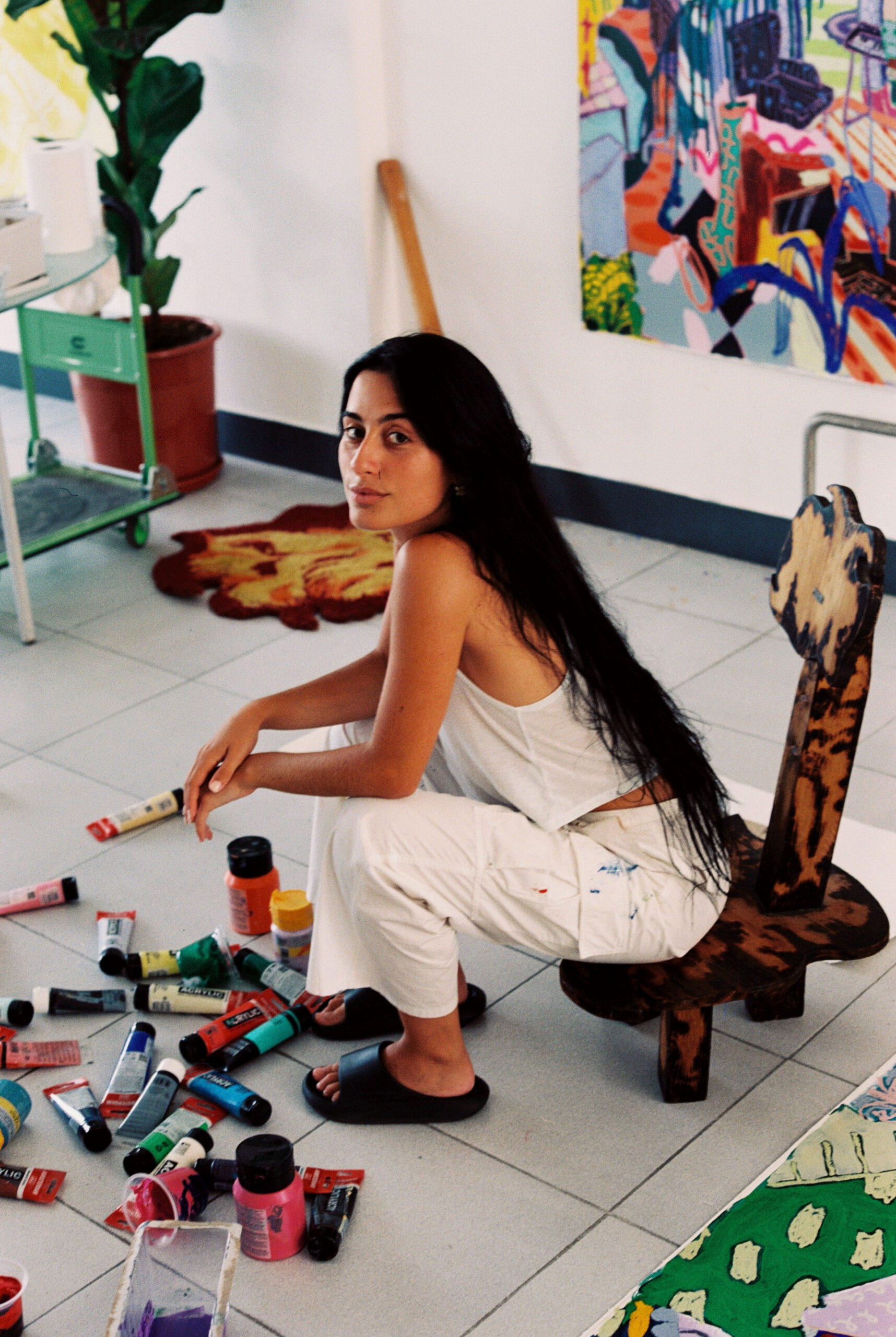
Could you tell us more about País das Baunilhas?
País das Baunilhas (The Land of Vanillas) is a chaotic, vividly layered plunge into the overstimulated mind, a place reminiscent of Alice’s Wonderland yet more tangled, more visceral. The viewer is pulled into a symbolic rabbit hole, a mental spiral of emotional sludge and social overload. The phrase “Hora de ponta… segundos de louca” scrawled across the canvas points to the paradox of modern life: society permits only fleeting moments of madness while relentlessly demanding composure, politeness, and a vanilla-flavored neutrality.
The work brims with metaphor. A teetering Jenga tower evokes mounting stress. A Twister mat, with shoes off as the rules demand, becomes a stage for emotional entanglement, a crowded layering of feelings and expectations. A cuckoo clock looms like a warning siren, marking the relentless erosion of time. Tennis balls bounce through the scene, signaling the start-stop rhythm of a fragmented existence. Raspberries, close relatives of roses, allude to sub rosa, hidden truths and quiet unrest. At its heart lies a black cat, relaxed yet ambiguous, an omen suspended between Eastern fortune and Western superstition.
In this way, País das Baunilhas reflects on the pressures to remain polite and composed, while suggesting the importance of making space for more complex and unfiltered emotions.
How did you feel when you found out your work was shortlisted?
I felt incredibly happy and grateful when I found out that País das Baunilhas had been shortlisted. The Sovereign Art Foundation is an institution I deeply admire, not only for its commitment to celebrating contemporary art but also for the meaningful initiatives it leads.
However, I was actually a bit surprised myself, because País das Baunilhas is more chaotic than the compositions I usually create, but that is exactly the point. The work is a colorful outburst, a personal expression of disorder, and at the same time an invitation to dialogue. I hope that viewers can engage with the different elements, connect the stories, and interpret the work in their own way, helping to untangle the mental pressure of such a confusing scene.
Being selected to take part in such a prestigious exhibition and knowing that it is connected to such an important cause, is already very special to me. I feel truly thankful for this opportunity.
What do you want people to feel or learn when they see your works?
What I aim for people to experience when they see my works is similar to the curiosity of assembling a puzzle, but in reverse. The process of “deconstruction” extends beyond the work itself to the audience: while I construct the piece through accumulation, viewers participate by interpreting and disentangling its elements. This interaction establishes a conceptual symbiosis, where meaning emerges collaboratively, and both the artwork and its reception are shaped through this shared engagement.
Is there a moment, person, or idea that’s inspired you in the past few weeks?
In recent weeks, my inspiration has come from observing everyday systems of order and disorder, and the ways people navigate them. Small, seemingly chaotic moments, objects, interactions, or fleeting experiences, often reveal hidden structures when examined closely. These observations feed into my work, providing raw material for accumulation and layering.
In my work, I often draw inspiration from “enchanted places,” memories of what I associated with happiness or paradise as a child. Lately, with the weight of adult responsibilities, I have felt challenged by the idea of the rabbit hole, which led me to País das Maravilhas (Wonderland). The title plays with the rhyme in Portuguese between País das Maravilhas and País das Baunilhas (Land of Vanillas), highlighting the tension between imagination and the societal expectation to remain neutral and controlled. This juxtaposition of childhood wonder and adult constraints serves as a kind of guide for viewers, providing visual cues to help deconstruct and navigate the painting.
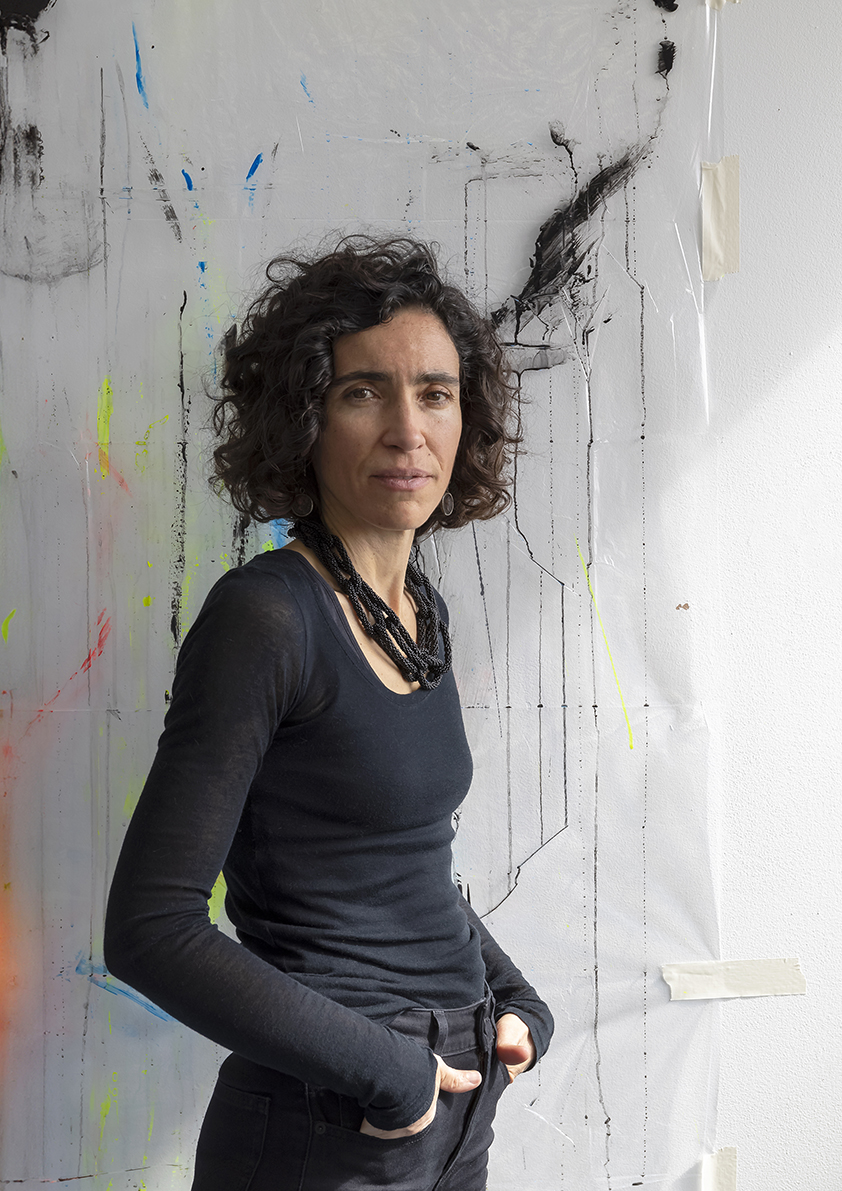
Could you tell us more about From the TERCEIRO ROUND series?
This work is part of a project based on the analogy between the boxing ring – the combat space – and the pictorial space, in the possibility that the latter can be understood as a game.
How did you feel when you found out your work was shortlisted?
Apart from being very happy and honoured, I felt that all the hours spent at the studio are really worth it.
What do you want people to feel or learn when they see your works?
I adopted drawing because of its ability to represent primary and elementary characteristics. It has a mythical status associated with being the first and most immediate way to create images, the intimacy, informality, immediacy, subjectivity, memory and narrative. I believe that to draw and paint forms part of our relationship with our physical environment, engraving in it the presence of the human. I hope that all of this is present in my work and felt by the people who see it.
Is there a moment, person, or idea that’s inspired you in the past few weeks?
Not in the last few weeks, but last year I discovered Soledad Sevilla work in an exhibition at the Reina Sofía Museum in Madrid and it does not get out of my head.
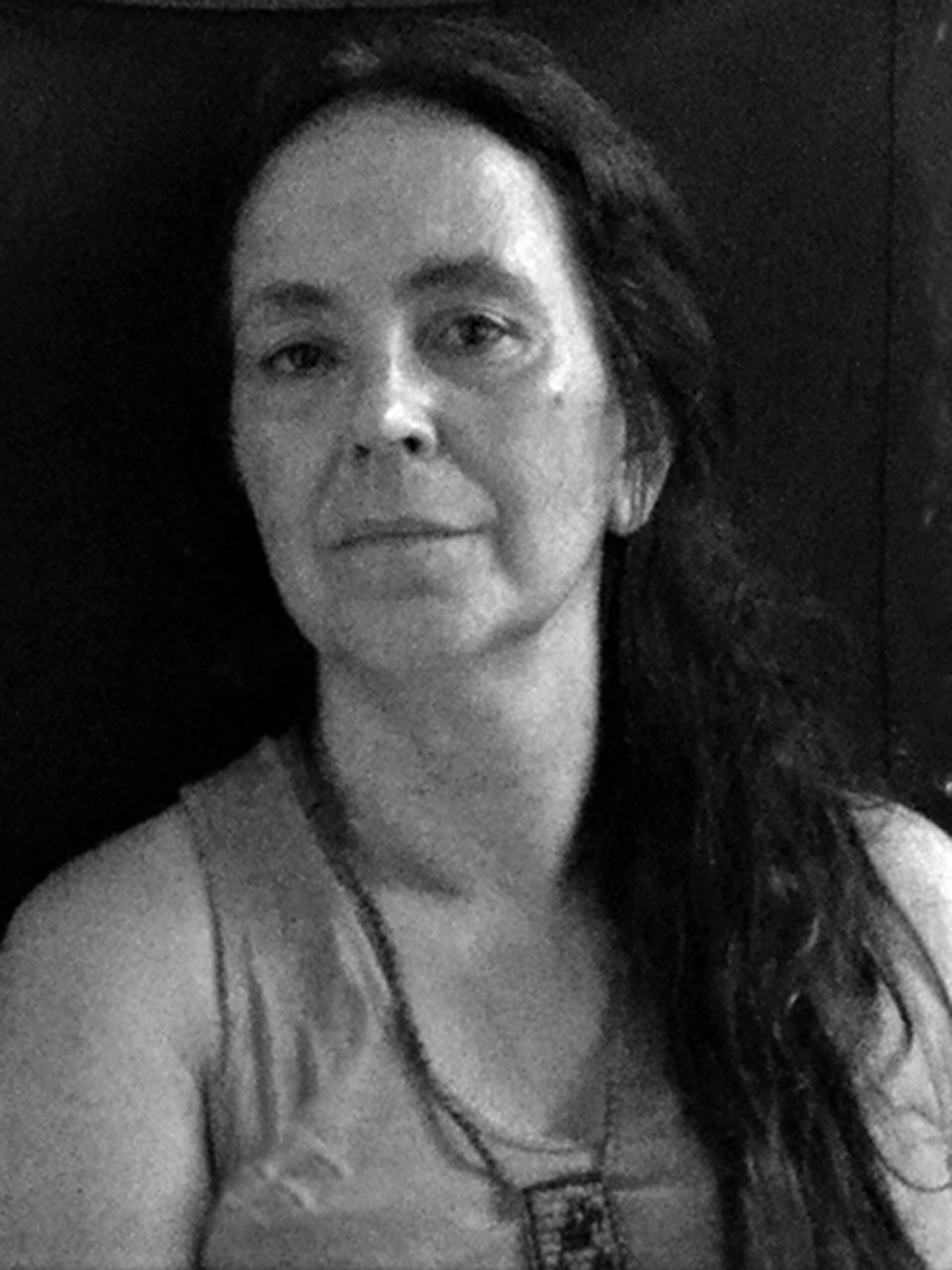
Could you tell us more about Vilomah?
Vilomah is a Sanskrit word giving acceptance to describe a parent who has lost a child. The usual expectation from the natural life cycle is that a child will outlive the parent. Unfortunately, there are times when this is not the case and the child passes away before the parent.
How did you feel when you found out your work was shortlisted?
I was very happy to know that with this memorial, I will be able to help a Social Action which aims to support parents who lose their children.
What do you want people to feel or learn when they see your works?
A child who loses one of their parents is called an orphan. However, parents who lose their children in the West feel that they have no classification for their state. I wanted to give them a voice, and a name.
Is there a moment, person, or idea that’s inspired you in the past few weeks?
The constant wars. Children searching for their parents in the rubble and parents’ hope of finding their children alive.
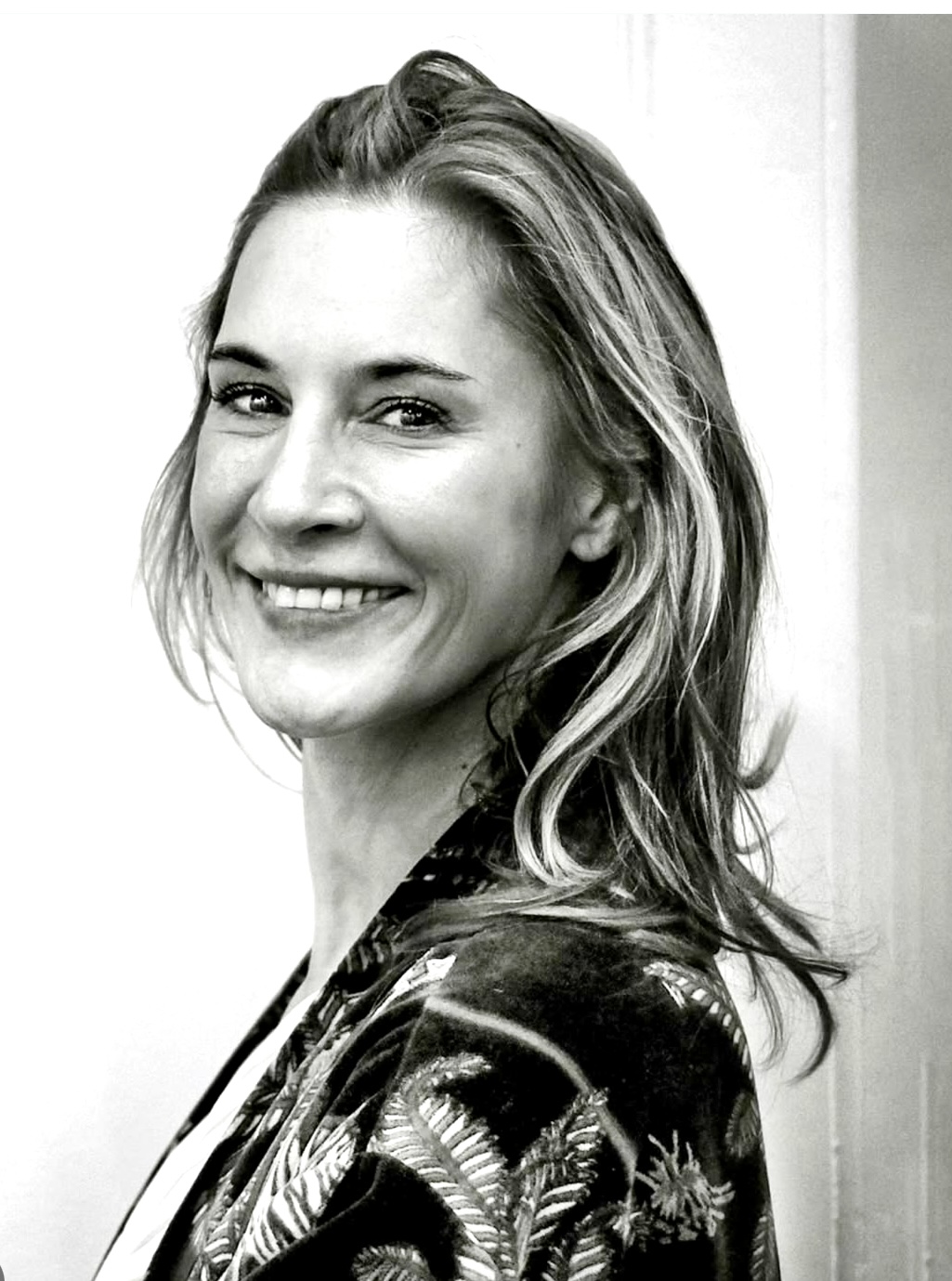
Could you tell us more about Regression?
Regression is thus in very truth the basic condition for the act of creation. – Carl G. Jung
For Jung, regression is not merely a return to childhood or a past state, but a necessary descent into the unconscious in times of inner crisis—an instinctual withdrawal from the ego’s structured world into the depths of the psyche. This regression is not failure; rather, it is the first step in the individuation process. The subject sheds the persona, confronts their shadow, and begins transformation. The painting captures that liminal, in-between moment—neither collapse nor emergence, but necessary stillness. I portray the psyche as suspended—caught between memory, isolation, and the quiet unravelling of self in natural space. By not revealing the identity—no face, no context—the subject is placed in the realm of the collective unconscious, where archetypes dwell. One might see this as the return to the Self.
How did you feel when you found out your work was shortlisted?
It was a mix of gratitude and quiet reflection. I felt honored that my work resonated with others enough to be recognized in that way — especially because my paintings are so personal and rooted in ambiguity. I try to create spaces that invite emotion and introspection, not always answers. So being shortlisted felt like a confirmation that there’s room for that kind of work — work that asks questions rather than resolves them. It reminded me that even the most internal, subjective expressions can connect with others in meaningful, unexpected ways.
What do you want people to feel or learn when they see your works?
My work exists at the threshold between memory and imagination — a dreamscape where identity is constantly shifting, dissolving, and reforming. I am less interested in representing reality than in evoking the felt sense of it: the blur of recollection, the unreliability of memory, the archetypes that rise up from the unconscious. Each painting becomes a site for projection, where the viewer can confront their own stories, myths, and emotional landscapes. I want the experience of my work to be subjective, interior, and open-ended — a mirror rather than a message.
Is there a moment, person, or idea that’s inspired you in the past few weeks?
Wolfgang Tillmans retrospective at Centre Pompidou, nature itself every day.
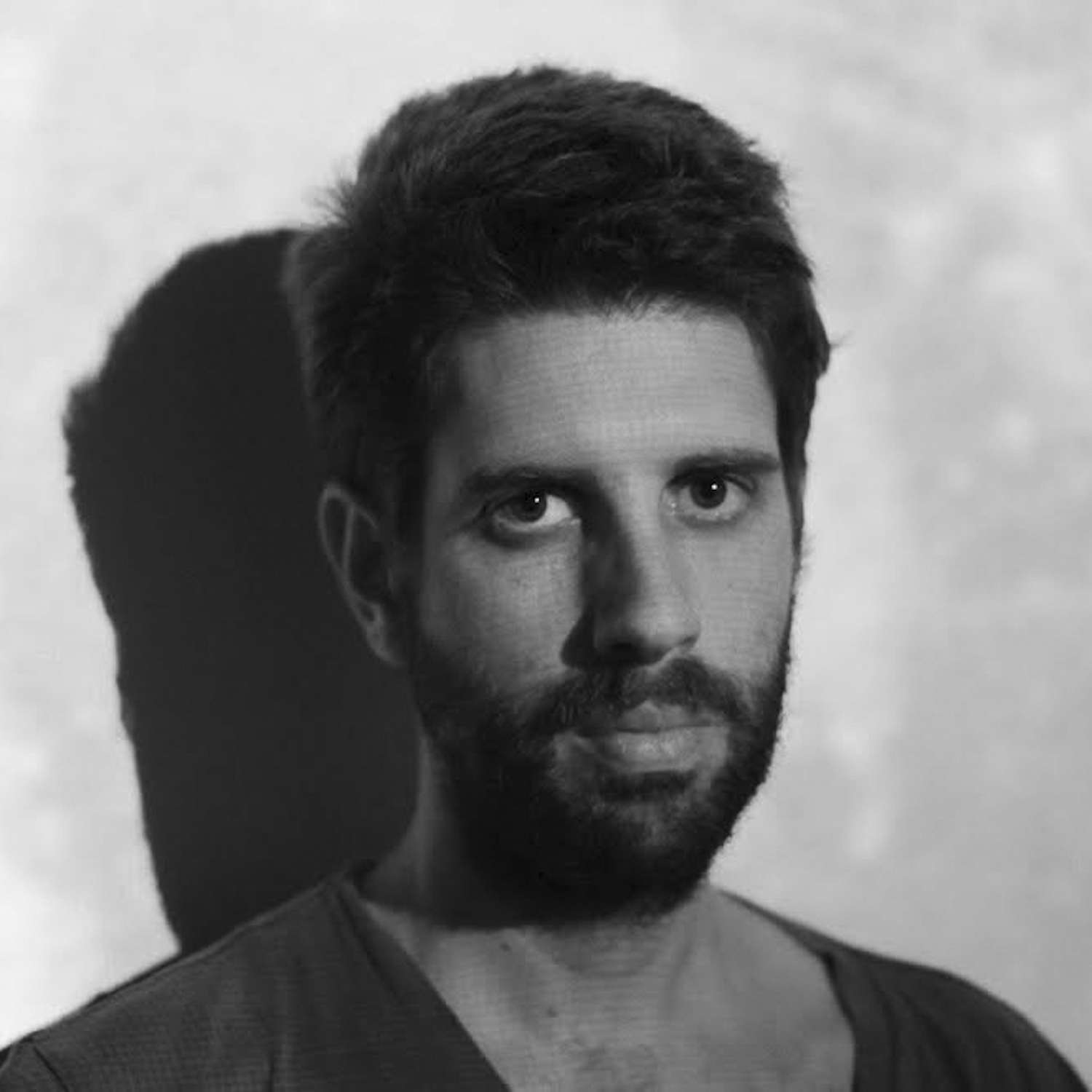
Could you tell us more about Beholder’s Share?
In Beholder’s Share, I blend advanced techniques with a unique, personal vision. Even though high-tech machines handle cutting, printing, and painting, every stage is guided by skilled hands, each adding their signature flair. This mix of technology and hands-on magic gives the work an experimental edge, transforming what might seem like an industrial object into complex handmade artwork. Each piece tells its own story—a journey of precision, time, and the beautiful collision of technology and spontaneity in a contemporary human object.
How did you feel when you found out your work was shortlisted?
I was delighted to feel that I’m part of an organisation that actively contributes to the well-being of others. It reinforces my belief that art can be a powerful tool in addressing social needs and shaping a more caring community.
What do you want people to feel or learn when they see your works?
Ultimately, Beholder’s Share aims to provoke contemplation on the boundaries between the organic and the mechanical, the tangible and the intangible, and the individual and the collective. Through the fusion of technology, aesthetics, and viewer engagement, Beholder’s Share invites audiences to reconsider their perception of art and its immersive potential, exploring the transformative power of transubstantiation in the experiential age.
Is there a moment, person, or idea that’s inspired you in the past few weeks?
Over the past few weeks, I’ve been deeply inspired by Han Kang, the Nobel laureate in Literature, after reading two of her books: The Vegetarian and The White Book. I was absolutely astonished by her ability to translate complex human emotions and feelings into delicate, literary expressions. Despite the distinct structural and formal differences between the two books—each seeming to arise from unique creative impulses—they subtly converge, revealing a common, underlying depth. Her work has been a powerful reminder of how diverse creative acts can intersect to reveal profound truths about the human experience.
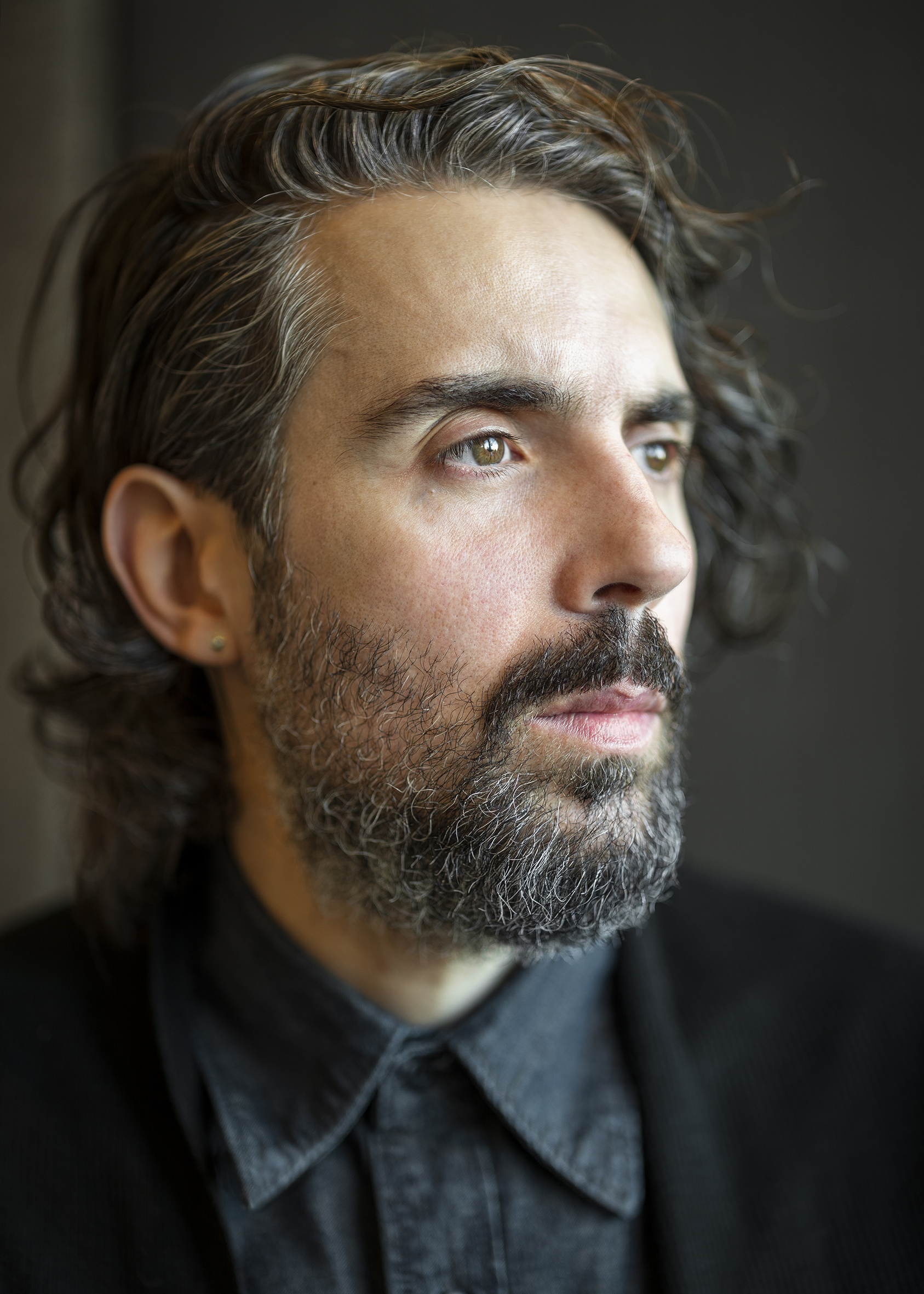
Could you tell us more about Anton’s Hand is Made of Guilt. No Muscle or Bone. He has a Gung-ho Finger and a Grief-stricken Thumb?
Anton’s hand is made of guilt. No muscle of bone. He has a Gung-ho Finger and a Grief stricken Thumb is a research-based documentary project that simultaneously functions as a journal, a lipogramme, and an imaginary anthropological study. It is rooted in a poignant and deeply personal story and experience: the tragic death and disappearance of my close friend, photojournalist Anton Hammerl, during the 2011 Libyan conflict.
Developed across Libya and neighbouring countries, I respond to Hammerl’s fate through an investigative and speculative examination of the circumstances surrounding his disappearance, alongside a reflection on the decisive yet paradoxical role that photography plays in conflict zones.
I collaborated closely with local NGOs, the Human Rights Watch, and numerous individuals displaced and affected by the Libyan conflict. By retracing Hammerl’s journey and seeking meaningful intersections with the experiences of the Libyan people, I was able to step into their reality, even if momentarily.
Drawing inspiration from the writings of Georges Didi-Huberman (Images in Spite of All) and Georges Perec (La Disparition), the project seeks innovative approaches to address themes of war, photographic ethics, bereavement, and disappearance.
Like the works of Perec and Didi-Huberman, this narrative is also profoundly shaped by absence. It speaks to the inherent difficulties of documenting, testifying, witnessing, remembering, honouring, and imagining in times of war and conflict.
The project culminates in an immersive multimedia exhibition featuring still photographs and audio-visual installations. These included synchronized slide projections often presented on unconventional or ‘hacked’ media, such as mobile phones recovered from the conflict.
Photographs are displayed as diptychs and triptychs, held in tension with diverse research materials. These materials encompassed content from private online forums (both Islamist and Gaddafi loyalist), personal effects belonging to Anton Hammerl (like 35mm film canisters), and audio recordings made during my own journey.
How did you feel when you found out your work was shortlisted?
It’s always humbling and a huge honor to be recognised in an award. I am always much more interested in how it will help the dissemination of the work rather than personal accolades. And with a project like this an award like the Sovereign Art prize goes a long way to helping raise awareness of the work.
What do you want people to feel or learn when they see your works?
The project, as a whole, develops new modalities to represent war, trauma, bereavement. Similarly to how Perec and Didi-Huberman’s writings developed linguistic and critical frameworks that enabled me to tackle Anton’s disappearance, I am hoping this project may do the same to other practitioners. In this project I have developed an approach I call ‘the impossible document’.This method enables the work to function as both memorial and trace, embodying and testifying to absence, grief, and loss. It works by foregrounding photography’s own inherent limitations or looking beyond the referent, and compelling a conceptual and ontological shift, one that challenges the viewer’s expectations of certainty and closure and reorients their role from passive consumer to active visual producer.
So everything in the project is structured around these ideas, the lack of stable reference points, not being entirely sure whose depicted in the images; the interactive features that both reveal and obscure aspects of the images; the soundscape that gives us a sensorial feel of what it’s like to be on the ground, something that photographs are unable to do; the strange images I researched and downloaded from Gaddafi loyalist and combatant darkweb forums which talk of the phenomenology of being in the thick of it and at the same time the difficulty of documenting something, etc. And, of course, there are all the images that seek to both trace Anton’s journey but also become an embodiment of him, of his lost life, etc. None of the individuals I chose to be a part of this project were chosen at random. They are all surrogates for Anton himself.
Is there a moment, person, or idea that’s inspired you in the past few weeks?
Because so much of my work is still focused on researching the ideas around this project, I have been reading a lot of Holocaust literature. I have been re-reading Blanchot’s The Writing of the Disaster and Robert Antelme’s The Human Race. Inspirational isn’t even the right word to describe these works. I’d say illuminating…
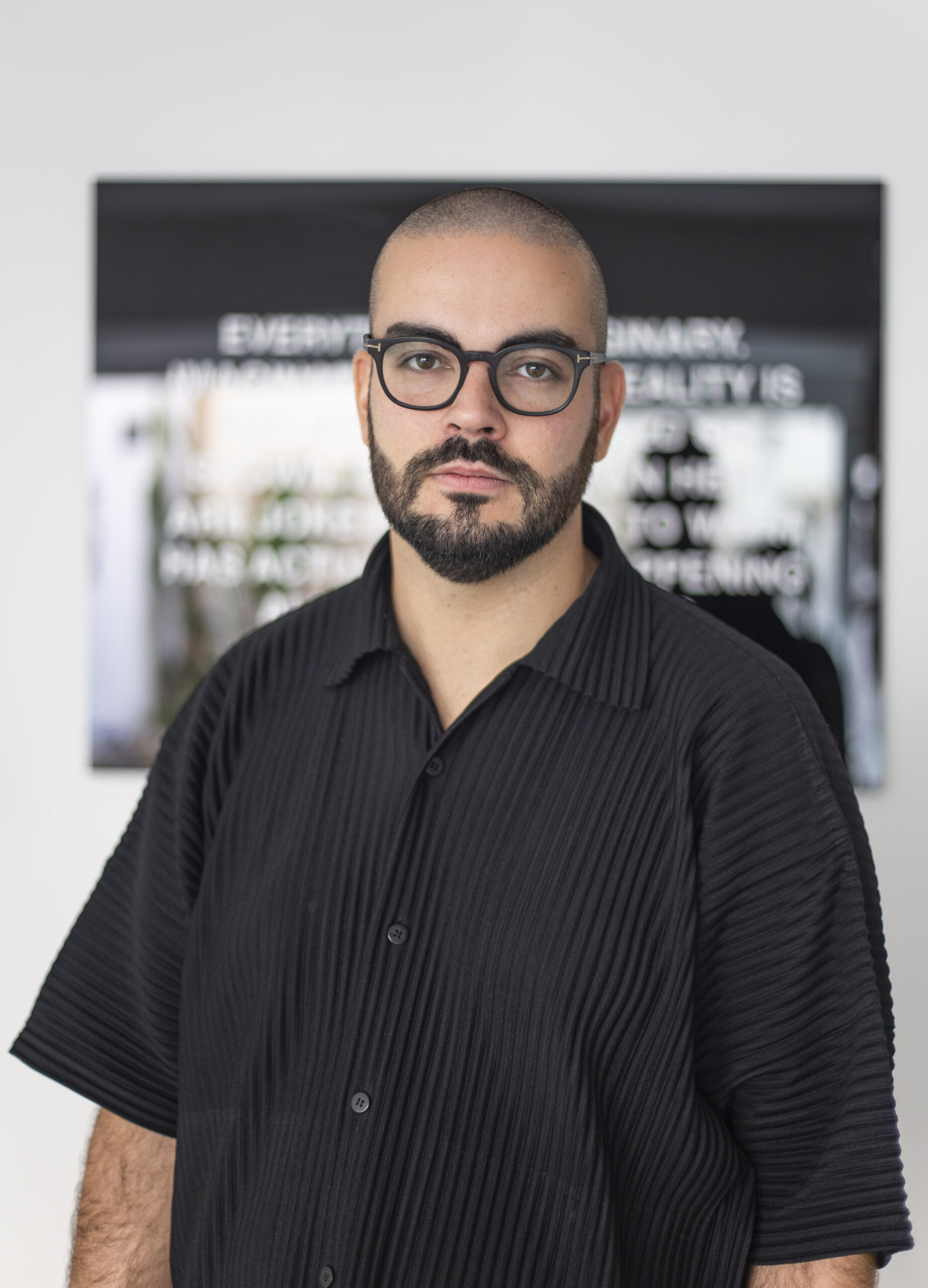
Could you tell us more about Grace?
Grace (2025) stages a moment of fragile suspension: a diamond rests on a plinth while a knife hangs just above it, millimetres away. What appears as balance is in fact a state of imminent collapse. The work is an allegory of our present, a time of systemic precariousness, where structures of power maintain the illusion of stability even as they erode from within. The diamond embodies both desire and fragility, while the suspended knife represents the latent threats that define this condition. The title suggests a fragile and deeply political form of survival.
How did you feel when you found out your work was shortlisted?
I felt deeply honoured. Being shortlisted is not only a recognition of the work itself, but also an encouragement to continue investigating and developing my artistic practice.
What do you want people to feel or learn when they see your works?
I want people to recognise what they already know in a new way. I hope my work encourages them to reconsider familiar objects, ideas or experiences, and notice details or tensions they might usually overlook. I aim to open a space for reflection, inviting viewers to engage with the work on their own terms and discover their own meanings.
Is there a moment, person, or idea that’s inspired you in the past few weeks?
Lately, I have been inspired by observing how individuals navigate uncertainty and adapt to precarious conditions. These gestures of resilience, often subtle and ordinary, remind me that creativity is not confined to the studio, but is continually enacted in the ways people reimagine and reorganise life under constraint. The writings of Lauren Berlant have been particularly present in my reflections, especially her analysis of how individuals remain attached to fragile promises of stability. Her work has profoundly deepened my understanding of the emotional dimensions of precariousness, which continues to inform my artistic practice.
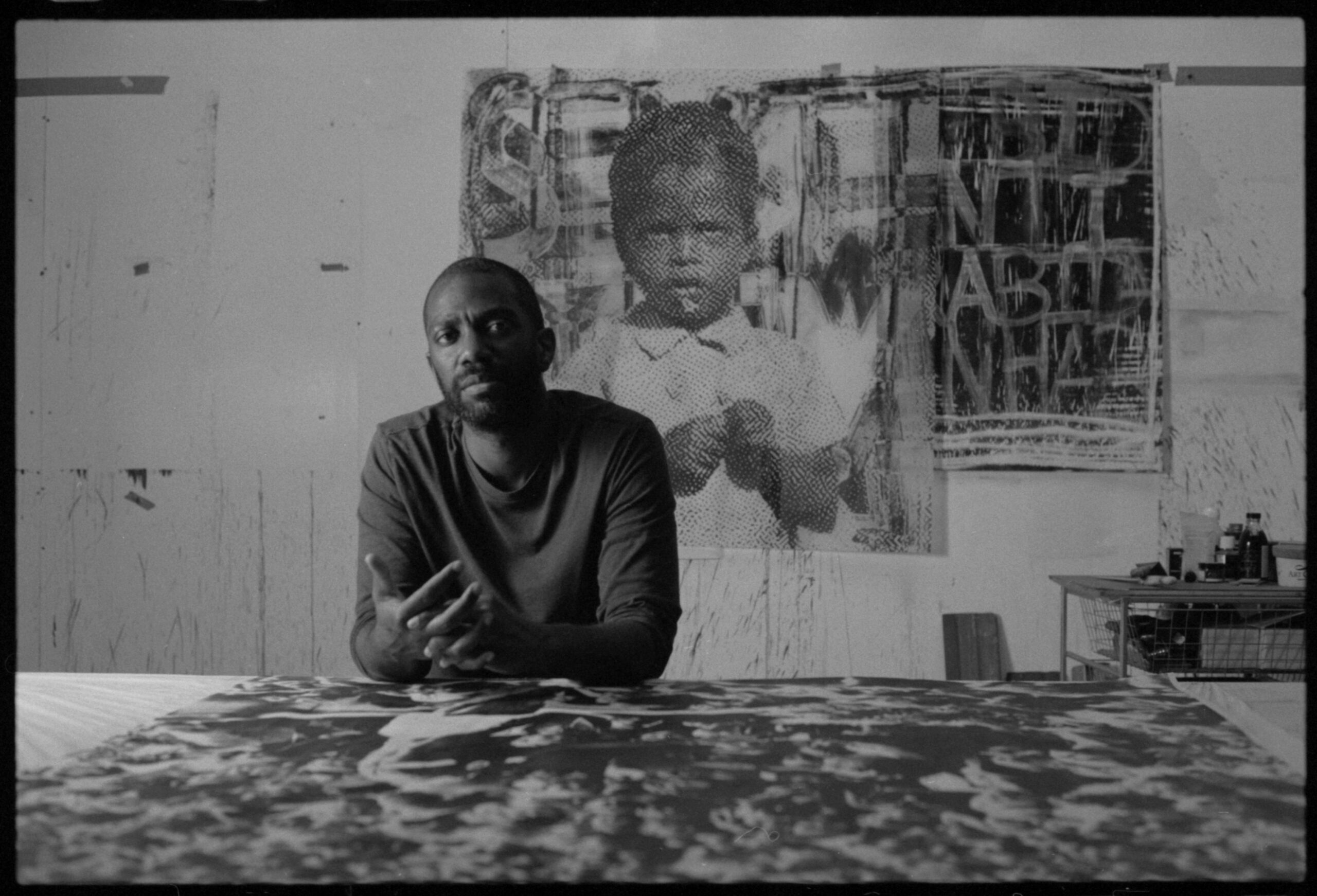
Could you tell us more about Des-saudade?
This piece is inspired by Cape Verdean poetry, spirituality, and the state of the world today. Growing up at the very start of the transition from offline to online life, I witnessed how our society and our state of mind have changed. The idea that experiences like saudade or love now have to compete with constant entertainment is what prompted this work.
How did you feel when you found out your work was shortlisted?
I was genuinely surprised. It was my first time entering a contest, so being shortlisted felt like an unexpected but wonderful recognition.
What do you want people to feel or learn when they see your works?
I hope my work gives people a chance to pause and contemplate whatever feelings arise. In our digital era, that ability is being lost, yet art still offers us the rare luxury of disconnecting and reflecting on ourselves.
Is there a moment, person, or idea that’s inspired you in the past few weeks?
Lately, it’s been music and memories of my childhood, when I would spend long silent moments alone in my bedroom. Now it feels as if ghosts are constantly calling us through our smartphones, demanding attention.
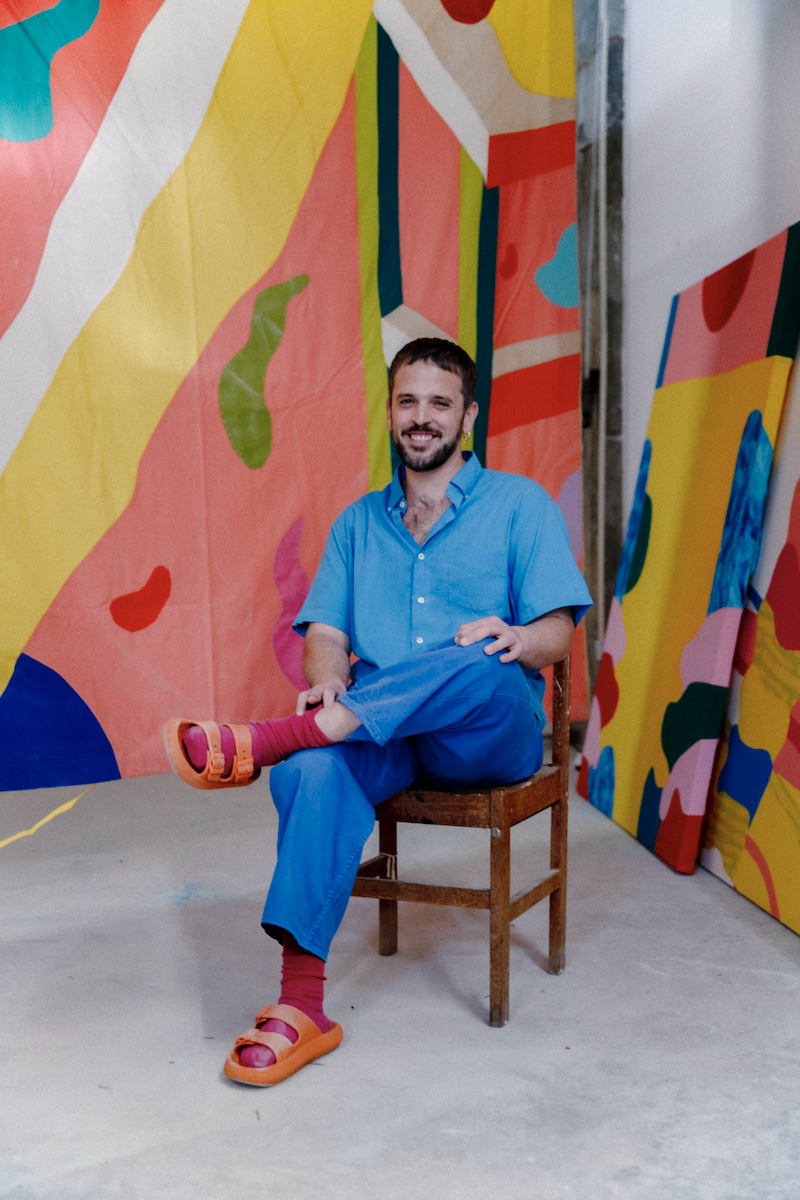
Could you tell us more about rabo virado para a lua?
The work plays on a Portuguese expression, Rabo Virado para a Lua (literally, “born with their bum to the moon”), used to describe someone who is consistently lucky. It presents an almost abstracted close-up of a bum turned towards the moon, which itself can appear or disappear through a rotating mechanism. This symbolic fluctuation of the moon questions the idea of luck as an external force, proposing instead that the future is actively constructed rather than passively received. I created this work earlier this year and presented it in my most recent solo exhibition Happily Ever After at Balcony Gallery in Lisbon.
How did you feel when you found out your work was shortlisted?
I was really happy to be shortlisted and looking forward to seeing all the works from other shortlisted artists!
What do you want people to feel or learn when they see your works?
I don’t think it’s my role to dictate what people should feel or learn. I’d rather they encounter the work in their own way — perhaps questioning what matters to them, or seeing things from a different perspective.
Is there a moment, person, or idea that’s inspired you in the past few weeks?
Inspiration comes as much from the discipline of working in the studio as from staying alert, curious, and critical outside of it. I pay close attention to language, social dynamics, and small everyday encounters, which often grow into ideas that, in one way or another, take shape in my work. I can’t point to a single moment in recent weeks, but it’s the accumulation of these small, often unnoticed things that keeps my practice going.
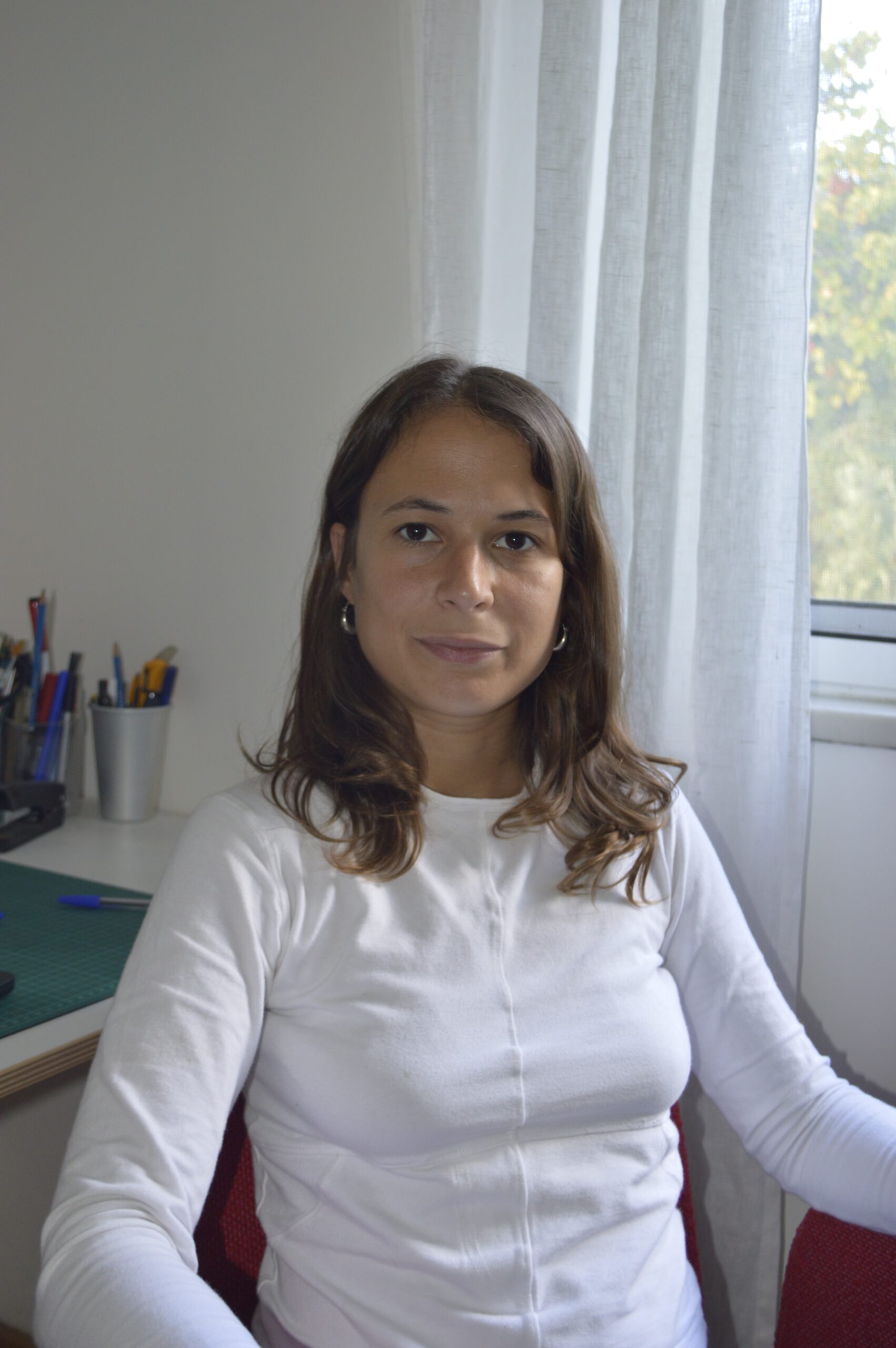
Could you tell us more about Carrinho de Limpeza?
It was in 2017, during my Erasmus in Oslo, while I was looking for motives and pretexts to paint, that the idea for Carrinho de Limpeza (Cleaning Cart) emerged. It was an object that caught my attention because of the vibrant colours of the dusters and the array of cleaning tools, each with its own function—a richness where nothing seemed to be missing. Moreover, it was a man who cleaned the faculty, a job I had only ever seen performed by women; and the cart kept appearing in various corners of the university. In 2024, I came across one of the photographs I had taken of the cart—the painting I had made in 2017 had been thrown away—and my desire to represent this object returned, now on its own, as a still life.
How did you feel when you found out your work was shortlisted?
I was thrilled to learn that I had been selected for this award — I felt happy and motivated. As an emerging artist, these initiatives are essential for creating opportunities and for seeing our work being valued.
What do you want people to feel or learn when they see your works?
I want them to feel things and to become closer to their own emotions. I hope that those who engage with my work can, through it, create their own stories by making connections with their inner selves.
Is there a moment, person, or idea that has inspired you in the past few weeks?
The social and political changes we are currently experiencing have affected me deeply. My work will certainly reflect that, although I am not yet sure how. My creative process is very sensitive to what happens around me and to what I feel—it goes very much hand in hand with life. There is a certain hope, humanity, and strength that I would like to rescue and bring into my paintings.
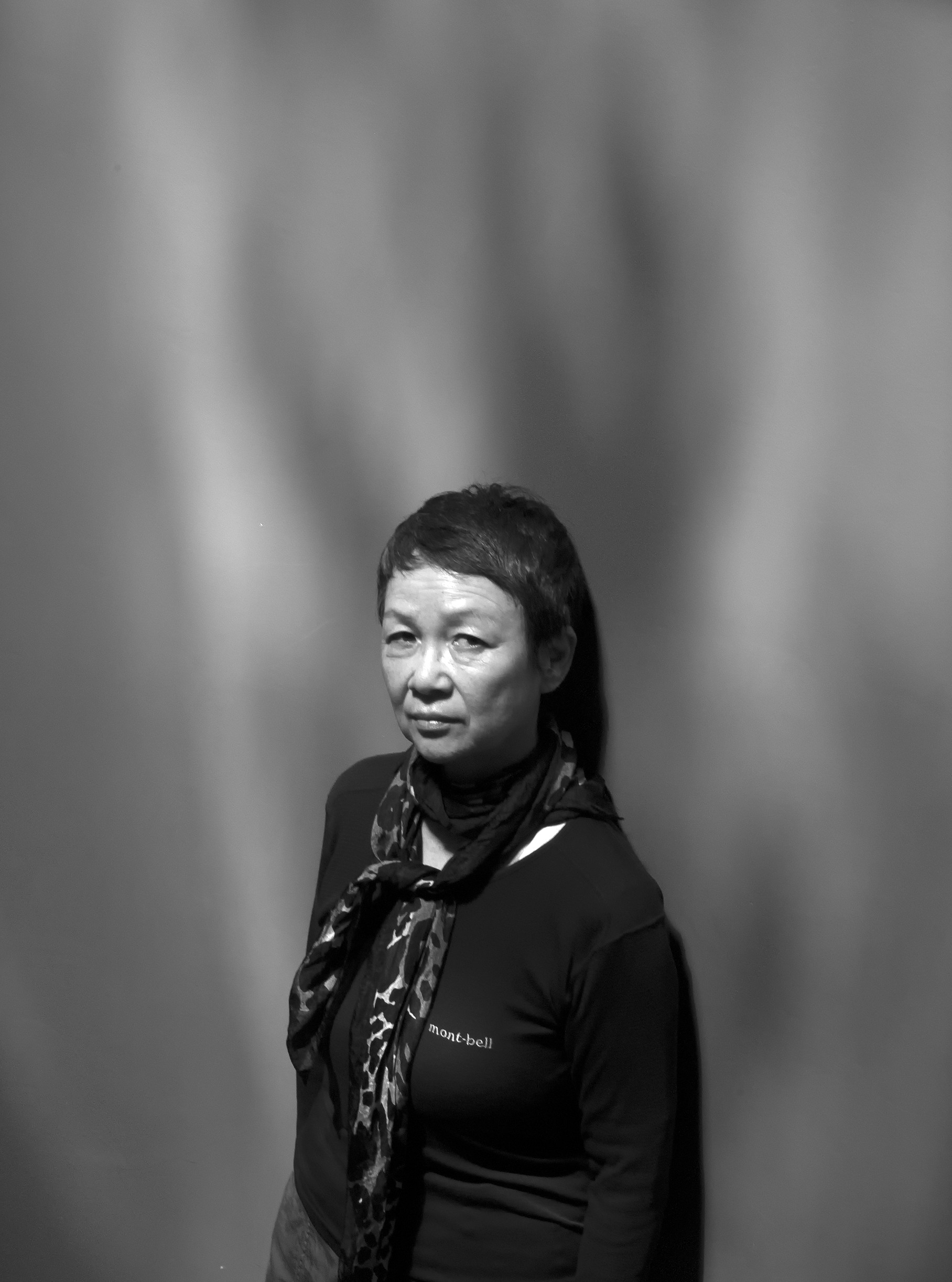
Could you tell us more about Skirt?
Skirt started from a found printed image of a bandaged torso on my working table from previous work. I collected thick layer of posters glued together from the street of Lisbon, a beautiful found object with informations of our time. I then transformed them through frottage and collage with various papers. The method is direct yet archeological, a space is for discovering things—I found a standing figure with a pair of boots surrounded by familiar shapes from this world and another.
How did you feel when you found out your work was shortlisted?
I was very happy and deeply honoured.
What do you want people to feel or learn when they see your works?
It’d be nice if people let their sensory feeling open and enjoy “Skirt”.
Is there a moment, person, or idea that’s inspired you in the past few weeks?
I want to be open and always feel our surrounding no matter what.
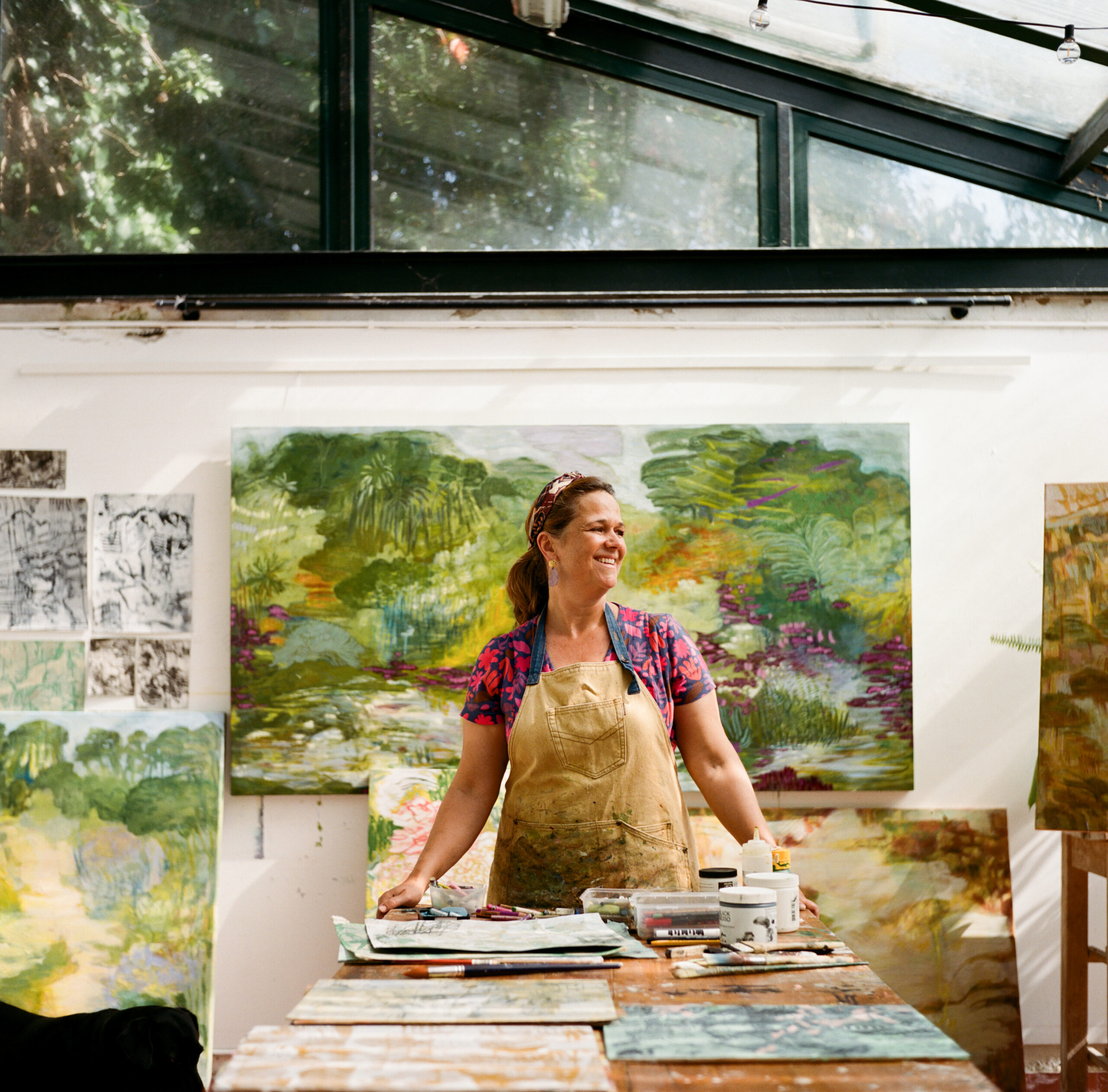
Could you tell us more about Ermelinda/Migas: Do passado só restam migalhas ?
Ermelinda/Migas belongs to new body of work that explores the lives of women in rural, Portugal, told through the lens of Passareiro, the monte in the Alentejo where my family lived for generations. The painting evokes the traces left behind by women in world that no longer exists. It depicts a simple domestic story, characteristic of women’s lives at that time, unfolding in the traditional kitchen that shaped daily life.
When I knew Ermelinda, she was in her eighties—dressed in black and bent over from a lifetime of hard work, cooking at the traditional lume de chão- over open coals on the floor. She created her version of “migas”, because she burned them by mistake and the recipe forms part of the lore that all who were connected to the monte remember. I recently remade Ermelinda’s Migas with her granddaughter as part of my research into this project – and we bonded again over our shared memory of a place, person and a time that has disappeared completely – hence rest of the title “do passado só restam migalhas” (of the past, there are only crumbs left).
How did you feel when you found out your work was shortlisted?
This body of work is a new departure for me; I’m exploring techniques and a new visual language to communicate deeply personal material. It’s been a challenge to find the path, so I’m thrilled because being shortlisted confirms that my work is resonating and I’m on the right track.
What do you want people to feel or learn when they see your works?
I want to open a small window onto a world I knew firsthand—an old Europe at the heart of Portuguese tradition, now surviving only in collective memory. As part of this project, I’ve gathered objects, recipes, letters and photos spanning generations to tell the story of Passareiro, the women, and the community that lived there. Working with UK photographer and documentary maker Tara Darby, I’ve also been recording oral testimonies and building an archive that both preserves this material and inspires my work. Drawing on these sources and my own memories, I am creating a body of work that shares ordinary yet authentic stories of women’s domestic and rural lives in 20th-century Alentejo and connects them to a wider audience.
Is there a moment, person, or idea that’s inspired you in the past few weeks?
If we think about creating work which is about retelling of the past, we realise that the stories that come down to us are flawed, just as our memories are flawed. There is no real way of knowing the past, nor does it strictly matter – and there is creative freedom in that. We can just use the crumbs that are left and rework these into new, meaningful material
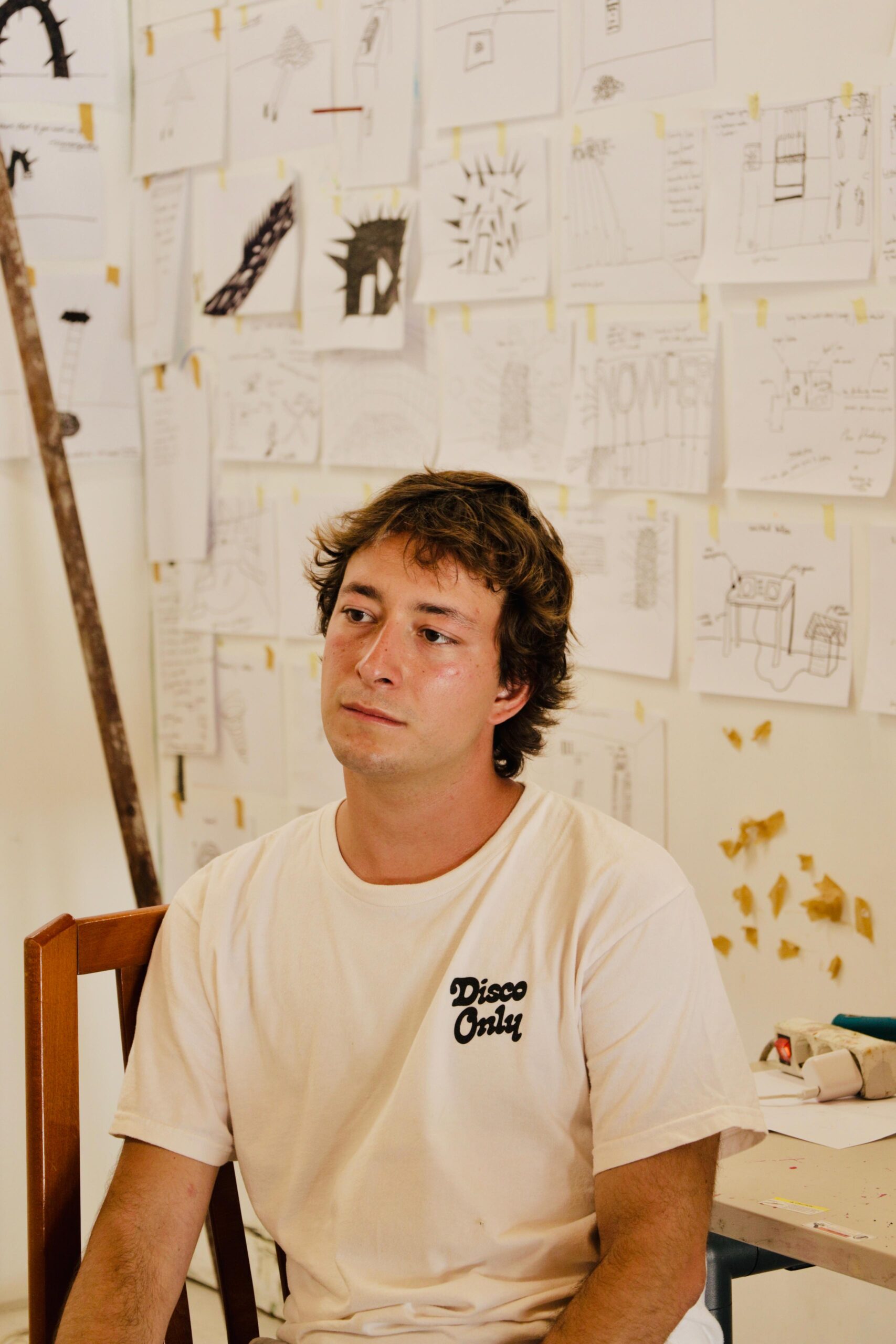
Could you tell us more about Bringing the flowers to you?
This sculpture exists in the paradox of weight and lightness. On the one hand, the title of the piece points to the gesture of carrying flowers to someone, while it reflects on the lightness and weight intrinsic to what it means to be human, mirroring the interior baggage that each person carries with them. The typically romantic gesture of bringing flowers materialises an act of love that manifests itself through the lightness of the flowers and contrasts with the weight of the backpacks placed on the floor. Sometimes exhausted, sometimes tireless, what we carry with us reveals the way we walk through life and a poetic and performative tension that contains movement, but also the crystallisation of a moment of beauty where ephemerality and posterity are condensed. In this way, the sculpture manifests a gesture of bringing hope in dark times to the people we love.
How did you feel when you found out your work was shortlisted?
Excited and grateful. It is always special to be nominated for a prize, especially one which has ethical responsibility and a conscious purpose. The Sovereign Art prize represents an opportunity and a recognition of my work as an artist. My wish is to have the possibility of continuing to do what I love the most and to further evolve as an artist, but also hopefully to contribute to shape the world towards a better place.
What do you want people to feel or learn when they see your works?
My desire is that my works question those who see them, rather than resulting in a preconceived aesthetic judgment. I believe good works draw you into them and keep confronting you with questions while not giving answers, instead, they provoke the observer into reflection about what they are seeing and feeling. They are a sort of portal or wormhole to access other dimensions and how these inner and outer worlds reflect upon society and life. In truth, what interests me is a poetic vision that strives to ask the things that matter the most: what is to be human, what is to live, how do we relate with each others, what path to follow – while suggesting new dreams and utopias, that is, poetry itself as a way of seeing.
Is there a moment, person, or idea that’s inspired you in the past few weeks?
While working for my next exhibition, something that has stuck with me over these past weeks is the first line of a poem I recently re-discovered by John Keats: “A thing of beauty is a joy for ever”. I find that in the crucible of creating I draw my ideas from a spectrum of things, moments and people that I encounter in life and how they move and stay with me. For me it’s about the journey of being and feeling human and this idea is metaphorical of my practice and how these works move towards a poetic vision that embraces life and everything within it.
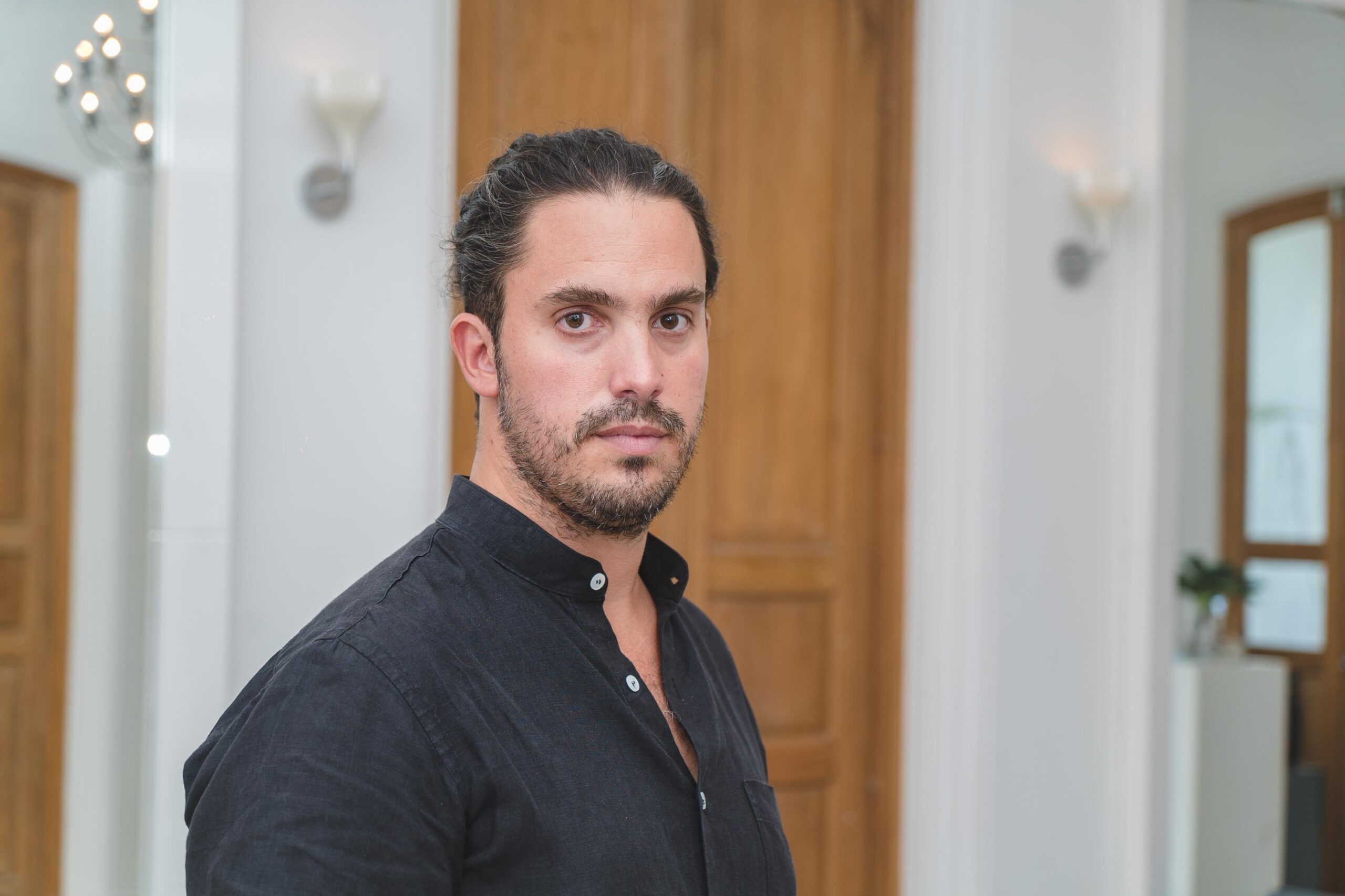
Cuba is a place where some of my most vivid visual memories exist because it was my first long haul travel I did with my parents when I was a young child in the 1980’s. I was engrossed by the scent, sounds and images. In the late 90s, I went back to the Island, which was when I decided to start a photographic project in and around Cuba—remnants of the last communist country in the Western Hemisphere. This image is part of a very long-term project that I have been working on for over 20 years now. Storm in the Malecon was one of those magical days for someone like me, when all elements came together in front of me. The storm hitting the walls of the Malecon avenue in Havana, while this Cuban couple ran out of gas just moments before this enormous set of waves hit the avenue. It shows the contradictions between human and nature with a lot of idiosyncratic elements to the world we live in today which Cuba is definitely affected by.
How did you feel when you found out your work was shortlisted?
As a photographer, I spend a lot of time outside in the world, but very much alone in my own concepts and ideas. It makes me very uncertain of what I am doing, and that is one of the reasons why I take a long time to finish my projects. My Cuba project has been going for almost 25 years, and I am still not quite sure about what I am doing with it. Being shortlisted for a prize is always rewarding to the ego, and in a way helps me to answer some of my own internal questions if the work that I do is worthwhile outside of my own little circle. On that sense, it feels very good to be shortlisted alongside with a group of great artists, which is also very humbling for me.
What do you want people to feel or learn when they see your works?
In all the work that I do, my goal is not to be pedagogic or directive but rather have people leaving the work behind asking themselves questions. Right now, we live in times, where lot of people want fast solutions for everything, and my approach is precisely the inverse. We need time, we need to stop, we need to think, and we need to speak to others. Not to people similar to us (that look like us, believe like us, eat like us and dress like us), but those who are different. Eventually, we’ll stand for values that are radically different from our own. There is something beautiful about true dialogue and understanding each other. It is my hope that my work sparks some of that reflection, rather than giving people a fast answer to fulfill an idea they already have.
Is there a moment, person, or idea that’s inspired you in the past few weeks?
I am someone who drinks inspiration from many different sources. Perhaps music is the biggest source of it all, and the fact that I am in the visual arts might be a direct response to my absolute inability to play any instrument. Lately, I have been very moved and inspired by listening to some of the early recordings of the Cape Verdean singer Bana, while I have been very much interested in rereading some parts of Unlearning Imperialism by Ariella Azoulay, which I think is a key text to understand the role of image making and its colonial and imperial burden over time.
Could you tell us more about Gigantica Amazonica 15?
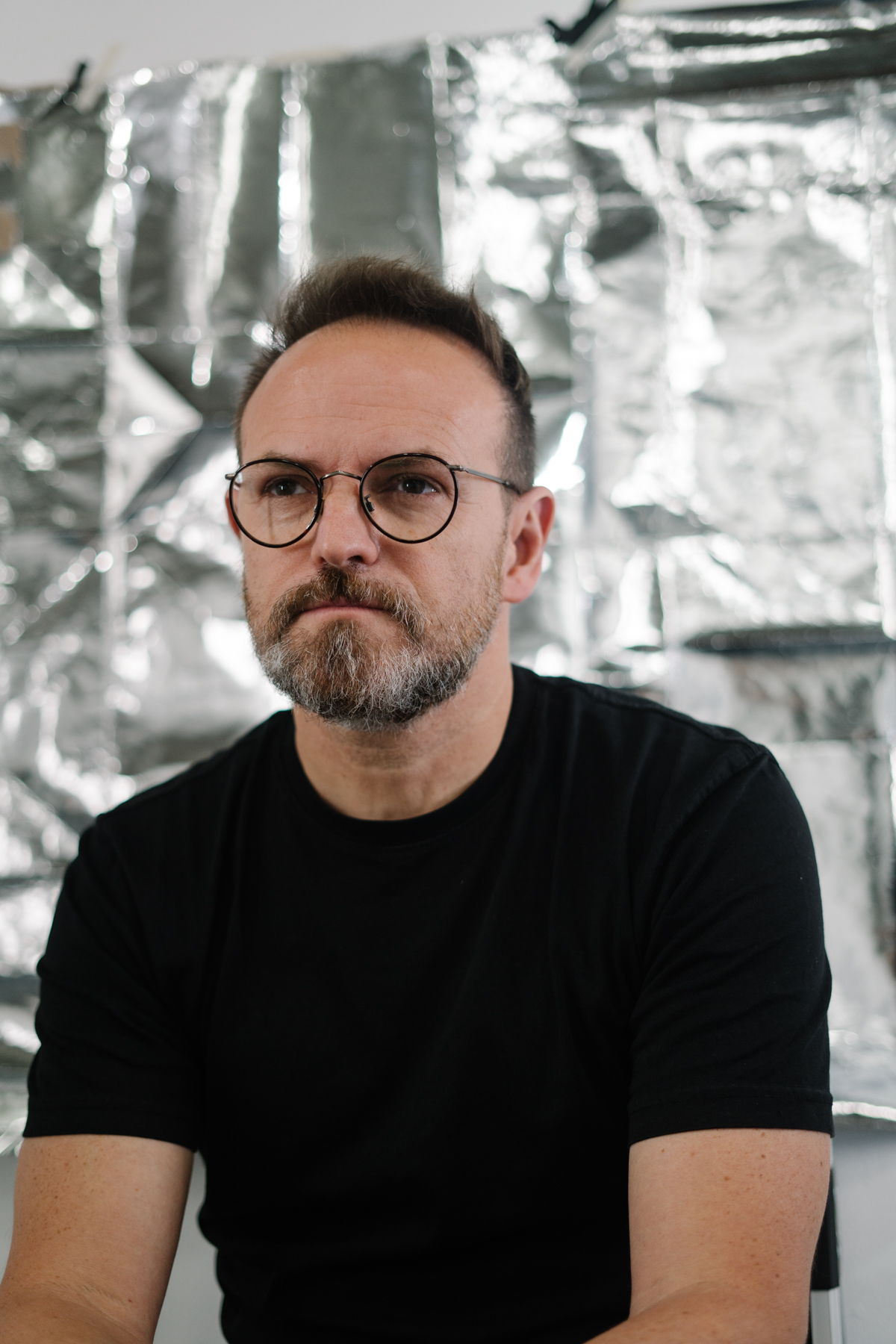
The naturalist expeditions that crossed oceans more than four centuries ago had to grapple with the invention of a new sense of scale. The exotic always seemed larger than the familiar, the unfathomable carried its own charge of emotion, and spatial vastness weighed heavily when maps warned with the words Hic sunt leones. Conquest, by its very nature, always had to be written in capital letters!
From my own experience in the heart of the Amazon rainforest comes another body of work, one that draws its poetic force precisely from this altered relationship to human scale—a series I call Gigantic Amazonia. The European naturalists’ accounts of their travels through South America were neither scarce nor restrained. More often than not, they were superlative, finding a highly receptive audience in the Old World—hungry for imagination, exoticism, extravagance, and novelty.
In the photographic archives of Manaus, I stumbled upon the iconographic work of Albert Frisch, a German photographer who worked in the Amazon during the 19th century. His images revealed a deliberate manipulation of the Indigenous peoples he photographed. Posed in overtly European ways, they reflected the desires of those directing the scene. Against plain white backdrops, their cut-out bodies could more easily be repurposed into idealised compositions—crafted for a public eager for great novelties. Frisch’s archive makes clear his intention to construct a fantastical narrative of his own.
It’s from my personal archive of Amazonian flora that I approach Frisch’s method, creating a new narrative of the forest’s grandeur. I exaggerate the scale of the leaves, digitally manipulating them into the photographs, where they loom over and overshadow the Indigenous figures. In this second, equally fanciful narrative, the human bodies shrink into insignificance beside the gigantic leaves.
From this forced proportion, I go further: making a graphite drawing on PVC of the oversized leaf, which rests alongside the photograph in the final composition. Like a hunting trophy displayed next to the image of its slayer—a certificate of conquest—I layer these shifts in scale to propose new boundaries for the dimensions of this fictionalised world. An exotic tale of colonisation, pushed to the very edges of imagination—just as it once was.
How did you feel when you found out your work was shortlisted?
This is my second time at the Prize, the first one was last year. I am very grateful to the nominators and the Sovereign Foundation itself. For sure it is a confirmation of my dedication over the past few years. I’ve 25 years of consistent practice in Visual Arts. After a hard time in Brazil, during the pandemic times, I’ve moved to Coimbra to start a new chapter in my career studying a PhD in Contemporary Art at Universidade de Coimbra. This last 4 years living in Portugal have been a challenge at the same time a very warm welcoming form the artistic community and institutions. To receive this recognition for the second time makes me more confident that I am on the right path.
What do you want people to feel or learn when they see your works?
I believe that if they get caught by it is already an amazing thing to me. In this Contemporary World, so saturated by images and impulses from any direction, to stop by an Art piece is already something unusual. My work demands a contemplative moment, a possibility to get closer and discover all the details that structure the whole. The picture, the narrative, the author from the XIX Century and his story with Brazilian landscape and the drawing of the leaf are informations to be discovered by the audience. If not, the piece gets incomplete in all its understanding. It becomes only the image of a dead leaf.
As I wrote above, it is a fictionalised world that is shown. The exotic tale of colonisation, brings topics of what kind of world we are constructing today with mass migrations, displacements, exodus from any form and miserable conditions. The exotic world have never experienced so many incomprehension and indifference, the narratives become more and more a fake news. In this context, I believe my work has an urgent call that brings attention to these issues and can reveal our indifference to what’s happening far away (but not so much…) from us.
Is there a moment, person, or idea that’s inspired you in the past few weeks?
I have dived into a very dense process of creating, specially for the occasion of my PhD thesis and found myself absorbed into these references about the displacement, walking, pre-history and how we – as human beings – have transformed the space that surrounds us through history, Using the landscape as the main stage to show the transit between natural and artificial/cultural, I am fascinated by the interaction between the first humans and the territory could shape a new landscape, punctuated by displaced stones that can be accessed until nowadays. All the narratives that were lost during this period interests me.
Could you tell us more about New Moon at Twilight?
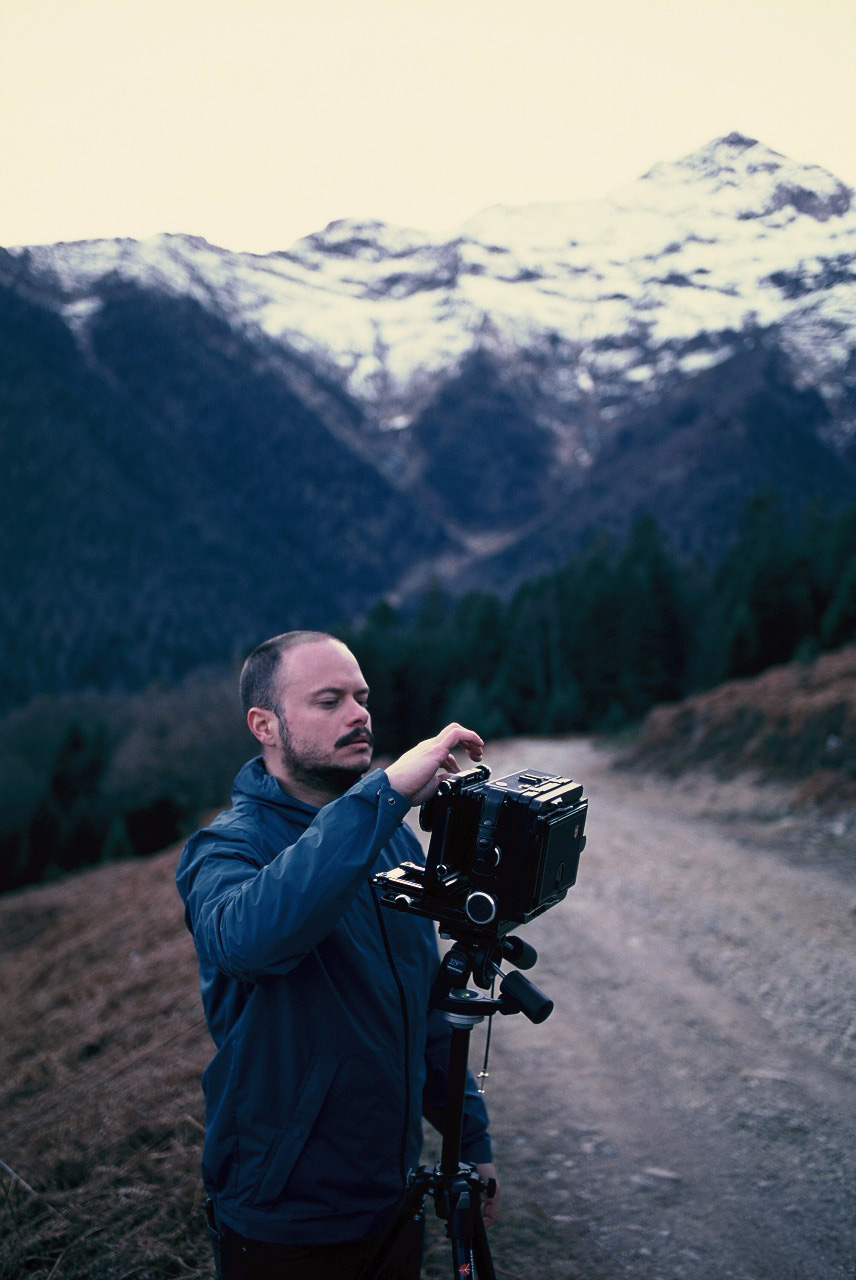
The work reflects my ongoing interest in the relationship between light, landscape, and perception. New Moon at Twilight captures a fleeting moment of transition, inviting the viewer to reflect on impermanence and the subtle shifts in our environment.
How did you feel when you found out your work was shortlisted?
I felt honoured and grateful. Being shortlisted is an encouraging recognition of my practice and a strong motivation to keep exploring new ideas.
What do you want people to feel or learn when they see your works?
I hope people experience a sense of contemplation and openness. My intention is to spark curiosity and invite viewers to slow down, notice details, and connect with the poetry of natural cycles.
Is there a moment, person, or idea that’s inspired you in the past few weeks?
Recently, I have been inspired by the twilight itself — that in-between moment when day gives way to night. It is a threshold that holds both mystery and serenity, and it has strongly influenced the way I see and create.
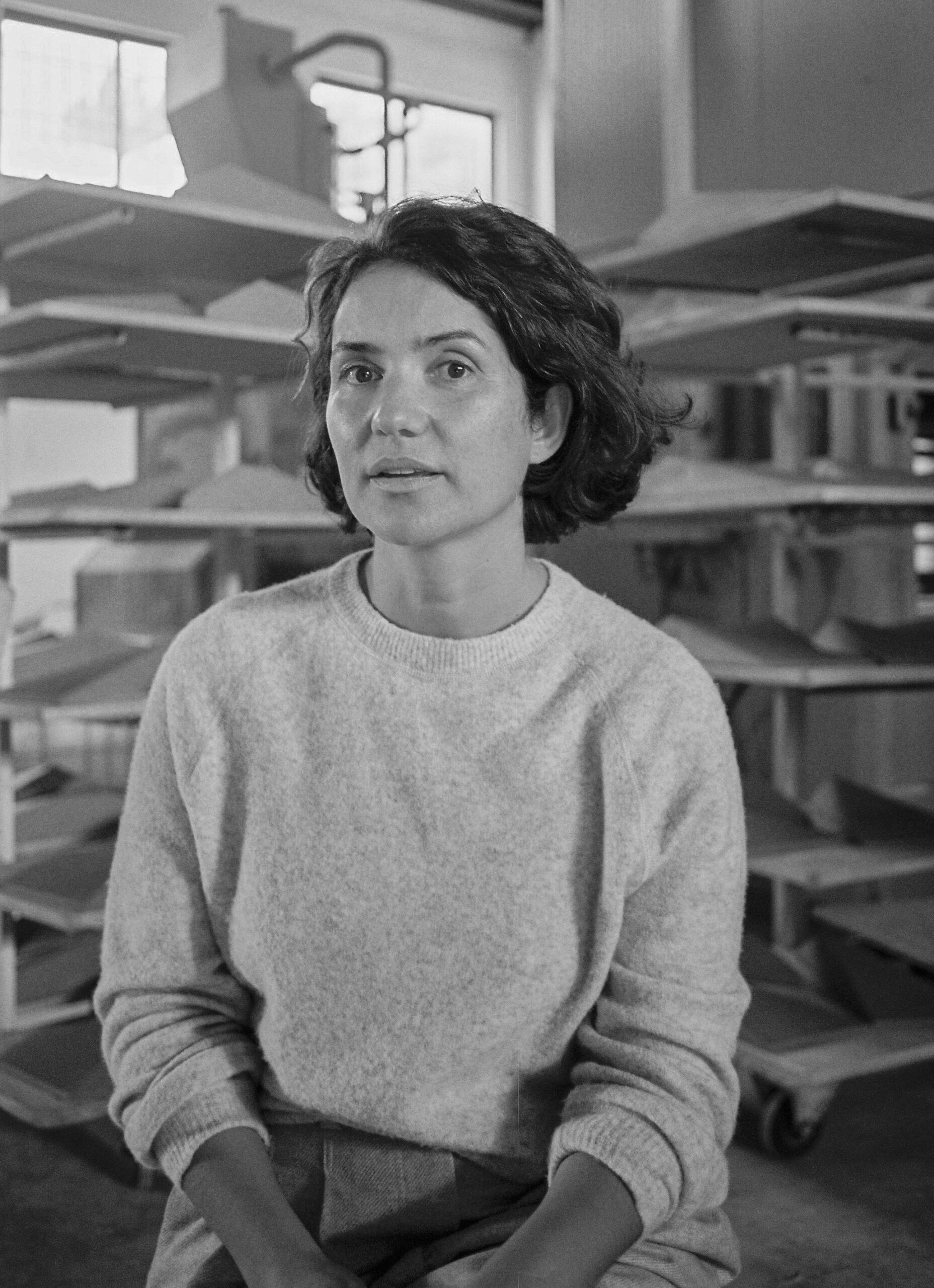
Maria Ana Vasco Costa’s practice explores connections between ceramic material and the fragment, shaped by a personal archive of memories and perceptions of nature. Sculptures in glazed ceramics evoke geological formations of other landscapes, exploring colour, depth, temperature, variation, and sound. In her Glaze Drawings series, Costa reimagines the solidity of stone through watercolour, applied in the manner of ceramic glaze: fluid, layered and unpredictable. The process is ritualistic, akin to a photographic development process, gradually revealing a visual depth and texture. Each square format drawing references to the traditional ceramic tile; within the defined shape, there is potential for expansion, a formal and chromatic freedom that questions and amplifies the limits of the original format.
Notable exhibitions include ARCOlisboa, Lisbon, (2021); Ice Ice Baby, Appleton, Lisbon, (2021); Água d´Alto, Galeria Municipal de Arte, Almada, (2019); Pintura: Campo de Observação, Galeria Cristina Guerra, Lisbon (2021) and Pitching itself a tent where we all may enter, Quetzal Art Centre, Vidigueira, (2021).
Could you tell us more about Body Without Dance?
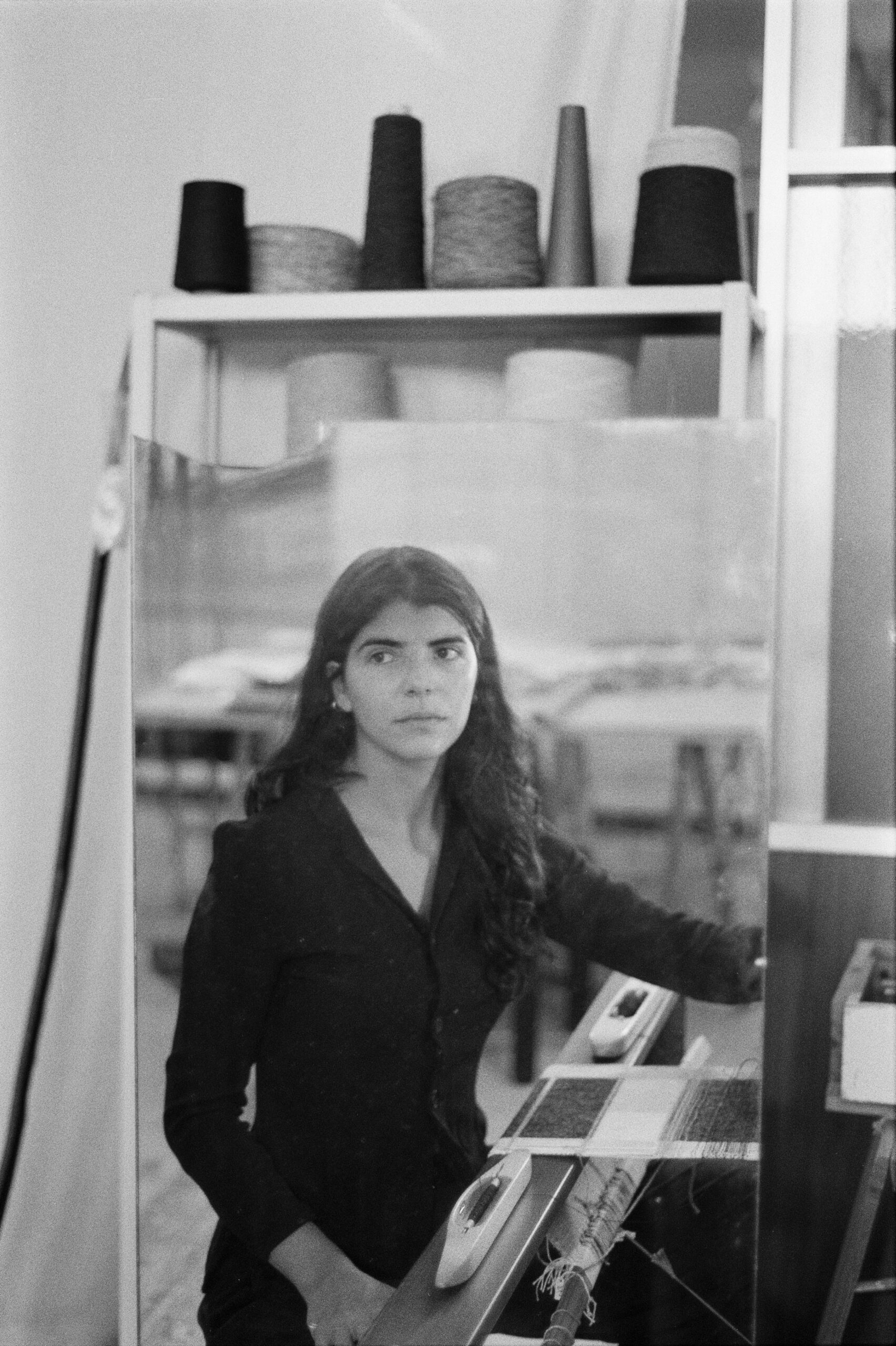
Body Without Dance integrates the group of works “The Unperceptibles” presented in the space of the Vergez Collection in Buenos Aires, early 2024.The works where conceived in Lisbon in the artist studio where she keeps her loom and materials. All of these works present us with a determined “difficulty on seeing” that the artist purposely transferred to the name of the exhibition itself through misspelling the word “imperceptible”.
Drawing a parallel with the information world and the flux of images and visual component of today’s world, the artist hides in each piece a different element, it being written information, pictures, form, or relief.
The work constrains in itself a shape, like a body with arms or legs, imprisioned by the encoding fine layer of hand weaving that confuses, breaks and re-edits the perception of the shape.
Through this body of work the artist returns to the viewer a blurred perspective present in visualizing or trying to decode anything, making it an object that requires more than observation to be understood, but rather, thought and time.
How did you feel when you found out your work was shortlisted?
I was very happy to be given the possibility to participate and present this work, some works get to be in different journeys around, and I am happy that the work can dance and show itself to the public once more.
What do you want people to feel or learn when they see your works?
That everything we see deserves a second look, a paused instant and a reflection later on. We should doubt more rather than – believing less.
Is there a moment, person, or idea that’s inspired you in the past few weeks?
There are many things, people and moments running through my head and life every time. I can say that I am very inspired right now by the work of the Brazilian anthropologist Eduardo Viveiros de Castro.
Could you tell us more about PORTUGUESE BLOOD OF BLUE VELVET?
The work entitled: PORTUGUESE BLOOD OF BLUE VELVET is presented as a diptych. This work is in oil on paper and not very noble ceramics in which the red oil appears diluted like spilled blood.
It emphasizes the irony of the privilege of being a first-line Portuguese and how the works’ predominant colors manifest themselves in a raw and poignant way. “SONO TEMPI” both for the main characters in the state wars and for those trying to survive day after day. It clarifies the systemic injustice we face as normative.
How did you feel when you found out your work was shortlisted?
It was a huge surprise that this work was selected. I thought this work wouldn’t be exhibited because I didn’t intend for it to leave the studio. However, given the political situations and the chaos in the world, it seems to me that it has never been more relevant to expose social injustices with the irony that characterizes my study.
What do you want people to feel or learn when they see your works?
I don’t intend for anyone to learn from my work. I would simply like my choice of words and color palette to be calmly read and analyzed over time.
Is there a moment, person, or idea that’s inspired you in the past few weeks?
Since I develop my drawing and painting work mostly outdoors, spring and autumn are very interesting seasons for drawing. There is no greater inspiration than having time to watch the landscape react to the weather.
Could you tell us more about QUINQUE COLUMNAE?
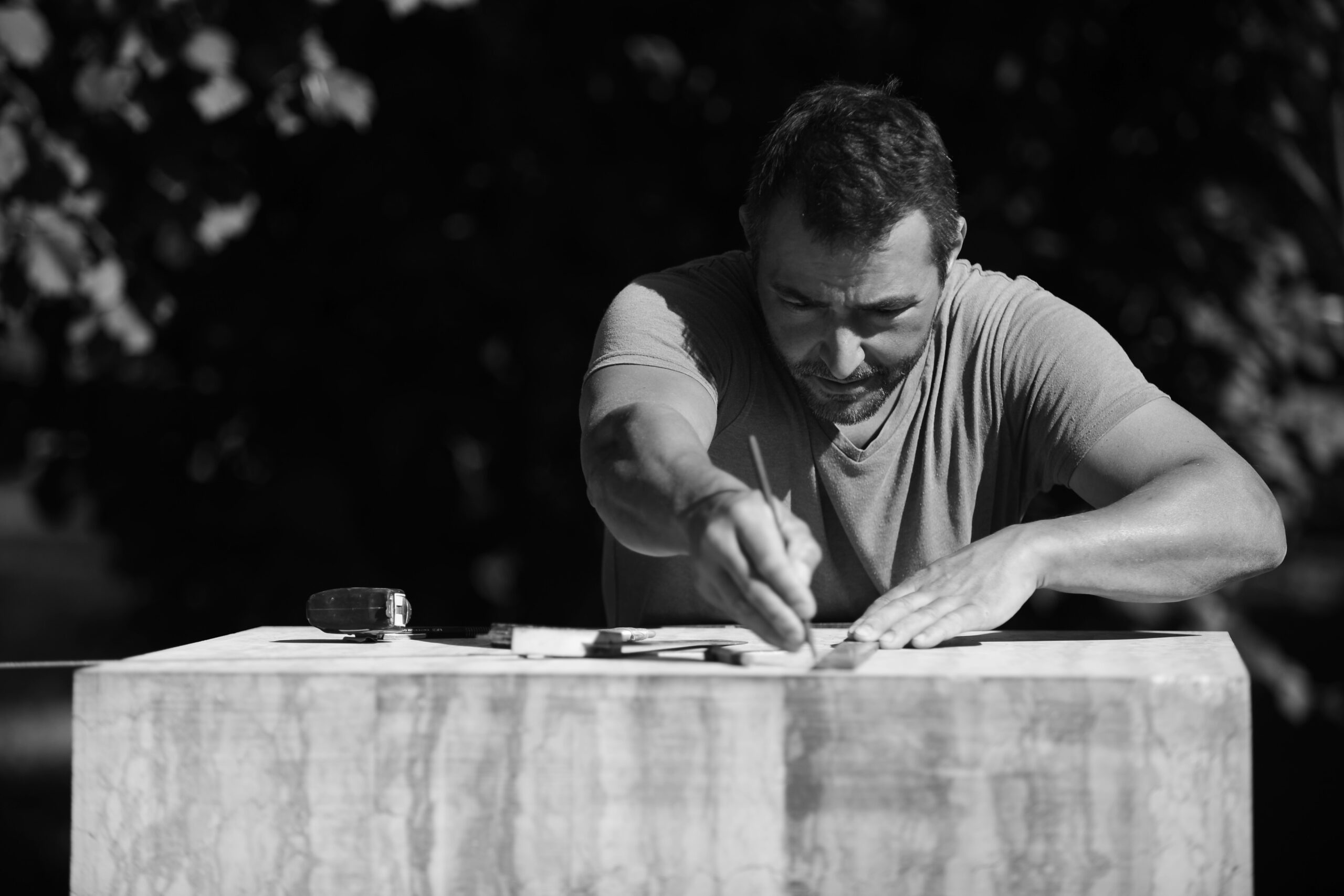
QUINQUE COLUMNAE – A Testament of Nature and Time Nature has inspired me since childhood—its organic forms, textures, and quiet strength continue to shape my work. As an artist, I merge these natural elements with enduring human structures like dolmens, cathedrals, and ancient monuments that reflect both purpose and spirituality. QUINQUE COLUMNAE is a symbolic construction—a space of reflection shaped by memory and time. It draws from two fundamental materials: stone and wood. Stone symbolizes permanence and resilience, forming the foundations of our temples, monuments, and history. Wood, by contrast, is warm and living—central to daily life, shaping our homes, tools, and rituals. Together, they embody the duality of human experience: grounded in the earth, yet reaching toward something greater. QUINQUE COLUMNAE celebrates this balance, standing as a tribute to the deep connection between nature, culture, and the materials that have carried us through the centuries.
How did you feel when you found out your work was shortlisted?
I’m very thankful to be recognised and shortlisted — it shows that my work has resonated with diverse audiences and juries.
What do you want people to feel or learn when they see your works?
Nature is a constant source of inspiration in my work, guiding my exploration of materials and subjects, and revealing new layers of meaning in each one.Through my work, I invite people to explore new imaginary landscapes. By creating abstract shapes and compositions, I aim to create spaces where viewers can reflect, get lost, and open their minds to unexplored fields. I’m drawn to the idea that ‘less is more,’ often focusing on the essence of things and highlighting the beauty and significance of simple elements that surround us.
Is there a moment, person, or idea that’s inspired you in the past few weeks?
I’ve admired and followed architecture for a long time — it’s deeply connected to sculpture in many ways, making it a constant source of inspiration in my practice. One architect who stands out to me is Junya Ishigami. I’ve been familiar with his work for years, but recently I’ve explored it more deeply. His harmony with nature, experimental approach, and the magical, dreamlike spaces he creates continue to inspire me.
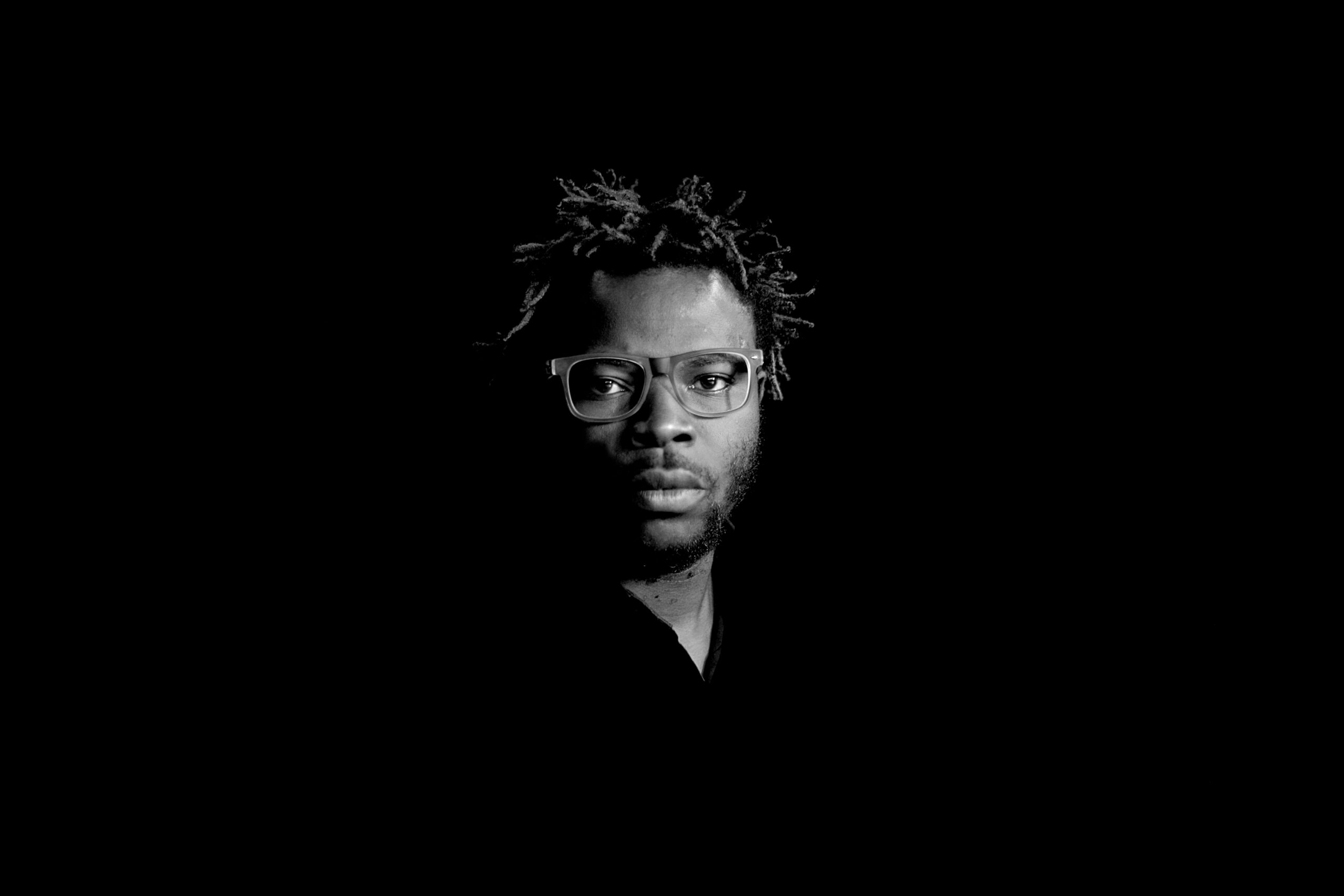
Could you tell us more about Harvest in Fragments?
Harvest in Fragments is a reflection on the land as a space of memory and resistance. I work with fragments of stories, images, and gestures to show how the countryside in Mozambique is not just about production but also about identity, belonging, and struggle. Each piece speaks of a relationship with the land that is under threat, yet remains alive in the daily practices of farmers.
How did you feel when you found out your work was shortlisted?
I felt honored and at the same time a sense of responsibility. This recognition is not just personal; it is also a way to give visibility to the voices and stories that grow from the land.
What do you want people to feel or learn when they see your works?
I want them to feel the quiet strength of the countryside and to understand that agriculture is more than just economics. It is resistance, it is memory, it is the future. I hope they leave with the sense that the land is not just a resource but a relationship.
Is there a moment, person, or idea that’s inspired you in the past few weeks?
In the past few weeks, I was inspired by a meeting with farmers who, despite the hardships, spoke about the land with joy and faith. That contrast between the harshness of their conditions and the lightness with which they talk about their connection to the soil is a huge source of inspiration for me.
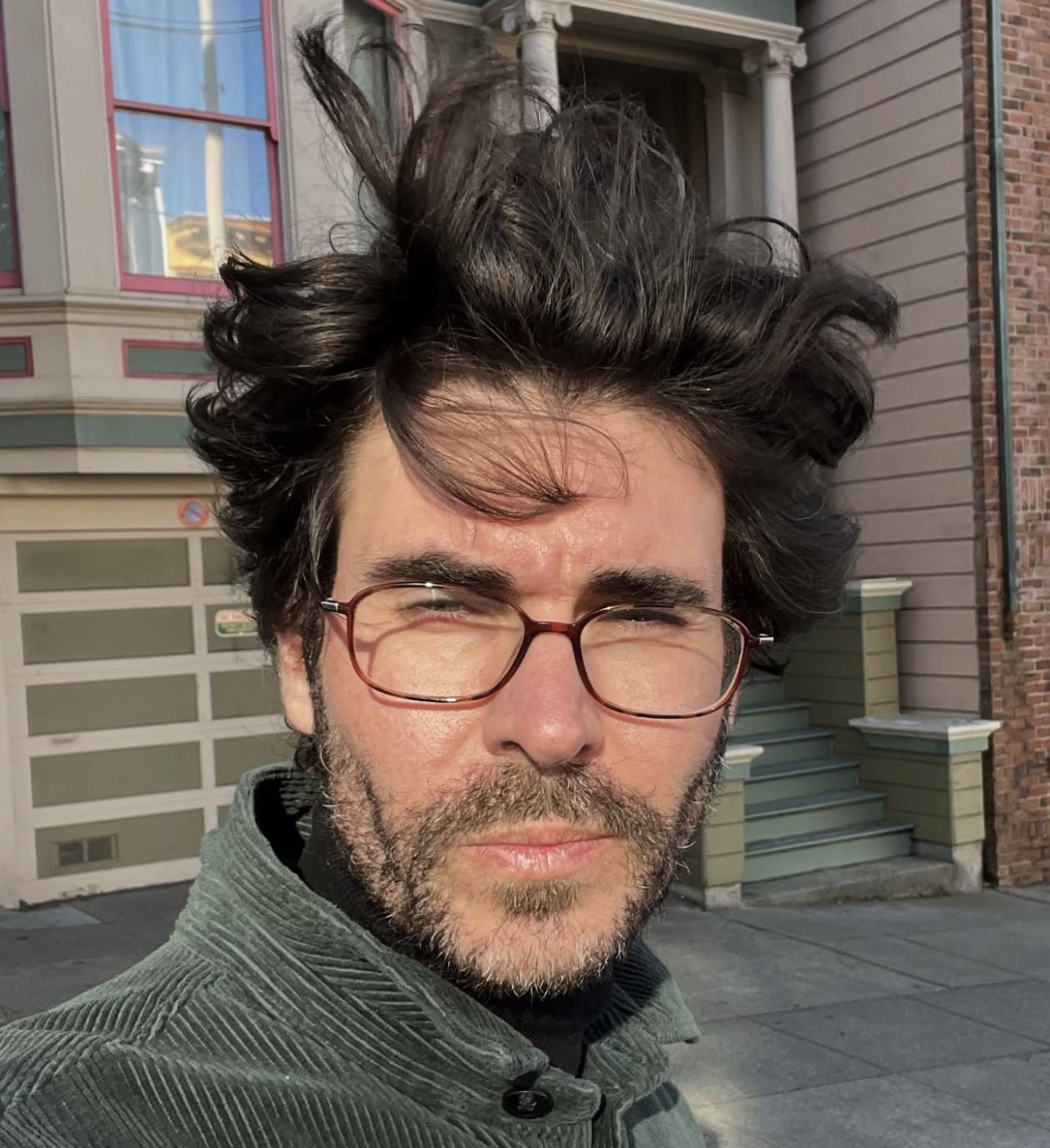
Could you tell us more about Color Cave 22?
Color Cave 22 is a set of hybrid images that embody the intersection of different visual layers in a single plane, simultaneously elusive and material. The images are created using drawing as a starting point for the creation of false digital bas-reliefs, which are then digitally colourised. This second layer of colour exists in a predominantly luminous, transparent plane, blending as a projection of light onto the chiaroscuro of the bas-reliefs. However, a third layer bursts in, piercing the plane of the image: several binary ‘on-off’ arcade buttons, distributed in a compositional and playful game, force a reinterpretation of the overall picture, its forces and tensions, and, making the physical surface of the image itself present, confront and seduce the observer with the haptic appeal of the button. This visual-tactile reading transfigures the presence of the image’s surface, making it more physical, more tangible.
How did you feel when you found out your work was shortlisted?
I felt happy to know I was one of the selected artists and to be able to show this work one more time to a new audience
What do you want people to feel or learn when they see your works?
I hope people can feel a region of strangeness within the work and their own understanding of it and let the ambiguity expand their feelings and sensations.
Is there a moment, person, or idea that’s inspired you in the past few weeks?
Lately, I have been highly influenced by ambient music as I normally listen to it when I’m working.
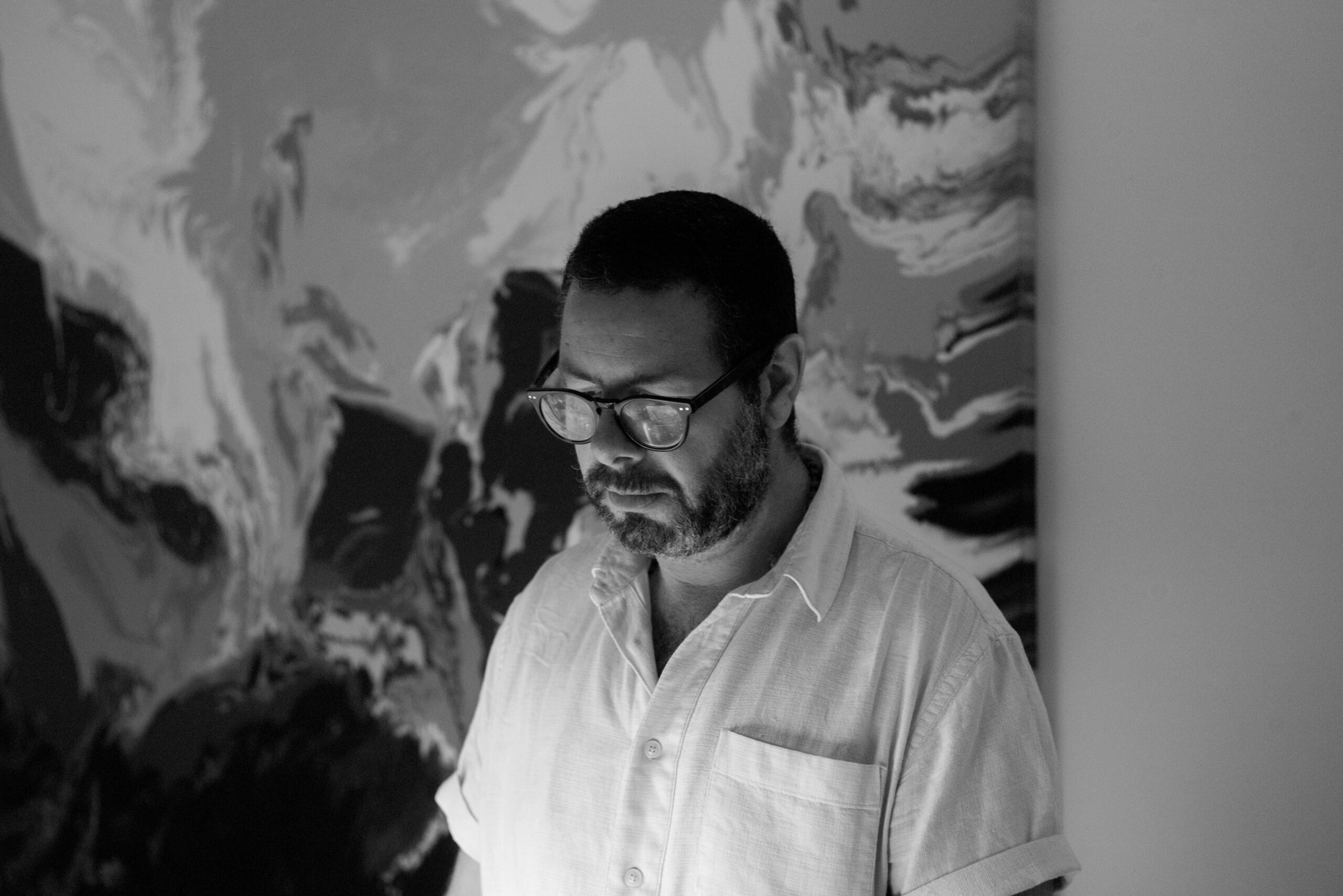
Could you tell us more about Point of No Return (Postfossil – Soft and Tender Extraction series)?
This work is an attempt to invite the visitors to listen to a fragmented story of what we might know, yet partially untold. A narrative that connects the bodies, present ones, the ones before us and the ones yet waiting to arrive.
This project interrogates the relationship between land, sea, labor, memory, transportation and future imaginaries, opening questions about rituals of home, modes of displacement, and ecological justice. Imagining alongside the bodies of water connecting the two cities, one is invited to contemplate on the ocean and streamlines as “a meditation on the erosion of freedom of movement, mixed with some nostalgia for those figures who no longer have the right to exist, like the traveler, or the bourlingueur (globetrotter): an anti-figure of the colonial settler and of the ‘migrant’ that desperately needs to be brought back to life.” Which traces haunt us from the first fevers of conquering what lies beyond from 1441 onwards, how do the trajectories of exploitation and mass trade of human and non-humans manifest in our daily lives?
Inspired by thinkers like Italo Calvino, Édouard Glissant, and Derek Walcott, it engages with the sea as a living archive and site of migration, memory, and identity. Drawing from pan- oceanic thought and the impacts of the Anthropocene, it reflects on forced displacement, extractivism, and the continuity of colonial structures in modern technological and planetary developments.
What do you want people to feel or learn when they see your works?
Is there a moment, person, or idea that’s inspired you in the past few weeks?
I get inspired by more-than-human elements, such as landscape, the ancestors and all energetic substance and teachings that have been here before us. My work is also a practice to decolonise ourselves from the anthropocentric footprint towards culture and art, from the unique conceptual view of the academia to look back into more ancestral teaching.
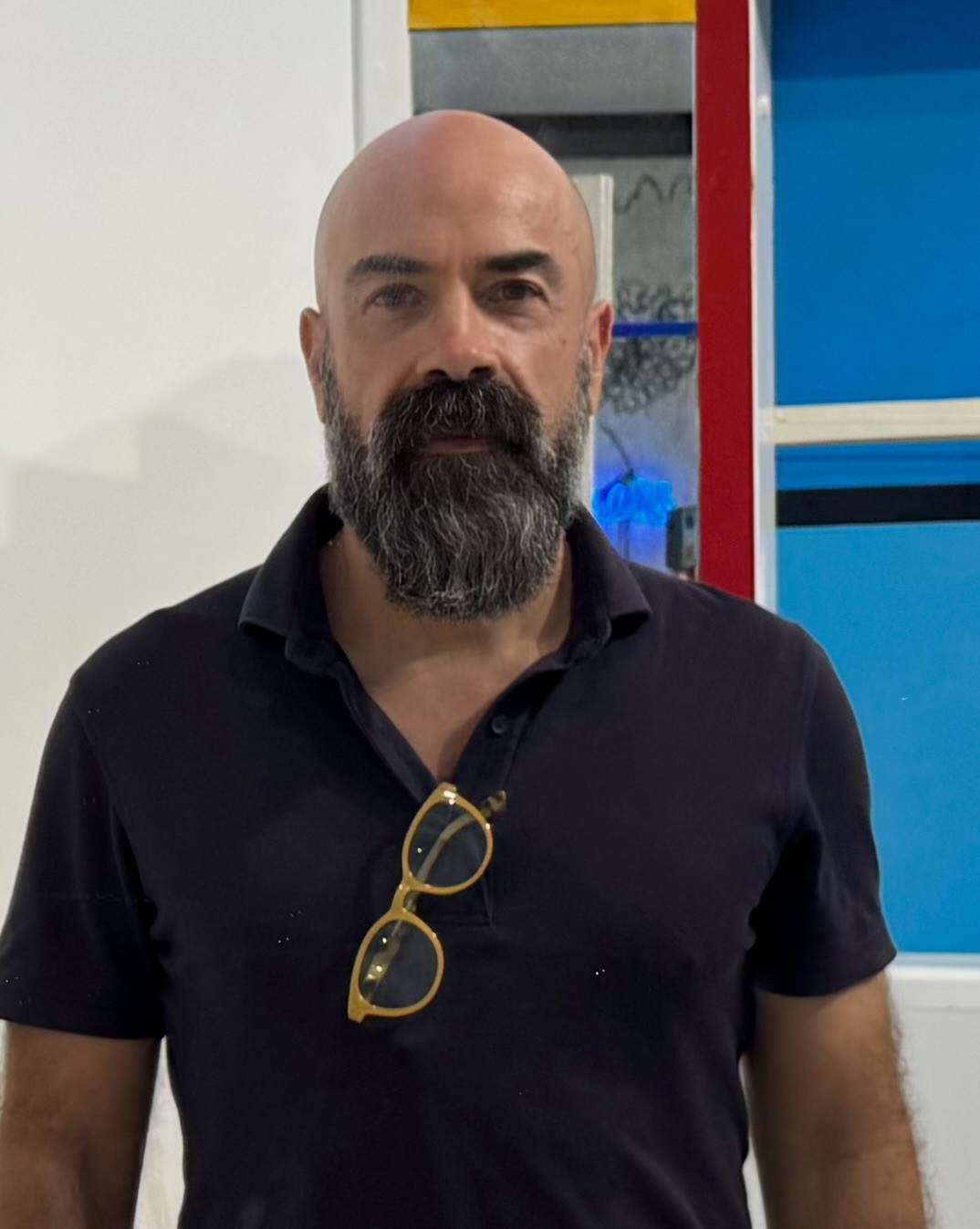
Could you tell us more about Untitled?
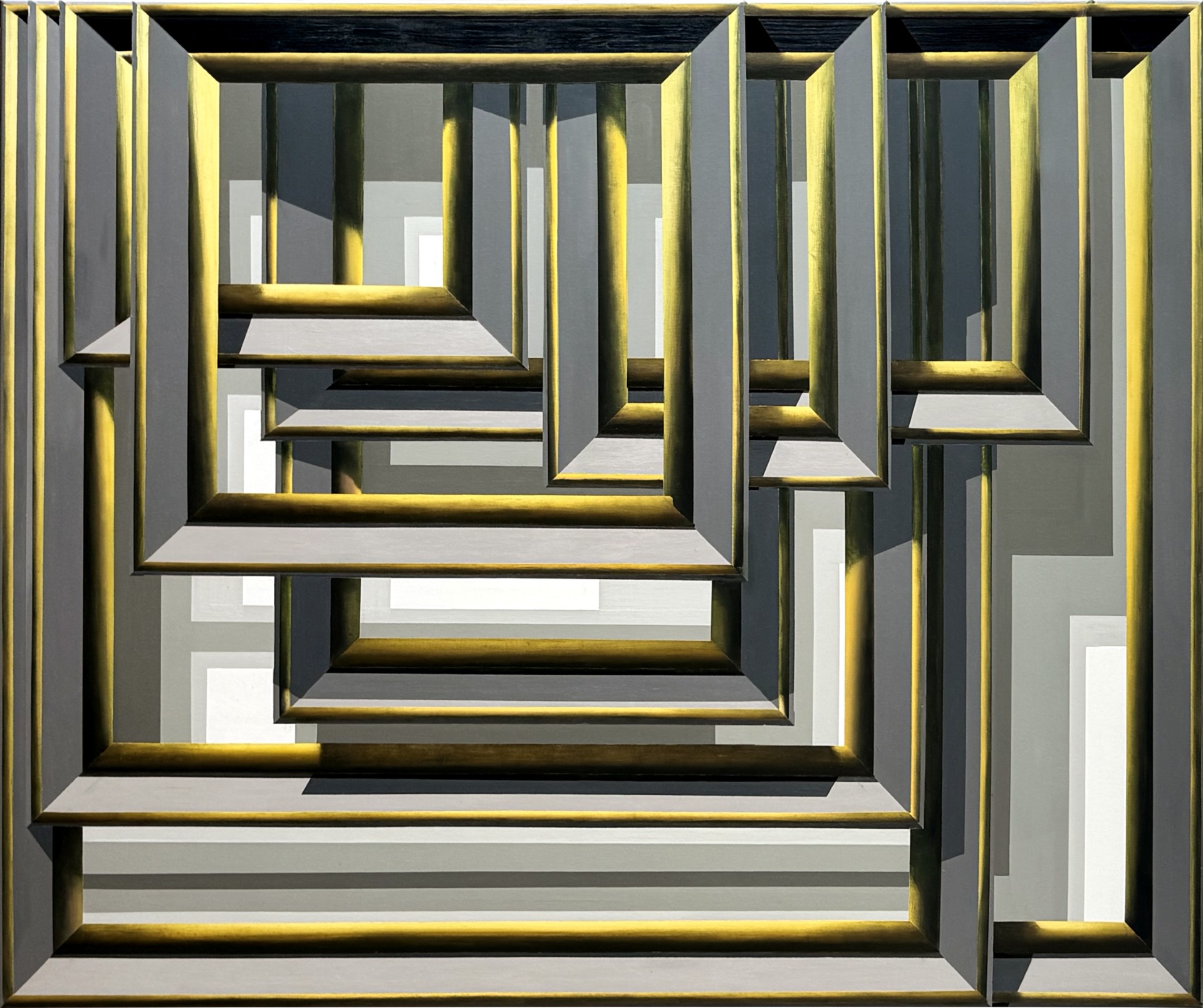
Untitled (Memorabilia series) is a painting that challenges the viewer’s expectations of what a painting should be. By testing the limits of painting as a medium, this work does not present itself to the viewer as a conventional painting or even as a painting per se. With the illusion of not seeing the image painted inside each frame, the viewer becomes entangled in the painting as a ruse of perception and expectation, challenging the criteria of what a painting should be.
How did you feel when you found out your work was shortlisted?
Excited and honored to have my work shortlisted.
What do you want people to feel or learn when they see your works?
Untitled (Memorabilia Series) is a painting that challenges the viewer to rethink preconceived ideas about what a painting should be. By testing the limits of perception, the work expands the horizon of possibilities, offering a fresh interpretation of the medium of painting.
Is there a moment, person, or idea that’s inspired you in the past few weeks?
I am not easily inspired by fleeting ideas. What truly challenges me is the ongoing act of observation — the delicate tension between perceiving the world around us and reflecting on painting as both a problem and a language. To paint, for me, is an enduring journey of study, contemplation, and an attempt to understand the world.
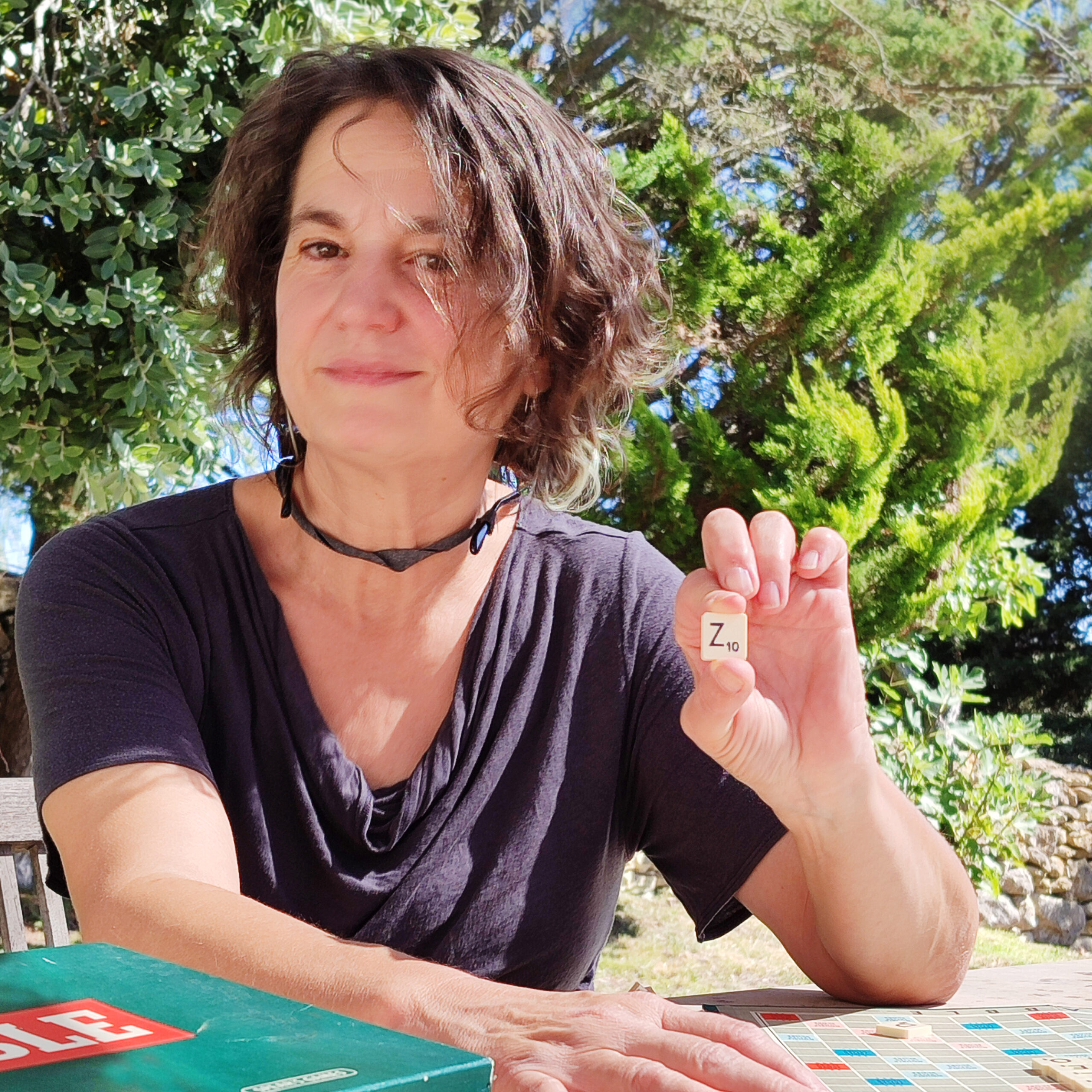
Could you tell us more about O que podem as palavras_tu homem dono?
I have used black and white to convey the image of a chessboard. Games attract us because they are part of our culture and our development. Since we have had memory, the aesthetic aspect of different games has played a role in attracting us. A chessboard is a beautiful piece in itself, with or without the pieces. The use of black and white also emphasises contrast; it encourages you to take sides.
The extracts from The New Portuguese Letters all contain the words ‘game’ or ‘play’ and are passages that teach us about the games of life and love. As you might expect, the male figure does not fare well here.
People who know the rules can come together and play, even if they don’t speak the same language. This is why I use different languages to highlight the importance of communication, to break down the barriers that divide us.
I consider the work of professional translators to be very important; they bring us closer to other cultures by expressing them in our own language. That’s why you see them named in O que Podemos as palavras_tu homem, dono.
How did you feel when you found out your work was shortlisted?
I was delighted to be nominated for The Sovereign Portuguese Art Prize and I am thrilled to be included in the shortlist. It is an honour to have my work displayed in the company of talented colleagues. The competition provides an opportunity to show my new work to a wide and diverse public, and I hope that the audience will be inspired by the philosophy which I have tried to reflect in O que podem as palavras_tu homem, dono.
What do you want people to feel or learn when they see your works?
I want people to notice that we play the game of life every day. We make choices that affect our lives and social relations. We follow social and moral rules of what we think is a permissible behaviour. I want people to consider when and how they learned the rules that they follow, whether those rules are in fact appropriate. It is all about choices, respect and communication, just enter the game!
Is there a moment, person, or idea that’s inspired you in the past few weeks?
I find inspiration every day in life, nature, literature, music. I was recently inspired by the artist Miguel Horta. I participated in one of his art workshops, which involved children and adults interacting with their town and emphasising little details that are normally forgotten. Then there are his Art or Words workshops, which help us to cope with our daily fears. He also does invaluable work in prisons, helping people to reintegrate into society through art.
Every moment is a learning experience that can enrich us. That is way I think art education is so important – it broadens our choices in life. I appreciate the Sovereign Art Foundation’s efforts very much to bring the therapeutic benefits of art to children in need.
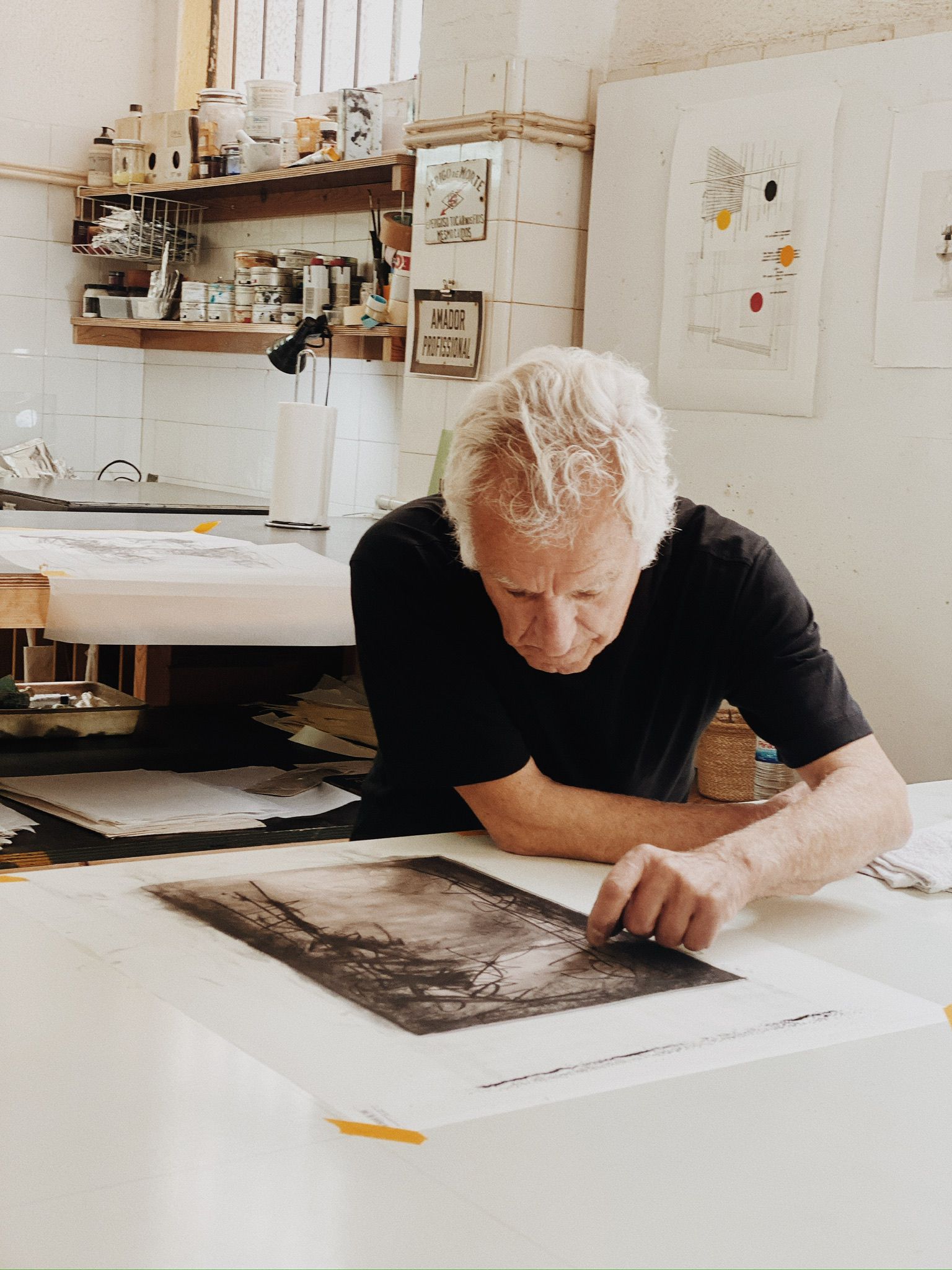
Could you tell us more about Untitled?
An “Untitled” story.
How did you feel when you found out your work was shortlisted?
Comfortable, my work was not in vain.
What do you want people to feel or learn when they see your works?
It is a story that everyone can delve into, enjoy, participate in, understand, and describe what they find in the object.
Is there a moment, person, or idea that’s inspired you in the past few weeks?
Planet Earth’s future destruction.
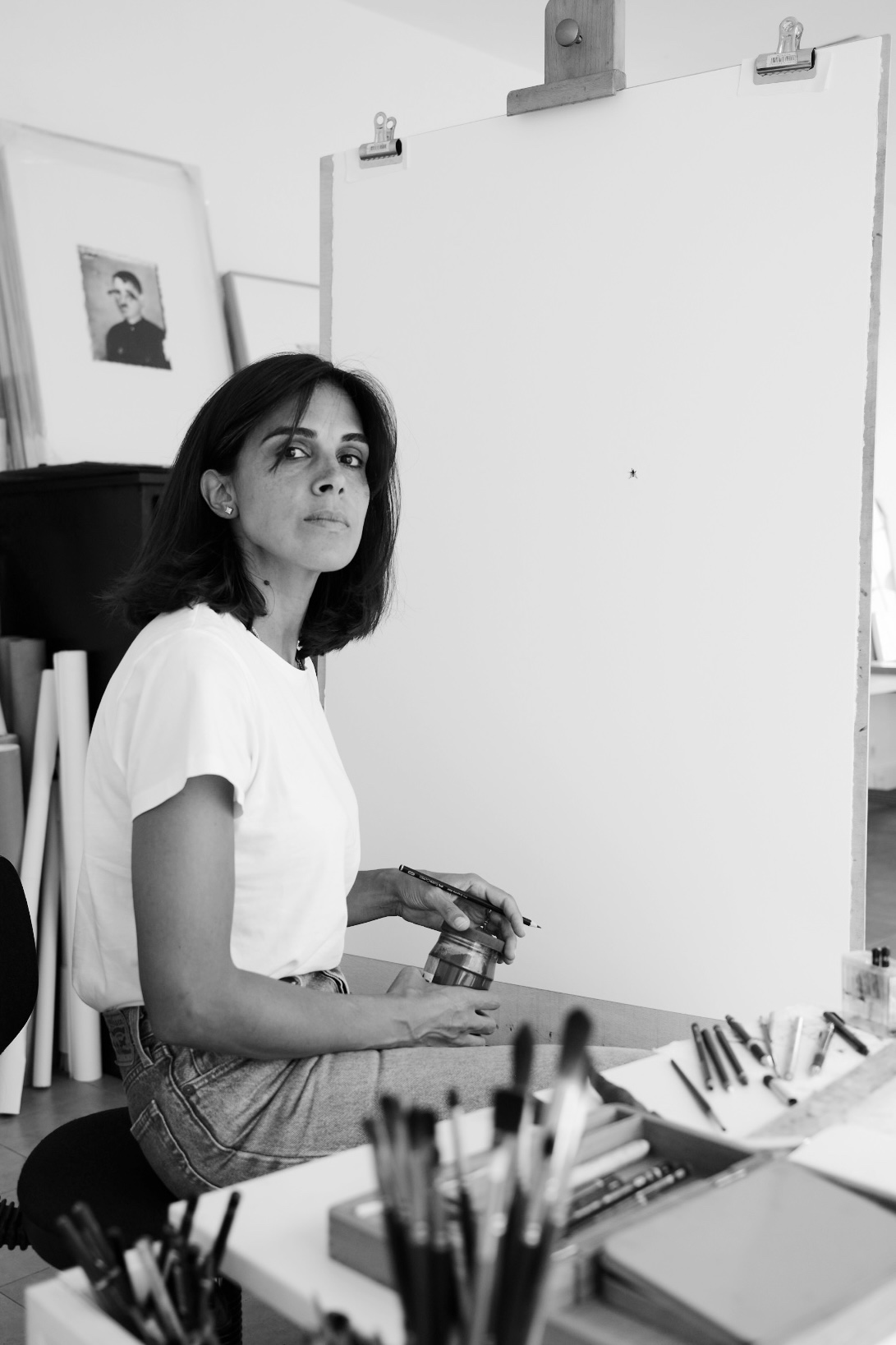
Could you tell us more about Fly?
The drawing presents a single fly, rendered at life scale, almost lost within the expanse of paper. What interests me is how such a small, ordinary presence can shift our perception of space and time. The fly becomes a pause, a subtle interruption that asks for attention. By isolating it, I wanted to transform something familiar and almost invisible into a moment of encounter: delicate, suspended, and open to reflection.
How did you feel when you found out your work was shortlisted?
I felt surprised. This work is so minimal, almost fragile, and to see it recognised made me believe even more in the value of small gestures and subtle presences. It was encouraging to realise that something so discreet could still speak loudly.
What do you want people to feel or learn when they see your works?
I hope people allow themselves to slow down. My drawings are not about spectacle but about pause. If someone can experience a moment of suspension, of quiet attention, then the work has reached its purpose. It’s less about learning something new and more about taking a moment to really look, to pause in the quiet, and notice what arises in the silence.
Is there a moment, person, or idea that’s inspired you in the past few weeks?
Lately, I’ve been inspired by silence — not as emptiness, but as the space where questions remain unanswered. It’s a kind of frontier, a place between the known and the unknown, where we are left only with the vastness of what we cannot grasp.
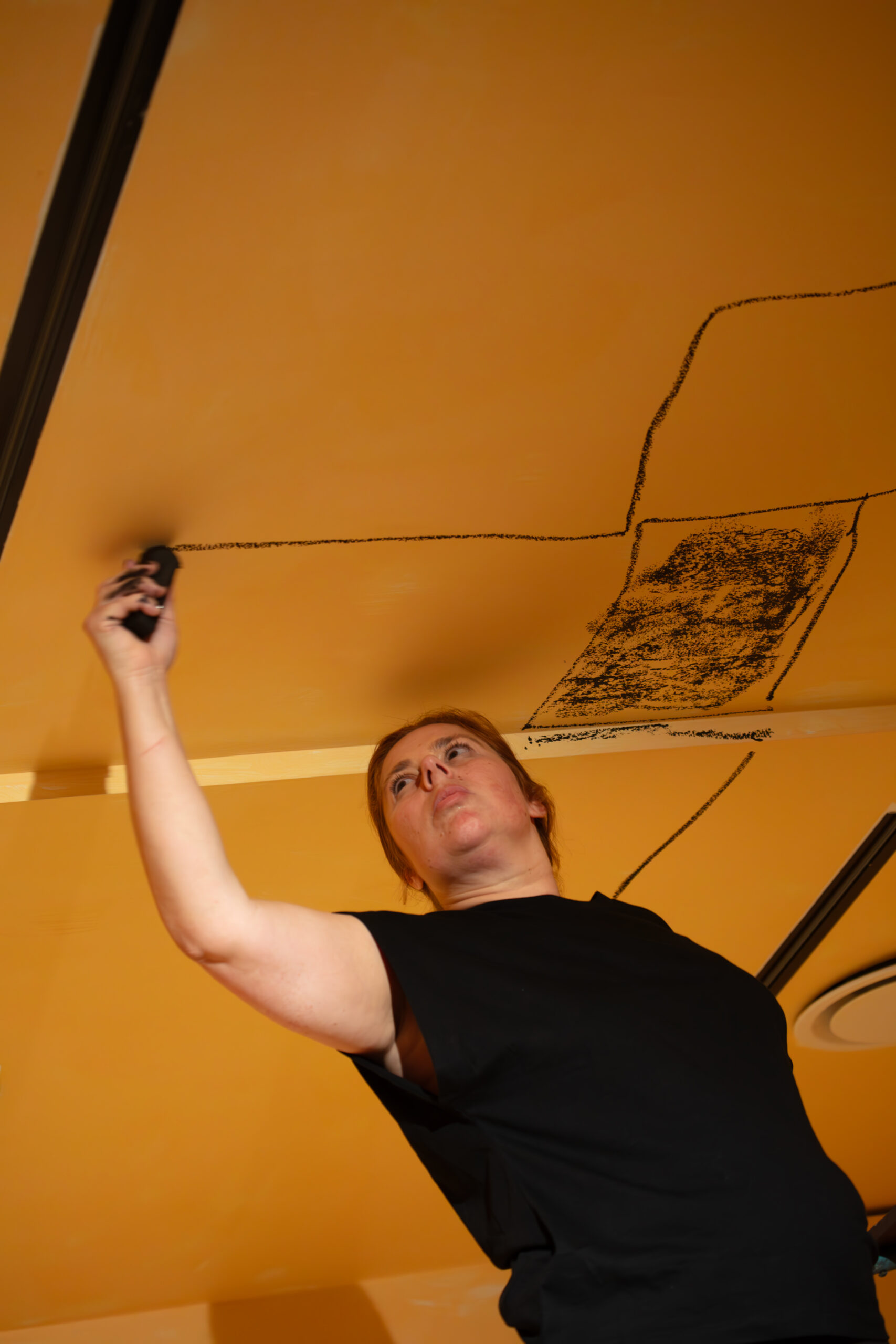
Could you tell us more about De mão em mão?
De mão em mão establishes a universe of hybrid figures between human and animal, emerging in an oneiric space where the unconscious resonates. Between layers, palimpsests, superimposed collages, and glazes, like improvised jazz notes, an organized chaos weaves itself, bringing forth the spectator to drift through the emotions and possibilities of the painting, where there are no winners—only the spasm between form and gesture and the eternal reading of the gaze.
How did you feel when you found out your work was shortlisted?
I was very happy. It’s always rewarding to see my paintings take their own path and express their freedom.
What do you want people to feel or learn when they see your works?
I want the work itself to speak. Each viewer can find their own emotions and interpretations within it.
Is there a moment, person, or idea that’s influenced you in the past few weeks?
From someone who feels the need to exorcise everything she sees — where everything consumed becomes a possibility, transforming perception into expression. It’s a process that resonates deeply with my own work.
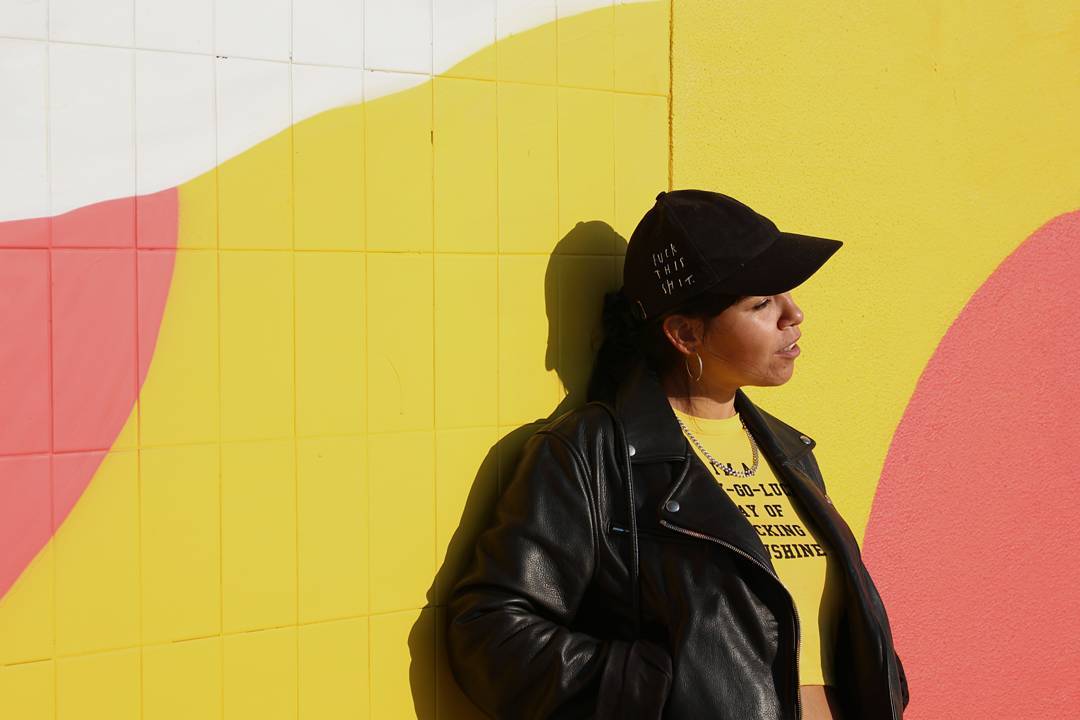
Born from the clash between a Catholic school upbringing and the punk scene, Wasted Rita’s critical, confessional practice reflects her love-hate connection with life. Blending sarcasm, brutal honesty, realism, and playful naivety, her work challenges viewers and the established formalism in contemporary art. Her text-based pieces echo urban walls layered with casual inscriptions and interventions, blurring boundaries between institutional and informal space. In Desperate Times, she recontextualises proverbs, questioning their relevance in today’s socio-political landscape. Through a fabricated street surface, tradition is subverted rather than dismissed. The piece also questions the evolving definition of “street artist”, reflecting on how wisdom, myth, and public expression evolve, and continue to shape collective thought.