Artist Highlight: Sebastião Castelo Lopes
Sovereign Art Foundation is delighted to shine a spotlight on artist Sebastião Castelo Lopes, one of the finalists of O Banquete (1) and the artist leading our upcoming children’s workshop in Lisbon.


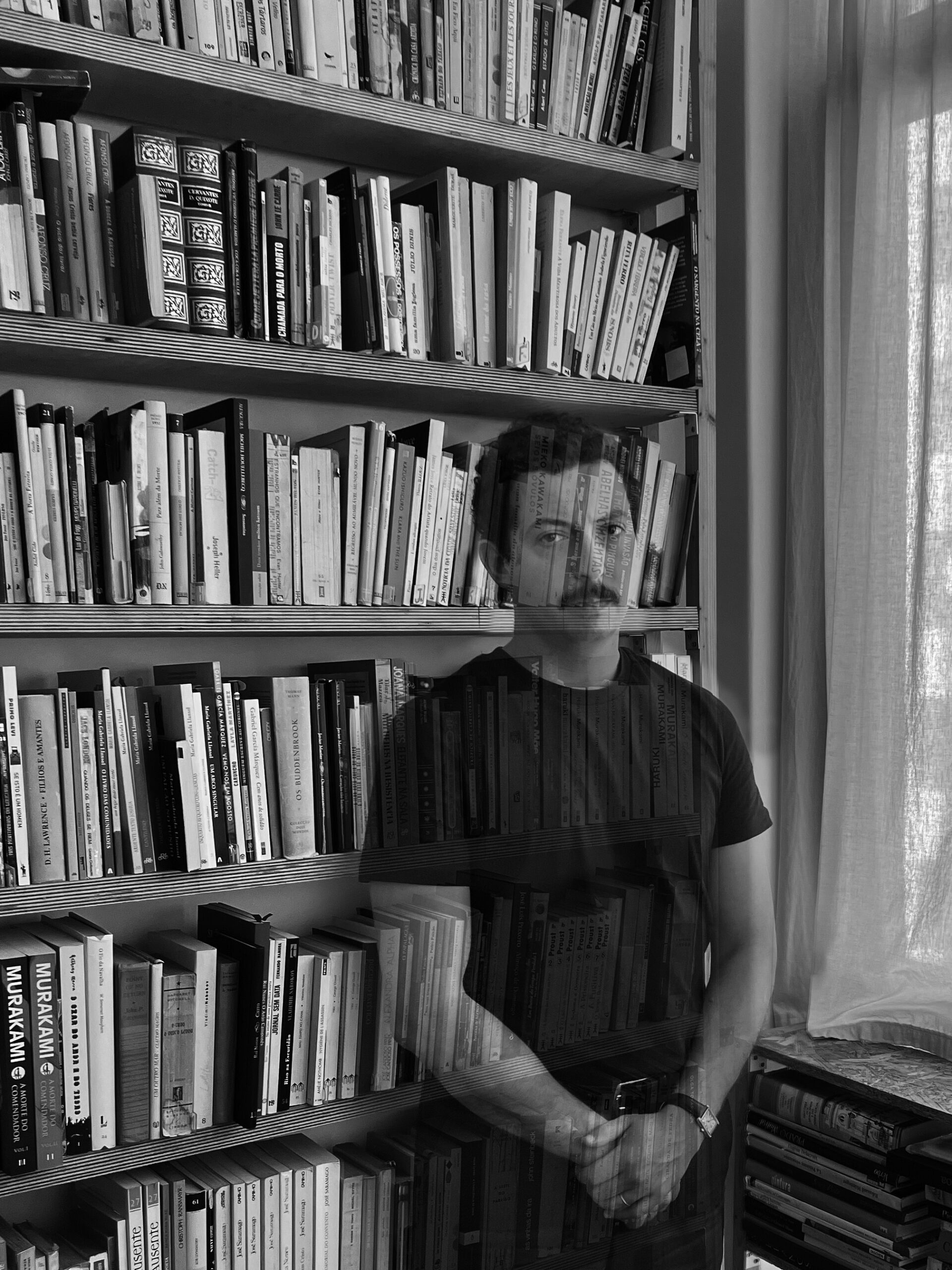
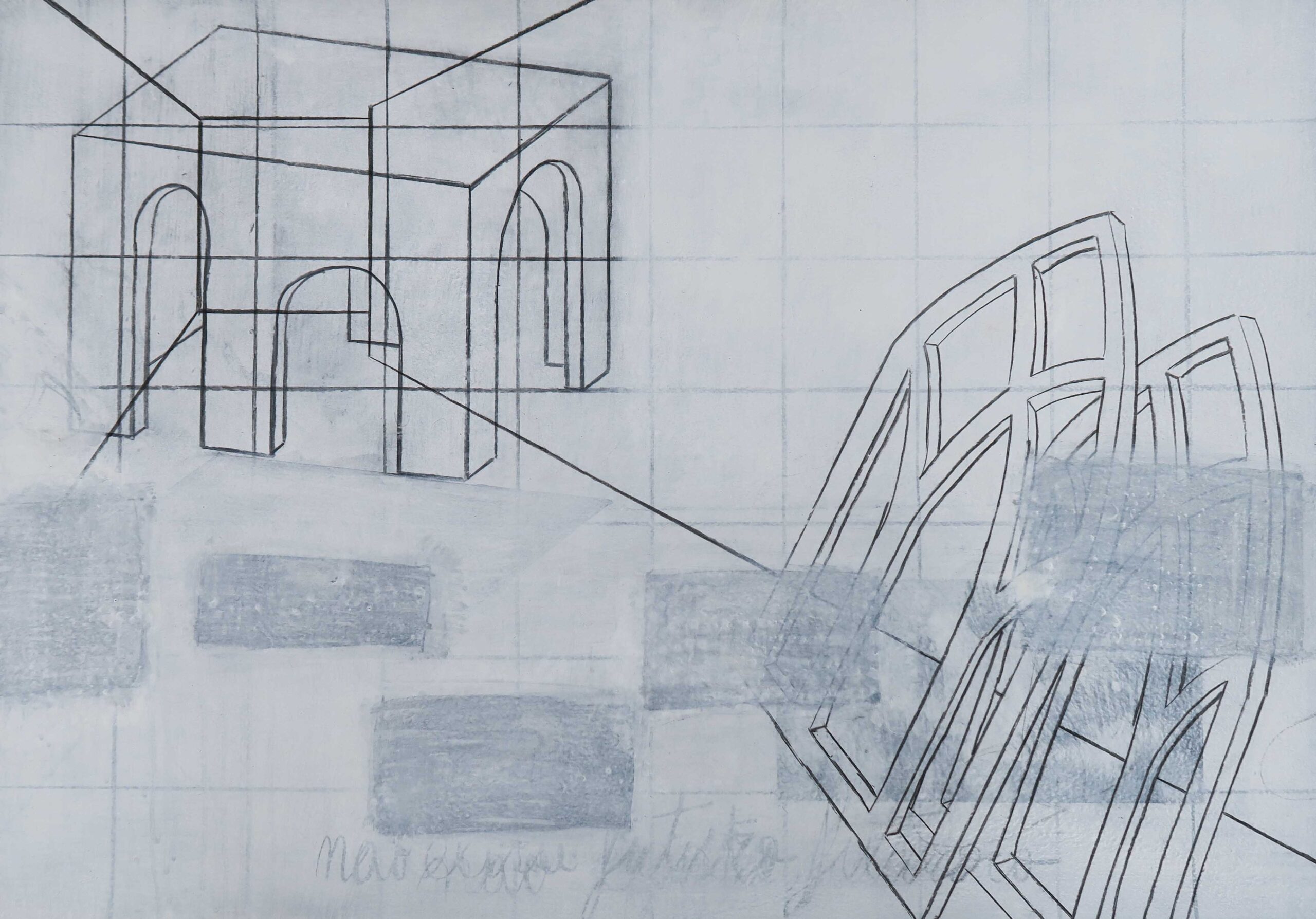
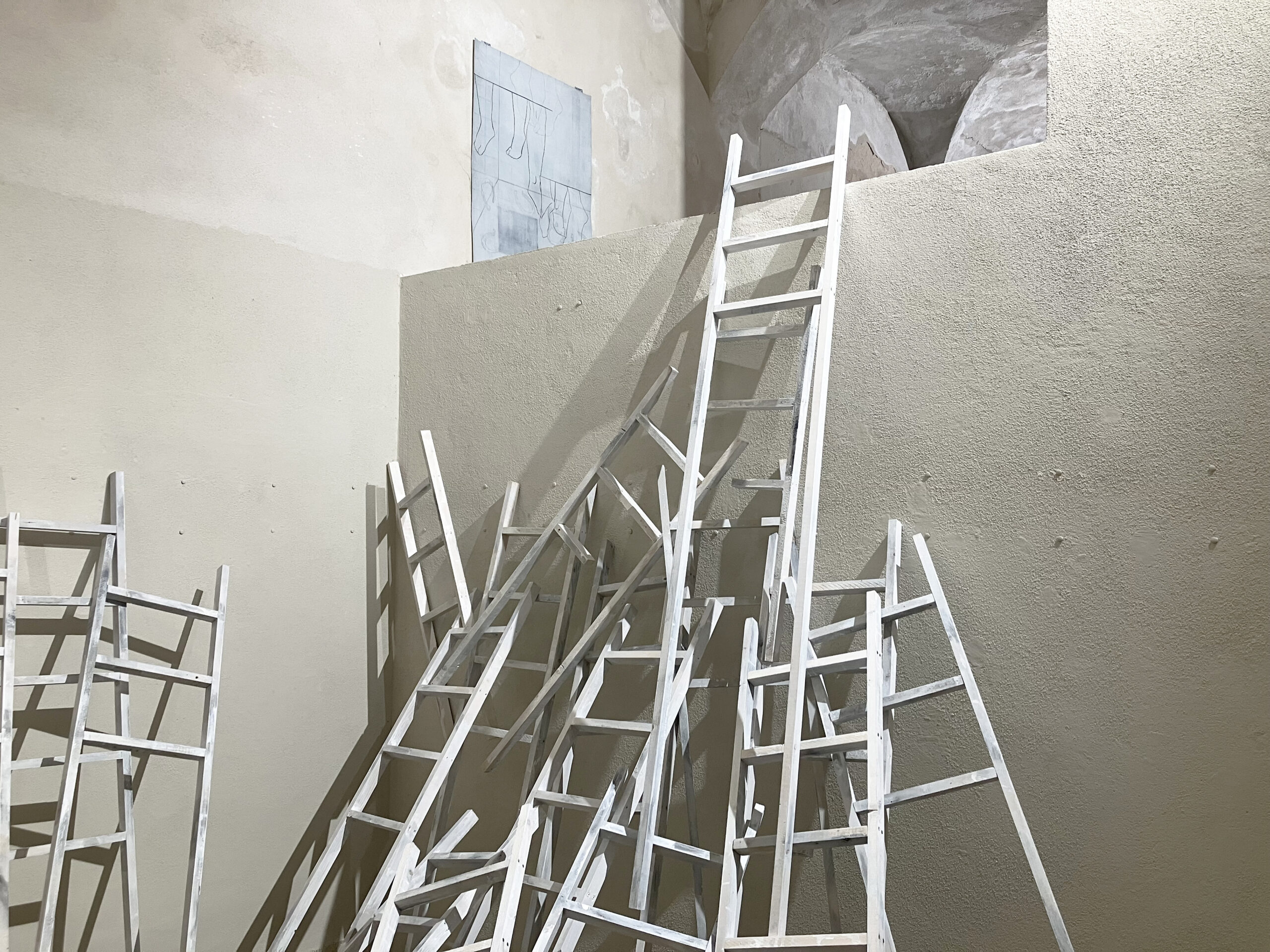
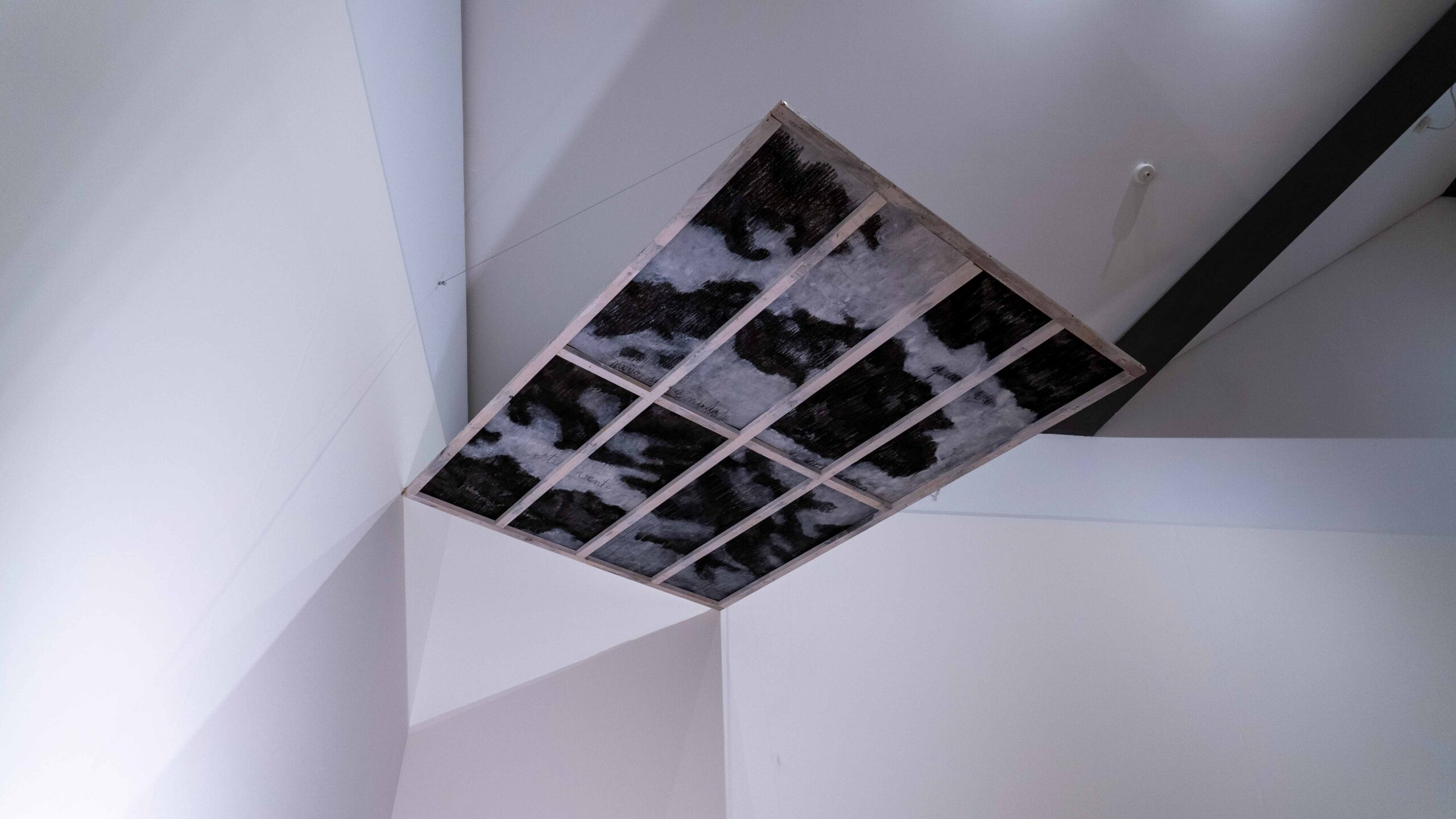
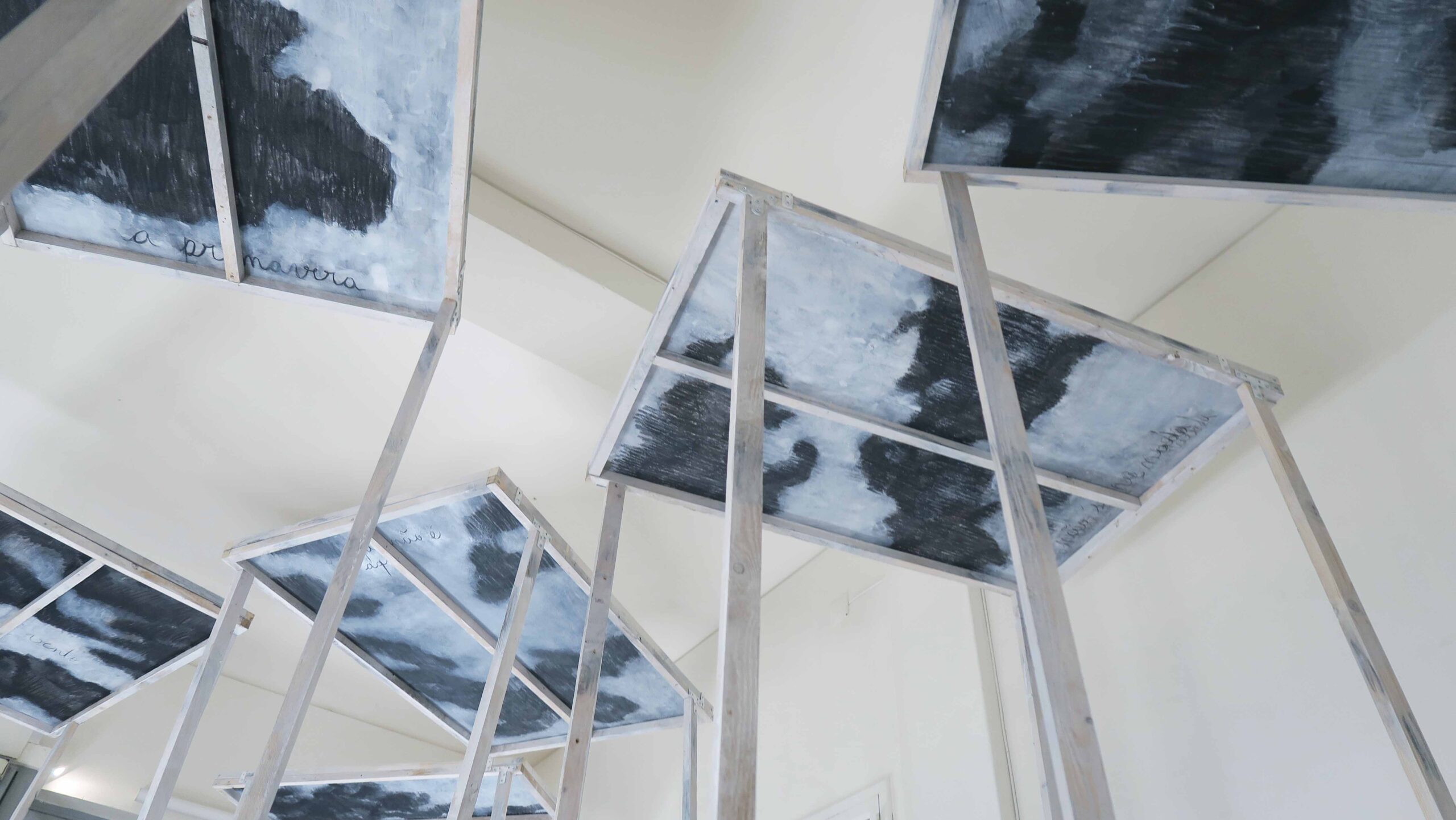
Based in Lisbon, Sebastião works across drawing, sculpture and installation. His practice explores ideas of belief, time and the relationship between the viewer and the artwork as a physical and perceptual experience. Throughout his work, he invites audiences to slow down, pay attention and become active participants in the process of meaning-making.
We caught up with Sebastião to learn more about his artistic practice, the role of collaboration in his work and what he hopes children will take away from creating together.
I work primarily through drawing and installation. My practice explores the relationship between belief, space and time. I am interested in how artworks shape the way we move, look and experience a place. Many of my projects combine long-term drawings, developed over several years, with site-specific structures that respond directly to the architecture and context where they are presented.
I see exhibitions not simply as displays of objects, but as environments that invite viewers to participate.
Language became important to me because it allows different voices, times and experiences to exist together within a single work. I am interested in how meaning is never completely fixed, but constantly shaped by context, interpretation and encounter.
This naturally led me to think about participation. Rather than presenting a closed statement, I am interested in creating situations where meaning is shared, negotiated and built collectively between the work, the space and the people who engage with it.
Children often approach creativity with a sense of freedom. They are less concerned with finding the correct answer and more willing to imagine possibilities and follow unexpected ideas.
The aim is to create a space where this freedom can be shared collectively, where ideas move from one person to another and grow through collaboration. It is a reminder that creativity is not only about certainty or individual achievement, but also about curiosity, exchange and the construction of something together.
There was no single defining experience, but rather an environment of freedom and exploration. From an early age, I had access to tools, wood and materials that allowed me to build things and experiment with making objects.
I spent a great deal of time drawing, constructing and transforming ideas into physical forms. Looking back, I think this freedom to explore without a fixed goal was more important than any specific moment. It taught me to learn through making, to trust curiosity and to see creativity as a way of understanding the world.
Pay attention to everything around you. Look carefully at the world, not only in museums or galleries, but in everyday life. Objects, buildings, conversations, books, nature and even small details that seem unimportant can become important.
Don’t be afraid to copy, learn from others and borrow ideas as a way of understanding them. Everybody grows through observing what came before them.
I hope the workshop becomes a space for sharing ideas rather than simply learning techniques. My work is often built through dialogue, with places, with other artists and writers, and with the people who encounter it.
In the same way, I see the workshop as an opportunity to create something together, where every participant can contribute their own perspective and imagination

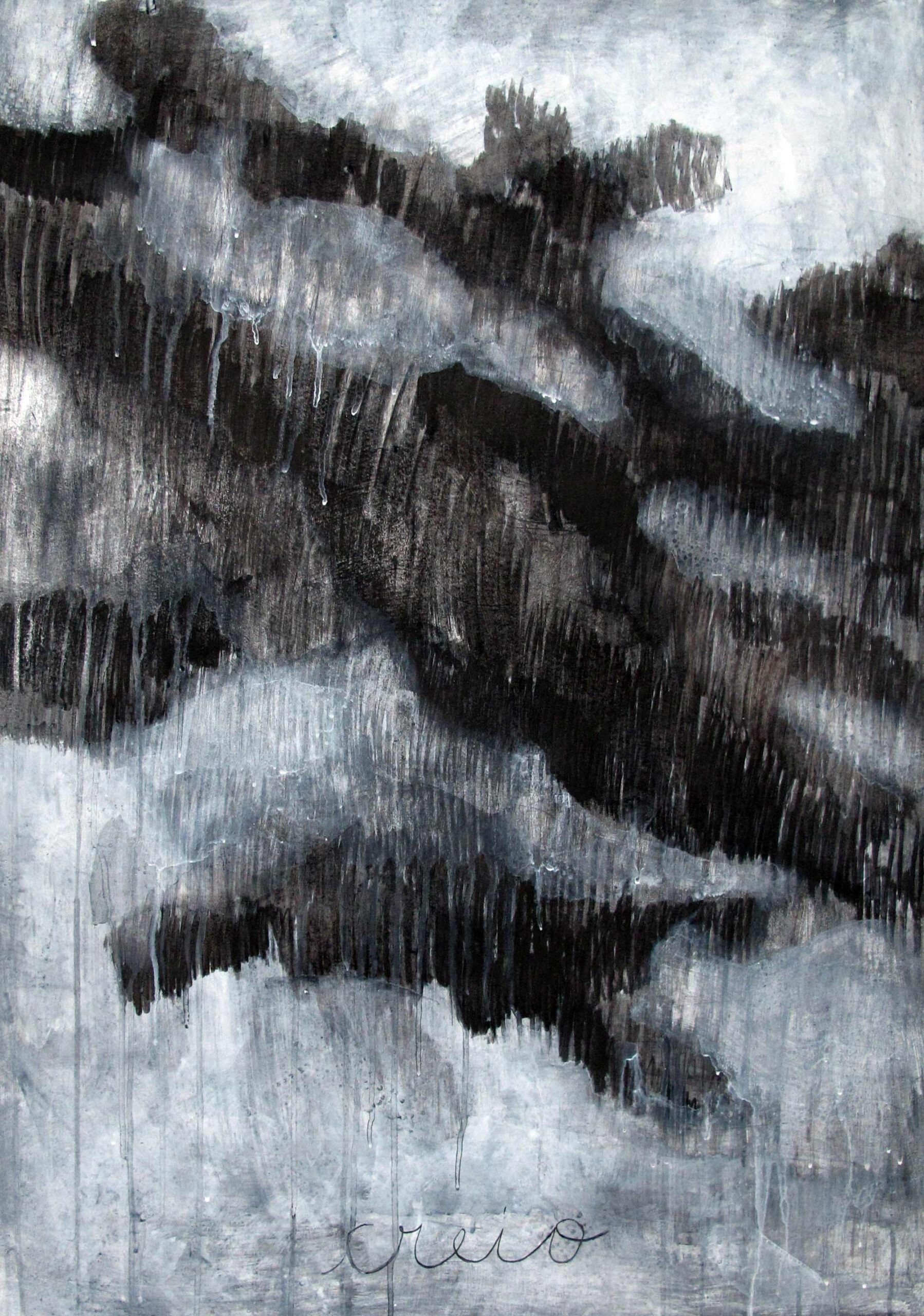
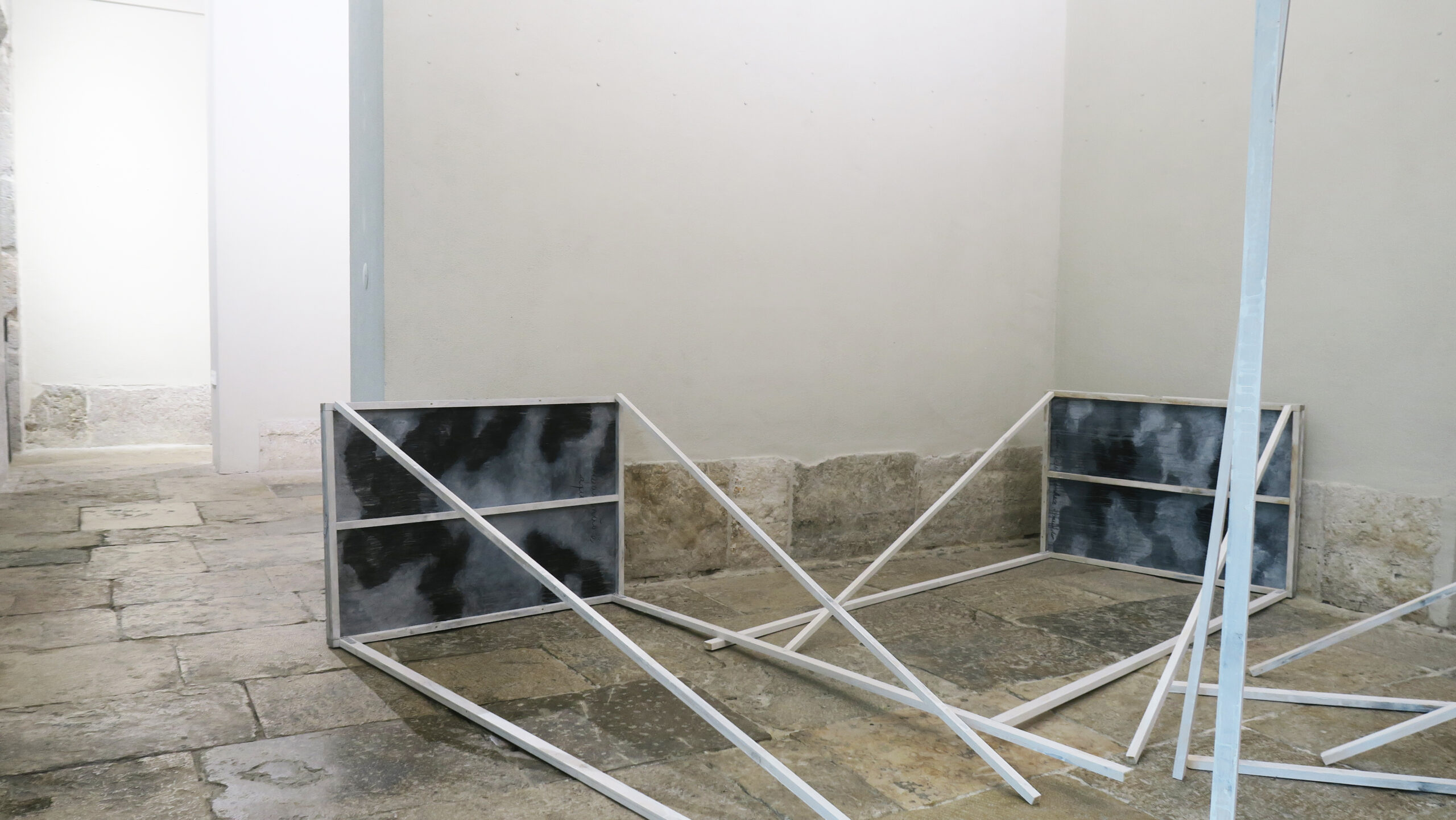
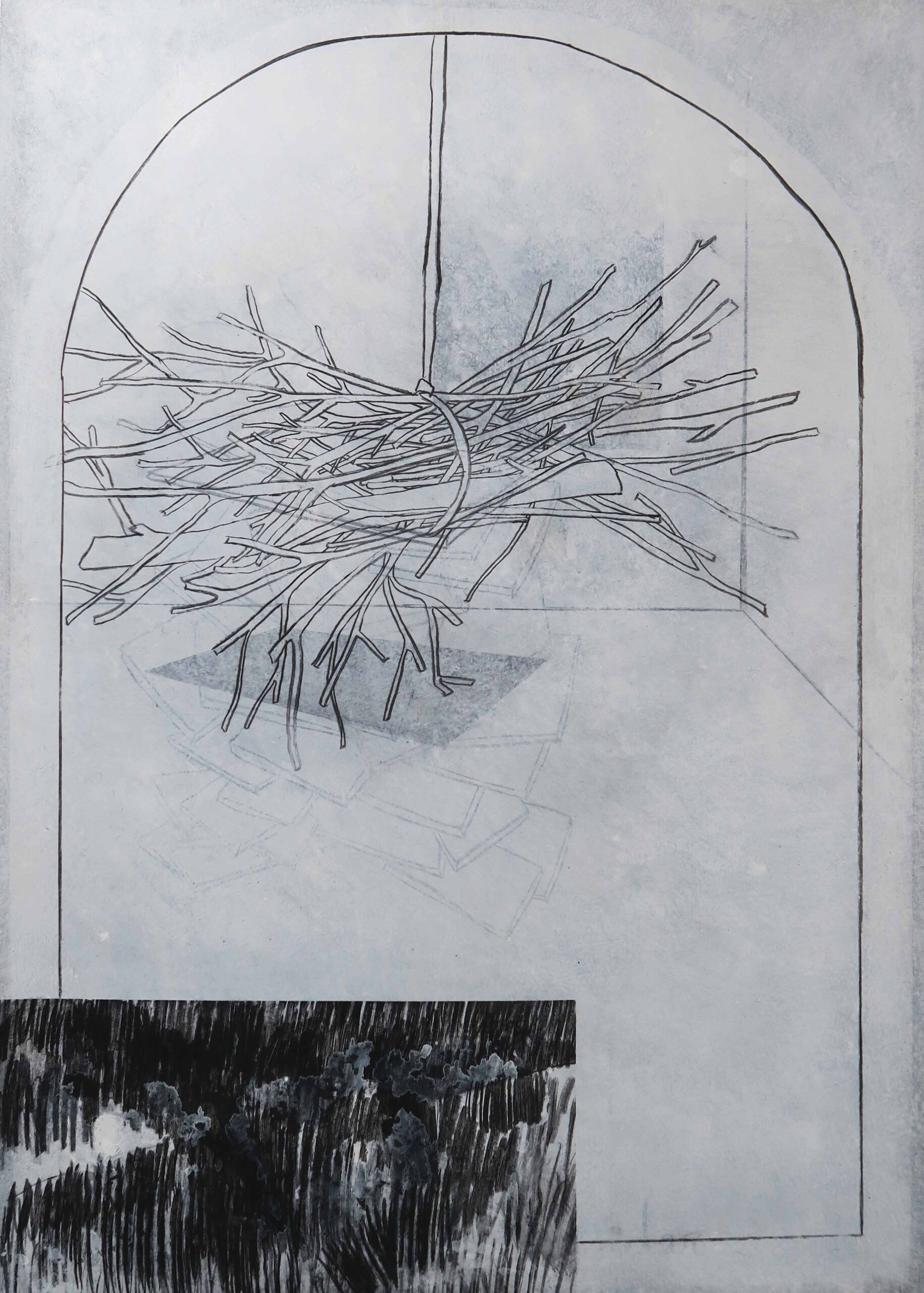
Sebastião Castelo Lopes lives and works in Lisbon. He holds a PhD in Drawing from the Faculty of Fine Arts of the University of Lisbon and previously completed a Master’s degree in Drawing at Wimbledon College of Arts, University of the Arts London. His work has been exhibited internationally and is held in several public collections, including those of Fundação Millennium BCP, the Budapest History Museum and the municipalities of Loures and Cascais.
On 17 June, Sebastião’s work will be featured as part of the O Banquete (1) exhibition during the Sovereign Art Foundation’s private viewing at Galeria NAVE. On 20 June, he will lead a special workshop for children in Lisbon, encouraging participants to explore words, imagination and collective creativity.
To learn more about Sebastião and his work, visit his Instagram @sebastiaocastelolopes.